Detangler Sprays for a Pomeranian
Oh, the sheer frustration of trying to get a comb through a beautiful Pomeranian coat, only to hit a snag, a tangle, or worse, a solid mat! It's enough to make anyone sigh in despair, especially when your little Pom is starting to squirm because it hurts. This guide is all about tackling those knots head-on with detangler sprays, helping you understand how they work, how to pick the best one, and how to use them effectively to keep your Pomeranian's magnificent double coat looking glorious and feeling comfortable.
Understanding Why Detangler is Essential for Pomeranian Coats
Let's be real, your Pomeranian's coat is a thing of beauty, a fluffy cloud of joy. But that same luxurious double coat, with its soft, dense undercoat and longer, harsher guard hairs, is also a magnet for tangles and mats. It's not just about aesthetics; a matted coat can lead to serious skin issues, discomfort, and even pain for your little one.
The Unique Challenges of a Pomeranian's Double Coat
A Pomeranian's double coat is truly a marvel, designed to protect them from harsh weather in their ancestral lands. The undercoat is incredibly fine and dense, providing insulation, while the longer, coarser outer guard hairs give the coat its distinctive "stand-off" appearance. This combination, however, is a perfect storm for matting. When these two types of hair get intertwined, especially with dead undercoat that hasn't been brushed out, they lock together into dense, painful clumps. Humidity, friction from harnesses, rolling around, or even just a good scratch can contribute to these knots forming seemingly overnight. Many owners face the challenge of How Many Layers a Pomeranian's Coat Has and how to manage them.
Imagine wearing two thick sweaters, one wool and one angora, and then going for a vigorous run and rolling around in the grass. That's a bit like what happens to your Pom's coat. The fine undercoat gets caught in the coarser outer hairs, and without regular, thorough brushing, these start to felt together. Once a small tangle begins, it rapidly collects more loose hair, getting tighter and pulling on the skin, causing hot spots and potential infections. This isn't just a cosmetic issue; it's a welfare concern.
The Role of Friction and Environmental Factors in Matting
Matting isn't just about neglecting brushing, though that's certainly a major factor. Friction plays a huge role. Think about where mats commonly form on a Pomeranian: behind the ears, under the armpits, around the harness area, and in the "britches" (the fluffy fur on their hindquarters). These are all high-friction zones. When your Pom scratches, rolls on the carpet, or wears a harness for walks, these actions create friction that encourages hair to twist and tangle.
Environmental factors also contribute. High humidity can make the coat more prone to tangling, as can dust, dirt, and debris picked up during playtime. Even bathing without thorough conditioning and drying can lead to matting if the coat isn't carefully blown out and brushed straight. It's a constant battle, and that's where a good detangler spray becomes your secret weapon. It helps lubricate the hair, making it smoother and more resilient against these everyday challenges, turning what could be a wrestling match into a much gentler grooming session.
Choosing the Right Detangler Spray for Your Pomeranian
With so many products out there, choosing the right detangler spray can feel overwhelming. You want something effective, safe, and ideally, something that won't leave their beautiful coat feeling greasy or heavy. Understanding the ingredients and types of detanglers available will help you make an informed decision.
Key Ingredients and What They Do
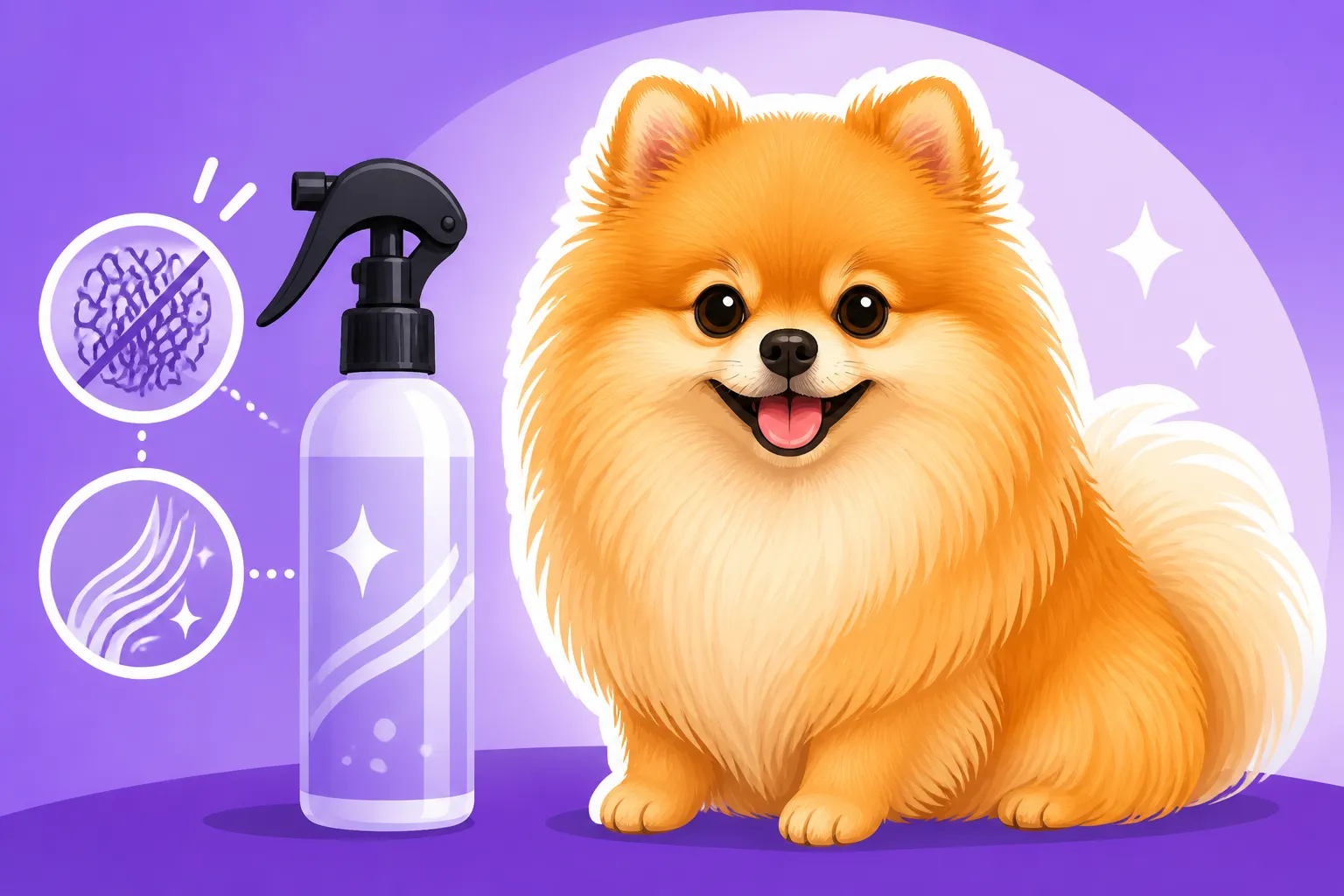
Detangler sprays primarily work by lubricating the hair shaft and smoothing down the cuticle, which is the outer layer of each hair. This reduces friction between individual hairs, allowing them to slide past each other more easily instead of locking together.
- Silicones (like Dimethicone, Cyclomethicone): These are very common in detanglers. They create a smooth, slippery barrier over the hair shaft, making it incredibly easy to comb through knots. However, some owners worry about silicone buildup over time, which can weigh down the coat or attract dirt. If you use a silicone-based detangler, ensure you're regularly shampooing with a clarifying shampoo to prevent buildup. Brands like The Coat Handler offer great silicone-containing detanglers.
- Conditioning Agents (like Panthenol, Glycerin, Hydrolyzed Proteins): These ingredients hydrate and strengthen the hair, making it more pliable and less prone to breakage when detangling. They also help to restore the natural moisture balance, contributing to a healthier-looking coat.
- Natural Oils (like Argan Oil, Coconut Oil, Jojoba Oil): These oils provide natural lubrication and nourishment. They can be excellent for adding shine and softness, but too much can make the coat appear greasy. Look for formulations where these oils are present but not in excessive amounts, or where they are emulsified well. Some brands might integrate these with other conditioning agents for a balanced approach.
When looking for a product, always read the ingredient list. Avoid anything with harsh chemicals, artificial dyes, or strong fragrances that could irritate your Pomeranian's sensitive skin. Their delicate skin and coat require gentle care, especially if you're dealing with issues like The Hormone Disease Mistaken for a Pomeranian's Alopecia.
Types of Detanglers: What to Look For and Avoid
Detangler sprays generally come in a few forms:
- Leave-in Sprays: These are designed to be applied to the coat and left in, providing continuous conditioning and protection. They are excellent for daily touch-ups or as a preventative measure before brushing. Many people prefer leave-in sprays for their convenience.
- Rinse-out Detanglers: These are typically applied during or after bathing and then rinsed out. They act more like a conditioner, making it easier to comb through the coat while wet. However, for existing mats, a leave-in spray applied to dry hair is often more effective.
When selecting a detangler, consider:
- PH Balance: Look for products that are pH-balanced for dogs. Human products often have a different pH level that can strip a dog's natural oils and irritate their skin.
- Lightweight Formula: Pomeranians have fine hair that can easily be weighed down. Opt for a lightweight formula that won't make their coat feel greasy or flatten that beautiful "stand-off" effect.
- Hypoallergenic/Fragrance-Free Options: If your Pomeranian has sensitive skin or allergies, choose a hypoallergenic or fragrance-free detangler to minimize the risk of irritation.
- No Alcohol: Alcohol can dry out the coat and skin, leading to more breakage and irritation. Always check that your chosen spray is alcohol-free.
You'll find a vast selection of detangler sprays on online retailers like Chewy and Amazon, allowing you to compare ingredients and read reviews from other Pomeranian owners. If you're exploring fresh food options for your Pom, you might also come across brands like Ollie that focus on overall health, which indirectly supports skin and coat quality, though they don't produce detanglers directly.
Here's a quick comparison of common detangler ingredients:
| Ingredient Type | Pros | Cons | Best For |
|---|---|---|---|
| Silicones | Excellent slip, highly effective on mats | Can cause buildup, weigh down coat if overused | Severely matted coats, quick detangling |
| Conditioning Agents | Hydrating, strengthens hair, reduces static | May not provide enough "slip" for dense mats alone | Regular maintenance, improving coat health |
| Natural Oils | Adds shine, moisturizes, natural | Can leave greasy residue if too concentrated | Dry, brittle coats, adding natural luster |
Remember, the goal is to find a product that works for your Pomeranian, so don't be afraid to try a few different options until you find the perfect fit.
How to Use Detangler Spray Effectively on Your Pomeranian
Using detangler spray isn't just about spritzing it on; there's a technique to maximize its effectiveness and minimize discomfort for your Pomeranian. A proper application can save you a lot of grief and keep your pup's coat in pristine condition.
Step-by-Step Application for Tangles and Mats
Dealing with tangles requires patience and a gentle touch. Here's how to approach it:
- Isolate the Tangle: Gently separate the matted section of fur from the surrounding clean coat. You don't want to spray the entire dog if only a small area is matted. Hold the mat close to the skin with your fingers to prevent pulling on the skin as you work. This is crucial for avoiding pain for your Pomeranian.
- Generously Spray the Mat: Apply the detangler spray directly onto the tangle. Don't be shy; you want to saturate the mat thoroughly. The goal is for the product to penetrate all the intertwined hairs.
- Let it Penetrate: Allow the detangler to sit for a few minutes. This gives the ingredients time to work their magic, lubricating the hair shafts and softening the mat. For really stubborn mats, you might need to leave it on a bit longer.
- Work from the Outside In: Using a slicker brush or a wide-toothed comb (a good quality greyhound comb is often ideal for Poms), start gently picking at the very edges of the mat. Hold the base of the hair with one hand to prevent pulling on the skin, and with the other, carefully tease out strands from the outer edge of the mat.
- Small Sections, Gentle Strokes: Don't try to pull the comb straight through the entire mat. Work in small, gentle strokes, gradually breaking down the tangle. As you loosen a section, move inward a little further. If you encounter resistance, stop, spray more detangler, and try again. Never force the comb through. This might take some time, especially if the mat is dense.
- Switch to a Finer Comb: Once the larger mat is broken down, you can switch to a finer-toothed comb to ensure all smaller tangles are removed and the coat is smooth. Then, brush the entire section to blend it with the surrounding fur.
Remember, the key is patience. Rushing through this process will only cause pain for your Pomeranian and could make them fearful of grooming. Think of it as a bonding experience, even if it's a bit of work. Building a Pomeranian's Tolerance for Combing Mats starts with making the process as comfortable as possible.
Common Mistakes to Avoid When Detangling
Even with the right product, mistakes in application can hinder your efforts or cause discomfort:
- Spraying and Brushing Immediately: As mentioned, detanglers need a moment to penetrate and work. If you spray and immediately try to comb, you're not giving the product a chance to lubricate the hair, making your job harder and potentially pulling more hair.
- Brushing Dry Hair Without Detangler: This is a recipe for static, breakage, and more tangles. Always use a detangler or conditioning spray when brushing a Pomeranian's coat, even if it's not matted, to add moisture and prevent damage. This is especially true for their The Guard Hair and Undercoat of a Pomeranian.
- Pulling Instead of Teasing: Aggressively pulling a comb through a mat will hurt your Pomeranian and could tear out chunks of their beautiful coat, or even damage their delicate skin. Always tease and pick apart mats gently, working from the ends of the hair toward the skin.
- Using the Wrong Tools: A regular comb might not be effective on a dense mat. Invest in a good quality slicker brush and a steel comb with both wide and fine teeth. For very tight mats, a mat splitter or dematting tool can be used with extreme caution, but it's often best left to a professional groomer to avoid accidental cuts to the skin.
- Ignoring Small Tangles: Small tangles quickly become big, painful mats. It's much easier to address a tiny knot as soon as you find it than to tackle a hardened, felted mat. Regular brushing with detangler spray is your best defense.
By avoiding these common pitfalls, you'll make the detangling process much smoother for both you and your beloved Pomeranian, ensuring their coat stays healthy and tangle-free.
Beyond the Spray: Preventing Mats in Your Pomeranian's Coat
While detangler sprays are indispensable for tackling existing knots, the real game-changer is preventing mats from forming in the first place. A consistent grooming routine, the right tools, and even nutritional support can make a world of difference in maintaining your Pomeranian's glorious coat.
The Importance of a Consistent Grooming Routine
There's no shortcut when it comes to a Pomeranian's coat care. Regular, thorough grooming is the cornerstone of preventing mats and keeping their fur healthy. This isn't a once-a-week task; for many Poms, it needs to be a daily or every-other-day ritual.
- Daily Brushing: This is non-negotiable. Aim for at least 15-20 minutes of brushing every day, or at least every other day. Use a pin brush to get through the top coat and a slicker brush to work through the undercoat, always making sure to reach the skin. Brushing in sections, starting from the belly and legs and working your way up, ensures you don't miss any spots. Don't forget those high-friction areas like behind the ears, armpits, and under the tail. Regular brushing helps remove dead undercoat before it can clump and mat with the guard hairs. This daily habit can significantly reduce How Many Times a Week a Pomeranian Is Brushed.
- Regular Baths: Bathe your Pomeranian every 2-3 weeks, or as needed. Always use a good quality dog shampoo and follow up with a conditioning rinse. The conditioner helps smooth the hair cuticles, making them less prone to tangling. After bathing, it's critical to thoroughly blow-dry the coat while brushing it out straight. Letting a Pomeranian's double coat air dry often leads to severe matting, as the undercoat can shrink and felt together.
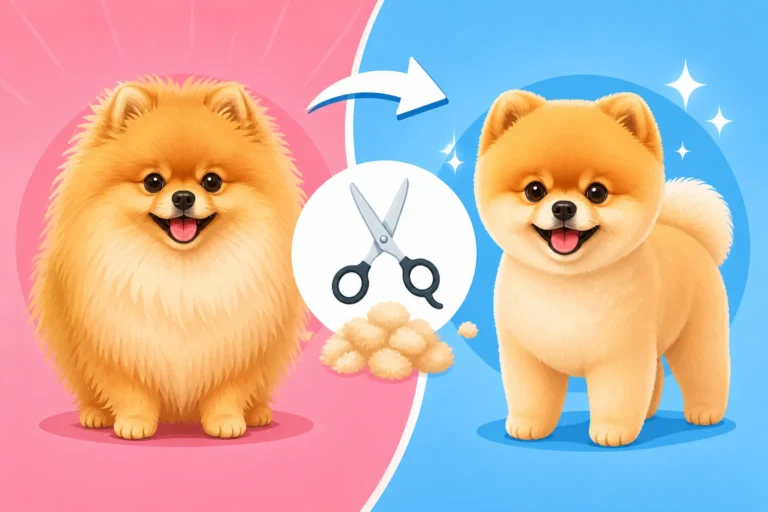
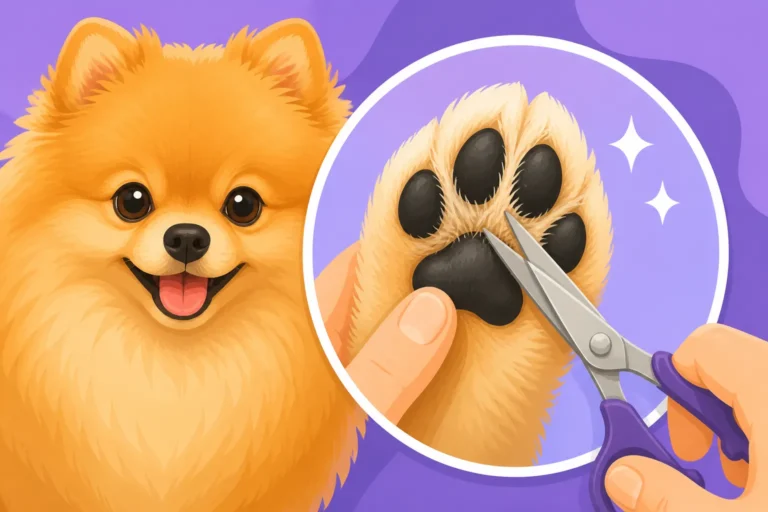
- Sanitary Trims: Keeping the fur around their potty areas, paws, and ears neatly trimmed helps prevent mats and makes cleaning easier. You might need professional help for these, or learn to do them carefully at home. This can be covered during Sanitary Trimming on a Pomeranian.
Establishing a consistent grooming schedule not only keeps mats at bay but also allows you to check for any skin issues, lumps, or parasites that might be hiding under that thick fur. It also reinforces the bond between you and your Pomeranian.
Essential Grooming Tools and Nutritional Support
Having the right tools is just as important as having a consistent routine. Trying to groom a Pomeranian with inadequate brushes is like trying to paint a masterpiece with a toothbrush – frustrating and ineffective.
- Slicker Brush: Essential for removing dead undercoat and tackling minor tangles. Look for one with fine, angled pins that can reach deep into the coat without scratching the skin.
- Pin Brush: Great for general brushing and smoothing the top coat. It's less aggressive than a slicker and good for longer, flowing hair.
- Steel Comb: A sturdy steel comb with both wide and fine teeth is indispensable for checking your work and getting through any remaining tangles, especially in delicate areas. This is the tool that confirms you've truly reached the skin.
- High-Velocity Dryer: While not strictly a "brush," a good pet-specific blow dryer is a game-changer for Pomeranians. It not only dries the coat quickly but also helps to "blast" out loose undercoat and straighten the hair, significantly reducing drying time and preventing mats after a bath.
Beyond tools, nutrition plays a surprisingly important role in coat health. A healthy coat starts from within.
- High-Quality Diet: Feed your Pomeranian a high-quality, balanced diet. Look for foods with good protein sources and healthy fats. Some owners find that The Protein a Pomeranian's Coat Needs can contribute to overall coat health and shine.
- Omega Fatty Acid Supplements: Omega-3 and Omega-6 fatty acids are fantastic for skin and coat health. They help keep the skin moisturized and the fur strong and shiny, making it less prone to breakage and matting. You can often find these as fish oil supplements. Whether a Pomeranian Needs Fish Oil for Its Coat is a common question, and for many, the answer is a resounding yes. Always consult your vet before adding supplements to your dog's diet.
- Water: Ensure your Pomeranian has constant access to fresh, clean water. Hydration is key for overall health, including healthy skin and a lustrous coat.
By combining the power of detangler sprays for immediate problem-solving with a proactive approach to grooming and nutrition, you can ensure your Pomeranian's coat remains a source of pride and comfort, rather than a tangled headache. After all, their magnificent fur is one of their most defining and charming features!
Disclaimer
This article is for general informational purposes only and does not constitute professional advice. Laws, prices and regulations vary by location and change over time. Consult a qualified professional for guidance on your specific situation.