Trimming the Fur Between a Pomeranian’s Toes
One of the most overlooked aspects of Pomeranian care often hides right under their adorable, fluffy paws. That seemingly innocent tuft of fur growing between your Pom's toe pads can quickly become a tangled mess, turning joyful bounces into treacherous slips and harboring all sorts of unseen nastiness. If you've ever watched your tiny companion slide across the kitchen floor like they're on an ice rink, or noticed them licking their paws with unusual frequency, chances are it's time to tackle those fuzzy foot pads. This guide is all about giving you the confidence and know-how to safely and effectively trim the fur between your Pomeranian's toes, ensuring their comfort, safety, and hygiene.
Why Trimming Paw Fur is More Than Just Aesthetics for Your Pomeranian
It's easy to think of paw fur as just another part of your Pomeranian's charming fluffy coat. But beneath that exterior, overgrown fur can pose real, tangible risks to your little one's health and well-being. This isn't just about keeping them looking neat for their next walk in the park; it’s about preventing injuries, maintaining good hygiene, and ensuring their overall quality of life.
The Slippery Slope: Traction and Safety Concerns
Imagine trying to walk across a polished floor while wearing socks that are a few sizes too big – that's often what it's like for a Pomeranian with untrimmed paw pads. The fur grows long and protrudes past their actual paw pads, which are designed to provide grip and traction. When this fur covers the pads, it acts like a layer of slipperiness, reducing their ability to get a firm footing on smooth surfaces like hardwood, tile, or laminate. This can lead to frequent slips and slides, which are not only unsettling for you to watch but can be genuinely dangerous for your small dog.
These seemingly minor slips can have serious implications, especially for a breed as prone to certain orthopedic issues as Pomeranians. A sudden slip could easily exacerbate an existing condition like Slipping Kneecaps in a Five Pound Pomeranian, potentially leading to more severe pain or even requiring surgical intervention. Beyond their knees, repeated impacts from slipping can stress their hips, spine, and other joints, leading to premature arthritis or discomfort in their later years. Ensuring clear paw pads provides the necessary traction for them to move confidently and safely around your home, protecting their delicate bone structure. Why Jumping Off Furniture Wrecks a Pomeranian's Knees is another important read.
Hygiene Havoc: Trapping Dirt, Debris, and Moisture
Beyond the traction issues, overgrown paw fur becomes an unwitting magnet for all sorts of undesirable elements. Think about all the places your Pomeranian’s little feet go throughout the day – the garden, the sidewalk, the carpet, perhaps even a patch of wet grass. Each step can pick up dirt, mud, tiny pebbles, burrs, stickers, and even small pieces of trash. When the fur between their toes is long, it forms a perfect trap for these things, embedding them deep within the soft hair. This isn't just messy for your floors; it can be incredibly uncomfortable, even painful, for your Pomeranian.
Furthermore, this trapped debris and fur can become a breeding ground for problems, particularly when moisture is involved. If your Pomeranian steps in a puddle or walks through damp grass, that long fur will absorb and hold onto the moisture. This creates a warm, damp environment that is ideal for the growth of yeast and bacteria. Over time, this can lead to painful skin infections, irritation, and a distinct, unpleasant odor that you might notice when your Pom is relaxing nearby. Regular trimming helps keep the area dry and clean, preventing these common and easily avoidable hygiene issues. It also makes it much easier to inspect their paw pads for cuts, scrapes, or other injuries they might pick up on their adventures.
Essential Tools and Preparation for a Safe Paw Trim
Before you even think about picking up scissors, it's crucial to gather the right tools and prepare your Pomeranian for a calm and positive experience. Rushing into it with the wrong equipment or when your dog is anxious can make future grooming sessions a battle. Taking a few moments to set yourself up for success will make a world of difference for both of you.
Gathering Your Grooming Arsenal
You don't need a professional grooming setup to trim your Pomeranian's paw fur, but having the right tools on hand is non-negotiable for safety and effectiveness. First and foremost, you'll need a good pair of scissors. Look for small, blunt-nosed scissors with safety tips. These are designed to minimize the risk of accidental pokes or cuts to the delicate skin between their pads. Small, straight grooming shears can also work if you're confident, but again, safety-tipped versions are always a good choice. You can often find these types of specialized grooming scissors on platforms like Amazon or Chewy.
Alternatively, some owners prefer small, quiet clippers, especially if their Pomeranian is particularly sensitive to scissors or if the fur is very dense. Battery-operated, cordless clippers designed for small areas are fantastic for this task. They allow for a more even trim and reduce the risk of cutting the skin compared to scissors, provided you use them correctly. Whichever tool you choose, ensure it's clean and sharp. A dull blade, whether scissor or clipper, will only pull and tug at the fur, causing discomfort and making your Pom resistant to future trims. Lastly, always keep styptic powder nearby. This is a crucial safety item that can quickly stop bleeding if you accidentally nick a paw pad or nail quick.
Setting the Scene: Calm and Secure
Preparing your Pomeranian for the trim is just as important as having the right tools. The goal is to make this a calm, positive, and stress-free experience. Choose a time when your Pomeranian is naturally relaxed, perhaps after a good play session or a short walk when they've burned off some energy. Avoid trying to trim their paws when they're overexcited or overly tired, as this can make them more prone to wiggling or becoming impatient.
A quiet, well-lit area is ideal. You might sit on the floor with your Pomeranian in your lap, or if you have a grooming table, that can provide a stable, elevated surface. Whatever your chosen spot, make sure it’s one where your Pom feels secure. Before you even bring out the scissors or clippers, spend a few minutes gently handling their paws. Stroke their legs, gently press their paw pads, and get them used to having their feet manipulated. Offer plenty of praise and high-value treats (small, palatable options like those from Ollie or Chewy are excellent choices) throughout this process. The more positive associations you build with paw handling, the easier future trims will be. Remember, consistency and patience are key; you might not get a perfect trim on the first try, and that's perfectly fine. For general cooperative grooming, consider reading Teaching a Pomeranian to Stand Still for the Brush.
A Step-by-Step Guide to Trimming Your Pomeranian's Paw Pads
Now that you've got your tools and your Pomeranian is feeling calm and ready, it's time to get down to business. This process requires a steady hand and careful attention to detail, but with practice, it will become second nature. Remember to take your time and prioritize your Pom's comfort and safety above all else.
The Initial Inspection and Cleaning
Before any trimming begins, you absolutely must give your Pomeranian's paws a thorough once-over. Gently hold one paw and carefully spread their toes apart. Look for any mats that might have formed between the pads, especially around the base of the toes. These mats can be quite dense and can pull on the skin, causing pain. Also, check for any foreign objects that might be lodged in the fur or between the pads, such as small twigs, burrs, or even chewing gum. Sometimes, mats can be so tight that they hide small cuts or sores.
If you find any debris, gently remove it. If there are minor mats, try to carefully tease them apart with your fingers or a very fine comb. For tougher mats, you may need to use a mat splitter or carefully snip them out with the very tips of your safety scissors, always pointing away from the skin. Once you've removed any obstructions, give their paws a quick wipe down with a damp cloth or a pet-safe paw wipe to ensure they are clean and free of loose dirt. This step is crucial because attempting to trim dirty or matted fur can not only be more difficult but can also introduce bacteria if you accidentally nick the skin. For more on keeping those paw tufts clean, consider Cleaning the Tufts Between a Pomeranian's Pads.
The Scissor or Clipper Technique
Whether you opt for scissors or clippers, the technique is similar, focusing on safety and precision.
Using Scissors:
- Hold the Paw Securely: Gently hold your Pomeranian's paw with one hand, making sure they are comfortable but stable. You might gently extend a toe to get a better angle.
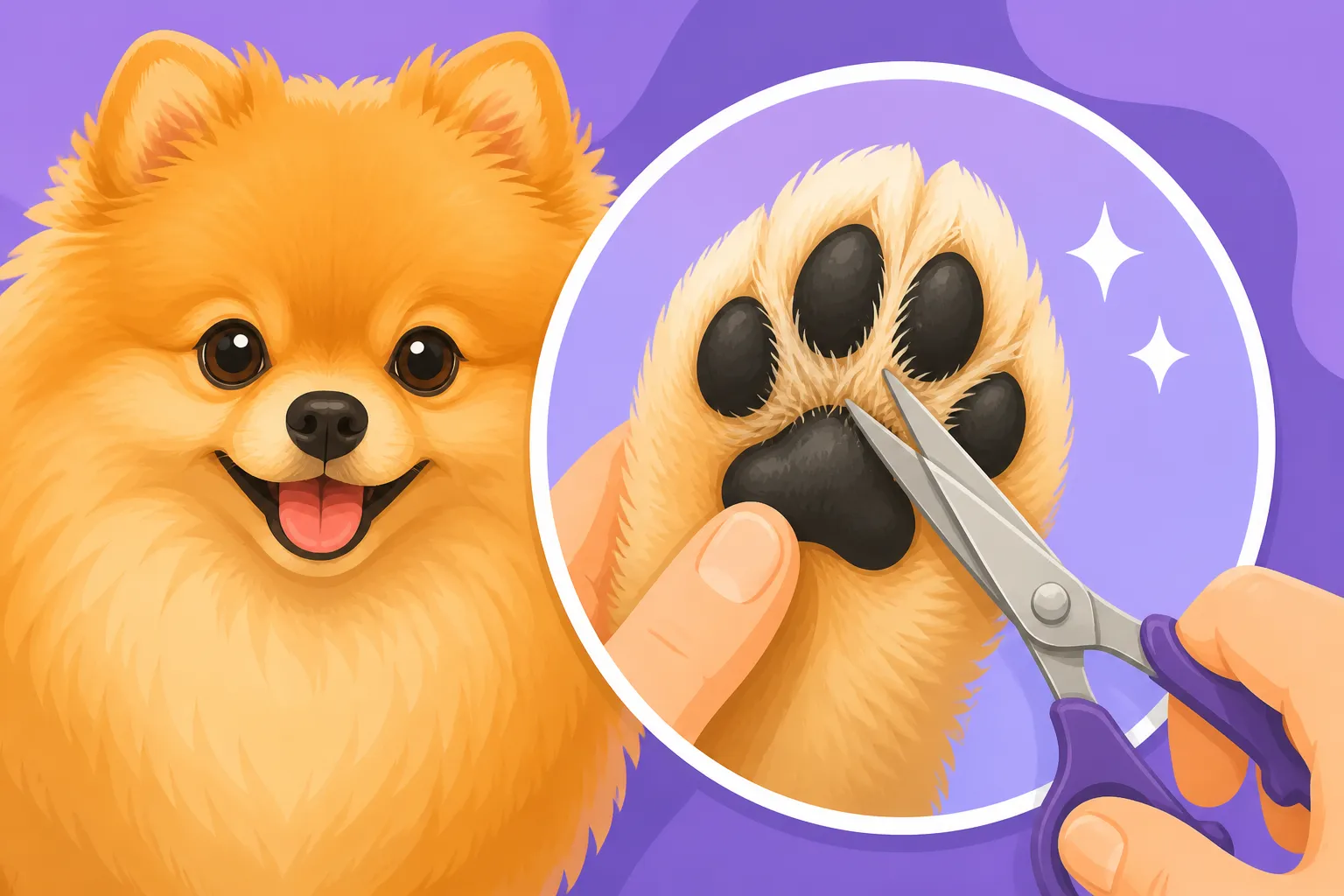
- Spread the Toes: With your thumb and forefinger, gently spread two toes apart. This allows you to see the paw pad clearly and isolates the fur you need to trim.
- Trim Carefully: Using your blunt-nosed scissors, carefully trim the fur so it is flush with the surface of the paw pads. Always point the scissors away from the paw pad, or parallel to it, never directly into the pad itself. Only cut small amounts of hair at a time. The goal is to remove the excess fur that protrudes past the pads, creating a neat "cat foot" look that allows for maximum traction.
- Repeat: Move from one toe to the next, spreading, trimming, and repeating the process until all four paws are done. Be especially careful around the dewclaws if your Pomeranian has them, as they can easily get in the way.
Using Clippers:
- Select the Right Blade: Use a small, quiet clipper with a #10 or #15 blade. These blades provide a close, but safe, cut for paw pads.
- Hold and Spread: Just like with scissors, securely hold the paw and gently spread the toes to expose the paw pads and the fur between them.
- Glide the Clipper: With the clipper running, gently glide it over the fur between the pads, moving in the direction of hair growth. You want to trim the fur down so it is level with the paw pads.
- Be Gentle: Avoid pressing too hard or rushing. Let the clippers do the work. The small size of the clippers makes it easier to navigate the contours of the paw.
- Check for Heat: If using clippers for an extended period, periodically check the blade for heat, especially if it's an older model or a professional-grade one. A hot blade can burn your Pomeranian's sensitive skin.
Regardless of your chosen tool, remember that the skin between a Pomeranian's paw pads is very thin and delicate. Work slowly, take breaks if your Pom gets antsy, and always keep your movements controlled and deliberate.
Finishing Touches and Aftercare
Once you've trimmed all the fur between the paw pads, take a moment to double-check your work. Gently lift each paw again, spread the toes, and ensure there are no lingering long tufts that you missed. The ideal outcome is fur that is neatly trimmed and flush with the paw pads, allowing the pads to make full contact with the ground.
After the trim, it's time for some positive reinforcement! Lavish your Pomeranian with praise, cuddles, and their favorite treats. This helps solidify the idea that paw trims are a good experience. You can also give their paws a final quick wipe to remove any loose hairs. While not directly related to paw pad trimming, keeping an eye on their nails is also part of overall paw health. For more detailed nail care advice, see How Often a Pomeranian's Nails Grow Back.
How often you need to trim your Pomeranian's paw fur will depend on how quickly their individual fur grows. For some Poms, this might be every 3-4 weeks, while others might only need it every 6-8 weeks. Regular inspection will tell you when it's time for another trim, and making it a routine part of their grooming schedule will keep them comfortable and safe year-round.
Common Pitfalls and Troubleshooting Your Paw Grooming Sessions
Even with the best intentions and the right tools, grooming can sometimes present challenges. It's completely normal to encounter a few bumps in the road, especially when you're first starting out. Understanding these common issues and knowing how to troubleshoot them can save you a lot of frustration and keep your Pomeranian feeling positive about their paw care.
Dealing with a Wiggly Pomeranian
Let's be honest, getting a small, energetic Pomeranian to sit perfectly still for any length of time can feel like trying to nail jelly to a wall. If your Pom is particularly wiggly, it's one of the biggest challenges during a paw trim. The key is to start with very short sessions. Don't aim to get all four paws done in one go if your dog is stressed. Instead, try trimming just one paw, or even just the fur between two toes, and then give them a break, a treat, and some praise. You can always come back later to finish the job.
Another strategy is to enlist a helper. One person can gently hold and distract the Pomeranian with treats or praise, while the other focuses on the trimming. Make sure the grip is firm but gentle; you don't want to hurt them, but you also need to ensure they can't suddenly pull away and cause an accidental injury. Sometimes, a "lick mat" smeared with a little peanut butter or pureed pumpkin can be an excellent distraction, keeping their attention focused elsewhere while you work. Remember, patience is your superpower here. If you find your Pom gets really stressed during examinations, you might want to read Getting a Pomeranian Through an Exam Calmly.
Avoiding Cuts and Irritation
The biggest fear for many owners is accidentally cutting their Pomeranian's delicate paw pads or skin. This is why blunt-nosed, safety-tipped scissors are highly recommended. When using clippers, always ensure the blade is clean and sharp, as a dull blade can pull the hair and cause discomfort or irritation. The skin between the paw pads is thin and can be very difficult to see under dense fur, especially on darker-pigmented paws.
To minimize the risk of cuts, always work in a well-lit area. Spread the toes wide enough to clearly see the paw pad and the surrounding skin. Always point your trimming tool away from the pad. If using scissors, use only the very tips of the blades and make small snips. If using clippers, always keep the blade parallel to the paw pad, never angling it into the skin. If, despite your best efforts, a small nick does occur, immediately apply styptic powder to the wound. It helps to stop bleeding quickly. If the cut is deep or bleeding doesn't stop, it's time for a vet visit.
When to Call a Professional Groomer
There's absolutely no shame in admitting that some grooming tasks are just too difficult or stressful to do at home. If your Pomeranian is extremely resistant, anxious, or aggressive during paw handling, or if you simply don't feel confident in your ability to trim their fur safely, a professional groomer is an excellent resource. These experts have specialized tools, experience with difficult dogs, and the skills to perform the task quickly and safely.
A professional groomer can often get the job done more efficiently and effectively than you might be able to at home, thanks to their training and equipment. They can also offer advice and tips for future at-home maintenance. Don't hesitate to reach out to a local groomer or your veterinarian for recommendations. While there is a cost associated with professional grooming – The 60 to 90 Dollar Pomeranian Grooming Appointment is a general guideline – it's a worthwhile investment for your Pomeranian's comfort and safety. Many full grooming packages, like those mentioned in What a Full Pomeranian Groom Includes, will automatically take care of paw pad trims as part of the service.
| Feature | Scissors (Blunt-Nosed/Safety) | Clippers (Small, Cordless) |
|---|---|---|
| Ease of Use | Good for beginners, requires a steady hand for precision. | Can be intimidating initially, but offers consistent results. |
| Precision | Excellent for small, targeted trims and shaping. | Good for even trims; can be harder for tiny, awkward tufts. |
| Safety Risk | Higher risk of accidental nicks if dog wiggles or hand slips. | Lower risk of cutting skin directly with proper blade, but can cause blade burns if hot. |
| Noise Level | Silent, less likely to startle anxious dogs. | Low hum, but some sensitive Poms may be bothered by the vibration. |
| Speed | Can be slower for dense fur or larger areas. | Generally faster for trimming larger paw pads. |
| Cost | Relatively inexpensive. | Initial investment is higher. |
| Maintenance | Keep sharp and clean. | Requires cleaning, oiling, and occasional blade replacement. |
Disclaimer
This article is for general informational purposes only and does not constitute professional advice. Laws, prices and regulations vary by location and change over time. Consult a qualified professional for guidance on your specific situation.