Dry Cracked Pads on a Pomeranian in January
January rolls around, and suddenly you notice your adorable Pomeranian doing a little dance on cold pavement, or worse, licking their paw pads obsessively. When you check, you find them dry, rough, and sometimes even cracked – it's a frustrating, common problem for our little fur babies during the coldest months, and it can quickly lead to discomfort or even pain. This guide is all about understanding why your Pomeranian's delicate paw pads suffer so much in the cold, how to recognize the signs of trouble, and most importantly, how to prevent and soothe those painful dry, cracked pads to keep your little fluffball happy and healthy through winter.
The Winter Gauntlet: Why Pomeranian Paws Suffer in January
Our Pomeranians might look like little snow bunnies with their magnificent double coats, but their paw pads are surprisingly vulnerable to the harsh realities of winter. January, with its biting cold, ice, and often chemical-laden pavements, creates a perfect storm for dry and cracked paws. It’s not just the temperature drop that's the culprit; there are multiple factors working against those tiny, delicate pads.
Exposure to Harsh Winter Elements
Think about what your Pomeranian's paws encounter every time they step outside in January. First, there’s the sheer cold. Prolonged contact with freezing temperatures can constrict blood vessels, reducing circulation to the paw pads and making them more susceptible to drying out. Then comes the ice and snow itself. While a fresh blanket of snow might look picturesque, the moisture, even from melting snow, can strip natural oils from the pads. As the snow melts and then refreezes, it can create sharp edges that cut delicate skin, making small abrasions that then dry out and crack.
But perhaps the biggest villain of all is the array of de-icing chemicals and rock salt scattered liberally on sidewalks, streets, and driveways. These substances are designed to melt ice, but they are incredibly corrosive and irritating to paw pads. Walking on salted pavement can cause immediate burning, redness, and dryness. If your Pomeranian licks their paws after a walk, they can also ingest these chemicals, leading to stomach upset or worse. It’s a constant battle to protect them from these environmental hazards when all they want to do is prance through the snow. This is why it's so important to be proactive, as we'll discuss when talking about Whether a Pomeranian Needs Boots in Winter.
Dry Indoor Air and Reduced Humidity
While the outdoors presents one set of challenges, our cozy indoor environments often contribute to the problem in a less obvious way. During winter, we crank up the heat, whether it's forced air, radiators, or wood-burning stoves. While this keeps us warm, it significantly dries out the air inside our homes. Just like our own skin, a Pomeranian’s paw pads can suffer from a lack of humidity. The constant exposure to dry indoor air pulls moisture from their skin, leaving their pads parched, stiff, and brittle.
Imagine going from a cold, damp, salty outdoor environment to a warm, desert-dry indoor one multiple times a day. This rapid change in conditions can be incredibly taxing on their paw pads, making them much more prone to cracking. It's a double whammy for their sensitive little feet, and often, owners don't even realize their comfortable home environment is actually contributing to their Pom's paw woes. You might think your Pom is cozy by the fire, but that dry heat is subtly drawing moisture from their vulnerable pads.
Spotting the Signs: Recognizing and Assessing Paw Pad Issues
It’s easy to miss subtle changes in your Pomeranian's paw pads, especially with all that gorgeous fur. But being vigilant and knowing what to look for can make all the difference in catching problems early, before they escalate into painful cracks or infections. Your Pom might try to hide their discomfort, but there are usually tell-tale signs if you pay close enough attention.
Visual Cues and Behavioral Changes
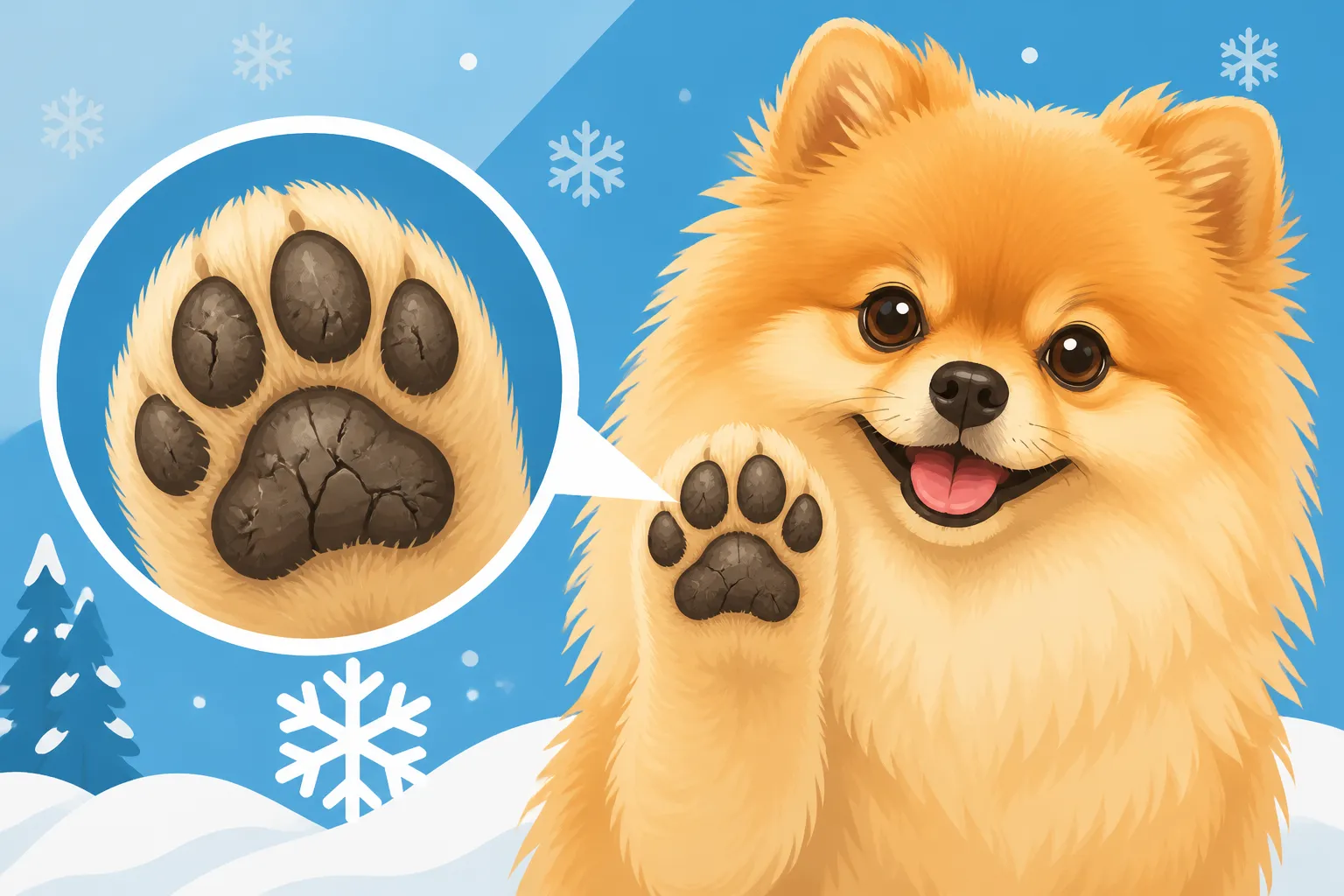
The first step in recognizing dry or cracked pads is a regular visual inspection. Take a moment each day, especially after walks, to gently examine all four paw pads. Look for any changes in texture – are they usually soft and supple, but now feel rough, hard, or scaly? You might notice small, superficial lines appearing, which are the early stages of cracking. The color might also change, appearing paler or even slightly reddish if irritation has begun. In more severe cases, you'll see deep fissures, sometimes bleeding, or even missing chunks of pad. You should also pay attention to the fur between their toes; if it's matted or dirty, it can hide underlying issues, which is why Trimming the Fur Between a Pomeranian's Toes is so important.
Beyond what you see, observe your Pomeranian's behavior. Are they licking, chewing, or biting at their paws more frequently? This is a huge red flag that something is bothering them. You might also notice them favoring a paw, limping slightly, or even refusing to walk or play as usual. On walks, they might hesitate on cold or rough surfaces, or lift their paws up frequently as if the ground is too uncomfortable. They might even try to sit down mid-walk, which is very unusual for an otherwise energetic Pom. Any deviation from their normal gait or activity level, combined with paw licking, warrants an immediate inspection.
Understanding Severity and When to Seek Veterinary Care
Paw pad issues can range from mild dryness to severe, infected cracks, and knowing the difference is key to appropriate treatment.
- Mild Dryness: The pads feel rough or slightly scaly, but there are no visible cracks or discomfort. Your Pom might lick them occasionally, but not obsessively. This is the time for preventative care.
- Moderate Dryness with Superficial Cracks: You might see fine lines or shallow cracks. Your Pom might be licking or chewing more consistently, and show some hesitation on walks. These require immediate moisturizing and protection.
- Deep Cracks or Fissures: These are visible, sometimes bleeding, and often quite painful. Your Pom will likely be limping, refusing to walk, and licking their paws relentlessly. This level of cracking carries a high risk of infection.
- Infection: If you notice swelling, redness, pus, a foul odor, or if the cracks are not healing despite your efforts, an infection has likely set in. Your Pom might also develop a fever or become lethargic.
For mild to moderate dryness and superficial cracks, home care is usually effective. However, if you see deep, bleeding cracks, signs of infection, or if your Pomeranian is in obvious pain, limping heavily, or refusing to bear weight, it’s absolutely time to call your veterinarian. These situations can quickly become serious, requiring prescription medications, antibiotics, or even specialized wound care. It's always better to be safe than sorry when it comes to your pet's comfort and health. Taking good care of Nails, Ears and Feet on a Toy Sized Pomeranian can prevent many of these serious issues.
Proactive Paw Protection: Keeping Those Little Pads Soft All Winter
The best defense is a good offense when it comes to protecting your Pomeranian's paw pads in winter. Rather than waiting for cracks to appear, adopting a consistent routine of preventative care can save both you and your Pom a lot of heartache (and veterinary bills!). There are several practical strategies you can employ, from physical barriers to moisturizing balms.
Winter Footwear and Barriers
One of the most direct ways to protect your Pomeranian's paws from cold, ice, salt, and chemicals is with protective footwear. Dog boots or booties act as a physical barrier, shielding their delicate pads from all the harsh elements. When choosing boots for a Pomeranian, look for ones that are lightweight, flexible, and have a good grip. It can be a challenge to find a size that fits their tiny feet without slipping off, so be prepared to try a few different brands. Many online retailers like Chewy and Amazon offer a wide range of options, often with customer reviews that can guide you on sizing for small breeds.
Introducing boots might require some patience; most dogs aren't thrilled about wearing shoes at first. Start slowly, letting them wear one boot for a few minutes indoors, gradually increasing the time and number of boots. Reward them heavily with treats and praise to create a positive association. Once they're comfortable, the boots can be a lifesaver, especially if you live in an area with heavy snow or salt use. They also help prevent issues like Ice Balling Up in a Pomeranian's Foot Feathering, which can be very uncomfortable.
Beyond boots, consider using a paw wax or balm as a barrier. Products like Musher's Secret or paw balms specifically designed for protection create a breathable, wax-like coating on the pads. This acts as an invisible shield against harsh surfaces, moisture, and chemicals. Apply it generously before each walk and reapply as needed. These balms also offer a layer of moisture, which is crucial.
Moisturizing and Routine Care
Even with boots, moisturizing is key. Just like our hands get dry in winter, your Pom's pads need external hydration. A good quality paw balm, formulated for dogs, should be applied regularly – ideally before bed or when your Pom is settled and less likely to lick it off immediately. Look for balms with natural ingredients like shea butter, coconut oil, beeswax, or vitamin E. Many reputable pet supply brands offer these, and you can easily find them on Chewy or Amazon.
Beyond balms, consistent hygiene after walks is crucial. After every outdoor excursion, gently wipe your Pomeranian's paws with a warm, damp cloth. This removes any salt, chemicals, ice melt, or dirt that could irritate or dry out their pads. You can even use pet-safe paw wipes, many of which contain soothing and moisturizing ingredients. For high-quality, gentle wipes, some owners even swear by the quality of ingredients found in fresh food companies like Ollie, adapting their focus on natural care to paw hygiene. Drying their paws thoroughly afterwards is just as important to prevent chapping.
Regular checks of their paw pads, combined with nail trims and keeping the fur between their pads tidy, are all part of comprehensive paw care. Long fur between the pads can collect snow, ice, and debris, leading to irritation and matting. Keeping it trimmed short exposes the pads, allowing you to clean and inspect them more easily, and prevents painful ice balls from forming. This is part of the larger The Grooming Schedule a Pomeranian Runs On that all Pomeranian owners need to maintain.
Here's a quick comparison of popular paw protection methods:
| Method | Pros | Cons | Best Use |
|---|---|---|---|
| Dog Boots | Excellent physical barrier | Training required, can be cumbersome | Heavy snow, ice, salted pavement |
| Paw Wax/Balm | Easy to apply, natural barrier | Needs frequent reapplication, less durable | Mild cold, light snow, light salt |
| Paw Wipes | Quick cleaning, removes irritants | No physical barrier, purely post-walk | After every walk, light dirt, minor irritants |
| Moisturizing Balm | Hydrates, soothes, prevents dryness | Can be licked off, not a barrier | Daily maintenance, pre-bedtime application |
Environmental Adjustments Indoors
Don't forget about your indoor environment! As we discussed, dry indoor air can contribute significantly to paw pad dehydration. Investing in a humidifier, especially in the rooms where your Pomeranian spends most of their time or sleeps, can make a noticeable difference. By increasing the moisture in the air, you help prevent your Pom's skin and paw pads from drying out.
Also, be mindful of overly hot surfaces indoors. While not a January specific issue, extreme temperatures, whether hot or cold, can harm pads. For example, leaving your Pomeranian on a very hot heating vent or too close to a roaring fire for extended periods could contribute to dryness, similar to how The Pavement Temperature That Burns a Pomeranian in summer. Ensure they have access to comfortable, temperature-neutral resting spots.
Soothing and Healing Cracked Pads: When Cracks Appear and What to Do
Despite your best efforts, sometimes those stubborn cracks still appear. When they do, it's important to act quickly and provide proper care to prevent further discomfort, infection, and to promote healing. Dealing with cracked pads requires a gentle touch and a consistent approach.
Gentle Cleaning and Soothing Treatments
Once you've spotted a crack, the first step is always to ensure the area is clean. Gently wash your Pomeranian's paws with warm water and a mild, pet-safe soap (or just plain warm water if the crack is superficial). Pat them completely dry with a soft towel. Make sure to get between the toes and pads where moisture can hide.
After cleaning and drying, apply a soothing, moisturizing paw balm. Look for formulations specifically designed to heal and protect, often containing ingredients like calendula, aloe vera, or lanolin, in addition to the base oils and waxes. Gently massage the balm into the cracked pads. This helps to soften the hardened skin, reduce pain, and encourage healing. Some balms also have antiseptic properties to ward off infection.
For very minor, non-bleeding cracks, you can repeat this process a couple of times a day. If your Pom tries to lick off the balm, you might need to use a soft, loose bootie or an Elizabethan collar for a short period after application to allow the balm to absorb. You should also continue to wipe their paws after every outdoor walk, even if you are using boots, just to be sure no irritants made it to the pads.
Protecting While Healing
While the pads are healing, continued protection is paramount. This means making sure your Pomeranian wears their boots every time they go outside, without fail. The boots will shield the tender, healing skin from further irritation, cold, and chemicals. If your Pom is reluctant to wear boots, consider reducing the length of their outdoor excursions during the healing period, or opt for walks only in areas you know are free of salt and ice melt.
Indoors, keep their resting areas clean and soft. Avoid rough surfaces or carpets that might rub against the healing pads. If your Pom is very active indoors, consider using temporary booties or soft socks to prevent them from irritating the cracks further, especially if they like to jump or skid on hard floors. Remember, consistency in protection, along with soothing applications, will speed up the healing process and get your little one back to their happy, comfortable self.
In general, taking good care of your Pomeranian's feet and nails, as discussed in articles like How Often a Pomeranian's Nails Grow Back, is an ongoing commitment. By being proactive and attentive, you can help your Pom avoid the painful reality of dry, cracked pads in January and enjoy the winter wonderland safely.
Disclaimer
This article is for general informational purposes only and does not constitute professional advice. Laws, prices and regulations vary by location and change over time. Consult a qualified professional for guidance on your specific situation.