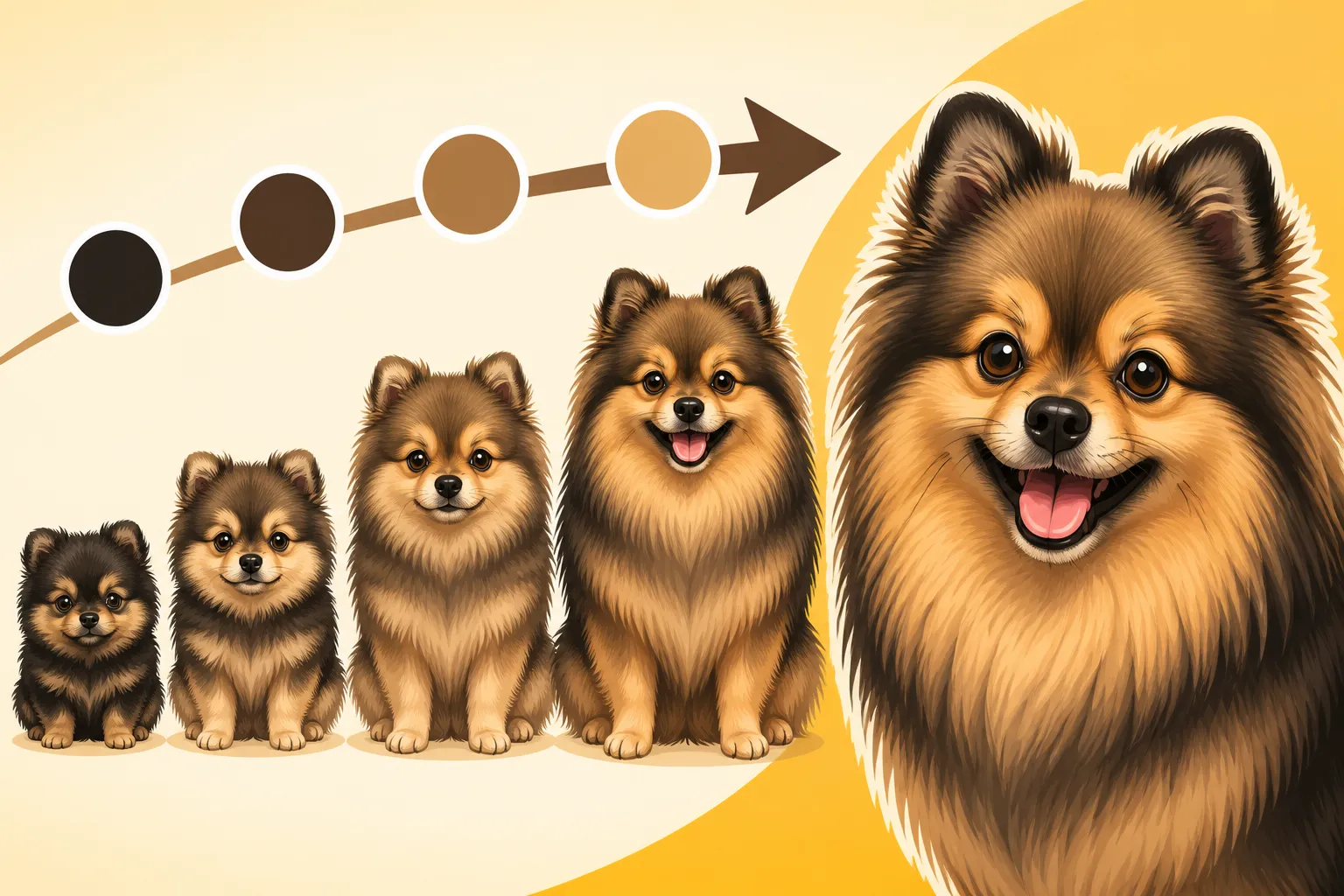
How a Sable Pomeranian’s Coat Changes With Age
It's a common surprise for new Pomeranian owners: their fluffy puppy's gorgeous coat isn't static, especially if it's a beautiful sable. You might fall in love with a specific shade of fawn or red on a tiny pup, only to see it shift and evolve dramatically over the first couple of years, leaving you wondering if your dog is even the same color. This guide will walk you through the fascinating journey of a sable Pomeranian's coat, from puppyhood to old age, explaining what to expect and why these enchanting changes occur.
Understanding the Unique Character of a Sable Pomeranian's Coat
Sable is one of the most dynamic and beautiful color patterns in the Pomeranian breed, often leading to the most noticeable and sometimes perplexing coat transformations. If you’ve ever looked at a tiny sable Pomeranian puppy and then seen an adult sable, you might be surprised at how different they appear. This isn't unusual; it's part of the magic of owning one of these vibrant little dogs.
What Exactly Makes a Pomeranian "Sable"?
At its heart, a sable Pomeranian's coat isn't just one solid color; it's a masterful blend of shades, creating a unique depth and richness. The defining characteristic of a sable coat is that each individual hair strand is not a single color from root to tip. Instead, the hair is banded with different colors, usually a lighter base color with black tips. Imagine a tiny paintbrush stroke, where the bottom is a light cream or orange, and the very tip is dipped in black. When hundreds of thousands of these hairs make up a coat, the overall effect is a stunning, often iridescent, blend.
The base colors can vary widely, from cream and fawn to a rich orange or deep red. The black tipping can range from very subtle, giving the dog a smoky or dusty appearance, to very pronounced, creating a striking contrast that can almost make the dog look like a different color entirely. This intricate banding is what gives sable Pomeranians their distinctive depth and often appears to change with light, movement, or even just as the dog ages. It's truly a complex and beautiful pattern that showcases The Guard Hair and Undercoat of a Pomeranian in all its glory.
The Genetic Blueprint Behind the Shifting Shades
The science behind a sable coat is all in the genetics, specifically the agouti gene series. Without diving too deep into complex canine genetics, essentially, the genes controlling coat color tell each hair follicle what pigments to produce and where to place them along the hair shaft. In sable Pomeranians, a specific genetic combination leads to this banding effect. What makes it so fascinating and, let's be honest, sometimes a little confusing for us owners, is that these genetic instructions don't always fully express themselves immediately.
A puppy's coat is often just a preview. As they mature, their adult coat comes in, and the full genetic expression of their sable pattern truly emerges. This can mean a lot more black tipping, less black tipping, or a complete shift in the underlying base color. For example, a "wolf sable" Pomeranian will often have a greyish or silvery undercoat with black guard hairs, mimicking the appearance of a wild wolf, while an "orange sable" might have a vibrant orange base with fewer black tips, giving it a toasted marshmallow look. The genetics also influence Whether a Pomeranian's Adult Color Changes, which for sables, is almost a guarantee! Understanding that this is a natural, genetically programmed process can help ease any worries you might have about your dog's coat "changing." It's not changing; it's simply fulfilling its destiny.
The Fascinating Journey: Sable Coat Changes from Puppyhood to Adulthood
One of the most talked-about aspects of Pomeranian ownership, particularly with sables, is the incredible transformation their coat undergoes. It’s like watching a living canvas evolve right before your eyes, and it’s completely normal, even if it can be a bit bewildering at first.
Navigating the "Puppy Uglies" Phase
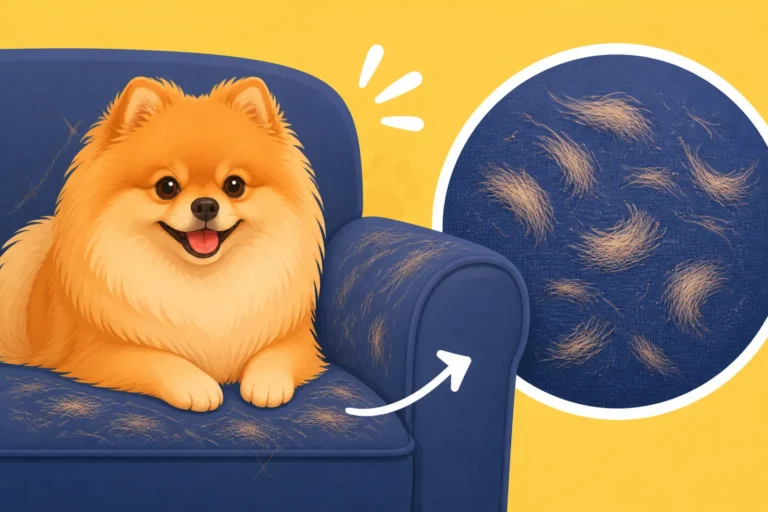
Ah, the infamous "puppy uglies." If you've been around Pomeranian owners for any length of time, you've probably heard this term. It sounds harsh, but it's a very real, and very temporary, stage in a Pomeranian puppy's development, especially for sables. This phase typically kicks in around 3 to 6 months of age, and it involves a significant shedding of the soft, fluffy puppy coat. During this time, your adorable, perfectly round fluff-ball might start to look a bit… scraggly. The coat can become sparse, uneven, and the beautiful sable pattern you admired might appear faded or patchy. You might even see more of the underlying skin.
It’s easy to panic during the puppy uglies, thinking something is wrong or that your dog's gorgeous coat is never coming back. But rest assured, this is a completely natural part of their growth. The puppy coat is making way for the denser, more mature double coat that Pomeranians are famous for. For sable puppies, this means the banding of color on their new guard hairs will begin to emerge more clearly. This is when you'll really start to see the true depth of their adult sable color develop. Patience is key here; regular, gentle grooming can help manage the shedding, but mostly, it’s a waiting game. You can learn more about The Coat Blow and the Pomeranian Puppy Uglies in another one of our articles.
The Gradual Unveiling of Adult Color
After the puppy uglies, usually between 6 and 18 months, your sable Pomeranian's adult coat will start to grow in with renewed vigor. This is where the true magic happens, as the full, rich sable pattern begins to unveil itself. What was once a light cream sable puppy might transform into a striking orange sable with pronounced black tips. A very dark, almost black-looking sable puppy might lighten considerably, revealing a beautiful wolf sable or even a chocolate sable base.
The guard hairs, which are the longer, coarser outer hairs, will grow in with their distinctive color banding. The soft, dense undercoat will also develop, providing that iconic fluffy "stand-off" appearance. You’ll notice the color becoming more consistent and vibrant across the entire body, especially on the ruff around the neck and the plume of the tail. This period of gradual change is fascinating to observe. Each week brings subtle shifts, and you’ll start to see the full potential of your sable's coat emerging. It’s a testament to the dynamic nature of their genetic makeup.
Stabilization and Subtle Shifts in Maturity
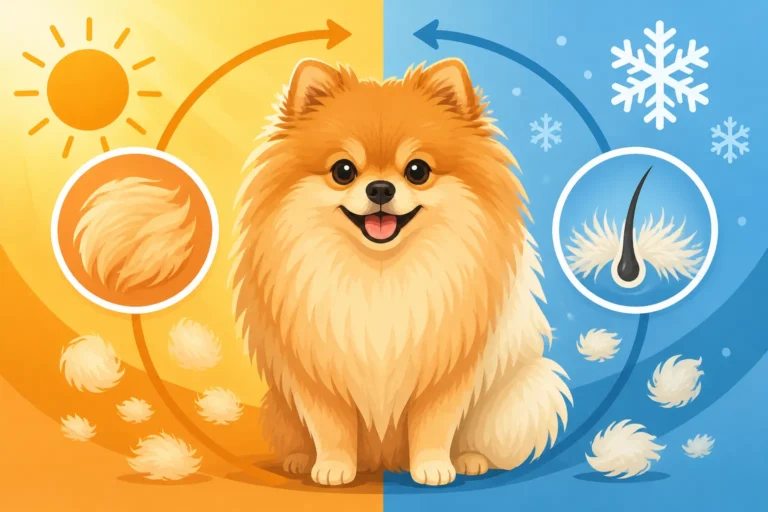
Once your Pomeranian reaches full adulthood, typically around 18 months to two years, their sable coat will largely stabilize. This doesn't mean it's entirely static, but the dramatic shifts of puppyhood will be behind them. At this point, the true depth and vibrancy of their sable color will be evident. However, even in maturity, subtle changes can occur. For instance, the black tipping might slightly fade or become less prominent over many years, or the underlying base color could deepen or lighten with sun exposure or seasonal changes.
As your Pomeranian moves into its senior years, you might notice other changes, too. Just like people, older dogs can experience graying. This often appears first around the muzzle and eyes, but in some sables, it might subtly blend into the lighter areas of their coat. You might also notice The Age a Pomeranian's Coat Starts to Thin in some areas, which can affect the overall appearance of the sable pattern, making it seem less dense. This is a normal part of aging, and while the coat might not be as luxuriant as it was in its prime, with proper care, it can remain beautiful and healthy.
| Age | Typical Coat Appearance | Sable Color Changes |
|---|---|---|
| Newborn – 3 Months | Soft, fuzzy puppy coat | Often appears a solid, light base color (cream, fawn) with minimal or no visible black tipping. |
| 3 – 6 Months | "Puppy Uglies" phase | Shedding of puppy coat, patchy, uneven, sometimes sparse. Sable tips may become more apparent or seem to disappear temporarily. |
| 6 – 18 Months | Adult coat development | New, denser coat grows in. Sable tipping becomes more defined and widespread. Base color deepens or lightens to its adult shade. |
| 18 Months – 7 Years | Mature adult coat | Color stabilizes, rich and vibrant. Minor seasonal variations or sun-induced lightening/darkening may occur. |
| 7+ Years (Senior) | Aging coat | Subtle graying around muzzle/eyes. Coat density might decrease, and overall color might appear slightly duller or lighter. |
Beyond Genetics: Other Influences on a Sable Pomeranian's Coat
While genetics lay the foundation for a sable Pomeranian's coat and its natural progression, other factors play a significant role in its health, vibrancy, and even its appearance over time. Understanding these influences can help you ensure your Pomeranian's coat remains as stunning as possible.
The Impact of Nutrition and Overall Health
What goes into your Pomeranian's bowl directly impacts the luster and strength of their coat. A high-quality diet, rich in essential fatty acids (like Omega-3 and Omega-6), vitamins, and minerals, is absolutely crucial for a healthy coat and skin. A dull, dry, or brittle coat, or one that seems to lose its vibrancy prematurely, can often be a sign of nutritional deficiencies. Brands like Ollie, known for their fresh, human-grade ingredients, can provide excellent nutritional support that often manifests in a healthier, shinier coat. Similarly, many reputable kibble brands offer formulas specifically designed for small breeds, ensuring they get all the necessary nutrients.
Beyond diet, your Pomeranian's overall health plays a massive role. Skin conditions, allergies, hormonal imbalances (like thyroid issues), and even internal parasites can all negatively impact coat quality and growth. If your sable's coat suddenly changes drastically, beyond the normal puppy transitions or aging, or if you notice excessive shedding, patchiness, or dullness, it's always wise to consult your veterinarian. They can rule out underlying health issues that might be affecting The Protein a Pomeranian's Coat Needs to thrive.
Environmental Factors and Grooming Practices
The world outside your door and the care you provide directly affect your sable Pomeranian's coat. Sun exposure, for instance, can cause the lighter areas of a sable coat to lighten further, almost like hair bleaching. Conversely, prolonged periods indoors or in dimmer light might cause some of the richer tones to deepen. Humidity levels can also influence coat texture and manageability.
However, the most significant external factor is your grooming routine. Pomeranians, especially sables with their complex double coats, require consistent and correct grooming. Daily or every-other-day brushing is essential to prevent mats, distribute natural oils, and remove loose hair and dander. Using a slicker brush and a metal comb, like those found on Amazon or Chewy, is vital for getting down to the undercoat. Improper brushing, or neglecting grooming, can lead to painful mats that pull on the skin, and can even cause coat damage that affects its appearance and health.
Regular bathing with appropriate shampoos and conditioners for double-coated breeds helps keep the skin and coat clean without stripping natural oils. However, too frequent bathing can dry out the skin, while too infrequent can lead to buildup. It’s a balance. Knowing How Rarely a Pomeranian's Coat Should Be Washed is important for maintaining its natural oils and health. Furthermore, understanding what Trims a Pomeranian Can Safely Have is crucial. Shaving a Pomeranian, especially a sable, can permanently damage the unique double coat, potentially altering its color and texture permanently.
Caring for Your Sable Pomeranian's Ever-Evolving Coat
Taking care of a sable Pomeranian's coat isn't just about aesthetics; it's about their comfort, health, and well-being. A well-maintained coat keeps them insulated, protects their skin, and contributes to their overall vitality.
Essential Grooming to Support Coat Health
Grooming a sable Pomeranian requires dedication, but it's a wonderful bonding experience and crucial for their health. Start young to get your puppy used to the routine. The double coat needs to be brushed thoroughly, ideally every day or at least every other day, to prevent matting and remove loose hair. A good slicker brush and a metal comb with both fine and wide teeth are your best friends. You need to brush Working a Pomeranian's Coat in Sections to the Skin, ensuring you get through both the guard hairs and the dense undercoat. Pay special attention to areas prone to matting, such as behind the ears, under the armpits, and around the britches (the fluffy fur on their hindquarters).
Bathing should be done every 2-4 weeks, depending on how dirty your dog gets. Use a high-quality shampoo and conditioner designed for dogs, preferably one that won't strip their natural oils or flatten their voluminous coat. After bathing, gently towel dry, then use a low-heat blow dryer while brushing to ensure the undercoat is completely dry and fluffed. This also helps to prevent hot spots and matting. Beyond regular brushing and bathing, routine nail trims and ear cleaning are also important parts of their overall grooming regimen.
Nutritional Support for a Vibrant Coat
As we touched on earlier, diet is foundational. For a sable Pomeranian, ensuring they receive a diet rich in essential nutrients is paramount for maintaining their coat's unique color and texture. Look for foods that list a high-quality animal protein as the first ingredient. Omega-3 and Omega-6 fatty acids are particularly beneficial for skin and coat health, often found in ingredients like fish oil, flaxseed, or salmon. You can also supplement these through specific products available at pet stores or online retailers like Chewy or Amazon.
Sometimes, despite a good diet, a Pomeranian might benefit from additional Supplements That Support a Pomeranian's Skin and coat. Biotin, zinc, and vitamin E are all known to play roles in skin and hair health. Always consult your veterinarian before adding supplements to ensure they are appropriate for your specific dog's needs and won't interfere with any other medications or conditions. Remember, consistent access to fresh, clean water is also vital for hydration, which impacts skin and coat health from the inside out.
When to Consult Your Veterinarian About Coat Changes
While many coat changes in sable Pomeranians are normal, particularly during puppyhood and as they age, there are times when a change might signal an underlying health issue. If you notice any of the following, it’s always best to consult your veterinarian:
- Sudden, excessive, or unexplained hair loss: Beyond normal shedding or the "puppy uglies," sudden bald patches or very rapid thinning can indicate problems like allergies, parasites, fungal infections, or hormonal imbalances.
- Dull, brittle, or dry coat: While diet plays a role, if a coat suddenly loses its luster despite good nutrition, it could be a sign of an internal health issue.
- Skin irritation: Redness, itching, flakes, or sores on the skin beneath the coat are always cause for concern and need veterinary attention.
- Changes in color that seem unusual: While sable coats change, a complete and rapid shift to a very different color, or patchy discoloration that isn't typical for a sable, might warrant a check-up.
- No new growth after the puppy uglies: If your Pomeranian goes through the puppy uglies and their adult coat simply doesn't seem to grow back properly, it could indicate a condition like Alopecia X (Black Skin Disease), which is common in Pomeranians.
Your vet can perform diagnostic tests to rule out medical causes and help you develop a plan to support your Pomeranian's coat health. Sometimes, simple dietary adjustments or medical treatments can make a world of difference.
Disclaimer
This article is for general informational purposes only and does not constitute professional advice. Laws, prices and regulations vary by location and change over time. Consult a qualified professional for guidance on your specific situation.