Whether a Pomeranian’s Adult Color Changes
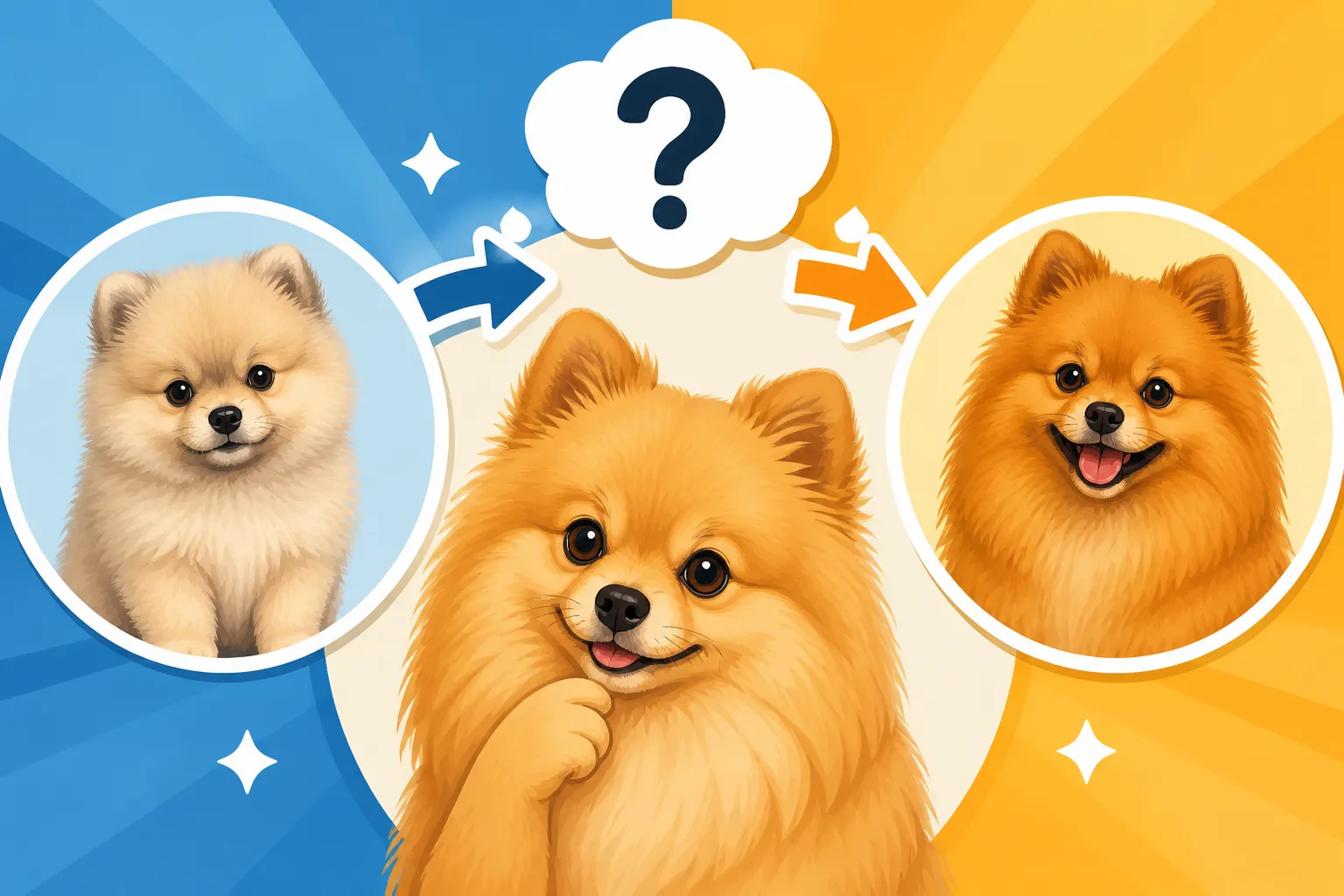
It's a common question among Pomeranian owners, especially first-timers, to wonder if that fluffy, often surprising, puppy coat will actually be the same color as their adult dog. Many of us have brought home a tiny, adorable puffball only to watch its fur transform in ways we didn't quite expect. The truth is, a Pomeranian's adult color can indeed change significantly from its puppy hues, and understanding these transformations is part of the fun – and sometimes the mystery – of raising one of these magnificent little dogs.
The Transformative Journey of the Pomeranian Puppy Coat
Bringing home a Pomeranian puppy is like getting a surprise package. That soft, often muted or even seemingly 'plain' puppy coat is rarely the final masterpiece. What you see at eight weeks isn't necessarily what you'll get at two years old. This initial change is one of the most dramatic coat transformations in the canine world, and it's something every prospective or current Pom parent needs to be prepared for.
Understanding the "Puppy Uglies" Phenomenon
The most significant period of color and coat change in a Pomeranian is famously (or infamously!) known as the "puppy uglies." This isn't a slight on their cuteness, but rather a frank description of the awkward phase they go through as their magnificent double coat develops. It typically begins around 3 to 4 months of age and can last until they are 8 to 10 months, or even a year old. During this time, the soft, fluffy puppy coat is shed, often in uneven patches, and is replaced by the denser, coarser, and often more vibrant adult guard hairs and thick undercoat.
Imagine bringing home a sweet, pale cream puppy, only to watch it look a bit scraggly and uneven for months, with patches of new, richer cream fur starting to emerge. Or perhaps you had a black puppy that suddenly seemed to be growing in brown undertones. This shedding and regrowth process is entirely normal, albeit a bit messy and sometimes startling for owners who aren't expecting it. It's during this phase that the true color genes really start to express themselves. The undercoat often develops a different shade than the outer guard hairs, adding depth and dimension that wasn't visible in the single-layered puppy fur. We've gone into more detail on this natural process in The Coat Blow and the Pomeranian Puppy Uglies.
The Gradual Revelation of True Adult Color
While the "puppy uglies" marks the most noticeable period of transformation, the full adult color and coat density don't magically appear overnight. It's a gradual process that continues long after the initial shedding phase. You might find that the color continues to deepen or lighten subtly well into their second year, and sometimes even beyond. Think of it like a beautiful painting slowly being revealed stroke by stroke.
For many Pomeranians, the true richness and depth of their color, especially in shades like orange, red, or sable, won't be fully realized until they are closer to 18 months or even two years old. The guard hairs, which are the longer, stiffer hairs that give the Pomeranian its characteristic "stand-off" coat, often carry the most intense color. These hairs take time to grow to their full length and density, and as they do, they can dramatically alter the overall appearance of your dog's hue. It's why patience is truly a virtue when waiting to see your Pomeranian's final color. If you're curious about what to expect during this period, you might find our guide What a Pomeranian Puppy's Coat Looks Like at Six Months helpful. The complete development of their luxurious coat is a journey, and we explore the timeline further in The Age a Pomeranian's Coat Fully Comes In.
Genetic Determinants and Specific Color Evolution
The ultimate color your Pomeranian will display as an adult is primarily hardwired into their genetics. While the puppy coat offers a hint, it's the specific combination of genes passed down from their parents that dictates their final, enduring shade. However, even with genetics setting the stage, different colors have unique ways of evolving as the dog matures.
Sable and Its Stunning Metamorphosis
Sable Pomeranians are perhaps the most famous for their dramatic color transformations. A sable puppy often appears much darker than its adult counterpart, frequently sporting a good deal of black tipping on its fur. Many owners of sable Poms have been genuinely surprised when their dark little puppy blossoms into a vibrant orange or red sable with only minimal black remaining.
What happens is that as the adult coat grows in, the black tips on the individual hairs, which are prominent in puppyhood, begin to recede. The underlying color of the hair shaft—whether it's orange, red, or cream—becomes more dominant. The amount of black tipping that remains will determine if the dog is a "clear sable" (very little black) or a "shaded sable" (more noticeable black guarding). It's a truly fascinating process to observe. Many a proud owner has brought home a black-looking puppy, only to discover it's actually a sable. For a deeper dive into this specific color's journey, check out How a Sable Pomeranian's Coat Changes With Age. We also explore how a black puppy can transition in How a Black Pomeranian Puppy Can Turn Sable.
Solid Colors and Their Subtle Shifts
For Pomeranians with solid coats—such as black, white, cream, orange, or red—the genetic foundation for their color is generally more straightforward, leading to less dramatic shifts than with sables. However, "less dramatic" doesn't mean "no change at all."
- Black Pomeranians: A true black Pomeranian should retain its rich, inky black color throughout its life, with minimal fading. However, sun exposure can sometimes cause a black coat to develop reddish or brownish highlights, giving it a "rusty" appearance. A good diet and proper coat care are essential to maintain that deep sheen.
- Orange and Red Pomeranians: These are some of the most popular colors, and often, orange puppies start out looking rather pale or even cream before their color develops. As they mature through the "puppy uglies," their orange or red pigmentation intensifies and becomes richer. The Orange Pomeranian and Why It Dominates explores this beautiful hue further.
- White and Cream Pomeranians: While these colors often stay true, cream coats might deepen slightly as they mature. White Pomeranians should remain pure white, though they can be prone to tear staining or staining from licking, which can affect the appearance of their color. Maintaining a pristine white coat is a commitment, as discussed in Whether a White Pomeranian Is Rare.
How Various Pomeranian Colors Change Over Time
To give you a clearer picture, here's a general overview of how different puppy coat colors tend to evolve into their adult shades:
| Puppy Coat Color | Typical Adult Coat Change | Notes |
|---|---|---|
| Black | Often stays true, can gain subtle brown/red hints in sun. | May appear 'rusty' if exposed to sun or poor diet. |
| Orange | Usually brightens and deepens, becoming richer. | Often starts duller as a puppy, then intensifies. |
| Sable | Black tipping recedes, base color brightens (orange, red, cream). | Most dramatic change, can look like a different dog entirely. |
| Cream | May lighten to near white, or deepen slightly to a richer cream. | Sometimes hard to differentiate from light orange puppies initially. |
| White | Stays white, but can be prone to staining around eyes/mouth. | Requires careful cleaning to maintain pristine color. |
| Red | Stays red, can intensify or fade slightly with prolonged sun. | A deeper, richer hue than orange, generally consistent. |
| Blue | Remains blue (a dilute black), but can fade or 'rust' in sun. | Often appears as a dark grey; can also be affected by health. |
| Chocolate | Remains chocolate, can vary in depth from light to dark brown. | May show some reddish tones in strong sunlight. |
| Parti-color | Base color (white) remains, patches retain their genetic color. | Color of patches will follow the rules of their specific hue (e.g., orange parti patches will brighten). |
Factors Beyond Genetics That Influence Coat Appearance
While genetics are the blueprint for your Pomeranian's color, other factors can influence how that color presents itself over their lifetime. These aren't true genetic changes to the underlying color, but rather environmental or health-related effects that can alter the appearance of their coat.
Environmental Impacts: Sun, Diet, and Grooming
Even the most genetically vibrant coat can look dull or altered if not cared for properly. Environmental factors play a significant role:
- Sun Exposure: Just like human hair, a Pomeranian's coat can be bleached by the sun. Poms with black, blue, or chocolate coats are particularly susceptible to this, often developing a reddish or brownish tint if they spend a lot of time outdoors without protection. An orange or red Pom might also see its vibrant hues lighten over time. While a little sun is healthy, prolonged exposure, especially for dogs with darker coats, can visibly alter their appearance.
- Diet and Nutrition: What goes into your Pomeranian's body shows on the outside, especially in their coat. A high-quality diet rich in essential fatty acids, vitamins, and minerals can contribute to a lustrous, vibrant coat. Conversely, a poor diet can lead to a dull, dry coat that might appear less vibrant or even faded. Many owners choose to supplement their Poms' diets with fish oil or other coat-specific nutrients to enhance shine and color. Brands like Ollie offer fresh, balanced meals that can contribute to overall coat health, while platforms like Chewy and Amazon provide a wide array of high-quality kibbles and supplements specifically formulated to support skin and coat health. We dive deeper into specific supplements in Whether a Pomeranian Needs Fish Oil for Its Coat.
- Grooming Practices: Regular brushing not only prevents mats but also distributes natural oils, which can enhance coat sheen and vibrancy. Improper bathing, using harsh shampoos, or failing to dry the coat thoroughly can strip essential oils, making the coat appear dull. A well-groomed Pomeranian with a healthy coat will always showcase its color more effectively than one with neglected fur.
Health Conditions and Age-Related Changes
Sometimes, changes in a Pomeranian's coat color or quality can signal underlying health issues or simply be a natural part of aging.
- Hypothyroidism: An underactive thyroid can sometimes lead to a dull, dry, and thinning coat, and in some cases, even a change in color or pigment loss. If you notice a significant decline in coat quality alongside other symptoms like lethargy or weight gain, it's always wise to consult your vet.
- Alopecia X (Black Skin Disease): This condition, where a Pomeranian loses patches of its coat, can sometimes be accompanied by hyperpigmentation (darkening) of the exposed skin. While not a color change of the fur itself, the visible skin can appear much darker, giving the impression of a color shift in the affected areas. It's a challenging condition, and more information can be found in Whether a Pomeranian's Coat Grows Back After Alopecia X.
- Aging and Graying: Just like people, Pomeranians can start to gray as they get older. This typically appears around the muzzle, eyes, and sometimes on the paws. While the overall body coat color usually remains, the appearance of white or gray hairs signals the graceful process of aging. This is a natural, irreversible change that simply adds character to our senior Poms. This phenomenon is discussed further in Whether an Old Pomeranian's Coat Thins Naturally and The Age a Pomeranian's Coat Starts to Thin.
- Medications: Certain medications can sometimes have side effects that include changes to coat texture or color, though this is less common for simple color alteration. Always discuss any noticeable coat changes with your veterinarian if your dog is on medication.
Understanding that a Pomeranian's coat can undergo significant changes, particularly during their transition from puppy to adult, is key to appreciating their unique beauty. While genetic color sets the stage, how you care for your Pomeranian, from the food you choose on Chewy or Ollie to the grooming tools you order from Amazon, can all play a role in maintaining the vibrancy and health of their stunning coat throughout their life.
Disclaimer
This article is for general informational purposes only and does not constitute professional advice. Laws, prices and regulations vary by location and change over time. Consult a qualified professional for guidance on your specific situation.