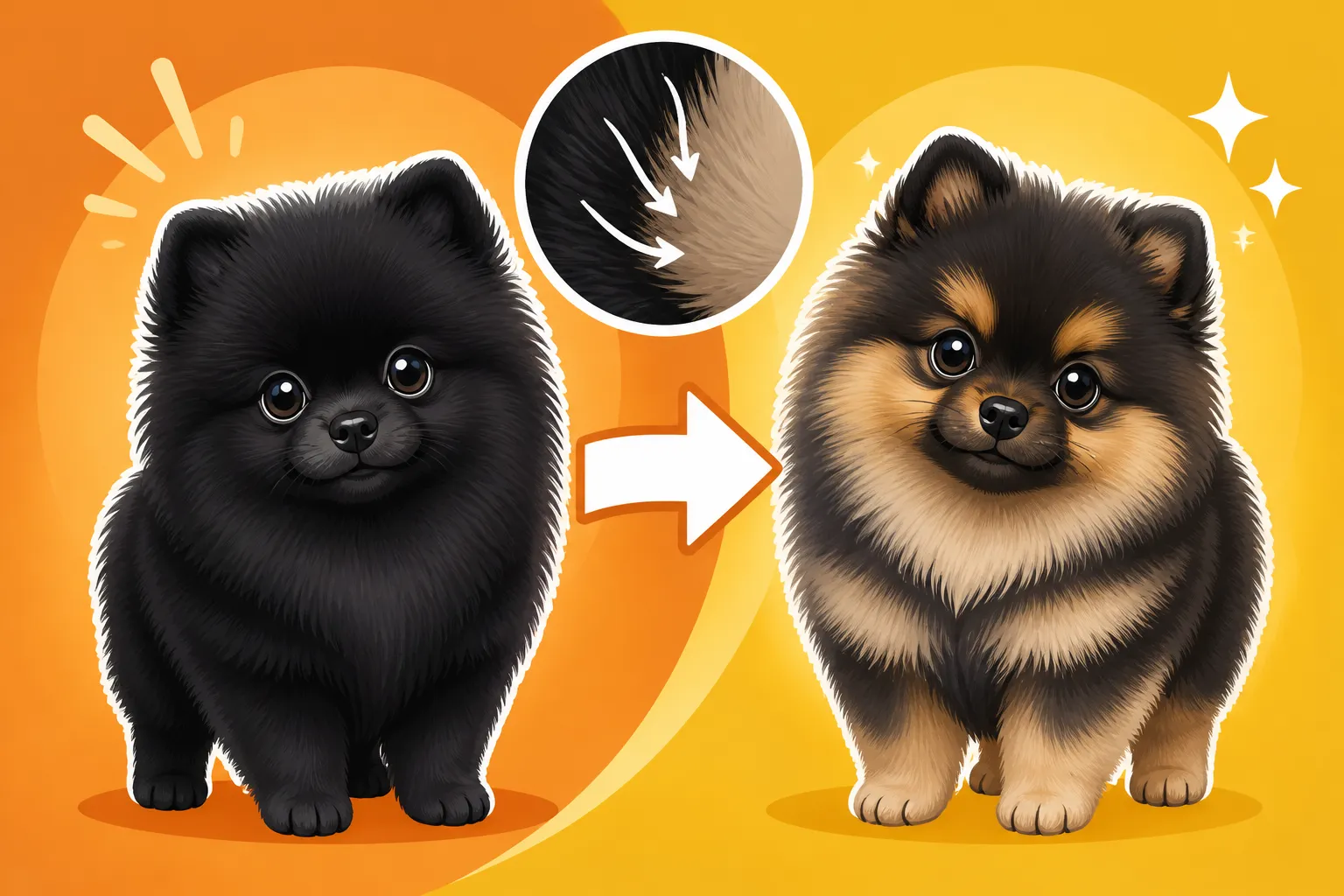
How a Black Pomeranian Puppy Can Turn Sable
Many first-time Pomeranian owners experience a unique kind of bewilderment when their adorable, perfectly black puppy starts developing lighter patches or reddish highlights. It’s a common scenario that can lead to confusion and questions about whether the puppy's true color was misidentified. This comprehensive guide will explore the fascinating genetic reasons behind why a black Pomeranian puppy can transform into a stunning sable, offering insights into this natural and often beautiful color evolution.
The Intriguing World of Pomeranian Coat Colors: Beyond Just Black
When you first lay eyes on a Pomeranian puppy, especially one with a striking solid black coat, you might assume that's the color it will remain forever. However, the world of Pomeranian coat genetics is far more intricate than just what meets the eye in those initial weeks. Many Poms carry hidden genetic blueprints that determine how their coat color will evolve, and what appears as a solid black can often be a prelude to a magnificent sable transformation. It’s like looking at a wrapped present; you know there’s something wonderful inside, but you won't see the full splendor until it's unwrapped.
The Genetics Behind Coat Color
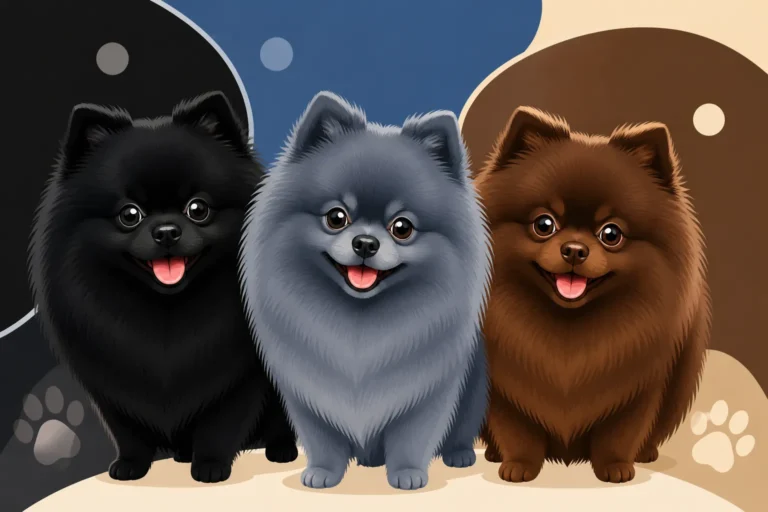
At the heart of every Pomeranian's coat color lies a complex interplay of genes. Two primary types of pigment are responsible for all dog colors: eumelanin, which is black pigment, and phaeomelanin, which produces red or yellow pigment. The expression of these pigments is controlled by various gene loci, with the "A-locus" (agouti series) being particularly important for sable patterns. For a puppy to appear black, it must carry dominant genes for black pigment at the K-locus (either Kk or KK), effectively masking any red/yellow pigment. However, if that black-presenting puppy also carries the Ay allele at the A-locus, it has the genetic potential for sable, even if it's not immediately visible. This means that while the black pigment is there, the way it’s distributed on each individual hair shaft is programmed for a shaded, multi-tonal effect rather than a uniform solid color.
Understanding these foundational genetics is key to not being surprised when your little soot sprite starts looking more like a sunset. It's not a flaw or a misrepresentation; it's simply the dog's genetic code unfolding. Many breeders can predict these changes based on the parentage, as they understand the genetic makeup passed down. They know that a puppy that appears solidly black can actually be a genetically very dark sable, and those genes will eventually express themselves as the dog matures.
Think of it like a base layer that can be painted over or interwoven with other hues as the coat develops. Even if the dog's default setting is "black," the sable gene acts like a special effect, dictating where that black appears on each hair. Instead of being solid from root to tip, the black might only be concentrated at the very ends, allowing lighter colors to show through closer to the skin. This sophisticated genetic programming makes Pomeranian coat colors so diverse and often provides delightful surprises for their owners. You can explore the full spectrum of possibilities by looking into Every Color a Pomeranian Comes In.
What "Sable" Truly Means in a Pomeranian
Sable isn't just a color in itself; it's a pattern of color distribution on individual hair shafts, resulting in a unique, shaded appearance. In a sable Pomeranian, each strand of hair typically has a lighter base color – which can be anything from cream, gold, or orange to a deeper red – with darker pigment, usually black, tipping the ends. This creates a beautiful, multi-dimensional effect that gives the coat depth and varying tones. Depending on the extent of the black tipping and the richness of the base color, sable can manifest in many different ways, from a very light cream sable with minimal black tips to a "wolf sable" which has such heavy black overlay that it can almost look black from a distance.
When we discuss a black puppy turning sable, we're talking about the emergence of this "tipping" as the puppy's primary, softer coat sheds out and the coarser, denser adult guard hairs grow in. The underlying lighter pigment on the hair shaft, which was obscured by the solid black puppy coat, begins to reveal itself, with the black pigment remaining primarily at the tips. This creates the characteristic shaded look that defines sable. It’s a striking transformation that often makes people marvel at the depth and complexity of the Pomeranian coat.
Imagine each hair strand as a tiny brushstroke. In a true black Pomeranian, that brushstroke is solid black from end to end. In a sable, it's like a gradient, starting light at the base and gradually becoming darker towards the tip. This makes the coat incredibly dynamic, especially in natural light. The way How a Sable Pomeranian's Coat Changes With Age describes these subtle shifts is really quite telling of the journey these coats take. It’s a visual treat to witness this pattern develop, and it's a testament to the intricate genetics that make each Pomeranian unique.
Primary Colors and Modifier Genes: The Mix Master
Pomeranian genetics are like a complex recipe, where the primary colors are your main ingredients and modifier genes are the spices that fine-tune the flavor. You have your foundational color genes, dictating whether the dog is predisposed to black, brown, red, or even white. But then, there are modifier genes that influence how those primary colors are expressed on the coat. For the sable pattern, the A-locus (agouti gene series) is incredibly influential. This gene determines how pigment is distributed along the hair shaft and is what creates the lighter base with darker tips.
Even if a puppy looks solidly black initially, if it carries the genetic instructions for sable, those darker tips on lighter hair will start to manifest as the puppy grows and its adult coat begins to push through. The modifier genes essentially tell the black pigment to "pull back" from the entire hair shaft and concentrate only at the ends, allowing the phaeomelanin (red/yellow) base color to show through. This is why you might see a black puppy gradually reveal shades of orange, red, or cream beneath the black overlay.
One fascinating example of this is the "wolf sable," which often presents as a very dark, almost grayish-black puppy. Genetically, these dogs are sable, but with such a heavy concentration of black tipping and often a gray undercoat, they can easily be mistaken for black. As they mature, the underlying lighter tones become more apparent, especially on their britches, ruff, and ears, confirming their sable identity. It’s a genetic blueprint unfolding, a beautiful revelation of the dog's true coat potential, and a vivid demonstration of how Whether a Pomeranian's Adult Color Changes can be a slow, steady process.
The Grand Reveal: Watching a Black Puppy Transform into Sable
The journey from a solid black fluff ball to a beautifully shaded sable is one of the most exciting transformations a Pomeranian owner can witness. It's a testament to the breed's rich genetic diversity and the natural maturation process of their incredible double coat. This metamorphosis isn't instantaneous; it's a gradual unfolding, often coinciding with significant developmental stages in the puppy's first year of life.
The Deceptive Charm of a Black Pomeranian Puppy
When you first bring home a tiny, fluffy black Pomeranian puppy, they are often the epitome of miniature elegance, a little shadow darting around your feet. Their puppy coat is typically uniformly colored, intensely soft, and quite dense, making it appear as a solid, unblemished blanket of black. At this tender age, it's genuinely hard to see any underlying sable patterns because the entire hair shaft, from root to tip, appears saturated with dark pigment. Both the softer undercoat and the budding guard hairs contribute to this cohesive, solid black facade. The length and texture of the hair are relatively uniform, presenting a powerful initial impression of a truly black dog.
This initial, perfectly black appearance is entirely normal and doesn't suggest that your breeder was mistaken or that you've received a "mystery" puppy. It simply means that the full genetic expression of their adult coat is yet to develop. The puppy coat is designed for warmth and protection in their earliest months, and it often differs significantly in texture, density, and sometimes even color from the adult coat that will eventually replace it. Many proud owners marvel at how their little charcoal nugget eventually reveals a completely different palette.
This is a phase many Pomeranian puppies go through, regardless of their eventual adult color. The solid look of a young pup can be quite deceptive, and it's important to remember that their appearance will likely change quite a bit as they grow. This developmental stage is just one of the many adorable characteristics of The Puppy Uglies a Pomeranian Goes Through, a period of rapid growth and, yes, often some "awkward" coat stages.
The Subtle Emergence of Tipping and Shading
Around the age of a few months, typically between 8 to 16 weeks, you might start noticing the very first, subtle hints of change in your black Pomeranian puppy. Perhaps a faint reddish-brown hue will appear around the edges of their ears, or a slight lightening will emerge on their britches (the fluffy fur on their hindquarters) or chest. These are often the inaugural signs of sable. The darker tips on the individual hairs, which are the defining characteristic of sable, begin to grow longer and become more distinct, creating a visible contrast with the lighter undercoat pushing through from beneath.
At this point, your puppy's coat isn't just growing; it's actively maturing, shedding its softer baby fur, and beginning to express its full genetic potential. The lighter pigment that was dormant or entirely hidden by the puppy's solid black coat now starts to surface, creating a beautiful interplay of dark and light. This isn't merely a stain or a "fading" of the black; it’s the natural development of the multi-layered Pomeranian coat, where the lighter undercoat and base colors start to show through, beautifully interwoven with those distinct black tips.
It's a gradual process, like a masterpiece slowly being unveiled. You might catch it in specific lighting, or notice it more after a bath when the coat is thoroughly clean and brushed out. These subtle shifts are truly fascinating to observe and indicate that your Pomeranian is well on their way to developing their unique adult coat color. It's the beginning of the journey towards the kind of depth and character that a double coat offers, as highlighted in The Double Coat That Makes a Pomeranian and Why It Stays On.
The Impact of the "Puppy Uglies" and First Coat Blow
The most dramatic phase for coat color transformation in a black Pomeranian puppy, particularly one destined to be sable, typically coincides with the infamous "puppy uglies" and the first major coat blow. This stage usually occurs between 4 and 10 months of age, though it can vary for each individual dog. During this period, the soft, fluffy puppy coat sheds out, sometimes quite dramatically, to make way for the denser, coarser, and often more vibrant adult double coat. It's a bit like a caterpillar transforming into a butterfly, albeit a slightly less glamorous stage!
As the new adult coat emerges, the full extent of the sable pattern usually becomes undeniable. You might find that what once looked like solid black now reveals a strong black overlay on a rich red or orange base, or perhaps a soft cream base with delicate black tips that create a beautiful, shaded effect. The contrast between the growing guard hairs and the undercoat makes the sable pattern much clearer. This stage, while sometimes leaving your pup looking a little sparse and uneven, is absolutely crucial for their adult coat and color to fully develop its true character and depth.
The "puppy uglies" are a rite of passage for many Pomeranians, and while they might look a bit disheveled during this time, it's a vital part of their development. The shedding process and the subsequent growth of the adult coat are integral to the eventual color and texture your Pomeranian will display. Don't be alarmed by the temporary change in appearance; it's a sign of healthy development. You can learn more about this transformative period in The Coat Blow and the Pomeranian Puppy Uglies and understand The Age a Pomeranian's Coat Fully Comes In. It's a temporary phase, but one that promises a stunning adult coat.
Predicting and Understanding the Final Sable Hue
Witnessing your seemingly black Pomeranian puppy begin its journey into a sable masterpiece is exciting, but it often leads to questions about what the final adult color will truly be. Understanding the genetic underpinnings and the natural progression of coat development can help manage expectations and appreciate the unique beauty of each individual dog.
Deciphering the Genetic Blueprint for Sable
Even if a Pomeranian puppy appears jet black at birth, if it carries the sable gene (specifically, the Ay allele at the A-locus), it is genetically programmed to develop sable markings. The degree of black tipping on the individual hairs and the underlying base color (which can be red, orange, cream, or even a soft fawn) will ultimately determine the final "shade" of sable. Some Pomeranians will retain a very heavy black overlay, a pattern often referred to as "wolf sable" or "black sable," where the darker tips are extensive and give a smoky, almost charcoal appearance. Others will mature into vibrant orange sables, where the black tipping is less dominant, or a lighter cream sable, where the black recedes to just the very ends of the guard hairs, creating a delicate shading effect.
A responsible and experienced breeder often has a very good idea of what color a puppy will mature into, even if it starts out looking solid black. This knowledge comes from understanding the genetic lineage of the parents, studying their pedigrees, and observing the color progression in previous litters. They can often provide insights into what the "true" color might be, alleviating any concerns about a perceived color change. However, sometimes even seasoned owners and breeders can be surprised by the intensity or subtlety of the final sable hue, as genetics can occasionally throw delightful curveballs.
The spectrum of sable appearances is incredibly wide, ranging from almost indistinguishable from a solid black to a very light, delicate shading. This variety is part of what makes Pomeranians so captivating. While genetics lay the groundwork, the nuances often unfold over months, making it a continuous journey of discovery for the owner. It's truly a testament to the intricate workings of canine genetics and the beauty of the Pomeranian breed.
The Unfolding Over Time: When Does Color Stabilize?
While the most significant and noticeable color changes in a sable Pomeranian happen during the first year of life, particularly during the "puppy uglies" phase, a Pomeranian's coat color can actually continue to evolve and deepen up until they are two or even three years old. This longer maturation period means that the shades can become richer, the tipping more defined, or the lighter base color might become more pronounced. Environmental factors, while not altering the fundamental genetic color, can also play a subtle role. For instance, prolonged sun exposure can sometimes lighten or bring out the richer tones in a sable coat, giving it beautiful highlights, similar to how human hair responds to the sun.
Diet and overall health can also have a minor influence on the vibrancy and health of the coat. A dog on a high-quality, nutritious diet with good fatty acid content often has a healthier, shinier coat, which can enhance the appearance of their sable markings. However, it's crucial to understand that these factors only refine what's already genetically programmed. Don't expect a wolf sable to suddenly transform into a solid white Pomeranian, for example. The changes will always remain within the spectrum of the genetically determined sable pattern, simply deepening or clarifying over time.
The process is more of a gradual refinement rather than a sudden switch, making the "finished product" something to look forward to. For anyone curious about these long-term developments, understanding Whether a Pomeranian's Adult Color Changes can provide further context. It's a reminder that beauty truly takes its time to fully manifest, and with Pomeranians, the waiting is always worth it.
Distinguishing True Black from Heavily Tipped Sable
It's really important for owners and even breeders to distinguish between a genetically true black Pomeranian and a heavily black-tipped sable, especially when a puppy starts out looking completely black. A true black Pomeranian will possess black skin pigment – meaning their nose, paw pads, and eye rims will be distinctly black – and a coat that remains uniformly black from the root to the tip of every hair shaft. When you part the fur on a true black Pom, you won't see any lighter undercoat showing through; it will be solid black all the way down. Their coat will usually feel slightly harsher to the touch than the softer puppy coat, and there won't be any red, orange, or cream tones visible anywhere, even when groomed or in direct sunlight.
In contrast, a heavily black-tipped sable, even one that appears almost entirely black as a puppy, will eventually reveal its true colors. You’ll typically find that when you part the hair, especially on their body, britches, or ruff, there will be a lighter undercoat visible beneath the black guard hairs. The individual guard hairs will have distinct black tips, but their bases will be a lighter color, ranging from cream to deep orange or red. Their skin pigment (nose, paw pads, eye rims) will usually be black, just like a true black, but the coat itself holds the key. The black on a sable will look more like an overlay or shading, giving the coat a multi-tonal appearance rather than a flat, solid color. Observing this difference can be quite educational when considering What a Pomeranian Puppy Costs and Why Colors Change It, as some colors are perceived as rarer.
If you're ever unsure about your Pomeranian's genetic color, a close look at the base of the hair shaft near the skin, coupled with a consultation with a knowledgeable breeder or even a veterinarian with a strong understanding of coat genetics, can provide clarity. This distinction is not just for show purposes; it helps in understanding the coat's unique care requirements and appreciating the specific beauty of your Pomeranian.
Here's a simple comparison to help differentiate:
| Characteristic | True Black Pomeranian | Heavily Tipped Sable Pomeranian |
|---|---|---|
| Puppy Appearance | Often appears uniformly solid black | Can appear uniformly solid black or very dark at birth |
| Adult Coat Color | Remains solid, consistent black from root to tip | Shows black tipping on individual hairs with a lighter base color (cream, orange, red) |
| Undercoat Color | Black | Lighter (cream, grey, fawn, orange, red) |
| Hair Shaft | Solid black from root to tip | Black tips with a lighter base |
| Skin Pigment | Black (nose, paw pads, eye rims) | Black (nose, paw pads, eye rims) |
| Color Evolution | Very little to no change; remains solid black | Gradually reveals lighter base colors and black tipping over time |
Nurturing the Developing Sable Coat: Care and Nutrition
The transition from a black puppy coat to a sable adult coat is a remarkable journey, and proper care during this period is essential to ensure your Pomeranian's coat develops into its full, magnificent potential. Beyond just aesthetics, a healthy coat is a sign of a healthy dog, and nurturing it through diet and grooming will benefit your Pomeranian for years to come.
Essential Grooming During the Coat Transition
As your Pomeranian's coat undergoes this incredible transition from puppy fluff to adult sable, diligent grooming becomes even more critical. The shedding puppy coat can easily become entangled with the coarser, emerging adult coat, creating a perfect storm for matting if not properly maintained. Regular brushing, ideally every other day or even daily during heavy shedding periods, is absolutely vital. You'll need a good quality slicker brush and a sturdy metal comb to effectively work through their double coat. It's crucial to brush through the coat in sections, all the way down to the skin, to ensure you're removing all dead hair and preventing the painful formation of mats.
This routine not only prevents tangles but also stimulates healthy blood flow to the skin, which in turn supports robust new coat growth and helps distribute natural skin oils, promoting a shiny, healthy look. During this phase, your pup might be a bit sensitive or squirmy, so introducing them gently to brushing and making it a positive experience with treats and praise is important. Establishing this consistent grooming habit now will serve them well for their entire life, making future grooming sessions much easier. For all your grooming needs, from slicker brushes to fine-toothed combs, reputable online retailers like Chewy offer a wide selection of tools perfect for a Pomeranian's delicate yet dense coat. Getting started on Working a Pomeranian's Coat in Sections to the Skin is a fantastic step.
Remember that patience is key. A full Pomeranian brush out isn't a five-minute job. As detailed in The Minutes a Full Pomeranian Brush Out Takes, it requires dedication and technique to ensure every layer of that beautiful double coat is properly cared for. This commitment during their developmental phase will pay off with a stunning and healthy adult coat.
Supporting Coat Health Through Optimal Nutrition
A beautiful, healthy coat, regardless of its changing color, truly begins from within. Providing a high-quality, balanced diet specifically formulated for small breeds is paramount to supporting robust skin and coat health. Look for dog foods that list real meat as the first ingredient and contain good sources of Omega-3 and Omega-6 fatty acids. These essential fatty acids, often found in ingredients like fish oil, flaxseed, or salmon, are crucial for maintaining skin elasticity, reducing dryness, and promoting a lustrous, strong coat. A diet rich in these nutrients can significantly enhance the shine, resilience, and overall appearance of your Pomeranian's developing sable coat.
Sometimes, even with an excellent diet, a supplemental boost can be beneficial. Many owners choose to add a small amount of high-quality fish oil or a specialized skin and coat supplement to their Pomeranian's daily meals. Always ensure that any supplements are vet-approved and dosed appropriately for your tiny companion's weight. Furthermore, consistent access to fresh, clean water is often overlooked but vital for hydration, which is a fundamental component of healthy skin and hair. Just like our own bodies, a well-hydrated dog will have healthier skin, which translates directly to a healthier coat.
The right nutrition provides the building blocks for every hair strand. Focusing on The Protein a Pomeranian's Coat Needs and considering Supplements That Support a Pomeranian's Skin can make a visible difference in the quality and vibrancy of their changing coat. Many high-quality dog food brands and supplements suitable for Pomeranians can be easily found on platforms like Chewy, ensuring your pup gets the best start.
Sun Exposure and Maintaining Coat Integrity
While sun exposure can sometimes subtly enhance or bring out warmer tones in a sable coat, giving it beautiful natural highlights, it's generally important to protect your Pomeranian from excessive or prolonged direct sunlight, especially during the hottest parts of the day. Their magnificent double coat offers a degree of natural insulation and sun protection, but too much exposure can still lead to dry skin, coat damage, or even sunburn on less dense areas or if the skin is exposed. Think of it like your own hair; too much sun can make it dry, brittle, and faded over time. Providing shaded areas, limiting walks during peak sun hours, and ensuring they have plenty of water are simple but effective measures.
Crucially, resist the temptation to shave your Pomeranian, even if you think it will help them stay cool in summer or show off their new colors. Shaving a double-coated breed like a Pomeranian can cause irreparable damage to their unique coat structure. It disrupts the natural growth cycle of the guard hairs and undercoat, can lead to uneven regrowth, a dull or cottony texture, and in some severe cases, can even contribute to conditions like Black Skin Disease and the Pomeranian Coat That Never Returns, where the hair simply stops growing back. This is why Why a Shaved Pomeranian May Not Regrow is such a critical topic for Pomeranian owners to understand.
Instead of shaving, rely on regular brushing to remove loose undercoat, which helps with air circulation and keeps them comfortable. When it comes to managing their coat in warmer weather, focus on maintaining its health and natural function. While Chewy offers cooling mats and other accessories, the primary protection for your Pomeranian in heat and sun is their intact double coat and smart management of their outdoor time.
Disclaimer
This article is for general informational purposes only and does not constitute professional advice. Laws, prices and regulations vary by location and change over time. Consult a qualified professional for guidance on your specific situation.