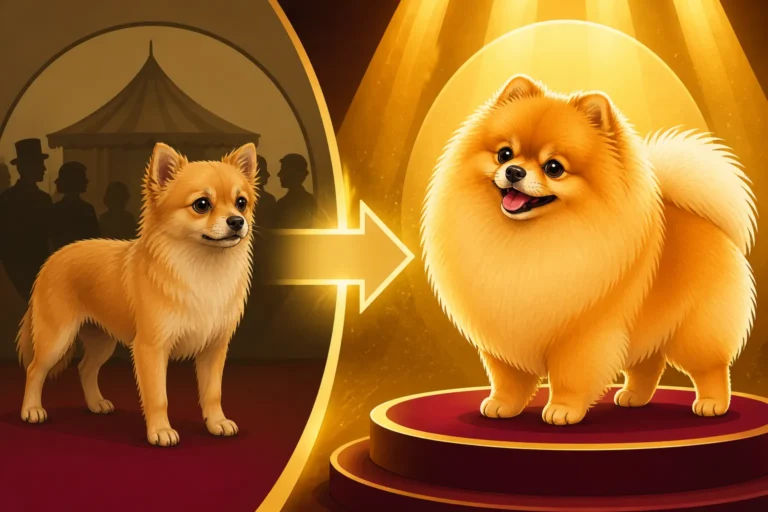
What Happens at a Pomeranian Specialty Show
A Pomeranian specialty show can look like a whirlwind of fluffy coats, tiny dogs, numbered armbands, and people moving briskly between rings. If you’re attending for the first time, it’s easy to wonder what the judges are looking for and whether visitors can watch. Here’s what usually happens, how to follow the judging, and how to be a considerate spectator.
What Happens at a Pomeranian Specialty Show
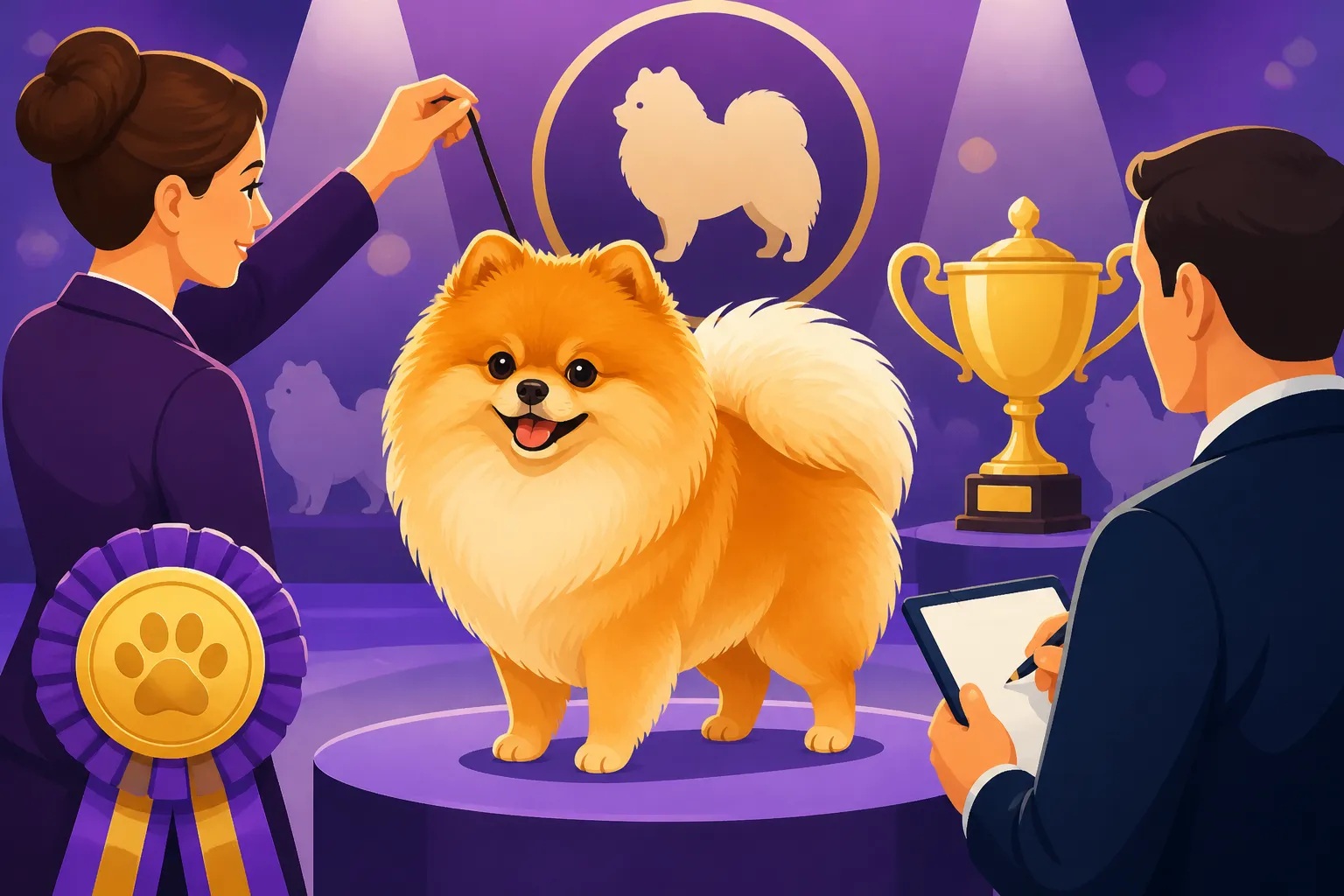
A specialty show is an event centered on one breed, organized by a breed club or another dog-show organization. Some are standalone gatherings; others take place alongside a larger all-breed show. The schedule and activities vary, but the central event is usually conformation judging: dogs are assessed against the written breed standard.
The day starts with check-in and ring preparation
Before judging begins, exhibitors check the event schedule, confirm their class, and get their dogs ready. You may see people brushing, combing, fluffing, and checking feet near the ring. Pomeranians have a distinctive double coat, so preparation can be meticulous. A dog might look as if it simply stepped out of a shampoo commercial, but that finish often reflects a lot of careful coat work.
Dogs are entered in classes based on factors such as age, sex, prior awards, and whether they are being shown by their breeder. The exact class names and divisions can differ by event. Each dog has an assigned number, and the handler wears an armband so the judge and ring steward can match the entry to the schedule.
There’s a useful distinction between grooming and judging. Grooming prepares a dog to be presented, while judging is meant to assess the dog’s structure, movement, coat, and overall fit with the breed standard. A beautifully prepared dog still has to be evaluated in the ring, and a spectator should avoid touching a dog or interrupting an exhibitor who is concentrating on last-minute preparation.
Conformation judging is the main attraction
In the ring, the judge compares each dog with the breed standard and with the other dogs in its class. The judge may examine the dog by hand, ask the handler to move it, and then compare several entries together. The Pomeranian standard describes the qualities the breed should have, including its outline, expression, coat, tail carriage, and movement.
The judge isn’t simply choosing the dog with the biggest coat or the most appealing color. Conformation judging is about the whole dog: how its parts fit together, how it is built, and how it moves. For a closer look at some of those features, see The Head and Expression a Pomeranian Judge Wants, The Tail a Pomeranian Carries Over Its Back, and The Movement a Pomeranian Shows in the Ring.
At the end of a class, the judge places the entries, often with ribbons or other awards. Depending on the event and the classes offered, winners may go on to compete for further awards. Not every dog in the ring is competing for the same title, so looking at the schedule or asking an event volunteer can help you understand what a particular class represents.
Specialty shows can include more than conformation
Some specialties offer additional activities, such as sweepstakes, obedience, rally, educational talks, health-related information, or social events. These are not guaranteed at every show. Sweepstakes classes, when offered, are generally separate from regular conformation classes and have their own entry rules and judging.
A show may also have vendors, club information tables, or opportunities to speak with breeders and long-time owners. That can make a specialty a valuable place to learn about the breed, but it’s best to approach people when they are not rushing to prepare for a class. A handler holding a comb and watching the ring is probably not in the middle of an unhurried conversation.
How Pomeranians Are Judged in the Ring
The written breed standard gives judges a framework for evaluating Pomeranians. It helps explain why a dog’s outline, balance, coat, and movement matter together. Watching with that framework in mind makes the judging easier to follow, even if you’re new to dog shows.
Judges assess the dog as a whole
A judge evaluates how closely each entry matches the breed’s desired characteristics. This can include overall size and proportions, head and expression, ears, tail carriage, coat texture and presentation, and the dog’s movement. Individual details matter, but they are considered as parts of a complete dog rather than as isolated decorations.
For example, a full-looking coat may catch your eye from the stands, but the judge also considers whether the dog has the correct outline and moves soundly. The coat’s shape and texture contribute to the recognizable Pomeranian appearance; they are not a substitute for sound construction. The Stand Off Coat a Pomeranian Must Have offers more background on the coat’s role in the breed’s presentation.
A judge may examine a dog’s bite and body by hand, then watch it move around the ring or along a straight line. Handlers are often asked to move at a pace that lets the judge assess the dog clearly. You might notice a handler making small adjustments to the lead or position; those are part of presenting the dog, not a signal that the dog is being asked to perform tricks.
The handler presents the dog, but the dog is being assessed
Handlers help the judge see each dog clearly. They may position the dog for examination, guide it around the ring, and keep its attention without blocking the judge’s view. Some handlers are professional, while others are breeders or owners presenting their own dogs.
Presentation can make a class more legible to watch, but it does not change what the judge is assessing. The dog’s structure, movement, and breed characteristics remain central. If you’re trying to understand why one entry places ahead of another, watch how each dog moves and how the judge examines the dogs rather than focusing only on the handler’s outfit or showmanship.
Results can surprise newcomers. A dog you find especially cute may not place, while a dog with a less dramatic look from the audience’s viewpoint may be judged more favorably against the standard. That doesn’t necessarily mean the judge disliked the first dog; the decision reflects the class and the criteria being considered that day. The article What Puts a Pomeranian Out of the Ribbons explains some of the reasons an entry may not place.
Awards and class structure can be confusing at first
A specialty show may have several rounds of judging, with dogs first competing in individual classes and some class winners advancing. The catalog or schedule usually explains the classes and the order of events. If you arrive after judging has started, ask an official or volunteer what class is in the ring rather than trying to infer it from the dogs’ ages or handlers.
The table below gives a general guide to what you may see. It is not a promise that every specialty includes each class or activity.
| What you may see | What is happening | What a spectator can watch for |
|---|---|---|
| Individual class judging | Dogs in a class are examined and compared | The judge’s hands-on examination and the dogs’ movement |
| Class placements | The judge recognizes entries within a class | How the judge compares dogs before choosing placements |
| Sweepstakes | A separately organized competition, if offered | The event program’s explanation of eligibility and awards |
| Group or final competition | Selected winners may compete again | How earlier class results feed into later judging |
| Club or educational activities | Breed-related information or events may be available | Ask event staff which activities are open to visitors |
How to Attend as a Spectator
Most first-time visitors do not need to know every show rule before they arrive. A little preparation can make the day more comfortable and help you avoid accidentally distracting the dogs or handlers.
Check the schedule and plan for a long day
Look for the event’s official schedule, venue instructions, and spectator policies before leaving home. The schedule tells you when Pomeranians are expected in the ring, while venue rules may explain admission, seating, parking, and whether visitors may bring their own dogs. Events can run behind schedule, so leave room for waiting rather than planning to arrive just as a class begins.
A practical visit might look like this: arrive early enough to find the Pomeranian ring, check the posted schedule, and take a seat where you can see without crowding the ring entrance. If you’re attending to learn about the breed, bring a notebook or use your phone to jot down questions for a quieter moment. Avoid blocking aisles or standing where handlers need to move dogs into and out of the ring.
If you’re interested in meeting Pomeranians in full coat, a specialty can be a memorable opportunity to see a range of ages, colors, and coat presentations in person. You can also read Where to See Pomeranians in Full Coat for more ideas about breed events and viewing opportunities.
Follow show etiquette around dogs and handlers
Ask before petting any dog, even if it looks relaxed or approaches the edge of the ring. Some dogs are being prepared, recovering from a class, or trying to stay focused. A dog wearing a show lead is not automatically available to greet visitors. Let the handler decide whether an interaction is appropriate.
Keep children close and explain that watching quietly is part of being a good guest. Sudden running, squealing, reaching over barriers, or waving food can distract dogs and create avoidable stress. If you bring a camera, follow the venue’s rules and avoid flash or noisy equipment near the ring.
Do not offer food or treats to a show dog without permission. Dogs may have specific feeding routines, and exhibitors often need to keep them clean and focused. If you’re curious about the dog’s coat or grooming routine, wait until the handler is free and ask politely. A short question at the right moment is much more welcome than an extended conversation while someone is preparing to enter the ring.
Bring only what you need
For a spectator, comfortable shoes, water, and a light layer are often more useful than a large bag of supplies. Show venues can involve a lot of standing and walking, and the temperature inside may feel different from the weather outdoors. If you plan to stay for several hours, check whether the venue has food options or allows visitors to bring snacks.
If the event inspires you to prepare for grooming at home, make a list of questions before buying tools. A coat-care routine depends on the individual dog, its coat condition, and the owner’s comfort with brushing and drying. Some owners use retailers such as Chewy to find everyday grooming supplies, but it’s sensible to learn which tools are appropriate before purchasing. For a closer look at show presentation and everyday coat care, see What a Full Pomeranian Groom Includes.
What a Specialty Show Can Teach You About the Breed
A show is more than a competition. It offers a chance to observe the breed’s appearance and movement up close, hear experienced people discuss care, and see how the standard translates into real dogs. It can also help future owners ask more thoughtful questions.
You can compare the standard with everyday Pomeranians
The dogs in a conformation ring are being presented for evaluation, but they are still Pomeranians with individual temperaments and needs. Show presentation may look elaborate, especially when a coat has been carefully prepared, yet an owner’s daily routine is more ordinary: brushing, dental care, exercise, training, and regular veterinary attention.
A show is not a guarantee that every dog you see is suitable for every home, nor does a ribbon tell you everything about a dog’s health or temperament. If you’re considering the breed, use the event as one source of information. Ask about grooming demands, health screening, and how the breeder raises and socializes puppies. The guide Whether a Show Pomeranian Differs From a Pet explores how show and companion dogs relate to one another.
You may also come away with a clearer sense of how much variation there is within the breed. Individual dogs can differ in size, coat, color, and personality while still being evaluated against the same standard. The best questions are open-ended: “What do you wish new owners understood about the breed?” is often more useful than asking which dog is the smallest or most expensive.
It’s a good place to learn, not just to shop or choose a puppy
Some visitors arrive hoping to find a puppy immediately. A specialty show is better treated as an educational opportunity than as a puppy marketplace. Breeders may be busy competing, and responsible puppy placement typically involves time, conversation, and careful consideration rather than a quick decision beside the ring.
If you speak with breeders, ask how they assess health and temperament in their breeding dogs, what support they offer puppy buyers, and what sort of home suits their dogs. You can also ask how they approach breed health concerns and what records or documentation they provide. What the National Pomeranian Club Actually Does gives additional context on breed-club activities and resources.
A show can also help you decide whether the breed’s needs match your household. The Pomeranian’s coat, alert nature, and small size are all part of the experience, but none should be understood from appearance alone. Think about the everyday work behind that polished ring presentation: regular coat care, safe handling, training, and attention to the dog’s health. For background on the breed’s history and type, see The German Spitz Family a Pomeranian Belongs To.
Disclaimer
This article is for general informational purposes only and does not constitute professional advice. Laws, prices and regulations vary by location and change over time. Consult a qualified professional for guidance on your specific situation.