Where the Baby Doll Pomeranian Face Came From
It’s easy to fall in love with the adorable, expressive faces of Pomeranians, but navigating the different descriptions of their looks can be a bit confusing. Many prospective owners are charmed by the "Baby Doll" Pomeranian face, a term that describes a very specific, sweet expression. This guide will delve into what exactly constitutes a "Baby Doll" face, explore its origins, compare it to other popular Pomeranian facial types, and discuss the broader considerations when seeking a Pomeranian based on its appearance.
Defining the "Baby Doll" Pomeranian Face
The "Baby Doll" face in Pomeranians is a term used to describe a particularly appealing facial structure that evokes a youthful, innocent look. Unlike the more traditional "fox face" or the increasingly popular "teddy bear" look, the "Baby Doll" lies somewhere in between, aiming for a delicate balance of features. It's all about proportion and softness, creating an expression that many find utterly irresistible.
Characteristics of the Baby Doll Look
When we talk about a "Baby Doll" face, we're generally looking at several key characteristics working in harmony. The muzzle is typically shorter than that of a traditional fox-faced Pomeranian, but not as dramatically squished as some of the more extreme "teddy bear" examples. Think of it as a sweet, moderate length. The eyes are usually a bit larger and rounder than a fox face, set slightly wider apart, giving an open, inquisitive expression. They often appear dark and sparkling, full of life. The forehead might be a touch more pronounced, contributing to that soft, youthful appearance without being overly domed.
The overall impression is one of perpetual puppyhood, even in an adult dog. It's a look that emphasizes cuteness and charm, often making the dog appear younger than its actual age. Breeders striving for this look are aiming for symmetry and a gentle, pleasing aesthetic that captures the heart at first glance. It’s not about any single exaggerated feature, but rather a harmonious blend that creates a particular "type" of beauty in the Pomeranian world.
The Appeal of the Baby Doll Aesthetic
There’s no denying the immense appeal of a Pomeranian with a "Baby Doll" face. For many, it's the quintessential cute dog look, evoking feelings of warmth and affection. This aesthetic often translates to a perception of playfulness and gentle demeanor, even though facial structure doesn't directly dictate personality. People are drawn to the soft features, the bright, innocent eyes, and the overall impression of a tiny, living doll. This particular look has gained considerable traction among pet owners who adore the breed's small stature and fluffy coat, wanting their companion to embody that picture-perfect, adorable image.
This aesthetic preference often plays a significant role in a potential owner's choice, sometimes even overriding considerations about health or temperament if not carefully managed. It speaks to a desire for a dog that fits a certain visual ideal, one that aligns with common perceptions of cuteness and companionship. However, it's crucial to remember that a "Baby Doll" face is purely an aesthetic description and doesn't represent a separate breed or a guarantee of any specific personality traits.
The Evolution of Pomeranian Facial Types
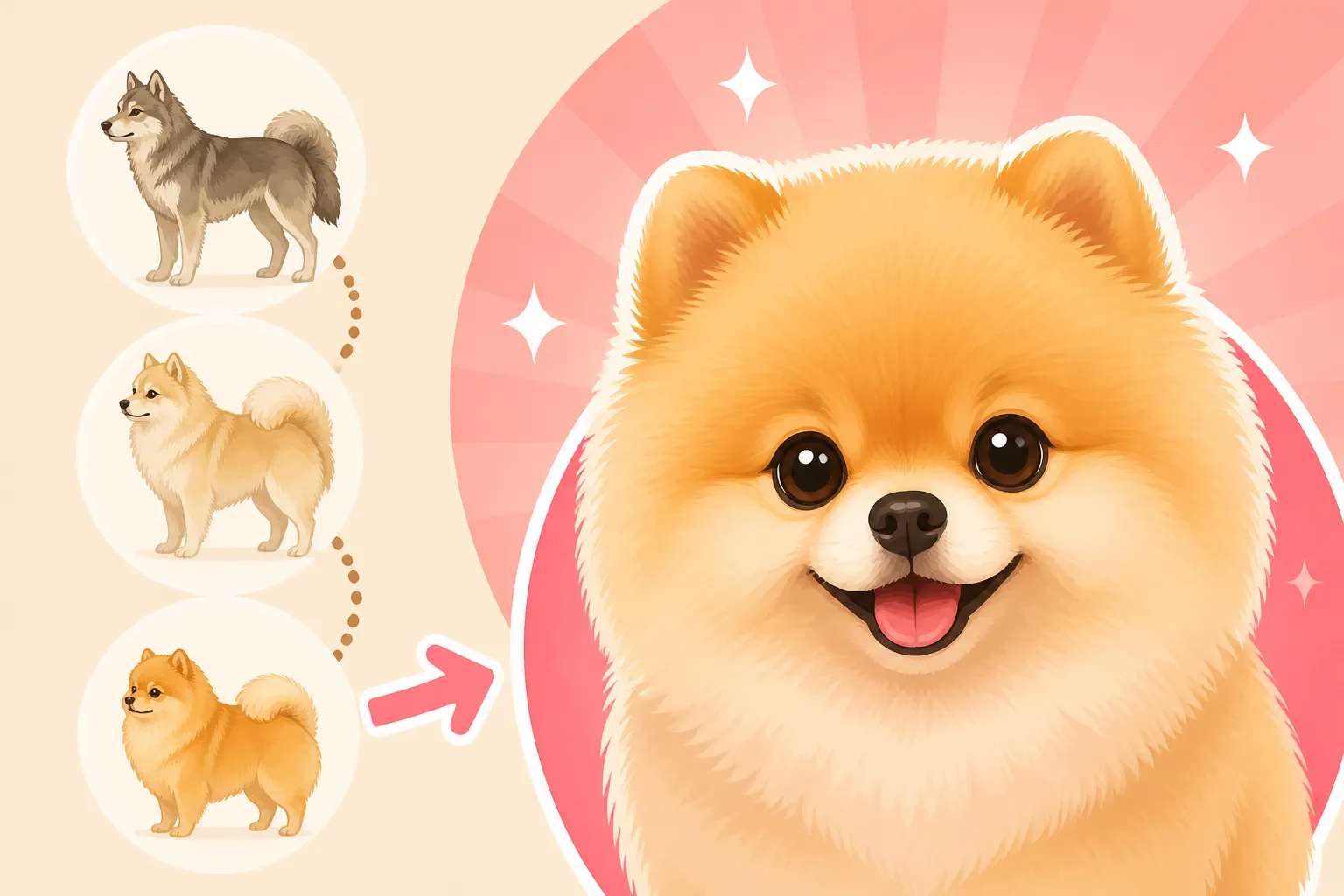
The Pomeranian breed has a rich history, evolving from larger Spitz-type dogs in the region of Pomerania into the tiny, fluffy companions we know today. This transformation wasn't just about reducing size; it also involved significant changes in coat density, color variety, and, yes, facial structure. The journey from utilitarian working dog to beloved lapdog involved selective breeding that, over time, allowed for the emergence of distinct facial aesthetics.
From Fox to Fanciful: Breeding for Specific Looks
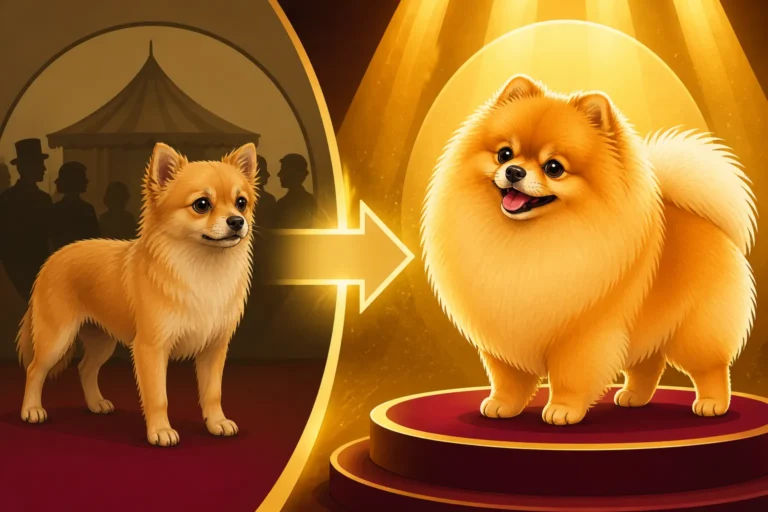
Originally, Pomeranians, much like their larger German Spitz relatives, possessed what is now commonly referred to as the "fox face." This refers to a longer, more tapered muzzle, almond-shaped eyes, and a flatter forehead, giving them an alert, intelligent, and somewhat wild appearance, much like a fox. This was the traditional look, reflecting their heritage as hardy companion dogs that could also serve as watchdogs. However, as the breed gained popularity, particularly after Queen Victoria's enchantment with the smaller variety in the late 19th century, breeders began to focus more intensely on refining features and creating specific "types" that appealed to different tastes. Queen Victoria, Marco and the Pomeranian is a fascinating read on this historical shift.
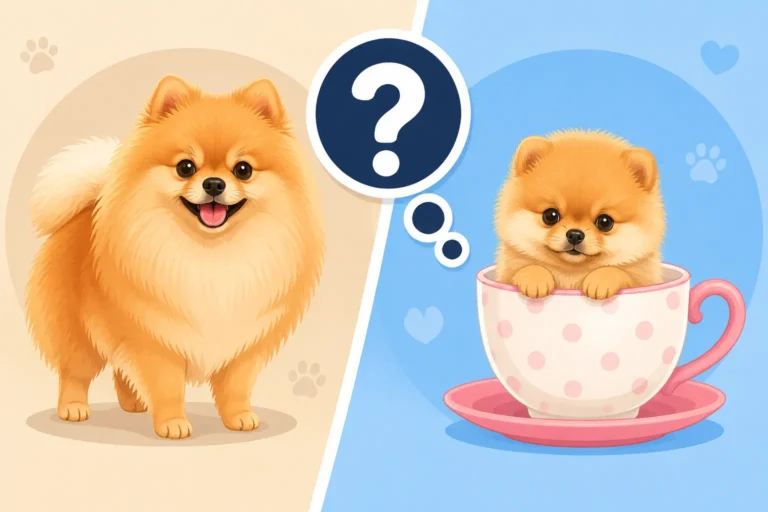
This drive for particular aesthetics led to a divergence from the singular "fox face." Breeders started selecting for dogs with slightly shorter muzzles, larger eyes, and rounder heads, often to enhance the perception of youth and cuteness. This wasn't a sudden change but a gradual evolution over generations, as breeders aimed to produce dogs that met not just the written breed standard but also the evolving aesthetic preferences of the public. This process eventually gave rise to the "Baby Doll" and "Teddy Bear" distinctions, moving beyond the strict confines of the traditional fox-like appearance. You can learn more about how the breed's physical characteristics have been shaped by reading How the Pomeranian Halved in Size in One Lifetime.
The Role of Breeder Preference and Market Demand
The emergence and popularization of distinct facial types like the "Baby Doll" are largely driven by a combination of breeder preference and market demand. As certain looks become fashionable, breeders, especially those focused on the pet market, may selectively breed dogs that exhibit those desired traits. If prospective owners consistently express a desire for a shorter muzzle or larger eyes, ethical and unethical breeders alike will respond to that demand.
However, it's vital to differentiate between breeders who aim for a specific aesthetic while maintaining health and conformation to the breed standard, and those who prioritize extreme features at the expense of well-being. A responsible breeder will always prioritize health, temperament, and adherence to the overall breed standard, even when trying to produce a particular "look." The "Baby Doll" face, when achieved through careful, balanced breeding, can be a lovely variation within the Pomeranian breed. However, if exaggerated, or if it involves breeding for features that compromise breathing or dental health, it can become problematic. Understanding Whether Pomeranian Face Types Are Breeder Inventions can help you discern reputable practices.
Baby Doll vs. Fox vs. Teddy Bear: A Detailed Comparison
When you're looking at Pomeranian puppies or adult dogs, you'll often hear these three terms – "Fox," "Teddy Bear," and "Baby Doll" – used to describe their faces. While all are still very much Pomeranians, these terms highlight distinct visual differences, primarily in the length of the muzzle, the size and placement of the eyes, and the shape of the skull. It's helpful to understand these nuances to appreciate the variety within the breed and to communicate clearly with breeders.
The Traditional "Fox Face" Pomeranian
The "Fox Face" Pomeranian is considered the most traditional and historically accurate representation of the breed, aligning closely with the written breed standard. This look emphasizes a more natural, wild aesthetic.
- Muzzle: Longer and more tapered, resembling that of a wild fox. It’s distinct from the skull, providing a clear stop.
- Eyes: Typically almond-shaped, set slightly obliquely, and usually dark. They convey an alert, intelligent, and often mischievous expression.
- Skull: Flatter on top, with less "dome" compared to other types.
- Expression: Alert, keen, and often described as foxy or clever.
This is the look that has been admired in show rings for generations and speaks to the breed's Spitz heritage. Dogs with this facial type often have a very distinctive profile, with a well-defined nose and a balanced appearance. The "Fox Face" maintains the working dog roots of the Pomeranian, even as it transitioned into a companion animal.
The Increasingly Popular "Teddy Bear" Pomeranian
At the other end of the spectrum from the "fox face" is the "Teddy Bear" Pomeranian. This look is characterized by features that are significantly shorter and rounder, aiming for a cuddly, toy-like appearance.
- Muzzle: Very short, often appearing "squished" or significantly pushed-in. It blends more seamlessly with the skull, with a less defined stop.
- Eyes: Larger, rounder, and set wider apart. They give a very innocent, often bewildered or perpetually happy expression.
- Skull: More rounded or domed, contributing to the overall "baby-like" head shape.
- Expression: Soft, innocent, and highly reminiscent of a plush teddy bear toy.
While incredibly popular due to its undeniable cuteness, the "Teddy Bear" face often represents a departure from the traditional breed standard, particularly if the muzzle is excessively shortened. Buyers looking for this specific aesthetic should be mindful of potential health implications related to shortened muzzles, such as breathing difficulties or dental crowding, which can sometimes occur with extreme conformation. For insights into the desired features in the show ring, consider The Head and Expression a Pomeranian Judge Wants.
The Harmonious "Baby Doll" Pomeranian
The "Baby Doll" Pomeranian face often serves as a beautiful middle ground between the traditional "fox face" and the "teddy bear" extreme. It aims for a sweet, youthful, and balanced look that many find utterly charming without sacrificing the natural structure of the breed.
- Muzzle: Moderate in length, shorter than a fox face but longer than a teddy bear. It's well-defined but not overly prominent.
- Eyes: Larger and rounder than a fox face, set a bit wider apart, contributing to a soft, innocent expression. They have a bright, intelligent look.
- Skull: Slightly more rounded than a fox face, but not as domed as a teddy bear, providing a gentle curve to the head.
- Expression: Endearing, sweet, and youthful, evoking the look of a delicate, living doll.
The "Baby Doll" face strikes a balance, offering a "cuter" aesthetic than the traditional fox face without veering into the potentially problematic extremes sometimes seen with very short "teddy bear" muzzles. It maintains a certain elegance and charm, making it a highly sought-after look.
Here's a comparison of the three primary facial types you might encounter in Pomeranians:
| Feature | Fox Face Pomeranian | Baby Doll Face Pomeranian | Teddy Bear Face Pomeranian |
|---|---|---|---|
| Muzzle Length | Longer, tapered, distinct stop | Moderate length, balanced | Very short, often "squished" |
| Eye Shape | Almond-shaped, slightly oblique | Larger, rounder, set a bit wider | Large, very round, wide-set |
| Skull Shape | Flatter on top | Slightly rounded | More rounded or domed |
| Overall Look | Alert, intelligent, foxy, traditional | Sweet, youthful, innocent, harmonious | Cuddly, plush-toy like, exaggerated |
| Adherence to Standard | Closest to breed standard | Moderate deviation, often accepted | Significant deviation, less standard-conforming |
Beyond the Look: Health and Care Considerations for Any Pomeranian
While the "Baby Doll" face is certainly endearing, it's crucial to remember that a Pomeranian's health and well-being extend far beyond its appearance. Whether your heart is set on a specific facial type or you're open to any healthy Pom, understanding the general care requirements and potential breed-specific health concerns is paramount. A beautiful face means little if the dog isn't healthy and thriving.
Prioritizing Health Over Aesthetics
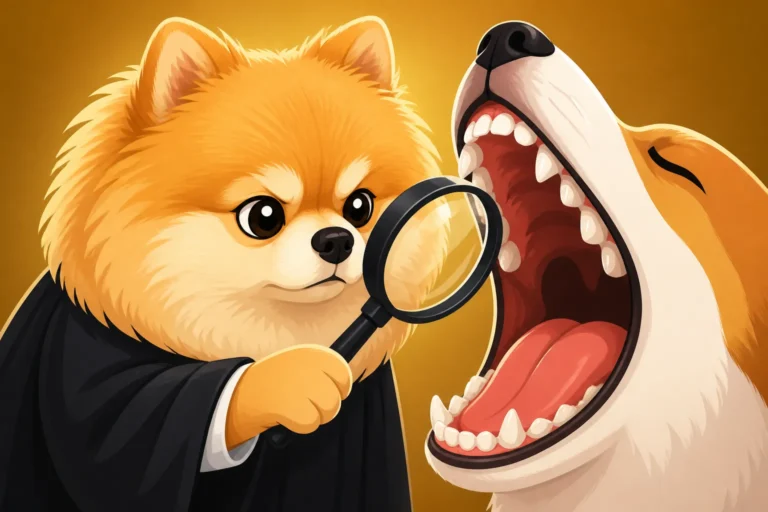
Responsible breeders will always prioritize health, temperament, and adherence to the overall breed standard when making breeding decisions, rather than solely focusing on achieving a fashionable look. Pomeranians, regardless of their facial type, are prone to certain genetic and acquired health issues that prospective owners must be aware of. These can include Slipping Kneecaps in a Five Pound Pomeranian, The Honking Cough of a Pomeranian's Collapsing Windpipe, and various Dental Disease in a Mouth the Size of a Pomeranian's. A healthy puppy, regardless of how "baby doll" its face is, will always be the best choice.
When choosing a breeder, inquire about health testing for the parents, particularly for patellar luxation, cardiac issues, and eye problems. A good breeder will be transparent about their breeding practices, health clearances, and the overall health history of their lines. They should also be able to provide documentation and be willing to discuss any health concerns that are prevalent in the breed. Prioritizing these factors ensures you're bringing home a companion who is set up for a long, happy, and healthy life, rather than one chosen purely for its fleeting aesthetic appeal.
General Care for Your Pomeranian
All Pomeranians, whether "Fox," "Baby Doll," or "Teddy Bear" faced, require diligent care to maintain their signature fluff and overall well-being. Their dense double coat demands regular grooming to prevent mats and keep it looking its best. This includes frequent brushing, at least two to three times a week, to reach the undercoat and remove loose hair. Many owners find excellent grooming tools, from slicker brushes to detangling sprays, available from retailers like Chewy. A good shampoo and conditioner are also essential to maintain coat health. You can find more comprehensive grooming advice in Working a Pomeranian's Coat in Sections to the Skin.
Beyond grooming, proper nutrition is key. Pomeranians are small dogs, but their energy levels can be surprisingly high, especially when they're young. They need a high-quality, small-breed specific diet, and consistent feeding schedules. Due to their small size, Feeding a Pomeranian Puppy Often Enough to Stay Safe is critical, as puppies are prone to blood sugar crashes. Furthermore, daily dental care is non-negotiable for Poms, as their crowded mouths make them susceptible to gum disease. Regular teeth brushing with a dog-specific toothpaste is highly recommended, and products for this can be conveniently sourced from Chewy. Attention to these fundamental aspects of care will contribute far more to your Pomeranian's quality of life than any specific facial feature.
Navigating the Search for a "Baby Doll" Pomeranian
If you're particularly drawn to the "Baby Doll" facial aesthetic, it's important to approach your search for a puppy with diligence and ethical considerations in mind. The popularity of specific "looks" can sometimes lead to irresponsible breeding practices, where appearance is prioritized over health, temperament, and adherence to breed standards. Your goal should always be to find a healthy, well-socialized puppy from a reputable source, regardless of its specific facial features.
Finding a Reputable Breeder
The first and most critical step is to find a reputable breeder who prioritizes the health and well-being of their dogs above all else. A good breeder will breed for sound structure, good temperament, and genetic health, and will be transparent about their breeding practices. They might occasionally produce puppies that naturally exhibit the "Baby Doll" look as part of their diverse litters, but they won't be breeding exclusively for this aesthetic at the expense of other important traits. Look for breeders who are actively involved in breed clubs, show their dogs, and are knowledgeable about Pomeranian health issues.
When you contact a breeder, ask specific questions about health testing, the parents' temperaments, and their philosophy on breeding. Be wary of anyone advertising "designer" or "rare" Pomeranian types at exorbitant prices without verifiable health clearances or a clear understanding of the breed standard. Ethical breeders will want to interview you as much as you interview them, ensuring their puppies go to suitable homes. Websites like Chewy also often have resources or directories that can guide you to reputable breed clubs, which are excellent starting points for your search. You can also explore Meeting the Dam Before Buying a Pomeranian Puppy for more tips on selecting a responsible breeder.
Understanding Breeder Terminology and Avoiding Fads
The terms "Fox Face," "Baby Doll," and "Teddy Bear" are largely descriptive terms used by breeders and pet owners, rather than official classifications within the breed standard. The breed standard, set by kennel clubs, describes an ideal Pomeranian that generally aligns with the "Fox Face" or a slightly softened version of it. Therefore, a breeder who markets heavily on "Baby Doll" or "Teddy Bear" types might be focusing more on pet trends than on established breed characteristics.
While there's nothing inherently wrong with preferring a certain look, be cautious of breeders who use these terms to justify inflated prices or to imply that their dogs are a "special" or "rare" type. A healthy, well-bred Pomeranian with a "Baby Doll" face can be a wonderful companion, but the emphasis should always be on responsible breeding practices first. Educate yourself on The German Spitz Family a Pomeranian Belongs To to understand the breed's foundational roots, which emphasizes traits beyond just facial aesthetics. This knowledge will empower you to make an informed decision and avoid supporting breeders who might prioritize fads over the long-term health and integrity of the breed.
Embracing the Unique Charm of Each Pomeranian
Ultimately, while a specific look like the "Baby Doll" face might be what initially draws you to a Pomeranian, the true joy of ownership comes from the unique personality, companionship, and health of your individual dog. Each Pomeranian is an individual, with its own quirks, charms, and endearing habits. Whether your Pom has a classic fox face, a sweet baby doll look, or a fluffy teddy bear appearance, its vibrant personality and loving nature will undoubtedly be what you cherish most.
Focusing too heavily on a superficial aesthetic can sometimes lead to overlooking a perfectly wonderful puppy that might not fit a precise visual ideal but possesses an amazing temperament and robust health. Open your heart to the possibility that the perfect Pomeranian for you might not be the one you initially pictured, but rather the one whose spirit captures yours. Remember that what truly matters is finding a healthy, happy companion who will bring years of love and laughter into your home, regardless of their specific facial type.
Disclaimer
This article is for general informational purposes only and does not constitute professional advice. Laws, prices and regulations vary by location and change over time. Consult a qualified professional for guidance on your specific situation.