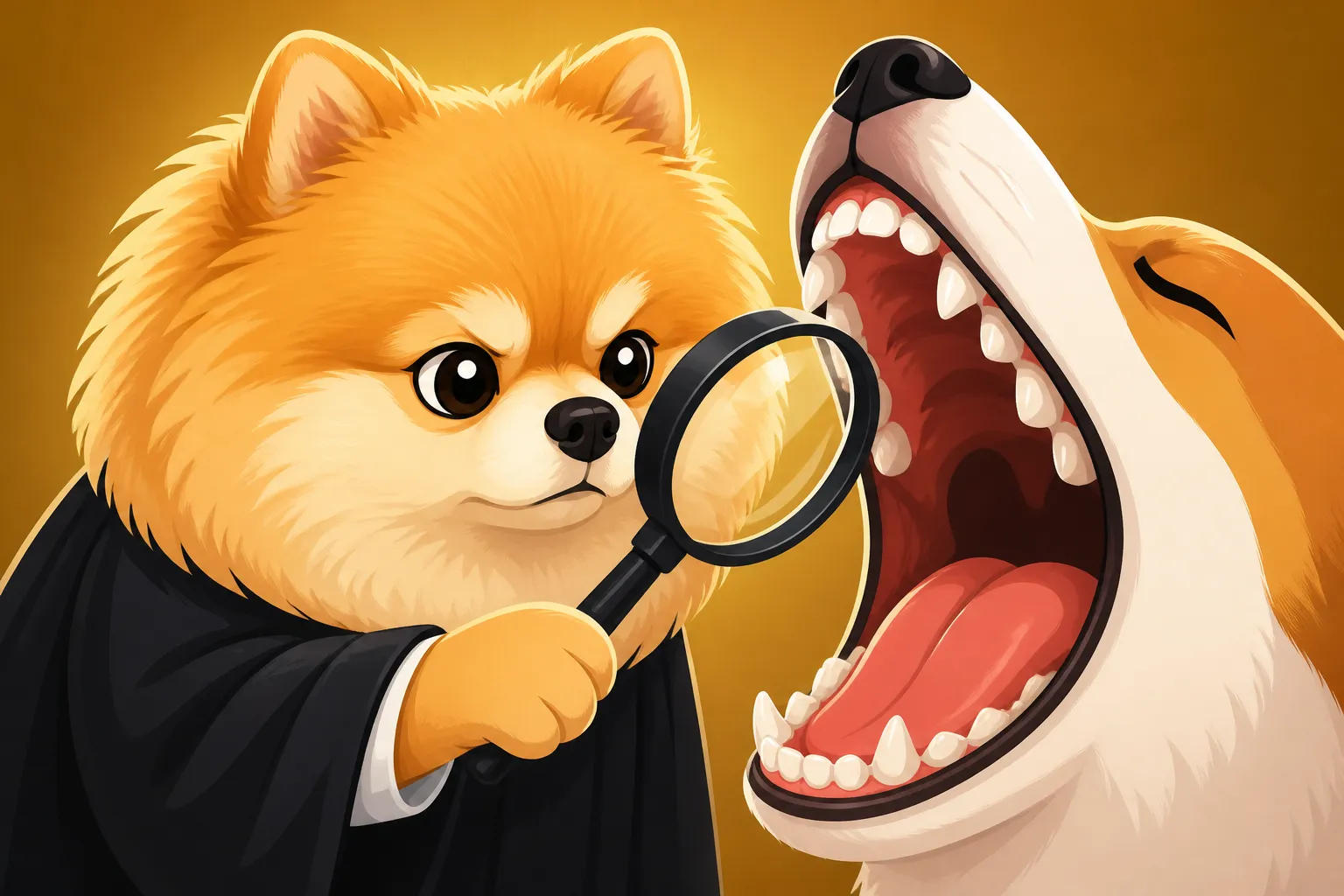
The Mouth a Pomeranian Judge Looks Into
One of the trickiest things when you're preparing your beloved Pomeranian for the show ring, or even just trying to understand their breed standard, is knowing exactly what the judges are looking for – especially when it comes to something as specific as their mouth. It’s not just about a pretty face; the structure of their bite, the number of their teeth, and their overall oral health are crucial details that can make or break a show career, and equally impact their long-term health and comfort. This comprehensive guide will walk you through everything a Pomeranian judge scrutinizes in your dog's mouth, and what it means for both show potential and everyday well-being.
Understanding the Ideal Pomeranian Mouth Structure
When a judge examines a Pomeranian in the show ring, they aren't just glancing at a smile; they are meticulously assessing the alignment, health, and completeness of the dog's oral cavity according to the breed standard. This goes beyond aesthetics, as proper mouth structure is fundamental to a dog's ability to eat, chew, and even express itself.
The Scissor Bite: What it is and why it's paramount
The cornerstone of a correct Pomeranian mouth, as with many breeds, is the scissor bite. Imagine a perfectly aligned pair of scissors: the upper incisors (the front teeth) should just slightly overlap the lower incisors, making contact in a clean, scissor-like fashion. This isn't a mere preference; it's a functional necessity. A proper scissor bite ensures efficient chewing, which is vital for digestion. It also helps maintain tooth health by ensuring even wear.
When a judge gently lifts your Pomeranian's lips, they're looking for this precise alignment. Any deviation immediately flags a fault. A perfectly matched, even bite where the top and bottom incisors meet straight on (a level bite) is often considered acceptable but less desirable than a true scissor. The beauty of the scissor bite lies in its mechanical advantage, providing strength and precision in gripping and tearing food. It's a hallmark of a healthy, functional mouth, reflecting centuries of selective breeding for a robust oral structure in these small, vibrant dogs. Dental Disease in a Mouth the Size of a Pomeranian's often starts with malocclusions.
Healthy Teeth: Color, condition, and full dentition expectations
Beyond the bite, judges are evaluating the overall condition of the teeth. This includes their color, condition, and, critically, the number present. A healthy Pomeranian should have clean, white teeth, free from excessive tartar buildup or signs of decay. While daily brushing is essential for pet Pomeranians to maintain this, show dogs have an even higher expectation of oral hygiene.
Judges also count the teeth. A full complement of teeth is expected, which typically means 42 adult teeth for most dogs, though smaller breeds like the Pomeranian sometimes have fewer due to jaw size. However, any missing teeth (especially incisors or canines) can be a significant fault. The teeth should be strong, well-formed, and proportional to the dog's small mouth. Remember, a Pomeranian’s tiny mouth is surprisingly mighty, and healthy teeth are crucial for their well-being throughout their life. It's a delicate balance, as Why a Pomeranian's Teeth Crowd and Rot can lead to early tooth loss, making a full set a challenge.
Common Dental Faults in Pomeranians
Even in carefully bred Pomeranians, dental faults can occur. These issues can range from minor cosmetic flaws to significant structural problems that affect a dog's health and show potential. Understanding these common faults is key for both breeders and pet owners.
Undershot and Overshot Bites: Deviations from the ideal
The scissor bite is the ideal, but two primary deviations are commonly seen:
- Undershot Bite: This occurs when the lower jaw extends beyond the upper jaw, causing the lower incisors to protrude in front of the upper incisors. It's often referred to as a "bulldog bite" when severe, though it’s less common and less pronounced in Pomeranians than in brachycephalic breeds. A mild undershot bite might be considered a fault, but a severe one can be a disqualification in the show ring, as it significantly impacts chewing function and overall facial structure. Whether an Undershot Pomeranian Is Disqualified is a critical question for show hopefuls.
- Overshot Bite: In this scenario, the upper jaw extends beyond the lower jaw, creating a gap between the upper and lower incisors. This is sometimes called a "parrot mouth." Like the undershot bite, the severity varies. A slight overshot bite might be a fault, but a pronounced one can cause significant issues with eating, dental health (as the lower canine might dig into the roof of the mouth), and again, is a serious structural fault in the show ring.
Both undershot and overshot bites can lead to abnormal wear on the teeth, gum irritation, and difficulty picking up or chewing food. While minor cases might not severely impact a pet's quality of life, they are carefully noted by judges.
Missing Teeth: When a gap is a problem
Imagine looking into your Pomeranian's tiny mouth and seeing a gap where a tooth should be. Judges take note of this immediately. While some breeds allow for certain missing teeth, a full complement is preferred in Pomeranians. Missing incisors, canines, or even premolars can be considered a significant fault, especially if they are noticeable and affect the overall balance of the bite.
This isn't just about aesthetics for the show ring; missing teeth can indicate underlying genetic issues or past trauma. Furthermore, gaps can lead to uneven wear on the remaining teeth and may predispose the dog to further dental problems. It's why careful observation of your Pomeranian's mouth is so important. A reputable breeder will often provide a dental certificate or be transparent about any known missing teeth in their lines.
Retained Deciduous Teeth: The persistent puppy teeth
One common issue, particularly in toy breeds like Pomeranians, is the retention of deciduous (puppy) teeth. Normally, as the adult teeth erupt, they push out the puppy teeth. However, in small mouths, sometimes the adult tooth emerges alongside the baby tooth, or the baby tooth simply doesn't fall out. These are often called "shark teeth" because you end up with a double row of teeth. The Baby Canines a Pomeranian Fails to Lose are particularly common.
Retained puppy teeth are a problem for several reasons:
- Crowding: They take up valuable space, exacerbating the natural crowding that can occur in a Pomeranian’s small jaw.
- Misalignment: They can force adult teeth into incorrect positions, leading to malocclusions.
- Food Traps: The space between the retained puppy tooth and the adult tooth becomes a perfect trap for food particles, leading to rapid plaque and tartar buildup, gum inflammation, and eventually Dental Disease in a Mouth the Size of a Pomeranian's.
For these reasons, judges will note retained deciduous teeth as a fault. More importantly, veterinarians typically recommend extraction of retained puppy teeth to prevent future dental health problems. This is usually done when the puppy is spayed or neutered. Pulling a Pomeranian's Retained Canines is a common procedure many Pomeranian owners face.
The Impact of Mouth Faults on Show Pomeranians
For those involved in conformation showing, the mouth is a critical examination point. Judges are tasked with upholding the breed standard, and dental faults are often explicitly addressed within these standards.
Disqualifications vs. Faults: What takes a dog out of the ring
Understanding the difference between a "fault" and a "disqualification" is crucial in the show world.
- Faults: These are deviations from the ideal that detract from a dog's overall quality but do not render it ineligible for competition. A minor undershot bite, a few missing premolars, or slight tartar buildup might be considered faults. A dog with minor faults can still place or even win if it excels in other areas and the faults are not severe. Judges might mark down a dog for these issues, impacting its score but not eliminating it.
- Disqualifications (DQs): These are serious deviations from the breed standard that make a dog ineligible to compete or earn championship points. For Pomeranians, severe bite problems like a very pronounced undershot or overshot jaw can be disqualifying. Missing critical teeth (like incisors or canines) can also lead to a DQ in some breed standards. These are usually structural issues that fundamentally compromise the dog's type or health. A judge's decision to disqualify a dog for a mouth fault is a definitive one, ending its opportunity for that particular show. This highlights how seriously these specific dental characteristics are viewed in the pursuit of breeding dogs that conform to ideal health and structure.
It's always recommended to consult the official breed standard for the most precise details on what constitutes a fault versus a disqualification for the Pomeranian in your specific region.
Breeder Responsibility and Genetic Predisposition
The prevalence of certain dental faults, particularly bite issues and missing teeth, can often be traced back to genetics. This places a significant responsibility on breeders. Responsible breeders strive to produce Pomeranians that meet the breed standard in all aspects, including oral structure. They meticulously select breeding pairs to minimize the risk of passing on undesirable traits.
A good breeder will:
- Health Test: While there isn't always a direct genetic test for specific bite faults, understanding the dental history of parent dogs and their ancestors is important.
- Screen Puppies: They examine their puppies' mouths regularly as they grow to identify potential issues like retained deciduous teeth early on.
- Be Transparent: Reputable breeders are open about any dental anomalies found in their puppies or adult dogs. They understand that a healthy mouth is vital for a Pomeranian’s overall health and well-being, whether it's destined for the show ring or for a loving pet home.
Buying a puppy from a breeder who prioritizes oral health, along with other health clearances, is one of the best ways to ensure your Pomeranian starts life with the best possible dental foundation.
Here's a quick comparison of bite types for clarity:
| Bite Type | Description | Show Impact | Functional Impact |
|---|---|---|---|
| Scissor Bite | Upper incisors just overlap lower incisors, making contact. | Ideal, highly desired | Optimal chewing, even tooth wear, strong grip. |
| Level Bite | Upper and lower incisors meet edge-to-edge. | Acceptable, less ideal | Can lead to premature incisor wear. |
| Overshot Bite | Upper jaw extends beyond lower jaw; gap between incisors. | Fault to Disqualification | Difficulty gripping food, potential gum irritation. |
| Undershot Bite | Lower jaw extends beyond upper jaw; lower incisors protrude. | Fault to Disqualification | Difficulty chewing, abnormal tooth wear. |
Beyond the Show Ring: Oral Health for Every Pomeranian
While show ring standards focus on specific breed ideals, the reality is that excellent oral health is paramount for every Pomeranian, regardless of whether they ever step foot in a ring. These tiny dogs are particularly prone to dental issues, and proactive care can prevent a lifetime of pain and expensive veterinary bills.
Maintaining Dental Health at Home
The best defense against dental disease in Pomeranians starts right at home, with you. Their small mouths and crowded teeth are natural magnets for plaque and tartar. Here’s what you can do:
- Daily Brushing: This is the gold standard. Just like humans, daily brushing significantly reduces plaque buildup. Use a small, soft toothbrush or a finger brush and dog-specific toothpaste (never human toothpaste). Start slowly and make it a positive experience with treats and praise. Consistency is key. You might wonder Whether a Pomeranian Needs Its Teeth Brushed Daily, and the answer is a resounding yes!
- Dental Chews and Toys: Incorporate dental-specific chews or toys designed to help scrape away plaque. However, be cautious: always choose products appropriate for your Pomeranian’s size to prevent choking hazards. Brands like Chewy offer a great selection of small-breed dental chews. Make sure they are digestible and won’t splinter.
- Water Additives: Some veterinarians recommend water additives that help reduce bacteria in the mouth. These can be a helpful supplement to brushing but should never replace it.
- Diet: Feeding a high-quality kibble designed for small breeds can sometimes help reduce tartar buildup as the dog crunches the food. However, this effect is often minimal. Some pet parents find great options for specific dental health needs through retailers like Chewy.
Remember, even with the best home care, professional cleanings will likely still be necessary, but daily effort can extend the time between them and minimize the severity of issues.
Professional Dental Care for Your Pomeranian
Despite your best efforts at home, professional dental cleanings are almost always a necessity for Pomeranians. These cleanings are performed under general anesthesia, allowing the veterinarian to thoroughly examine the entire mouth, scale away tartar above and below the gumline, and polish the teeth.
Here’s why professional care is so important:
- Thorough Cleaning: Only a professional cleaning can remove hardened tartar below the gumline, where most periodontal disease begins.
- Assessment of Hidden Problems: Under anesthesia, the vet can probe gum pockets, take X-rays (which are crucial for identifying issues below the gumline), and assess each tooth individually. This can reveal problems like bone loss, abscesses, or decaying roots that are invisible during a conscious exam.
- Extractions When Necessary: If teeth are severely diseased, painful, or causing problems (like retained puppy teeth or overcrowding), they can be extracted during the procedure. This prevents further pain and infection. Extractions in a Pomeranian's Small Jaw are common, and while it sounds scary, removing painful teeth is often the kindest thing to do.
- Early Intervention: Regular professional cleanings allow for early detection and treatment of dental disease, preventing it from progressing to more severe stages that can impact overall health.
It's common for a Pomeranian to need multiple dental cleanings throughout their life. Many owners are faced with questions like How Many Dentals a Pomeranian Needs in a Lifetime. The frequency depends on individual genetics, diet, and home care, but annual to biennial cleanings are not uncommon for this breed. Be prepared for Anesthesia Charges on a Five Pound Pomeranian, as this is a significant part of the cost, but an important safety measure. Discussion with your vet about dental health is crucial. They can also advise you on concerns like Whether a Pomeranian's Jaw Can Break During a Dental during extractions, though this is rare with proper technique. Regular Checking a Pomeranian's Gums at Home between vet visits can also help you spot problems early.
Disclaimer
This article is for general informational purposes only and does not constitute professional advice. Laws, prices and regulations vary by location and change over time. Consult a qualified professional for guidance on your specific situation.