Why the Pomeranian Shows in the Toy Group
It's a question many new Pomeranian parents, and even some seasoned ones, find themselves pondering: how did this vibrant, often boisterous little fluffball end up in the "Toy Group" category? You see your Pom barking at the mailman with the ferocity of a much larger guard dog, or perhaps displaying surprising agility as they zoom around the living room, and it's easy to wonder if they're misplaced. This guide is here to unravel the historical and characteristic reasons behind the Pomeranian's classification, showing you why, despite their big personality, they truly fit into the Toy Group.
The Historical Journey: From Sled Dog Ancestor to Lap Companion
When you look at a Pomeranian today, with its cloud-like double coat and dainty paws, it’s hard to imagine it related to anything that pulled a sled. Yet, the journey to becoming a beloved toy breed is a fascinating tale rooted deeply in history and selective breeding. Understanding this transformation is key to grasping why they sit firmly in the Toy Group.
Northern Roots and Spitz Heritage
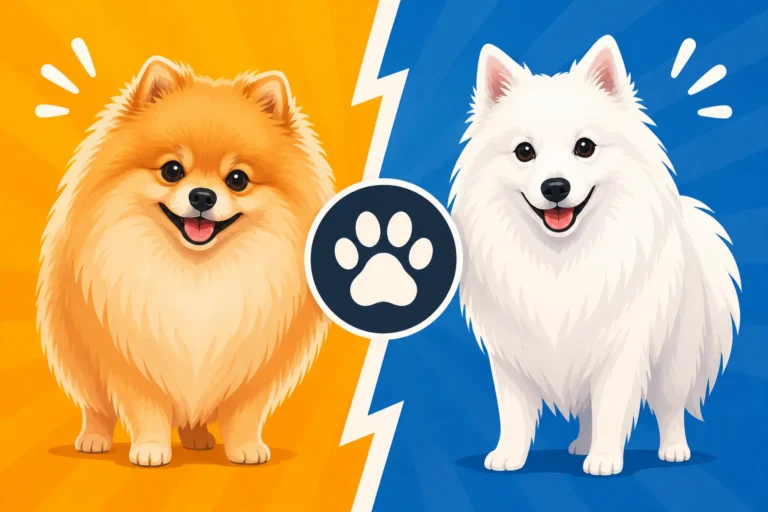
Our beloved Poms didn't just appear in their current form. Their ancestry traces back to much larger, hardier working dogs from the Arctic regions – the German Spitz family. These were dogs built for endurance and function, typically weighing anywhere from 20 to 50 pounds, sometimes even more. Imagine a smaller, fuzzier Husky or a spirited Samoyed, and you're getting closer to their ancestors. These larger Spitz breeds were invaluable to humans, serving as watchdogs, herding animals, and even pulling small sleds or carts in various parts of Europe. They were known for their thick double coats, erect ears, and plumed tails carried over their backs – traits we still see in the Pomeranian, just in miniature.
It’s this lineage that gives Poms their incredible resilience, intelligence, and that often-surprising, larger-than-life personality. You might find it interesting to learn more about The German Spitz Family a Pomeranian Belongs To. They truly are big dogs in small packages, a testament to their working past. Despite their diminutive size now, they retain a lot of the mental fortitude and physical hardiness that allowed their ancestors to thrive in challenging environments. This heritage is also why they are so alert and often have a strong territorial bark – they were, after all, once guardians.
Queen Victoria's Influence and the Miniaturization Trend
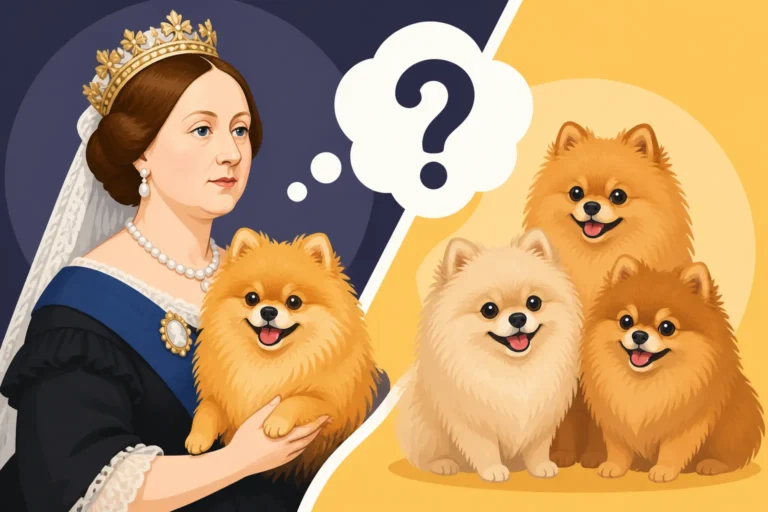
The real shift towards the Pomeranian we know today began in the 19th century, largely credited to Queen Victoria of England. Before her reign, Pomeranians were still closer to their larger Spitz ancestors, often weighing between 20 to 30 pounds. They were robust dogs, popular in continental Europe, particularly in the region of Pomerania (which gives the breed its name), a historical area now part of Germany and Poland.
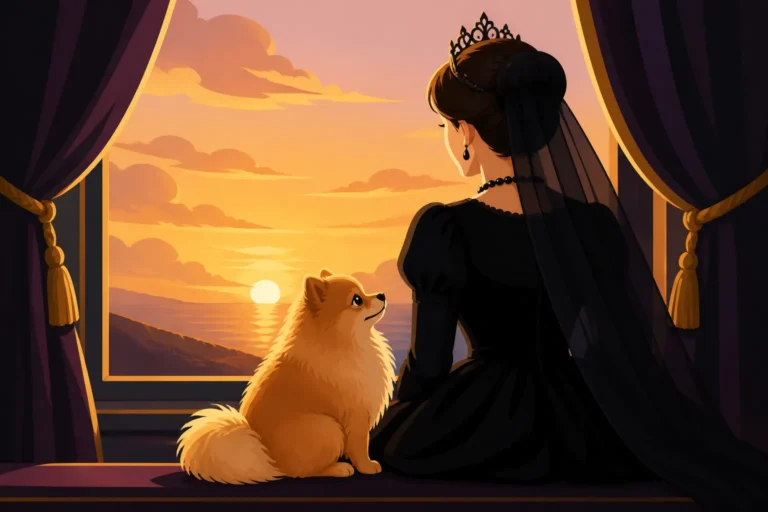
However, Queen Victoria fell in love with a smaller Pomeranian named Marco during a trip to Florence, Italy, in 1888. Marco weighed a mere 12 pounds, a significant reduction from the typical Poms of the era. Her passion for these smaller dogs led her to import several others and begin a dedicated breeding program aimed at reducing their size further. This royal endorsement sparked an immense popularity boom for the breed, and with it, a strong breeding push towards even smaller individuals. Breeders, keen to cater to the fashionable trend set by the Queen, focused intensely on selecting the smallest dogs for reproduction.
This was a deliberate and relatively rapid process. Within one lifetime, the Pomeranian effectively halved in size, becoming the dainty companion we recognize today. This rapid miniaturization is a key factor in their Toy Group classification. You can delve deeper into Queen Victoria, Marco and the Pomeranian and How the Pomeranian Halved in Size in One Lifetime to truly appreciate the scale of this change. Without Victoria's personal preference, the breed might have continued along a different trajectory, perhaps remaining in a utility or non-sporting group.
The Impact on Breed Standards
As the miniaturization took hold and the breed gained formal recognition, breed clubs and kennel organizations began to establish official standards. These standards codified the desired traits, and chief among them was size. The Pomeranian's smaller stature became not just a preference but a requirement. When the American Kennel Club (AKC) first recognized the breed in 1888 (the same year Queen Victoria brought Marco home!), they were already heading towards their compact size.
The standard explicitly defines the ideal weight and height, typically placing them squarely within the parameters for the Toy Group. For instance, the AKC standard for Pomeranians generally specifies a weight range of 3 to 7 pounds. This small size is what made them perfect lap dogs and companions for urban living, and it's what cemented their place. Any dog significantly outside this range, either too large or too small (especially if the latter comes with health issues, often seen in so-called "teacup" Poms), is considered outside the ideal. You can read more about The Three to Seven Pounds a Pomeranian Is Allowed and why this range is so crucial for the breed. The standard is a blueprint, and for the Pomeranian, that blueprint was rewritten to reflect their new, smaller identity.
What Defines a "Toy Group" Dog? Understanding the AKC Classification
The American Kennel Club (AKC) groups dog breeds into categories based on shared characteristics, typically revolving around their original purpose or general type. The Toy Group is one of these, and it has very specific criteria that the Pomeranian fits perfectly. It’s not just about being small; it’s about their historical role and how they interact with their human families.
Size and Weight as Primary Factors
It might seem obvious, but the most defining characteristic for a dog to be placed in the Toy Group is indeed its small physical size and low body weight. These breeds were specifically developed or refined to be companion animals, suitable for carrying, lap-sitting, and generally fitting into smaller living spaces, often thriving in homes without vast yards.
Think about it: a Chihuahua, a Pug, a Pekingese – all of them are compact, easily portable, and typically weigh under 10-15 pounds. The Pomeranian, with its ideal weight range of 3 to 7 pounds, falls perfectly into this bracket. This isn't just an aesthetic choice; it influences everything from their exercise needs to how they are handled. A dog that can be picked up, carried in a sling, or tucked into a carrier for travel fits the "toy" description practically. This small stature means they require less space, less food, and are generally easier to manage physically for many owners, especially those in urban environments or with limited mobility.
Purpose and Companionship
Beyond just size, the fundamental purpose of dogs in the Toy Group is companionship. These breeds were historically bred to be devoted pets, cherished lap dogs, and loyal friends, rather than working animals like herders or hunters. While Poms certainly retain some of their ancestral watchdog instincts, barking at every leaf that blows by, their primary job in the modern world is to be a loving family member.
Their entire existence, particularly since Queen Victoria's influence, has been geared towards being the ideal indoor pet. They thrive on human interaction, enjoy being part of daily activities, and are typically happiest when they are close to their people. This shift from a utilitarian role to a purely companion role is a hallmark of Toy Group breeds. They aren't expected to retrieve game, guard livestock, or track scents; their greatest contribution is their presence and affection. This focus on companionship defines their temperament and their suitability for many households.
Temperament and Adaptability
While "toy" might conjure images of fragility, many breeds in this group are anything but. Pomeranians, for example, are known for their lively, intelligent, and often feisty personalities. They are alert, curious, and possess a remarkable sense of self-importance that belies their size. These temperamental traits actually enhance their role as companions. They are engaging, responsive, and can be quite entertaining.
Their adaptability also plays a crucial role. Pomeranians, like many Toy Group dogs, generally adapt well to various living situations, from spacious homes to apartments, as long as they receive adequate attention and mental stimulation. They don't require vast amounts of outdoor exercise, making them ideal for city dwellers. A few short walks a day, combined with indoor play, is often sufficient. They thrive on routine and closeness, making them highly desirable pets for individuals, couples, and even families with older, respectful children. This adaptability and their focused desire for human connection make them prime candidates for the Toy Group. Consider how well a Pomeranian fits into Whether a Pomeranian Suits Apartment Living.
Let's look at a quick comparison of what puts a breed into the Toy Group:
| Characteristic | Typical Toy Group Traits | How Pomeranians Fit |
|---|---|---|
| Size/Weight | Small, portable, typically under 15 lbs | 3-7 lbs, easily carried, fits small spaces. |
| Primary Purpose | Companionship, lap dog | Bred specifically for companionship since the 19th century. |
| Exercise Needs | Moderate indoor activity, short walks | Satisfied with indoor play and a couple of short walks daily. |
| Temperament | Alert, affectionate, often lively/opinionated | Intelligent, bold, devoted, and very aware of their surroundings. |
| Living Environment | Adaptable to apartments and smaller homes | Thrives in various settings, preferring to be close to their human family. |
Pomeranian Traits That Solidify Its Place in the Toy Group
Beyond the historical context and general group definitions, specific characteristics of the Pomeranian itself perfectly align with and exemplify what it means to be a Toy Group dog. Their physical attributes, personality, and even their care requirements all contribute to this classification.
The Ideal Lap Dog Stature
One of the most immediate and obvious reasons the Pomeranian is in the Toy Group is its size. They are perfectly proportioned for being picked up, carried, and, yes, snuggled on a lap. This wasn't an accidental outcome; it was the direct result of generations of selective breeding. Their compact frame, weighing between 3 and 7 pounds, makes them incredibly portable, a huge advantage for owners who want to take their dog almost everywhere with them.
Imagine trying to carry a larger German Spitz ancestor into a coffee shop or on an airplane! The modern Pomeranian, however, is designed for such close proximity. This small stature also means they have a relatively small ecological footprint in your home. They don't need a huge bed or massive food bowls. Even their waste is minimal. This "miniature" aspect is central to their appeal and their classification. Many people appreciate having a dog that can comfortably sit beside them on the sofa without taking up the entire cushion.
However, this small size also brings some unique considerations. Their delicate bones mean that jumping from furniture or rough play can lead to injuries like Slipping Kneecaps in a Five Pound Pomeranian or even more severe trauma. This is a common concern that owners of Toy Group dogs must always be mindful of. Providing ramps or steps to help them access furniture safely is a small but important investment in their well-being.
Their Affectionate and Alert Nature
While their size is physically defining, their personality is what truly brings the "toy" aspect to life. Pomeranians are renowned for their incredibly affectionate and devoted nature. They thrive on human companionship and form strong bonds with their families. They are happiest when they are involved in whatever their people are doing, whether it's lounging on the couch, going for a short walk, or even just watching you cook dinner. This deep desire for connection is a hallmark of a companion breed.
Coupled with this affection is an impressive alertness. Poms might be small, but they are constantly aware of their surroundings. They often act as tiny, vigilant watchdogs, quick to alert you to any perceived intruders or unusual sounds with their distinctive bark. This can sometimes be a challenge, as Why a Pomeranian Barks at Everything That Moves is a common concern, but it's also a testament to their keen senses and inherent desire to protect their loved ones. They may be small, but they don't see themselves as fragile, often approaching new situations with surprising confidence and a healthy dose of sass. This vibrant, engaging personality is what makes them such captivating companions, fitting the Toy Group's ideal of a dog that enriches human lives through its presence and interaction.
Grooming and Care Considerations
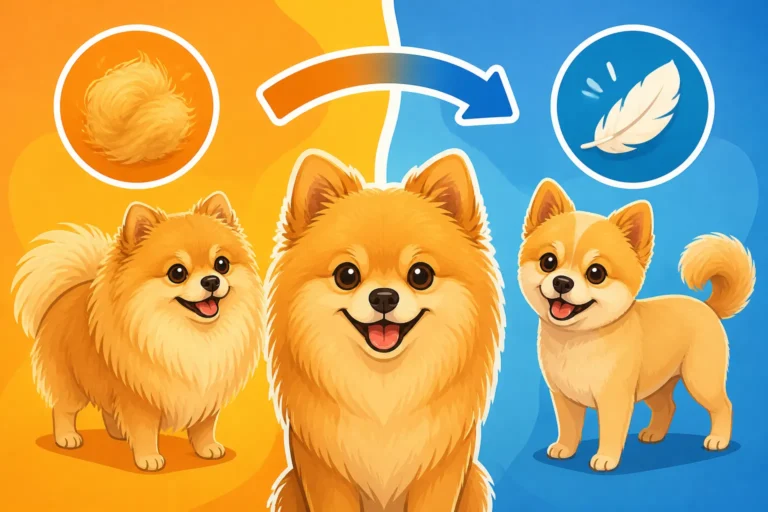
Even the practicalities of caring for a Pomeranian lean into its Toy Group classification. While their magnificent double coat requires regular attention – definitely not a wash-and-wear kind of dog! – the sheer volume of coat on a small body is manageable. The Double Coat That Makes a Pomeranian and Why It Stays On is truly impressive, but maintaining it through regular brushing and occasional baths is a ritual that strengthens the bond between owner and dog. Their grooming needs, though specific, are often perceived as part of the joyful ritual of caring for a cherished companion, rather than a heavy chore associated with a working animal.
Furthermore, their general care, from nail trims to dental hygiene, is scaled to their size. Daily tooth brushing is crucial for these little guys due to their crowded mouths, as discussed in Daily Tooth Care in a Pomeranian's Crowded Mouth. This level of consistent, hands-on care for a relatively small animal reinforces their status as a pampered pet. Owners invest time and effort into maintaining their Pom's pristine appearance and health, a dedication often seen with companion breeds. You might even find yourself looking for specialized tiny toothbrushes or nail clippers, products readily available because so many owners cater to these small breeds. Places like Chewy offer a fantastic array of grooming tools and dental products specifically designed for small breeds, making it easier to provide the tailored care your Pom needs.
In essence, the Pomeranian's journey from robust northern Spitz to a refined, miniature companion, driven by fashion and formalized by breed standards, firmly places it within the Toy Group. Their small size, primary purpose as a companion, and their adaptable, affectionate, yet alert temperament are all defining features that make them the perfect "toy" dog.
Disclaimer
This article is for general informational purposes only and does not constitute professional advice. Laws, prices and regulations vary by location and change over time. Consult a qualified professional for guidance on your specific situation.