Whether a Pomeranian Mix Keeps the Coat
A Pomeranian mix may inherit the Pomeranian’s dense double coat, a shorter coat from its other parent, or a texture somewhere between the two. That uncertainty can make grooming plans—and expectations about shedding—hard to pin down, especially when a puppy’s coat changes as it matures. This guide explains what influences a mix’s coat and how to care for it safely.
Why a Pomeranian mix may or may not keep the coat
Coat inheritance is not a simple copy-and-paste
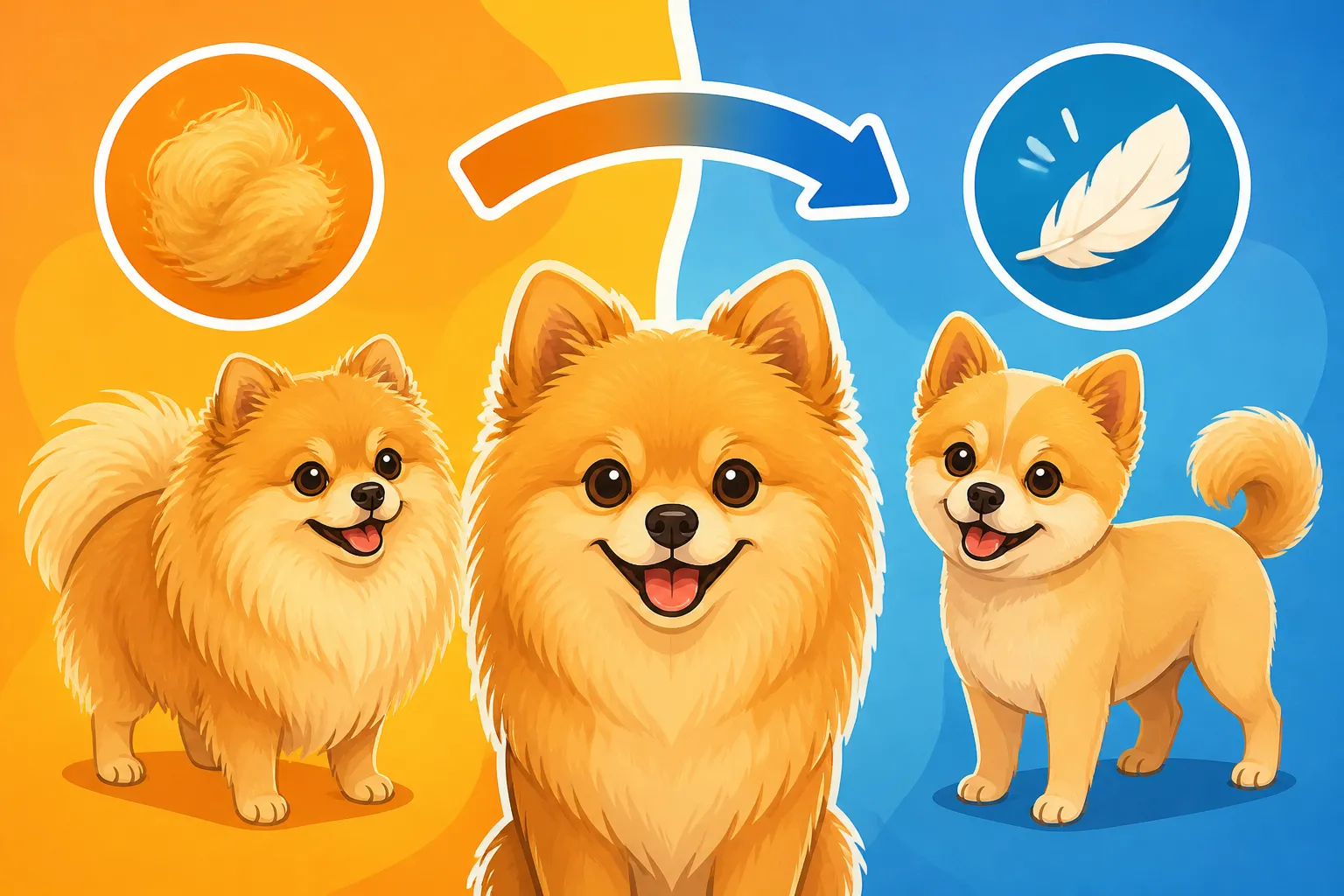
A Pomeranian’s familiar fluffy outline comes from a double coat: longer outer hairs sit over a softer, denser undercoat. A mixed-breed puppy may inherit that coat structure, but it may also inherit traits from the other parent, including a different coat length, texture, or amount of undercoat. The result can be a coat that looks unmistakably Pom-like, or one that doesn’t.
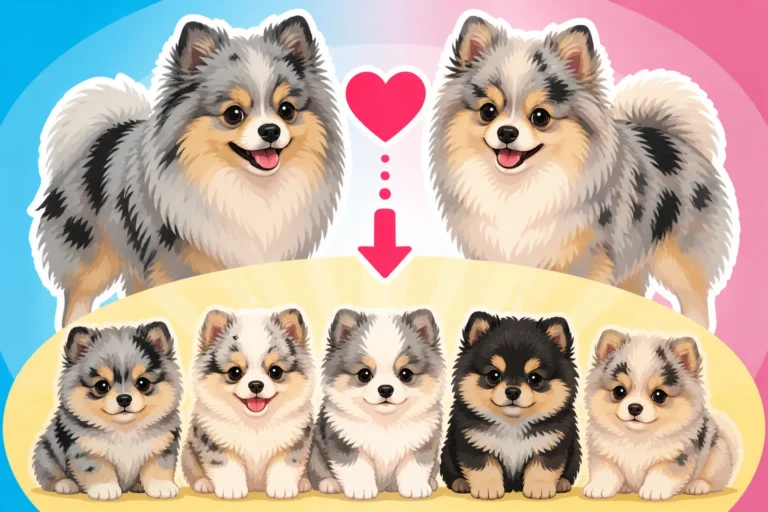
Coat traits involve multiple genes, so a puppy doesn’t necessarily land halfway between its parents. Even puppies from the same litter can look and feel different. One might have a thick ruff and a plumed tail, while a sibling has looser waves and less volume. Knowing the parent breeds can offer clues, but it can’t provide a guarantee.
The Pomeranian coat itself has distinct layers and growth patterns. If you want to understand what a mix might inherit, start with The Double Coat That Makes a Pomeranian and Why It Stays On and The Guard Hair and Undercoat of a Pomeranian. They help explain why a dog can look fluffy without having the same coat structure as a purebred Pomeranian.
The other parent’s coat matters, but does not settle the question
A mix with a short-coated parent may have less feathering or a thinner undercoat than a Pomeranian. But short hair does not automatically mean low shedding: some short-coated dogs shed steadily, while some longer-coated dogs may shed less visibly because loose hairs catch in the surrounding coat. What you notice around your home depends on the individual dog’s coat and shedding pattern, not simply the length of its hair.
A Pomeranian crossed with a curly-coated breed may develop curls, waves, or a fleece-like texture. That can change how loose hair appears and how easily the coat tangles. It doesn’t guarantee a non-shedding or allergy-friendly dog. People with allergies may react to dander and other allergens as well as visible hair, so coat appearance alone cannot predict how they will feel around a particular dog.
Ask what the parents’ coats are like in everyday life, not just how they look in photographs. Do they shed seasonally? Does the coat mat behind the ears? How often does it need brushing? A breeder, rescue, or foster caregiver may be able to describe what they’ve observed. Those details give a more useful starting point than a mix name.
A puppy’s coat may change as it grows
Puppies don’t always keep their first coat. A fluffy young dog can shed puppy hair and develop a coat with a different texture, length, or density. The timing and degree of change vary. A puppy’s appearance at a few months old may not be a reliable preview of its adult coat, so it’s wise to avoid buying grooming tools or booking a major style based only on puppy fluff.
Some Pomeranian mixes go through a transition that resembles the “puppy uglies” familiar to Pom owners: the coat looks uneven or less plush while adult hair comes in. That doesn’t automatically mean something is wrong. Still, sudden bald patches, irritated skin, persistent itching, or hair loss that continues to spread deserve a veterinary check rather than an assumption that the dog is simply changing coats. The Puppy Uglies a Pomeranian Goes Through explains one coat transition that may help put normal changes into context.
What to expect from shedding and grooming
Shedding can vary widely between individual dogs
A Pomeranian mix may shed lightly, moderately, or heavily. Some shed more at certain times of year; others leave hair around the home throughout the year. The amount can also look different depending on coat texture. Long loose hairs may be easy to spot on a dark sofa, while undercoat can collect in a dense coat before it becomes obvious.
| What you notice | Possible explanation | A sensible next step |
|---|---|---|
| Loose hair across furniture | Normal shedding or a seasonal coat change | Brush gently and track whether the pattern is typical for your dog |
| Small tangles behind ears or under a harness | Friction and coat texture are contributing to mats | Check those areas regularly and adjust the harness fit if needed |
| New bald patches or inflamed skin | A health or skin issue may be involved | Arrange a veterinary examination |
| More hair than usual after a major change | Stress, illness, nutrition, or another factor may affect the coat | Note when it began and discuss it with a veterinarian |
| Coat looks thinner but skin appears comfortable | Natural coat variation or an age-related change may be possible | Compare with earlier photos and ask your veterinarian if concerned |
It’s worth remembering that even a mix with a similar appearance can shed differently from a Pomeranian, and two dogs of the same mix can differ from each other.
Brush for the coat your dog has
A long, fluffy coat often needs more frequent attention than a short, smooth one, but brushing harder is not the answer. Work in small sections, use a brush and comb suited to the dog’s coat, and check that you’re reaching the hair near the skin without scraping or pulling. Pay particular attention to friction points: behind the ears, under the collar or harness, around the legs, and beneath the tail.
If your dog is uneasy about brushing, begin with very brief sessions and reward calm behavior. It’s easier to teach a puppy that a brush is ordinary than to wrestle with a full-grown dog’s tangled coat. If you need to check tools at home or compare grooming supplies, Chewy can be one place to browse; the important part is choosing equipment that suits the dog’s actual hair and introducing it gently.
A comb can help reveal tangles that a surface brush misses. Don’t yank at a mat, especially if it sits close to the skin. Pulling can hurt and make grooming frightening. For tight mats, ask a professional groomer or veterinarian for help. Working Through a Mat Behind a Pomeranian's Ear and The Slicker and Pin Brush a Pomeranian Needs offer coat-care guidance that can be adapted to a mix’s coat type.
Bathe and dry without creating new problems
Bathing frequency depends on the individual dog’s coat, skin, activity, and lifestyle. A dog that rolls in muddy grass may need a wash sooner than one that mostly strolls around a clean home. Use products intended for dogs, rinse thoroughly, and take care not to leave dampness trapped in a thick coat. A dense undercoat can take longer to dry than the outer hair suggests.
Drying matters because brushing a wet or partly damp coat carelessly can pull on knots, while leaving a thick coat wet can leave it uncomfortable and prone to tangling. Follow a groomer’s guidance on safe drying for your dog, especially if your dog is nervous about dryers or has sensitive skin. Chewy may help you compare dog grooming products, but a product’s label and suitability for your pet matter more than a claim that it works for every coat.
A first professional grooming visit can also be a chance to ask what kind of coat your dog has and what schedule makes sense. Bring clear photos of the coat at home and explain how much daily maintenance you can realistically manage. A practical routine you can keep up is better than an elaborate plan that becomes stressful for both of you.
Keeping a Pomeranian mix comfortable as its coat changes
Choose trims with coat health in mind
A trim can neaten feet, tidy sanitary areas, or shape a coat without taking it very short. The right approach depends on the dog’s coat type, skin condition, and grooming tolerance. Before asking for a style, explain that your dog is a Pomeranian mix and discuss what you know about its undercoat. If you’re unsure, ask the groomer to describe the plan before the clippers or scissors come out.
Shaving a double coat close to the skin is not a simple way to stop shedding or keep a dog cool. The coat may grow back differently, and some dogs experience poor or uneven regrowth. This risk is one reason to be cautious about choosing a very short cut for a mix with a thick undercoat. See Trims a Pomeranian Can Safely Have and Why a Shaved Pomeranian May Not Regrow for more on this concern.
There may be circumstances where a close clip is recommended to address severe matting or a medical need. That decision is best discussed with a qualified groomer or veterinarian, with the dog’s comfort as the priority. It’s different from shaving simply because a fluffy coat looks warm or requires regular brushing.
Treat unusual hair loss as a health question
Normal shedding usually doesn’t create expanding bald patches or painful, irritated skin. If your dog’s coat becomes sparse in a particular area, the skin darkens or reddens, or your dog scratches and licks persistently, arrange a veterinary visit. A veterinarian can assess the skin and consider possible causes instead of guessing from coat appearance alone.
Pomeranians can develop coat and skin problems, but a mixed-breed dog should not automatically be assumed to have a Pomeranian-related condition. A change in hair can have more than one explanation, and treatment depends on the cause. Avoid starting supplements or skin treatments without checking whether they’re appropriate for your dog.
For more background on one condition discussed in Pomeranians, read Black Skin Disease and the Pomeranian Coat That Never Returns and Whether a Pomeranian's Coat Grows Back After Alopecia X. These topics can help you understand why persistent coat loss deserves careful assessment rather than a quick diagnosis based on breed mix.
Build a routine around your dog, not a label
A practical coat routine starts with observation. Once a week, check the skin, ears, tail, and friction areas while brushing. Make a note if shedding changes, mats appear in the same place, or your dog becomes uncomfortable during grooming. Those small observations can help you adjust care early and give a groomer or veterinarian clearer information if a problem develops.
The routine might be a quick comb-through several times a week for a long, dense coat, or occasional brushing for a short, low-maintenance coat. There is no single schedule that suits every Pomeranian mix. A dog with curls may need frequent detangling even if loose hair is less visible; a straighter double coat may need attention to undercoat and seasonal shedding. Chewy can be useful for browsing brushes or dog shampoos, but match any choice to your dog’s coat and ask a professional when you’re unsure.
Most of all, don’t judge a mix’s adult coat by its name or puppy photos. Ask about the parents, watch how the coat changes, and get advice based on the dog in front of you. With patient brushing, sensible trimming, and prompt attention to skin changes, you can care for a Pomeranian mix whether its coat turns out plush, sleek, wavy, or somewhere in between.
Disclaimer
This article is for general informational purposes only and does not constitute professional advice. Laws, prices and regulations vary by location and change over time. Consult a qualified professional for guidance on your specific situation.