Working Through a Mat Behind a Pomeranian’s Ear
One of the most disheartening things for any Pomeranian parent is running your fingers through that magnificent, fluffy coat, only to hit a hard, stubborn mat, especially behind their ears. This isn't just a cosmetic issue; these tangles can pull at their delicate skin, cause discomfort, and even lead to painful skin infections if left unchecked. This guide will walk you through understanding why these mats form in such a sensitive spot, equipping you with the right tools, and giving you a gentle, step-by-step approach to safely remove them, all while keeping your precious Pom comfortable and happy.
Understanding Why Mats Form Behind Your Pomeranian's Ears
It’s easy to feel like you’re doing something wrong when you discover a mat, but trust me, you're not alone. The area behind the ears is a notorious hotspot for matting in Pomeranians, and there are very good reasons for it that go beyond simply missing a brush stroke or two. Understanding these factors is the first step in both resolving and preventing the issue.
The Unique Texture of Pomeranian Coat in Delicate Areas
Pomeranians boast a truly luxurious double coat – a soft, dense undercoat that provides insulation, and a longer, coarser guard hair that gives them their distinctive fluffy appearance. This combination is beautiful, but it's also a perfect recipe for tangles, especially where the fur is finer and subjected to more friction.
Behind the ears, the fur tends to be particularly soft and fine, almost like cotton. This delicate texture is different from the sturdier guard hairs on their back or the denser fluff of their ruff. These finer hairs are prone to intertwining with each other more easily, especially when they're shed. It’s a bit like trying to comb out a skein of silk thread versus a rope – one is far more likely to tangle. Furthermore, as your Pomeranian transitions from their puppy fluff to their adult coat, often called the "puppy uglies," their coat can go through a period of increased shedding and texture change, making them even more susceptible to matting. This process involves the old puppy coat shedding out and the new, denser adult coat growing in, which creates a prime opportunity for tangles to form if not diligently managed. You can read more about The Guard Hair and Undercoat of a Pomeranian to truly appreciate the complexity of their unique fur.
Common Causes and Contributing Factors
Beyond the intrinsic nature of their coat, several external factors contribute significantly to mat formation behind a Pomeranian's ears.
Firstly, natural movement plays a huge role. Pomeranians love to rub their heads against furniture, roll on carpets, and scratch behind their ears with their hind paws. Each of these actions creates friction, which is a mat's best friend. The constant rubbing and pressure on those fine hairs cause them to knot together. Think about how your own hair gets tangled after a windy day or sleeping without tying it up – it's a similar principle, but with a double coat that's always in motion. Even a collar or harness, if not fitted correctly or if it rubs against the ear area during walks, can contribute to matting, though usually Preventing Mats Where a Pomeranian's Harness Sits focuses on other areas.
Secondly, moisture is a major culprit. If your Pomeranian gets a bath and isn't thoroughly dried and brushed afterward, especially behind the ears, those wet hairs will clump together as they dry. Humidity in the air can also cause the undercoat to curl and tangle more readily. And let's not forget the occasional splash from the water bowl or a damp spot from rolling in the grass. Any dampness, combined with the fine texture, can rapidly turn a small knot into a full-blown mat.
Finally, the most common reason is simply overlooking this spot during routine brushing. It’s not intentional, of course! We tend to focus on the more visible areas like the back, sides, and magnificent ruff. The area right behind the ear is often hidden by the ear itself and the surrounding fluff, making it an easy spot to miss with your brush or comb. However, mats don't form overnight; they start as small tangles that, if not addressed, quickly gather more loose hair and become tightly felted masses. If you're not consistently brushing your Pom several times a week, or if you're not getting all the way down to the skin, even with diligent effort, those mats can still sneak up on you.
Essential Tools for Gentle Dematting
Before you even think about tackling a mat, you need to gather the right arsenal of tools. Using the wrong brush or trying to force a comb through a tangle can cause pain, skin irritation, and make your Pomeranian even more resistant to future grooming sessions. The goal here is gentle, effective dematting that prioritizes your dog's comfort.
The Right Brushes and Combs for Pomeranian Coats
For Pomeranians, you'll need a specific set of tools to penetrate their dense double coat and handle those fine, delicate hairs without causing damage.
First and foremost, a good slicker brush is invaluable. Look for one with fine, bent wire bristles. This brush is excellent for getting through the topcoat and gently teasing out tangles in the undercoat. It’s what you'll use for most of your regular brushing, and also for gently working on the outer layers of a mat. However, be careful not to scrape the skin with it. A pin brush with rounded pins can also be useful for longer, flowing hair, and it's often more comfortable for sensitive areas, but it's not as effective for deep mats. For a more detailed look at these, check out The Slicker and Pin Brush a Pomeranian Needs.
The real workhorse for dematting, however, is a steel comb. You'll want one that has both wide-set and fine-set teeth. The wide-set teeth are perfect for initially separating the mat, while the finer teeth can be used to thoroughly check for any remaining tangles once the larger portions are gone. This comb needs to be sturdy enough to gently pull through knots without bending or breaking. Avoid plastic combs, as they often create static and aren't durable enough for stubborn mats. When shopping for these, you can often find great options on platforms like Amazon or Chewy.
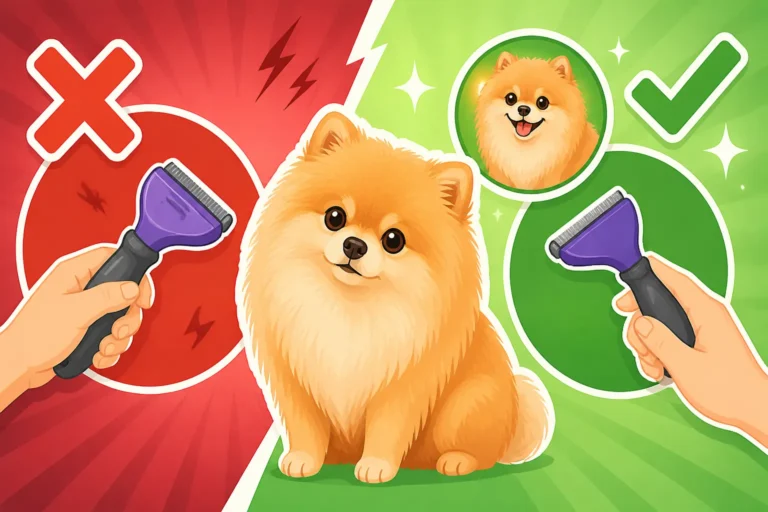
While specialized dematting combs or rakes exist, they should be used with extreme caution on a Pomeranian's delicate skin and fine hair. These tools often have sharp, hooked blades designed to cut through mats. If used incorrectly or too aggressively, they can easily pull out too much healthy hair, scratch the skin, or even tear the coat, leading to more problems than they solve. For the sensitive area behind the ears, I generally recommend sticking to the slicker brush and steel comb combination, as it allows for more control and less risk of injury.
Dematting Sprays and Conditioners
Never try to brush out a dry mat. Seriously, it's like trying to untangle a knot in a dry fishing line – it just tightens and breaks. Lubrication is key to dematting, as it helps the hair strands slide past each other rather than catching and tearing.
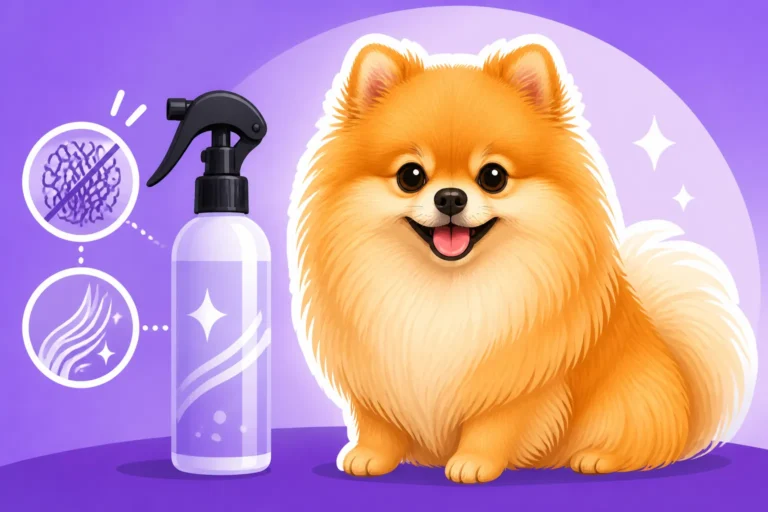
A good detangling or dematting spray is an absolute must-have. These sprays are designed to soften the hair, reduce friction, and make it easier to separate the tangled strands. Look for one specifically formulated for dogs, ideally with conditioning agents like argan oil, aloe vera, or silk proteins. You'll spray a liberal amount directly onto the mat, allowing it to soak in for a few minutes before you start working. This simple step can drastically reduce the amount of pulling and pain for your Pomeranian. Many excellent brands are available, and you can easily browse reviews and purchase them from online retailers like Chewy or Amazon.
In a pinch, a good quality leave-in conditioner diluted with a bit of water can also work. The idea is to saturate the mat, making the hair supple and slippery. This protective barrier helps prevent breakage and reduces the discomfort your Pom will feel. It also helps to prevent static electricity which can cause further tangling as you brush. Remember, this isn't just about getting the mat out; it's about preserving the integrity of their beautiful coat and making the experience as positive as possible.
Scissors and Clippers: When and How to Use Them Safely
This is where extreme caution comes in. Scissors and clippers are truly a last resort for dematting, particularly behind the ears where the skin is thin and easily nicked. My general rule of thumb is: if you can avoid cutting, do so. However, sometimes a mat is so tight, so close to the skin, or so extensive that it simply cannot be brushed or combed out without causing extreme pain.
If you absolutely must use scissors, always use blunt-tipped grooming scissors and point them away from the skin. Never, ever use sharp household scissors. The rounded tips are a critical safety feature. The technique is to gently lift the mat away from the skin (if possible) and then carefully snip into the mat, rather than trying to cut across it. This creates smaller sections that may then be easier to comb out. Think of it as breaking the mat into smaller, more manageable pieces, rather than trying to remove it whole. You should only be cutting a millimeter or two at a time, just enough to loosen the mat. You can see how this differs from general Sanitary Trimming on a Pomeranian.
Small grooming clippers with a very short blade (like a #10 or #15) can be used for very tight mats right against the skin. However, this is best left to a professional groomer or veterinarian, as it’s incredibly easy to cut the skin, especially on a squirming Pomeranian. The skin under a mat is often already irritated, thin, and stretched, making it even more vulnerable. If you do attempt it at home, make sure the clippers are clean, sharp, and cool, and always try to slide a comb between the blade and the skin as a guard if the mat isn't completely flush. When a mat is this severe, Whether a Matted Pomeranian Has to Be Shaved becomes a very real consideration. Ultimately, if you're not 100% confident in your ability to use these tools safely, put them down and consider professional help. It’s not worth risking an injury to your beloved pet.
| Tool Type | Best Use Cases | Pros | Cons |
|---|---|---|---|
| Slicker Brush | Removing loose undercoat, surface tangles, initial mat separation | Effective for double coats, comfortable for most dogs | Can scratch skin if used too aggressively, not for tight mats |
| Steel Comb | Deep coat checks, separating mat strands, finishing | Essential for thorough dematting, versatile | Can pull if used improperly on tight mats, requires patience |
| Dematting Spray | Lubricating mats, reducing friction and breakage | Softens hair, makes detangling easier | Some dogs dislike the spray, may need to sit for a few minutes |
| Blunt Scissors | Carefully cutting into dense mats (last resort) | Breaks mats into smaller, manageable pieces | High risk of cutting skin, only for experienced users |
| Small Clippers | Shaving under extremely tight mats (last resort) | Most effective for severe, skin-bound mats | Highest risk of cutting skin, best left to professionals |
A Step-by-Step Guide to Dematting Behind the Ears
Now that you have your tools ready, it's time to tackle that mat. Remember, patience and a gentle touch are your best friends here. This isn't a race; it's a careful operation designed to keep your Pomeranian as comfortable as possible.
Preparation and Creating a Calm Environment
Before you even touch your Pomeranian with a brush or comb, take a moment for preparation. Your dog can sense your stress, so take a deep breath and project calm.
First, choose a quiet time when both you and your Pom are relaxed. Avoid times when they're overly energetic, hungry, or need to potty. Find a comfortable, elevated surface where you can easily reach behind their ears, like a sturdy grooming table, a counter (with a non-slip mat), or even your lap if they're particularly calm there. Make sure the area is well-lit so you can clearly see what you're doing. Have all your tools laid out and within easy reach: slicker brush, steel comb, dematting spray, and plenty of small, high-value treats.
Next, it’s crucial to make the experience positive. Before you even touch the mat, offer a few treats and some gentle praise. If your Pomeranian is prone to squirming or gets anxious during grooming, consider having a helper. This person can gently hold your Pom, offering continuous reassurance and treats, while you focus on the mat. You might also want to explore Building a Pomeranian's Tolerance for Combing Mats if this is a recurring struggle. The goal is to associate grooming with good things, not just the discomfort of a mat being removed. Start by gently petting the area around the mat, slowly introducing the idea that you’ll be working there.
The Dematting Process: Working Small Sections
This is the core of the operation. Remember the mantra: small sections, gentle, and slow.
- Isolate the Mat: Gently part the healthy hair around the mat to expose it fully. You can use your fingers or the wide teeth of your steel comb.
- Apply Dematting Spray: Liberally spray the mat with your chosen detangling solution. Ensure it penetrates thoroughly. Let it sit for 2-5 minutes to allow the conditioners to soften the hair. This step is critical; don't skip it.
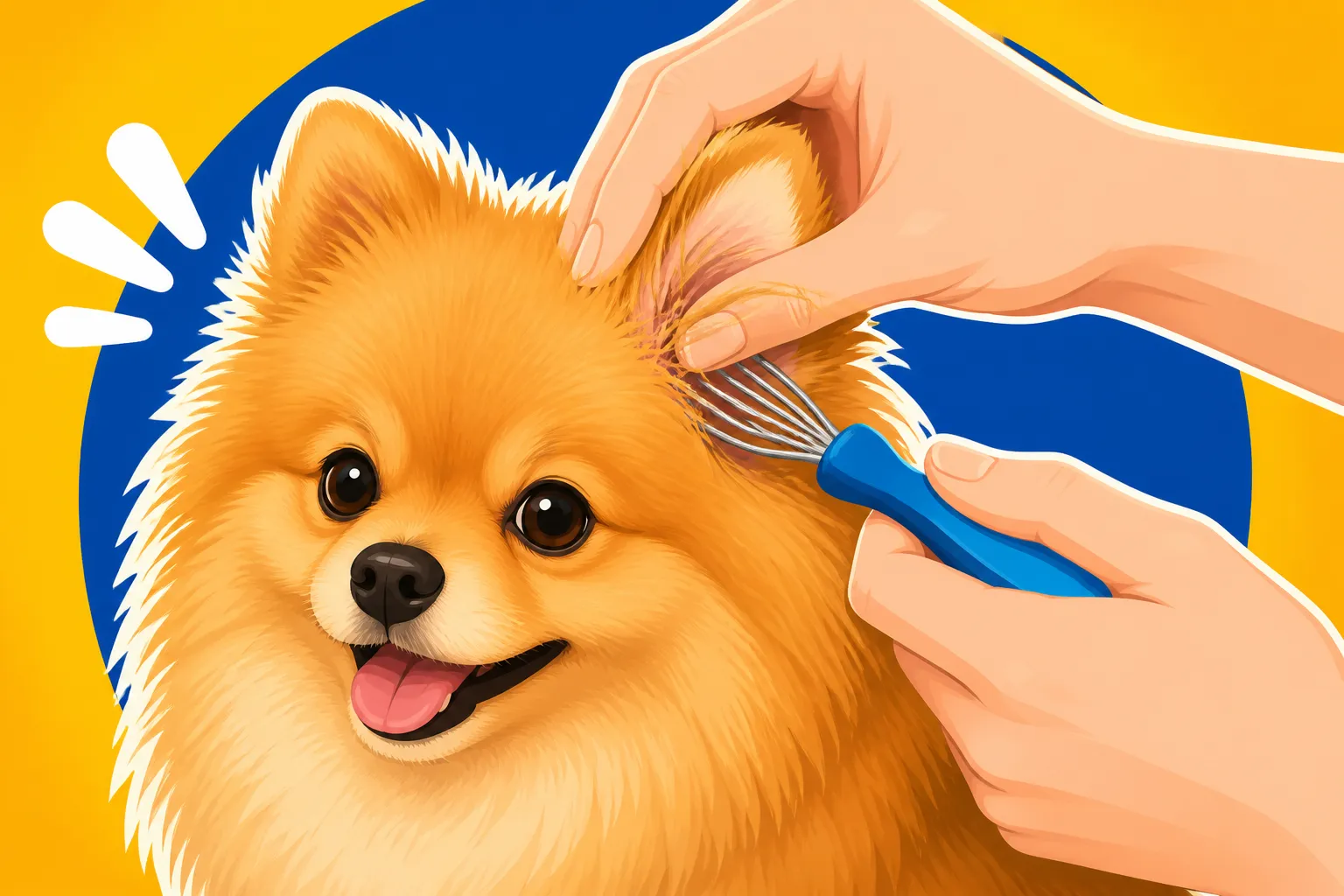
- Start from the Edges: Never try to pull a comb through the entire mat at once. Begin at the very edge of the mat, closest to the ends of the hair, not the skin. Use the wide-toothed side of your steel comb. Hold the hair at the base of the mat, near the skin, with your non-dominant hand. This technique, sometimes called "base holding" or "pinning," prevents the comb from pulling on the sensitive skin.
- Tease Apart: With your other hand, gently pick and tease at the mat with just a few teeth of your comb. Work in very small, short strokes, pulling away from the skin. Imagine you're trying to separate individual strands of hair within the mat. If you encounter resistance, stop. Don't force it. Re-spray if needed.
- The "Line Brushing" Technique: As you successfully work through the outer layers, you can transition to "line brushing." This involves parting the coat horizontally and brushing down, section by section, starting from the bottom of the section you're working on. Each pass should clear a thin line of hair down to the skin. Then, you move up slightly and repeat. This ensures you're clearing the undercoat as you go, not just the top layer. This technique is detailed further in Working a Pomeranian's Coat in Sections to the Skin.
- Snip, Don't Cut Through: If a section of the mat is truly impenetrable with the comb, and only then, use your blunt-tipped scissors. Gently lift the mat away from the skin, then carefully make a shallow cut into the mat, parallel to the growth of the hair. Do not cut across it. This breaks the mat into smaller strips, which are then easier to comb out. You might need to make several small cuts. Always keep your fingers between the scissors and your Pom's skin.
- Continue Until Clear: Keep working slowly, section by section, alternating between the comb, slicker brush (for looser sections), and dematting spray, until the mat is entirely gone. Take breaks if your Pomeranian (or you!) gets stressed.
Post-Dematting Care and Comfort
Once the mat is out, the work isn't quite finished. The area behind the ear might be a little sensitive, and your Pomeranian might be a bit wary.
First, gently brush the newly freed hair with your slicker brush and then comb through thoroughly with your steel comb to ensure no tiny tangles remain. Check the skin under where the mat was. Mats can cause skin irritation, redness, or even minor abrasions. If you see any raw spots or persistent redness, a soothing, dog-safe balm or a call to your vet might be in order. Keep an eye on the area over the next few days to ensure it heals properly.
Next, and this is crucial, end on a positive note! Shower your Pomeranian with praise, cuddles, and plenty of their favorite treats. Make sure the final moments of the grooming session are pleasant. This reinforces the idea that even though it might have been uncomfortable, good things happen afterward. A delicious treat from Ollie, for example, could be a wonderful way to seal the deal and make them forget the slight discomfort. This positive reinforcement is key to making future grooming sessions easier.
Preventing Future Ear Mats
The best way to deal with mats is to prevent them from forming in the first place. Consistency in your grooming routine is far more effective and less stressful than trying to tackle large, painful mats.
Establishing a Consistent Grooming Routine
This is the cornerstone of a healthy, mat-free Pomeranian coat. While it might seem like a lot of work, a few minutes several times a week is far better than hours struggling with a matted mess.
Aim for brushing your Pomeranian at least 3-4 times a week, if not daily, especially if they have a very dense coat or are going through a coat blow. When you brush, don't just skim the surface. You need to get all the way down to the skin to remove any loose undercoat that would otherwise clump and form mats. Use the line brushing technique discussed earlier, working in small sections across their entire body, and paying extra attention to known mat hotspots like behind the ears, under the armpits, and on their britches. You can find more detail about how often to brush in How Many Times a Week a Pomeranian Is Brushed.
Regular grooming sessions are also a great opportunity to bond with your Pomeranian and get them accustomed to being handled. Make it a calm, positive experience with gentle strokes and rewards. The more comfortable they are with grooming, the easier these sessions will become, and the less likely you'll encounter severe matting.
Proper Bathing and Drying Techniques
Bathing is essential for keeping your Pomeranian clean, but it can also be a significant contributor to matting if not done correctly.
When bathing, always use a high-quality dog shampoo and conditioner. Work the shampoo gently into the coat, being careful not to rub vigorously, as this can tangle the hair further. The most critical part is rinsing. You must rinse thoroughly, ensuring all shampoo and conditioner residue is completely removed. Any leftover product can make the coat sticky and prone to matting.
After rinsing, gently squeeze excess water from their coat, and then wrap them in a towel. Avoid rubbing aggressively with the towel, as this will also cause tangles. Instead, blot and squeeze the water out. The absolute most important step after bathing is thorough blow-drying. Never allow a Pomeranian's double coat to air dry, especially if they are prone to matting. As the hair air dries, it shrinks and tightens, pulling any existing tangles into dense mats. Use a dog-specific forced-air dryer on a cool or low-heat setting, or even a human hairdryer on its coolest setting. While drying, use your slicker brush to continuously brush the coat, working in sections down to the skin, until every part of their double coat is completely dry and fluffy. Drying a Pomeranian Without Damaging the Coat is an art form in itself! This process separates the hairs as they dry, preventing them from clumping.
Recognizing Early Signs and Addressing Them Promptly
Being proactive is your best defense against mats. Incorporate a quick "mat check" into your daily routine, especially in those sensitive areas.
After playtime, a walk, or even just a cuddle session, run your fingers gently through the fur behind their ears. You'll be looking and feeling for any small knots or areas where the hair feels denser or stickier than usual. Early tangles are much easier to brush out than fully formed mats. A small tangle that takes 30 seconds to fix can become a painful, hour-long ordeal if left for a few days.
Teach yourself to recognize the feel of a healthy, flowing Pomeranian coat. When it feels soft and allows your fingers to glide through easily, you know you're in good shape. If you feel any resistance or a slight clump, stop and investigate. Use a little dematting spray and your steel comb to gently work it out right away. Catching these "baby mats" before they grow into monsters will save both you and your Pomeranian a lot of discomfort and stress in the long run.
When to Call in the Professionals
Despite your best efforts, sometimes a mat can become too severe for home management. It's crucial to know when to swallow your pride and seek help from a professional groomer or your veterinarian. Trying to tackle an impossible mat at home can lead to injury, pain, and a negative association with grooming for your Pomeranian.
Identifying Mats Beyond Home Management
There are several clear indicators that a mat has gone beyond what you can safely or comfortably handle at home.
Firstly, if the mat is so tight that it's pulling the skin taut or causing visible irritation, redness, or broken skin underneath, it's time to call for help. Skin caught in a tight mat can be incredibly painful and can quickly develop hot spots or infections. You might notice your Pomeranian constantly scratching or rubbing the area, which only makes things worse.
Secondly, if the mat is extensive, covering a large area behind the ear, or if it feels like a solid, unyielding lump, attempting to comb it out yourself will likely be futile and cause significant distress. These types of mats often have many layers of hair felted together, and they require specialized tools and techniques to remove safely.
Finally, if your Pomeranian becomes overly fearful, aggressive, or starts snapping when you try to touch the mat, it's a clear sign that they are in pain or anticipating it. Pushing through this can damage your bond and make future grooming impossible without extreme measures like sedation. Their safety and emotional well-being are paramount.
Benefits of Professional Grooming
Bringing in a professional groomer offers numerous benefits, especially when dealing with challenging mats.
Groomers have specialized training, tools, and experience in handling matted coats. They know how to assess the severity of a mat and determine the safest, most humane way to remove it. They have high-velocity dryers and a range of dematting tools that are often more effective than what the average home groomer possesses. More importantly, they understand canine behavior and can often work with a stressed dog more effectively, using calming techniques and positive reinforcement to minimize fear and discomfort. They also have a steady hand and an eye for how to safely navigate delicate skin around the ears, which is particularly thin and prone to injury.
A professional groomer can also provide preventative advice tailored to your Pomeranian's specific coat type and lifestyle. They can recommend specific brushes, sprays, and routines to keep future mats at bay. While the initial cost of professional dematting might seem high, it pales in comparison to the potential vet bills from a skin infection caused by a neglected mat or an accidental injury from trying to cut it out yourself. This is why The Grooming Bill Nobody Warns a Pomeranian Owner About can sometimes be unexpectedly high, but it's often an investment in your dog's health and comfort. You can often find reputable groomers through your vet's office, breed club recommendations, or even through services listed on platforms like Chewy.
The Reality of Shaving for Severe Matting
Sometimes, despite everyone's best intentions, a mat is simply too severe, too tight, or too painful to brush out. In these cases, shaving the mat out, or even the entire area, becomes the kindest and safest option for your Pomeranian.
A professional groomer will often advise a "comfort shave" if the mats are extensive and painful. This involves carefully shaving underneath the mats, close to the skin, to remove them. While it might be heartbreaking to see your fluffy Pomeranian with a bald spot or even a full body shave, it's a temporary cosmetic sacrifice for their comfort and health. The skin underneath severe mats can be extremely inflamed, hot, and even infected. Removing the mat allows the skin to breathe, heal, and receive any necessary topical treatments.
It's important to understand that shaving a Pomeranian's double coat, especially in cases of severe matting, carries some risks to the coat regrowth. Sometimes, the coat can grow back unevenly, or in some cases of certain conditions like Alopecia X (Black Skin Disease), it might not grow back at all, or only partially. This phenomenon is often discussed in topics like Why a Shaved Pomeranian May Not Regrow. However, when faced with a choice between a potentially compromised coat regrowth and allowing your Pomeranian to suffer in pain from severe matting, comfort and health should always win. A good groomer will discuss these possibilities with you upfront, manage your expectations, and explain the aftercare needed to support healthy regrowth.
Disclaimer
This article is for general informational purposes only and does not constitute professional advice. Laws, prices and regulations vary by location and change over time. Consult a qualified professional for guidance on your specific situation.