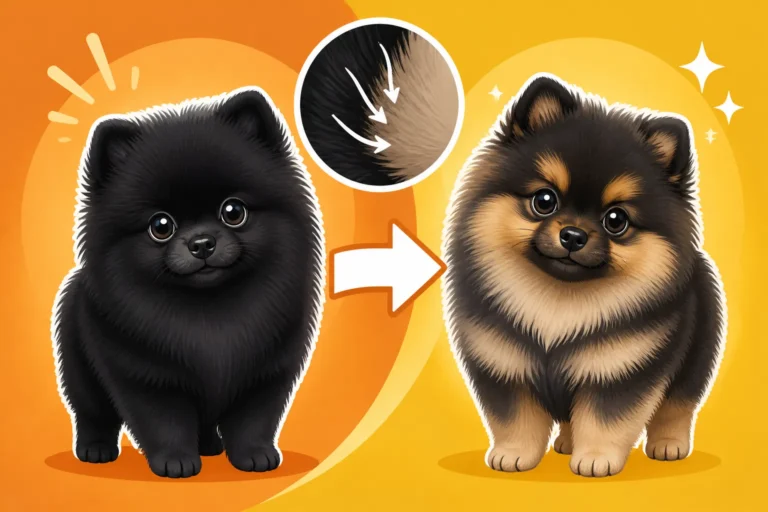
The Three to Seven Pounds a Pomeranian Is Allowed
One of the most common questions I hear from new Pomeranian owners, or those just considering bringing one of these fluffy bundles into their lives, often revolves around their size. You see them online, tiny little puffs, and then you hear stories of larger Poms, leaving many to wonder: what exactly is the right size for a Pomeranian? It’s a real head-scratcher when you’re trying to understand the breed standard versus what you sometimes encounter in person or through less-than-reputable sources. This guide aims to clear up all that confusion, delving deep into the official three to seven-pound weight range for a Pomeranian, why it matters so much, and what it means for your furry friend's health and happiness.
Understanding the Official Pomeranian Weight Standard
When you look at a Pomeranian, you're looking at centuries of selective breeding that transformed a much larger sled dog into the vibrant, petite companion we know today. This journey has culminated in a very specific set of guidelines that dictate what makes a Pomeranian, well, a Pomeranian. The weight standard isn't just an arbitrary number; it's a carefully considered range that breeders and enthusiasts strive to maintain for the health and structural integrity of the breed.
What the Breed Standard Says
If you're ever at a dog show, or simply researching the breed, you'll quickly encounter the breed standard. This is the blueprint for the ideal Pomeranian, dictating everything from coat texture to ear set, and yes, crucially, weight. Reputable kennel clubs worldwide, like the American Kennel Club (AKC), uniformly state that a Pomeranian should weigh between three and seven pounds (1.36 to 3.17 kg). This isn't a suggestion; it's a cornerstone of what defines the breed.
Why such a specific range? It's about preserving the breed's characteristics and ensuring good health. A Pomeranian within this weight range is generally considered to have the appropriate bone structure, musculature, and overall build to thrive. Dogs falling significantly outside this range, either too small or too large, often come with a host of issues that compromise their well-being. This standard helps ensure that the Pomeranian remains a sturdy, yet delicate, toy breed. Deviations from this standard are often seen as faults in the show ring, but more importantly, can indicate potential health vulnerabilities that we, as owners, need to be aware of.
Historical Context: How Poms Shrank to This Size
It's truly wild to think about, but the Pomeranian we adore today is a far cry from its ancestors. These aren't just small dogs; they come from a long line of robust, working Spitz breeds from the Arctic regions of Europe. Imagine a fluffy, twenty-five pound dog that looked more like a miniature Malamute or Samoyed – that was the Pomeranian of the 1800s! The Twenty Five Pound Pomeranian of the 1800s details just how different they used to be.
The transformation really picked up steam in the late 19th century, largely thanks to Queen Victoria of England. She fell in love with a smaller Pomeranian she encountered in Italy, named Marco, who reportedly weighed closer to 12 pounds. Her passion for these smaller dogs set a trend, and breeders began to actively select for smaller size. This wasn't a quick process; it took generations of dedicated breeding. The goal was to retain the beautiful coat, the foxy face, and the lively personality, but in a more compact package suitable for companion life in aristocratic homes. The journey to the current three to seven-pound standard is a fascinating tale of selective breeding and royal influence, showing How the Pomeranian Halved in Size in One Lifetime. It demonstrates the power of human preference in shaping dog breeds, sometimes for the better, sometimes with unforeseen consequences.
Why This Weight Range is Crucial for Health
The three to seven-pound window isn't just for aesthetics or show ring success; it's deeply tied to the Pomeranian's overall health and well-being. A Pomeranian that fits within this standard range is typically less prone to certain health complications that can arise from being either too small or too large.
For instance, being excessively small (under three pounds) often means a more delicate bone structure, making them far more susceptible to fractures from even minor falls or jumps. Their internal organs might also be disproportionately small or underdeveloped, leading to issues with organ function. On the other hand, an overweight Pomeranian, even if within the 3-7 pound frame, or a "throwback" Pomeranian that is significantly larger, faces its own set of challenges. Excessive weight puts undue strain on their tiny joints, exacerbates respiratory issues like collapsing trachea, and can lead to heart disease and diabetes. Maintaining a Pomeranian within this ideal weight range is a proactive step in preventing these kinds of health problems and ensuring a long, happy life. It's about giving them the best possible foundation for a healthy existence.
The Difference Between "Standard" and "Teacup" Pomeranians
You've probably heard the term "Teacup Pomeranian" floating around, especially on social media or from less experienced breeders. It sounds adorable, doesn't it? A Pom small enough to fit in a teacup! But here's the honest truth: "teacup" is not an official breed designation recognized by any reputable kennel club. It's a marketing term, often used to describe Pomeranians that fall significantly below the breed standard's minimum weight of three pounds. While the idea of an extra-tiny pup might be appealing, the reality can be quite different and often comes with serious health implications.
The Allure and Risks of Smaller Poms
There's no denying the appeal of a tiny dog. They fit easily into small apartments, are lightweight to carry, and possess an undeniable "cute" factor. For some, the idea of a teacup Pomeranian represents the pinnacle of this miniature charm. Breeders who market "teacup" Poms often play into this desire for extreme miniaturization, sometimes charging premium prices for these tiny pups. They might showcase puppies that are just a pound or two, emphasizing their small stature.
However, the allure quickly fades when you consider the risks. What Teacup Breeding Costs a Pomeranian goes into detail about the significant sacrifices made when breeding specifically for such small sizes. These dogs are often the runts of the litter, or the result of breeding two very small, sometimes unhealthy, dogs together. This can lead to a host of congenital issues that might not be immediately apparent. Owners are often unprepared for the fragile nature and intensive care requirements of these extremely tiny Poms, leading to heartbreak and considerable vet bills down the line. It's a classic case where "cute" can mask serious underlying problems.
Health Challenges for Pomeranians Under Three Pounds
Pomeranians under three pounds, often marketed as "teacups," face a disproportionate number of health challenges compared to their standard-sized counterparts. Their tiny bodies simply aren't as robust. One of the most common and dangerous issues is hypoglycemia, or dangerously low blood sugar. Because of their small size, they have less fat and muscle reserves to maintain stable blood sugar levels, especially as puppies. Stress, missed meals, or even too much activity can trigger a sudden crash.
Beyond blood sugar, these ultra-small Poms are also at a higher risk for delicate bone structures, leading to fractures from minor falls. Their skulls might not fully close, leaving a soft spot known as an open fontanelle, which makes them vulnerable to head trauma. Organ issues, such as liver shunts or underdeveloped kidneys, are also more prevalent. Whether a Two Pound Pomeranian Can Be Healthy really highlights the struggles these dogs can face. Anesthesia, for routine procedures like spaying or neutering, becomes much riskier for a two-pound Pomeranian, requiring highly specialized veterinary care and monitoring. It’s a constant tightrope walk, and responsible owners need to understand these increased vulnerabilities.
Recognizing Reputable Breeding Practices vs. "Teacup" Marketing
Navigating the world of Pomeranian breeders can be tricky, especially with persuasive marketing terms like "teacup" being thrown around. The key to recognizing a reputable breeder is understanding their priorities. A good breeder prioritizes health, temperament, and adherence to the breed standard, not extreme miniaturization. They will openly discuss health clearances for the parents, genetic testing, and will typically not have puppies available year-round.
Here’s a table to help differentiate:
| Feature | Reputable Breeder | "Teacup" Marketer / Irresponsible Breeder |
|---|---|---|
| Focus | Health, temperament, adherence to breed standard (3-7 lbs) | Extreme smallness, novelty, quick sales |
| Parent Health | Full health clearances, genetic testing (patellas, heart) | Often unknown, minimal or no health testing |
| Pricing | Reflects health testing, care, and breeding expenses | Often significantly higher for "rarity" of size |
| Transparency | Welcomes questions, provides vet records, allows visits | May be evasive, pushes quick decisions, avoids detailed questions |
| Guarantees | Health guarantee against congenital defects | Often limited or no guarantee, "as-is" sales |
| Puppy Age for Placement | Usually 10-12 weeks, ensuring weaning and initial shots | Often as early as 6-8 weeks, too young for proper socialization |
| Kennel Club Affiliation | Registered with reputable clubs (AKC, UKC, etc.) | May claim registration but avoid specific club checks, or none |
| Contract | Detailed, often includes spay/neuter clauses | Minimal or no contract, purely transactional |
When you speak with a breeder, ask about the expected adult weight of their puppies, and inquire about the health of the parents. If they consistently produce dogs under three pounds and actively market them as "teacups," it's a huge red flag. A reputable breeder understands that the smallest pup in a litter might be more fragile, and they will prioritize placing that puppy in a home equipped to handle potential issues, often without charging a premium for its small size. True breeders are focused on bettering the breed, not just selling a novelty.
Living with a Pomeranian Within the Healthy Weight Range
Bringing a Pomeranian into your home means committing to their unique needs, and that includes managing their weight. When your Pom falls within the ideal three to seven-pound range, you're already off to a great start, but the work isn't over. Maintaining that healthy weight involves careful feeding, appropriate exercise, and making sure their small size doesn't lead to preventable accidents. It's about creating an environment where your tiny companion can thrive.
Feeding for Optimal Weight Management
Even though Pomeranians are small, their nutritional needs are mighty. They are active, intelligent dogs, and their metabolism can be surprisingly quick. Feeding them for optimal weight management means selecting the right food and sticking to a consistent schedule. For a Pomeranian that weighs around five pounds, you'll find that their daily food intake is relatively small, but it needs to be nutrient-dense. Feeding a Pomeranian That Weighs Five Pounds will give you more specific guidance.
Look for high-quality small breed kibble, or if you prefer, consider fresh food options that are appropriately portioned. Brands like Chewy often carry a wide selection of small-breed specific formulas that are perfect for Poms. The key is to avoid free-feeding. Instead, measure out their meals and feed them two to three times a day. This helps regulate their digestion and prevents them from overeating. Be mindful of treats, too! Those tiny pieces of kibble or small training treats add up quickly in a dog so small. Always factor treats into their daily calorie intake. Regularly checking their body condition, gently feeling for ribs without pressing too hard through their luxurious double coat, is also essential. If you can’t easily feel their ribs, it might be time to slightly reduce portions or increase activity.
Exercise Considerations for a 3-7 Pound Pom
Don't let their small stature fool you; Pomeranians are energetic little dogs with a spirited personality. They absolutely need regular exercise to stay physically and mentally healthy, and to maintain their ideal weight. However, their size and delicate structure mean that their exercise needs to be managed carefully. They aren't built for long-distance running or intense agility courses that involve high jumps and sharp turns.
Daily walks are fantastic, offering mental stimulation from new sights and smells, and physical activity. A couple of short walks (15-20 minutes) per day are usually sufficient. Keep an eye on their stamina and breathing, especially if you live in a warmer climate. Indoor play is also vital. Interactive toys, fetch in the living room, or even just chasing you around can provide plenty of exercise. Puzzle toys are excellent for engaging their smart Spitz brains. Exercise a Pomeranian Needs to Stay Trim for more ideas. Remember, consistency is more important than intensity. The goal is to keep them moving and engaged without putting undue stress on their joints or delicate trachea.
Protecting Your Appropriately Sized Pomeranian
Even a healthy Pomeranian within the standard weight range is still a small, fragile creature that needs protection. Their size makes them vulnerable in ways larger dogs are not. Simple things around the house that we take for granted can pose significant risks. For instance, jumping off a sofa or bed, even if it doesn't seem high to us, can lead to serious knee injuries like luxating patellas. Providing ramps or steps for furniture access can prevent many such accidents.
When out and about, a harness is crucial, especially for a breed prone to tracheal collapse. Harnesses Fitted for a Pomeranian's Windpipe explains why harnesses are superior to collars for Poms. Always supervise your Pomeranian around larger dogs or even enthusiastic children, as accidental rough play can result in severe injury. Their small size means they can easily be underfoot, so always be aware of where your Pom is, especially when moving around the house. Consider a playpen or a secure crate as a safe haven when you can't actively supervise them, offering them a secure space away from potential hazards. These protective measures aren't about coddling; they're about ensuring their safety and longevity.
The Impact of Weight on Pomeranian Health
Weight, even within the acceptable range, plays a significant role in a Pomeranian's overall health. While the breed standard sets guidelines, individual variations and lifestyle choices can affect how prone a Pom is to certain conditions. Understanding how their weight interacts with common Pomeranian health issues is crucial for proactive care.
Joint Health and Luxating Patellas
One of the most common orthopedic issues in Pomeranians, as well as many other small breeds, is luxating patella, or slipping kneecap. This is where the kneecap (patella) dislocates or slips out of its normal groove. It can range from a mild, occasional "skip" in their step to a severe, debilitating condition. While often hereditary, excess weight can significantly exacerbate the problem and worsen its symptoms. Even being a little over the ideal three to seven pounds can add extra strain to those tiny knee joints.
When a Pomeranian is carrying extra weight, the pressure on their joints increases, making it easier for the patella to slip out of place or causing more pain if it's already doing so. It can also speed up the degeneration of the joint cartilage, leading to arthritis down the line. Keeping your Pomeranian lean and within their ideal weight range is one of the best preventative measures you can take to support their joint health. If your Pom is already diagnosed with luxating patella, managing their weight becomes even more critical to minimize discomfort and potentially delay the need for surgical intervention. Slipping Kneecaps in a Five Pound Pomeranian can give you more insights into this condition.
Tracheal Collapse and Weight
Another serious health concern in Pomeranians is tracheal collapse, a progressive condition where the cartilage rings of the windpipe weaken and flatten, making it difficult for air to pass through. It often manifests as a distinctive "honking" cough, especially when the dog is excited, pulling on a leash, or experiencing respiratory distress. The Honking Cough of a Pomeranian's Collapsing Windpipe is an all-too-familiar sound for many Pom owners.
While tracheal collapse has a genetic component, being overweight is a major contributing factor that can significantly worsen the condition. The extra fat around the neck and chest can put additional pressure on the already compromised windpipe. Furthermore, an overweight dog's respiratory system has to work harder to oxygenate its body, increasing strain on the trachea. This is why veterinarians will almost always recommend weight loss as a primary management strategy for overweight Pomeranians diagnosed with tracheal collapse. Keeping your Pom at a healthy, lean weight within the three to seven-pound standard helps reduce the severity of symptoms, improves their breathing, and enhances their overall quality of life. It’s a simple, yet profoundly impactful, way to support their respiratory health.
Dental Health in a Small Mouth
Pomeranians have notoriously crowded little mouths, and this makes them highly susceptible to dental disease. Their small jaws often don't have enough space for all 42 adult teeth to grow in properly, leading to overcrowding, rotated teeth, and increased plaque and tartar buildup. This isn't directly a weight issue, but it's a common health concern for small breeds where their overall compact size contributes to specific vulnerabilities.
However, diet, which directly impacts weight, can play a role in dental health. Feeding appropriate kibble and providing dental chews can help, but regular brushing is key. If a Pomeranian becomes overweight, certain physical activities might decrease, which could indirectly affect their chewing habits or lead to owners being less diligent about brushing, further contributing to dental issues. The smaller the dog, the faster dental disease can progress, leading to pain, infections, and tooth loss. This is why daily tooth brushing is so important for Poms, regardless of their weight, but maintaining a healthy weight ensures they are generally healthier and more resilient to manage such challenges.
When a Pomeranian Falls Outside the Standard Weight
While the three to seven-pound range is the ideal, sometimes Pomeranians can fall outside these guidelines. Whether due to genetics, diet, or other health factors, understanding how to manage a Pom that is either overweight, underweight, or simply a "throwback" to larger ancestors is an important part of responsible ownership. Each scenario presents its own unique set of challenges and considerations.
Dealing with an Overweight Pomeranian
It might seem hard to imagine a tiny Pomeranian being overweight, but it's a very real and increasingly common issue. Those extra treats, table scraps, or slightly too-large kibble portions can quickly add up for a dog whose ideal weight is measured in mere pounds. An overweight Pomeranian will often have a less defined waist, a broader back, and you'll struggle to feel their ribs without pressing hard. Their double coat can sometimes mask a few extra pounds, making it harder to spot until it's significant.
Dealing with an overweight Pom requires a two-pronged approach: diet and exercise. First, consult your vet to rule out any underlying medical conditions like a thyroid issue. Then, work with them to determine an appropriate calorie intake and portion size for their ideal target weight. You might switch to a weight-management specific food, or simply reduce their current portions. Brands like Chewy often have excellent resources and product recommendations for dietary needs. Increase their activity levels gradually with more frequent, gentle walks and engaging indoor play. Remember, even a quarter-pound loss can make a big difference for a five-pound dog. Consistency and patience are key, but the benefits for their joints, trachea, and overall energy levels are immense.
Supporting an Underweight Pomeranian
While less common than overweight Poms, some Pomeranians can struggle to maintain a healthy weight. This might be due to a naturally high metabolism, pickiness about food, stress, or an underlying health issue. An underweight Pomeranian might appear bony, with ribs, hip bones, and spine easily visible or palpable. Their energy levels might also be lower than usual.
If you suspect your Pomeranian is underweight, the first step is always a vet visit. They can rule out medical conditions such as parasites, dental problems that make eating painful, or more serious illnesses. Once health issues are addressed, focusing on diet is paramount. You might need to try different types of high-quality, calorie-dense small breed foods. Sometimes, simply warming their food or adding a little low-sodium chicken broth can make it more appealing. For very picky eaters, offering small, frequent meals throughout the day can help. Ensuring they have a calm, stress-free eating environment is also important. If they're a puppy, ensure they're eating often enough to stay safe from blood sugar crashes, as highlighted in Feeding a Pomeranian Puppy Often Enough to Stay Safe. Monitoring their weight closely and making sure they're consistently gaining or maintaining is vital.
Understanding "Throwback" Pomeranians
Occasionally, you'll encounter a Pomeranian that is significantly larger than the breed standard, perhaps weighing 10, 12, or even 15 pounds. These are sometimes referred to as "throwback" Pomeranians. This doesn't mean they aren't purebred; it simply means that somewhere in their recent ancestry, traits from their larger Spitz ancestors resurfaced. While Queen Victoria and subsequent breeders worked hard to miniaturize the breed, the genes for larger size still exist within the Pomeranian gene pool, and they can occasionally express themselves.
A throwback Pomeranian is generally a healthy dog, simply larger than the breed standard. They typically have the same beautiful double coat, foxy face, and vivacious personality, just in a bigger package. From a health perspective, they may actually be less prone to some of the fragility issues associated with the very smallest Poms, such as hypoglycemia or bone fractures. However, they can still be susceptible to conditions like luxating patellas or tracheal collapse, which affect Pomeranians of all sizes, and weight management is still important to prevent exacerbating these. The key is to remember that size alone doesn't define the quality or health of a dog. A well-cared-for throwback Pomeranian can be just as wonderful a companion as a standard-sized one, provided their care and exercise needs are appropriately met for their larger frame.
Practical Ownership: Gear and Lifestyle for a 3-7 Pound Pom
Owning a Pomeranian, especially one within that perfect three to seven-pound range, requires a few specific considerations when it comes to gear and adapting your lifestyle. Their small size means that standard dog accessories often won't do, and you'll need to think about how your home environment caters to their delicate structure and lively personality.
Finding the Right Harness and Carrier
For any Pomeranian owner, a properly fitted harness is non-negotiable. Due to their predisposition to tracheal collapse, using a collar attached to a leash can put dangerous pressure on their delicate windpipe. A harness distributes any pulling pressure across their chest and shoulders, circumventing the throat entirely. Look for harnesses specifically designed for small breeds, with a comfortable fit that doesn't chafe and can't be wiggled out of. Brands like Chewy offer a great selection, and many come with adjustable straps to ensure a snug, safe fit.
Carriers are also incredibly useful for a three to seven-pound Pom. They provide a safe, secure way to transport your dog, whether it's for a vet visit, a trip to the park, or even just navigating crowded areas. Soft-sided carriers are often preferred as they are lightweight and comfortable, providing a cozy den for your Pom. A good carrier should be well-ventilated, easy to clean, and provide enough space for your dog to stand up and turn around comfortably. For travel, especially by air, research airline-approved carriers if you plan to fly with your Pom in-cabin. Their small size means they usually qualify as carry-on pets, but strict rules apply.
Home Modifications for Tiny Paws
Your home, which seems perfectly safe and navigable to you, can present a veritable obstacle course for a three to seven-pound Pomeranian. Think about their perspective: a sofa is a mountain, a flight of stairs is Mount Everest, and a bustling kitchen floor is a minefield. Making a few simple modifications can significantly enhance their safety and comfort.
As mentioned earlier, ramps or pet steps are invaluable for allowing your Pom to safely access furniture like beds and sofas without risking injury to their delicate knees. Why Jumping Off Furniture Wrecks a Pomeranian's Knees makes it clear how important these preventative measures are. Consider gates to block off staircases, especially for puppies or older Poms, to prevent falls. When it comes to flooring, rugs or carpet runners can provide better traction on slippery surfaces like hardwood or tile, reducing the risk of slips and slides that can lead to joint strain. Designate a safe, cozy space for them, like a small dog bed or crate in a quiet corner, where they can retreat and feel secure. Think low and slow when it comes to your Pom's environment; anything that minimizes impact and provides easy access will be appreciated.
Travel and Socialization Considerations
A three to seven-pound Pomeranian is highly portable, which can make travel and socialization a joy, but it also comes with responsibilities. Their small size means they can often accompany you on many adventures that larger dogs cannot, from flying in-cabin on planes to being carried into certain shops. However, this portability shouldn't lead to over-exposure or putting them in risky situations.
When traveling, whether by car or air, always ensure your Pom is secure in a carrier or a well-fitting seatbelt harness. Their small size means they can easily be jostled or become a projectile in an accident. For socialization, it's crucial to ensure interactions are positive and safe. While you want your Pom to be well-adjusted, dog parks with large, boisterous breeds are often not suitable environments due to the risk of accidental injury. Supervised playdates with other small, gentle dogs are much safer. When introducing them to new people, especially children, ensure they are handled gently and respectfully. Their tiny size makes them vulnerable, and a bad experience can lead to fear and reactivity. By carefully managing their experiences, you can help your three to seven-pound Pomeranian grow into a confident, well-socialized companion who enjoys exploring the world safely by your side.
Disclaimer
This article is for general informational purposes only and does not constitute professional advice. Laws, prices and regulations vary by location and change over time. Consult a qualified professional for guidance on your specific situation.