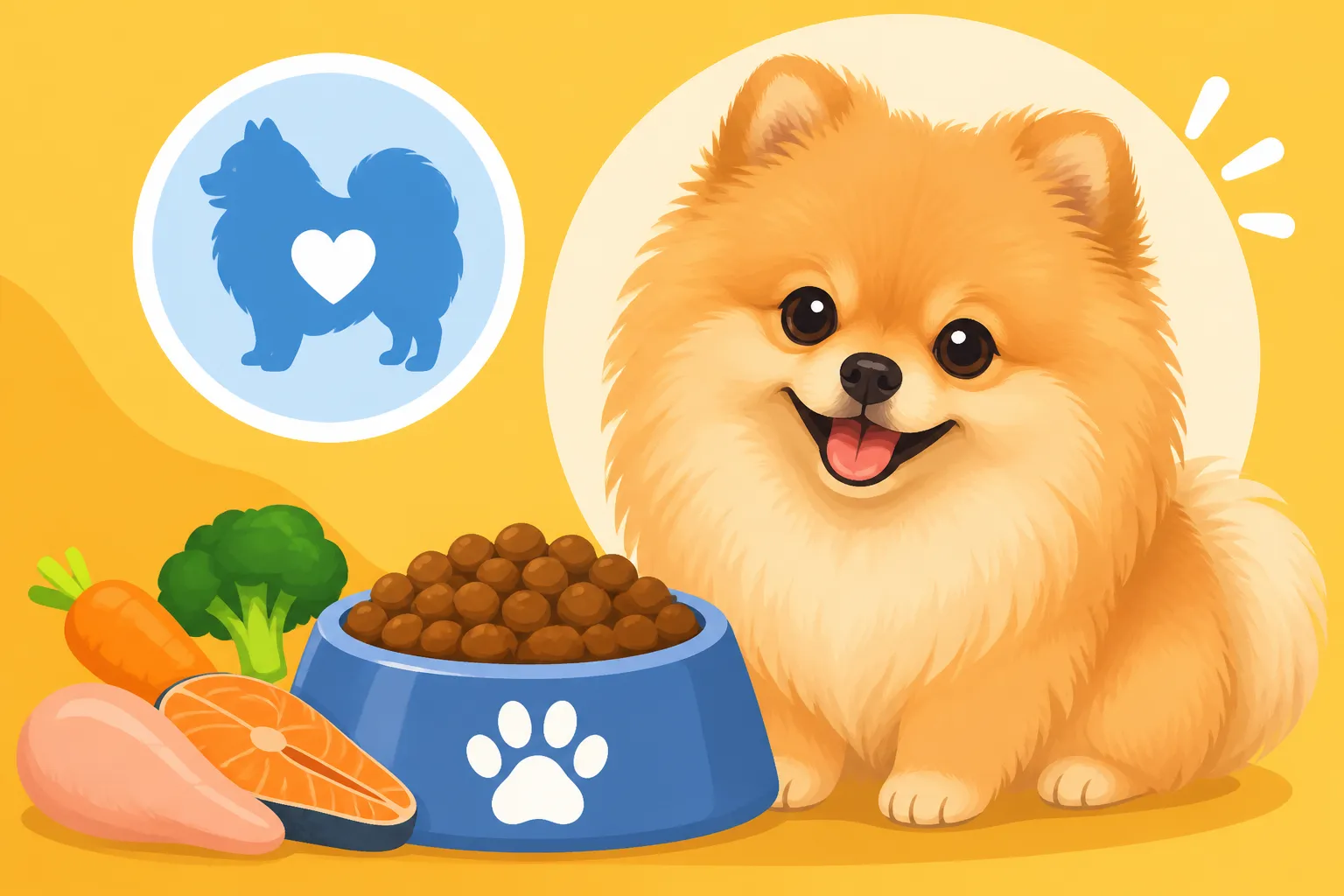
Feeding a Pomeranian That Weighs Five Pounds
Figuring out exactly how to feed your tiny five-pound Pomeranian can feel like navigating a minefield. You worry about giving them too much, leading to unwanted weight gain, or too little, potentially causing dangerous blood sugar drops, especially if they’re a puppy. This guide is dedicated to demystifying the precise nutritional needs and feeding strategies required to keep your petite Pom vibrant, healthy, and perfectly happy.
Understanding the Unique Nutritional Needs of a Five-Pound Pomeranian
When you look at a five-pound Pomeranian, it’s easy to think of them as just a small dog. But their size isn't the only thing that sets them apart nutritionally; their entire physiology is geared towards being a compact, energetic companion. This means their dietary requirements are quite specific and often different from larger breeds. It's not just about shrinking down a regular dog's meal; it's about providing a carefully calibrated diet.
Metabolism and Energy Requirements
Tiny dogs like Pomeranians have incredibly fast metabolisms. Think of them as little furnaces burning through fuel much quicker than a larger dog. This means they need more calories per pound of body weight than, say, a Labrador. If you've ever wondered why your five-pound bundle of fluff seems to eat a decent amount for its size, this is why! Their bodies are constantly working to maintain their temperature, fuel their energetic bursts of play, and keep all their tiny organs functioning. Ignoring this high metabolic rate can lead to your Pomeranian not getting enough energy, potentially becoming lethargic or even underweight.
For instance, a general guideline often suggests that small dogs need around 40-50 calories per pound of body weight per day, while larger dogs might need closer to 20-30. So, your five-pound Pom could easily need 200-250 calories daily, which is a significant amount for such a small creature. This doesn't mean you should overfeed them, of course, but it highlights the need for a nutrient-dense diet. They don't have a lot of stomach capacity, so every bite needs to pack a punch nutritionally.
Challenges of Small Breed Digestion
Beyond their metabolism, Pomeranians often face unique digestive challenges. Their small mouths and tiny teeth mean they need food that is easy to pick up, chew, and swallow. If the kibble pieces are too large or too hard, they might struggle to eat, or even avoid eating altogether. This isn't just a matter of preference; it can actually impact their ability to get proper nutrition. Imagine trying to eat a giant steak with a tiny set of baby teeth – it just doesn't work!
Furthermore, some small breeds can have sensitive stomachs. Rich, overly fatty, or low-quality ingredients can sometimes lead to digestive upset, which manifests as vomiting, diarrhea, or a general lack of appetite. This is why paying close attention to the ingredient list and choosing easily digestible formulas is paramount. Their digestive systems are miniature and can be overwhelmed more easily than a larger dog's. It's a delicate balance to provide enough energy without upsetting their sensitive tummies.
Choosing the Right Food Type and Formula
With so many dog food options on the market, it can feel overwhelming trying to pick the absolute best one for your five-pound Pomeranian. Do you go with kibble, wet food, or venture into the world of fresh or raw diets? The "right" choice often depends on a combination of your dog's individual needs, your budget, and what's readily available. However, a few key considerations can help guide your decision for your pint-sized companion.
Kibble: Small Bites for Small Mouths
For many Pomeranian owners, dry kibble remains a popular and convenient choice. The biggest factor here is selecting a "small breed" or "toy breed" specific formula. These are explicitly designed with smaller kibble pieces that are easier for tiny mouths and jaws to manage. Not only does this prevent choking hazards, but it also makes mealtime a more comfortable and enjoyable experience for your Pom. If the kibble is too big, they might try to swallow it whole, or simply give up trying to eat, leading to frustration for both of you.
When choosing a kibble, look for high-quality protein sources (like chicken, lamb, or salmon) as the first ingredient. Avoid fillers like corn, wheat, and soy, which offer little nutritional value and can sometimes trigger allergies or digestive issues in sensitive Poms. Brands like Chewy offer a vast selection of small-breed kibbles, making it easier to compare ingredients and find reputable options. Remember that even within "small breed" formulas, some kibble pieces might be smaller than others, so don't be afraid to try a few different bags to see what your Pom prefers and handles best. Always transition new foods slowly over several days to avoid an upset stomach.
Wet Food and Fresh Options: When and Why
Wet food can be a fantastic option, either as a primary diet or as an enticing topper for kibble. It's often highly palatable, which can be a godsend for picky eaters, and its higher moisture content contributes to better hydration. For Pomeranians with dental issues, the softer texture of wet food can be much easier to consume than hard kibble. Just remember that wet food is typically less calorie-dense than kibble, so you might need to feed a larger volume to meet their caloric needs.
Then there's the growing trend of fresh or gently cooked food, often delivered directly to your door. Services like Ollie create human-grade, personalized meal plans based on your dog's weight, age, and activity level. These options are often highly digestible and can be very beneficial for Poms with sensitive stomachs or those who turn their noses up at traditional kibble. The downside, of course, is the cost, which can be significantly higher than kibble. However, for some owners, the perceived health benefits and improved appetite make the investment worthwhile. If you're considering a fresh food diet, discuss it with your vet to ensure it's nutritionally complete and balanced for your Pomeranian.
Navigating Grain-Free and Specialty Diets
The world of specialty diets, especially grain-free, can be confusing. For most Pomeranians, a high-quality kibble that contains grains is perfectly fine and often beneficial. Grains themselves are not inherently bad; they provide carbohydrates for energy and fiber for digestion. However, some Poms do have grain sensitivities or allergies, in which case a grain-free diet might be necessary. It's crucial to distinguish between a genuine allergy (diagnosed by a vet) and a perceived preference.
It's also important to be aware of the ongoing discussions surrounding grain-free diets and potential links to dilated cardiomyopathy (DCM) in some dogs. While the research is still evolving, the concern primarily revolves around diets high in legumes (peas, lentils) and potatoes as primary carbohydrate sources, often found in "boutique" or "exotic ingredient" grain-free formulas. Always consult your veterinarian before switching to a specialty diet, especially grain-free, to ensure it's appropriate and safe for your Pomeranian's long-term health. They can help you understand the nuances and guide you towards a truly balanced option.
Determining the Ideal Portion Sizes
One of the biggest anxieties for Pomeranian owners, especially those with smaller Poms, is knowing exactly how much food to put in the bowl. It feels like such a tiny amount compared to what you'd feed a bigger dog, and the fear of over or underfeeding is very real. Precision is key when your dog only weighs five pounds, as even a small miscalculation can have a significant impact on their health.
The "Cups Per Pound" Conundrum
Most dog food bags provide a feeding guideline chart, usually recommending a certain amount of food per pound of body weight. However, these are general guidelines and not a one-size-fits-all solution, especially for a specific breed like a Pomeranian. For a five-pound Pom, these recommendations might suggest a quarter cup to a half cup of food per day. This can vary wildly depending on the calorie density of the specific food you're using. A highly caloric fresh food will require a much smaller volume than a less dense kibble.
This is where you need to become a detective for your own dog. Start with the manufacturer's recommendation for your Pom's weight, but observe diligently. Is your Pom maintaining a healthy weight? Do they seem satisfied or are they constantly begging? Are their energy levels consistent? You're looking for that sweet spot where they're energetic, have a glossy coat, and maintain an ideal body condition. Remember, every dog is an individual, and those charts are just a starting point.
Here's a sample feeding guideline, but always adjust based on your specific food and vet advice:
| Pomeranian Weight | Activity Level | Approximate Daily Calories | Suggested Dry Kibble (e.g., 350 kcal/cup) | Suggested Wet Food (e.g., 100 kcal/can) |
|---|---|---|---|---|
| 5 lbs | Low | 150-200 kcal | 0.4 – 0.6 cups | 1.5 – 2 cans |
| 5 lbs | Moderate | 200-250 kcal | 0.6 – 0.7 cups | 2 – 2.5 cans |
| 5 lbs | High | 250-300 kcal | 0.7 – 0.9 cups | 2.5 – 3 cans |
Note: These are estimates. Always check your specific food's caloric content and consult your vet.
Adjusting for Age, Activity, and Health Conditions
The "ideal" portion isn't static; it will fluctuate throughout your Pomeranian's life. A bustling Pomeranian puppy, for instance, will need significantly more calories and frequent meals than a sedentary senior. You might find yourself needing to feed a Pomeranian puppy often enough to stay safe from blood sugar crashes, requiring small, frequent meals throughout the day. Conversely, a senior Pomeranian who spends more time napping will naturally require fewer calories to avoid unwanted weight gain.
Activity level is another huge factor. A Pom that enjoys daily walks and active playtime will burn more calories than one who prefers to cuddle on the couch most of the day. If your Pom has any health conditions, such as a collapsing windpipe where every extra pound can worsen symptoms, your vet might recommend a very strict weight management plan. Similarly, if they're recovering from an illness or surgery, they might need a temporary boost in calories to aid recovery. This is why regular vet check-ups are so important—your vet can help you assess your Pom's body condition and adjust their diet accordingly.
The Dangers of Free-Feeding a Pomeranian
While it might seem convenient to just leave a bowl of food out all day for your Pomeranian, free-feeding often creates more problems than it solves, especially for a small breed. The biggest issue is the risk of obesity. Even a pound or two of extra weight on a five-pound Pom is a significant percentage of their body mass and can lead to serious health issues, including putting strain on their delicate joints and exacerbating conditions like The Honking Cough of a Pomeranian's Collapsing Windpipe.
Furthermore, free-feeding makes it impossible to monitor how much your Pomeranian is actually eating, which can mask early signs of illness. A sudden decrease in appetite is often the first indication that something is wrong, but if the food is always available, you might not notice a change in intake until days later. Scheduled meal times also help establish a routine, which many dogs thrive on, and can be a valuable tool for house training. Instead of leaving food out, offer meals at set times, allowing your Pom about 15-20 minutes to eat, then pick up the bowl. This teaches them to eat when food is available.
Establishing a Consistent Feeding Schedule
Consistency isn't just a nice-to-have when it comes to feeding your Pomeranian; it's a cornerstone of their health and well-being. A predictable feeding schedule helps regulate their metabolism, aids in digestion, and provides a comforting routine that can reduce anxiety. For such a small breed, maintaining stable blood sugar levels is particularly important, and regular meals are crucial for this.
Frequency for Puppies vs. Adults
Pomeranian puppies, especially those under six months old, have tiny stomachs and extremely fast metabolisms. This means they need to eat frequently to avoid hypoglycemia (low blood sugar), which can be life-threatening. A general rule of thumb is to feed a young Pomeranian puppy three to four times a day. You might even find yourself needing to feed a Pomeranian puppy often enough to stay safe, providing small meals every few hours to keep their energy levels stable. As they grow and their digestive systems mature, they can gradually transition to fewer meals.
By the time your Pomeranian reaches adulthood (typically around 9-12 months), most can thrive on two meals a day – once in the morning and once in the evening. This schedule works well for managing hunger, preventing overeating, and distributing their caloric intake evenly throughout the day. Some adult Pomeranians with very high metabolisms or specific health needs might benefit from three smaller meals, but for most, two well-portioned meals are ideal. You can find more detail on this in How Little Food an Adult Pomeranian Needs and Why a Pomeranian Eats Three Times a Day.
The Importance of Routine for Digestion
Dogs are creatures of habit, and a consistent feeding schedule supports a healthy digestive system. When your Pomeranian knows when to expect their meals, their body can better anticipate digestion. This regular rhythm can help prevent issues like indigestion, gas, and irregular bowel movements. Their internal clock, or circadian rhythm, benefits greatly from predictability.
Imagine your own body if you ate at completely random times each day; your digestive system would struggle to keep up. The same applies to your Pom. A structured routine also reduces stress around meal times. A dog that is constantly unsure when its next meal is coming might develop anxiety or even resource guarding behaviors. Providing meals at the same time each day, in the same location, creates a calm and predictable environment, contributing to overall health and happiness.
Monitoring Intake and Appetite Changes
Regular meal times make it incredibly easy to monitor your Pomeranian's eating habits. You'll quickly notice if they're eating less, eating more slowly, or refusing food altogether. These changes can be crucial indicators of underlying health issues, from dental pain to more serious internal problems. If you free-fed, these subtle shifts in appetite might go unnoticed for days, delaying necessary veterinary intervention.
Keep an eye out for any unusual behaviors around the food bowl. Is your usually enthusiastic eater suddenly uninterested? Are they only picking at their food? Or perhaps they’re gulping it down faster than usual? All these observations provide valuable information. If your Pomeranian consistently skips meals or shows a marked decrease in appetite for more than 24 hours, especially if accompanied by other symptoms like lethargy, vomiting, or diarrhea, it’s time to call your vet. Don't hesitate; for a five-pound dog, even a short period of not eating can be serious.
Managing Picky Eaters and Mealtime Challenges
Ah, the picky Pomeranian. If you own one, you know the frustration. They can stare at their food bowl with an air of disdain, turn their nose up at what was a favorite yesterday, or simply walk away. It's not uncommon for tiny dogs to be a bit finicky, and while it can be exasperating, understanding the reasons behind it and implementing consistent strategies can make meal times much less stressful for everyone involved.
Why Pomeranians Can Be Finicky
Pomeranians, with their intelligence and often strong personalities, can definitely develop picky eating habits. Sometimes, it's genuinely about the food itself – perhaps the kibble is too big, the texture is wrong, or they're just bored of the same flavor. Other times, it's behavioral. If you've been offering a variety of enticing human foods or constantly changing their dog food in an attempt to get them to eat, they quickly learn that holding out will likely result in something better. This inadvertently reinforces their pickiness.
Environmental factors can also play a role. A noisy household, an uncomfortable feeding spot, or even a stressful day can cause a Pom to lose their appetite. Their small size means they don't need a huge amount of food, so skipping a meal might not feel as urgent to them as it would to a larger dog with a more ravenous appetite. It's a delicate balance of ensuring they get adequate nutrition without turning mealtime into a battle of wills.
Strategies for Encouraging Appetite
When faced with a picky Pomeranian, patience and consistency are your best friends. First, ensure the food you're offering is high-quality and appropriate for small breeds, with kibble small enough for a Pomeranian. If you're feeding dry kibble, try adding a tiny bit of warm water or low-sodium chicken broth to soften it and enhance the aroma. A spoonful of wet food, or even a bit of cooked, plain chicken or scrambled egg (ensure no seasoning!) can also act as a highly appealing topper.
Avoid leaving food down all day. Offer their meal for 15-20 minutes, and if they don't eat, pick it up. Don't offer anything else until their next scheduled meal time. This teaches them that food is available at certain times, and if they don't eat it, it's gone. It might feel harsh, but it's a very effective way to break the picky cycle. You can also try puzzle feeders or snuffle mats to make mealtime more engaging. Sometimes, a Pomeranian that turns its nose up at dinner in a bowl will happily forage for it when presented as a game.
When to Seek Veterinary Advice for Food Refusal
While pickiness can often be behavioral, a sudden or prolonged refusal to eat should always be taken seriously, especially with a tiny Pomeranian. A Pom who goes for more than 24 hours without eating, or who shows other symptoms like lethargy, vomiting, diarrhea, or changes in behavior, needs immediate veterinary attention. Their small size makes them more vulnerable to rapid dehydration and blood sugar drops, which can lead to critical situations very quickly.
Your vet can rule out any underlying medical conditions that might be causing the lack of appetite, such as dental pain (a common issue in small breeds), gastrointestinal upset, organ problems, or systemic illness. They might recommend specific diagnostic tests or temporary appetite stimulants if no serious underlying cause is found. Never force-feed your Pomeranian unless directed by a vet, as this can cause aspiration or create a negative association with eating. Your vet is your best resource for getting to the bottom of persistent food refusal.
Supplements, Treats, and Hydration
Beyond their main meals, what else goes into your Pomeranian's mouth matters immensely. Supplements, while not always necessary, can sometimes provide targeted support. Treats are wonderful for training and bonding but need to be chosen wisely and given sparingly. And of course, the most basic, yet often overlooked, component of their diet is water. Ensuring your five-pound Pom stays well-hydrated is critical for every bodily function.
Essential Supplements for Coat and Overall Health
For a healthy Pomeranian on a complete and balanced diet, supplements are often not needed. However, there are circumstances where they can be highly beneficial. Given the Pomeranian's glorious double coat, for example, many owners consider supplements that support skin and coat health. Fish oil (omega-3 fatty acids) is a popular choice, known for promoting a shiny coat, reducing shedding, and offering anti-inflammatory benefits. You might find yourself wondering whether a Pomeranian needs fish oil for its coat, and for many, it can certainly make a noticeable difference.
Other supplements might be considered based on specific needs. For an older Pomeranian, or one prone to joint issues like Slipping Kneecaps in a Five Pound Pomeranian, joint support supplements containing glucosamine and chondroitin could be helpful. If your Pom has a sensitive stomach, a probiotic might be recommended by your vet. Just remember, supplements should always be discussed with your veterinarian before introduction, as too much of a good thing can sometimes be harmful, and some supplements can interact with medications. A good quality diet is always the foundation, with supplements acting as an enhancement.
Selecting Safe and Appropriate Treats
Treats are an invaluable tool for training, rewarding good behavior, and simply showing your Pomeranian some love. But for a five-pound dog, treats need to be tiny and given in moderation. It's so easy for a few seemingly small treats to add up to a significant portion of their daily caloric intake, leading to unexpected weight gain. When choosing treats, look for small, soft, or easily breakable options. Many brands offer "training treats" that are specifically designed to be miniature.
Avoid treats with excessive artificial colors, flavors, or preservatives. Natural, single-ingredient treats like freeze-dried chicken or liver are often excellent choices. Always check the ingredients for anything that might upset your Pom's sensitive stomach. And remember, the caloric content of treats counts! If you're giving treats throughout the day, you'll need to slightly reduce their main meal portions to maintain a healthy weight. This is particularly important for managing How Few Treats a Pomeranian Can Actually Have without impacting their main nutritional intake.
Ensuring Adequate Water Intake
Water is essential for every bodily function, from digestion and nutrient absorption to temperature regulation and organ health. Despite their small size, Pomeranians need access to fresh, clean water at all times. Dehydration can lead to serious health problems very quickly in such a small dog. Ensure your Pom's water bowl is always full and clean, changing the water at least once, preferably twice, daily.
Some Pomeranians, especially those on a purely dry kibble diet, might not drink enough on their own. If you suspect your Pom isn't drinking enough, try offering water in different bowls (ceramic, stainless steel), or even a pet drinking fountain, which can entice them with circulating water. Adding a splash of low-sodium broth to their water or incorporating more wet food into their diet can also help increase their fluid intake. Always monitor your Pom's water intake, especially during hot weather or if they're particularly active.
Recognizing and Addressing Weight Issues
Maintaining an ideal weight is perhaps one of the most crucial aspects of long-term health for any Pomeranian, but it takes on even greater significance for a five-pound dog. Their small frames are not designed to carry excess weight, and conversely, being underweight can indicate underlying health problems or insufficient nutrition. Knowing how to assess their body condition and respond appropriately is vital.
Identifying Underweight vs. Overweight
It can be surprisingly tricky to tell if a Pomeranian is underweight or overweight, largely due to their magnificent, fluffy double coat. That impressive fluff can easily hide a few extra pounds or mask a skinny frame. This is why you can't rely solely on visual cues; you need to get hands-on.
To assess their weight accurately, you need to feel your Pomeranian's ribs, spine, and waist. You should be able to easily feel their ribs, almost like feeling the knuckles on your hand, without having to press hard. If you can see their ribs clearly, or they feel sharply defined, your Pom might be underweight. If you can't feel their ribs at all, or have to press firmly to do so, they are likely overweight. You can also assess their waistline; from above, a healthy Pomeranian should have a distinct waist tucked in behind their ribs, and a slight tuck-up from the side. For a more detailed guide, check out Finding a Pomeranian's Ribs Through the Coat. Regularly weighing your Pom on a small, accurate pet scale is also highly recommended.
Safe Weight Management Strategies
If your five-pound Pomeranian is carrying even a half-pound too much weight, it's equivalent to a human gaining 10-15 pounds. This seemingly small amount can significantly impact their joints, heart, and respiratory system. Taking weight off a Pomeranian without starving it requires a careful, controlled approach. This means reducing calorie intake while ensuring they still receive all necessary nutrients.
Often, this involves slightly reducing their current food portion, or switching to a lower-calorie, high-fiber "weight management" dog food if the weight gain is substantial. Increasing their daily exercise, even by just a few extra minutes of playtime or a slightly longer walk, can also make a big difference. Replace high-calorie treats with low-calorie options like small pieces of carrot or green bean, or simply offer more affection and praise as a reward. Remember, slow and steady wins the race; rapid weight loss can be dangerous for small dogs. Always consult your vet to create a safe and effective weight loss plan, especially for Taking Weight Off a Pomeranian Without Starving It.
The Impact of Weight on a Pomeranian's Health
The consequences of being overweight for a Pomeranian are far-reaching and can significantly reduce their quality of life and lifespan. Excess weight puts additional strain on their small joints, exacerbating conditions like luxating patellas (slipping kneecaps), which are common in the breed. It can also lead to or worsen respiratory problems, especially if your Pom is prone to tracheal collapse. An overweight Pomeranian struggles to breathe and regulate its body temperature, making exercise difficult and increasing the risk of heatstroke.
Furthermore, obesity in Pomeranians, as in humans, increases the risk of diabetes, heart disease, and certain types of cancer. It can also make routine activities like grooming and vet exams more challenging. Keeping your five-pound Pomeranian at its ideal weight is one of the most powerful things you can do to ensure they live a long, healthy, and comfortable life. It’s an act of love to be diligent about their diet and exercise. You can also consider pet insurance providers like Healthy Paws to help manage potential future health costs associated with conditions that can be worsened by weight issues.
Disclaimer
This guide offers general information and advice on feeding a five-pound Pomeranian. It is not a substitute for professional veterinary care. Always consult with your veterinarian regarding your specific dog's dietary needs, health conditions, and any changes to their feeding regimen or the introduction of supplements. Individual needs can vary greatly, and only a qualified vet can provide tailored advice.