How Few Treats a Pomeranian Can Actually Have
It's a common dilemma for Pomeranian owners, isn't it? We love to spoil our tiny companions, and a treat is often our go-to way to show affection or reward good behavior. But with such small dogs, the line between a loving gesture and accidentally overdoing it can be incredibly fine, leading to confusion about just how much is too much. This comprehensive guide will walk you through the nuances of treat giving for your Pomeranian, ensuring you can indulge them safely and wisely.
Why Treat Moderation is Non-Negotiable for Your Pomeranian
Let's be real, a Pomeranian is a miniature marvel, typically weighing between three and seven pounds. What might be a small nibble for a Labrador is a significant portion, calorically speaking, for our fluffy friends. This tiny stature means their systems are incredibly sensitive to caloric intake, and even a few extra treats a day can quickly tip the scales towards unhealthy weight gain or disrupt their delicate nutritional balance.
One of the biggest concerns with over-treating is obesity, which, while it might make your Pom look extra cuddly, is a serious health risk. An overweight Pomeranian is more susceptible to a whole host of problems, including exacerbating conditions like Slipping Kneecaps in a Five Pound Pomeranian or putting undue strain on their fragile respiratory systems, especially if they have a predisposition to The Honking Cough of a Pomeranian's Collapsing Windpipe. Just a pound or two extra on a five-pound dog is like a human gaining thirty or forty pounds – it makes a huge difference to their joints, heart, and lungs. We never want to love our Poms too much when it comes to food, even though it's so tempting.
Beyond weight, the composition of treats matters immensely. Many commercial treats are packed with fillers, artificial flavors, and sugars that offer little to no nutritional value. While an occasional indulgence might not hurt, a steady diet of these can lead to digestive upset, dental problems, and even impact their overall energy levels. Given how small their mouths are, Dental Disease in a Mouth the Size of a Pomeranian's is already a significant concern for Pomeranians, and sugary, sticky treats can accelerate plaque buildup and decay, leading to painful extractions down the line. We want to avoid anything that makes their precious teeth work harder or get dirtier.
Furthermore, a Pomeranian's fast metabolism and small stomach mean they process food differently than larger breeds. What seems like a tiny bite can fill them up quickly, potentially reducing their appetite for their balanced regular meals. This can inadvertently lead to nutrient deficiencies if they're constantly opting for tasty treats over their nutritious kibble or fresh food. It's a tricky balance, but ensuring they get the bulk of their calories from their main meals is crucial for their long-term health and vitality. You might be surprised to learn How Little Food an Adult Pomeranian Needs to begin with, so every calorie counts.
Decoding the 'Right' Amount: Practical Treat Guidelines
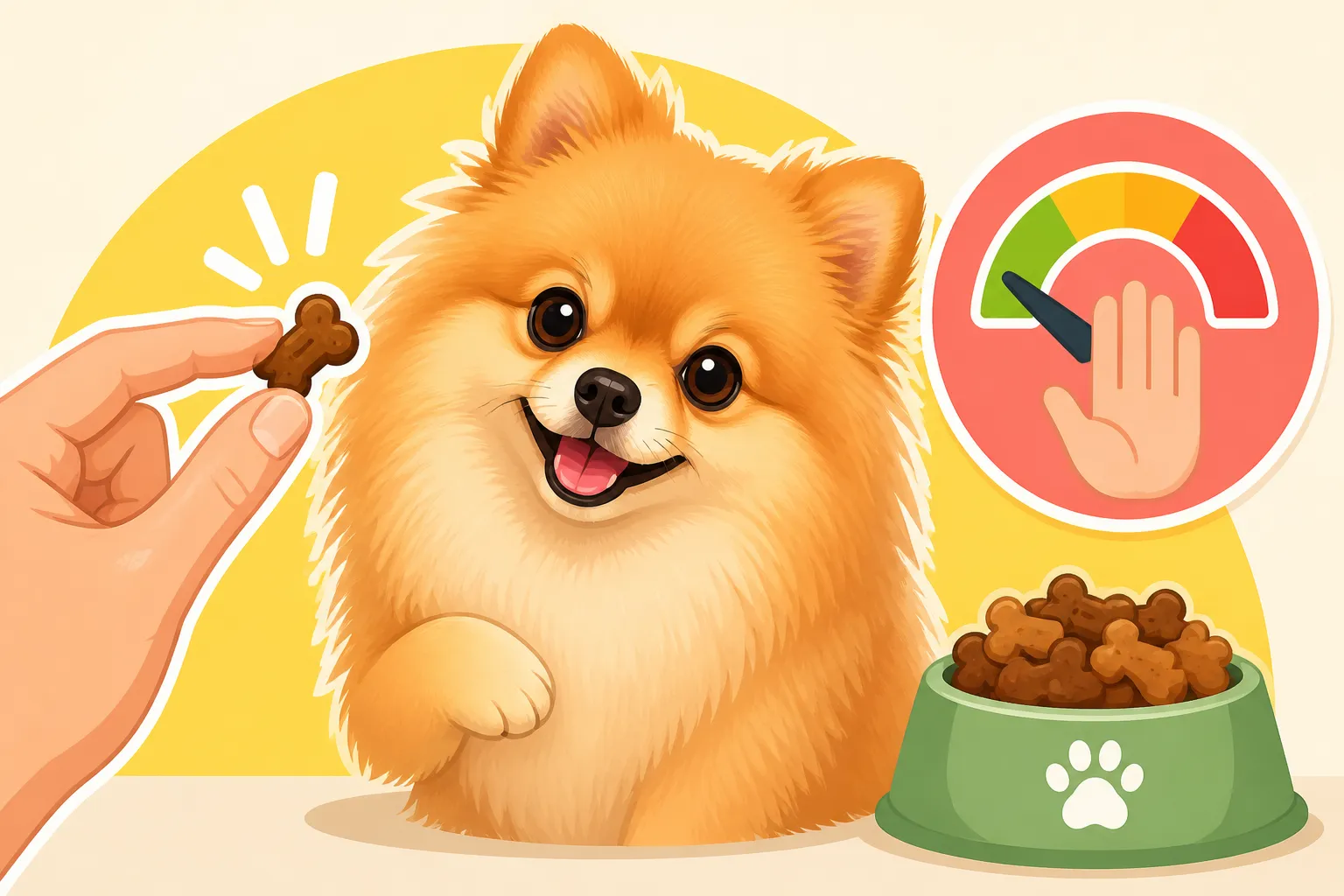
So, how few treats can a Pomeranian actually have? A good rule of thumb that most veterinarians and pet nutritionists agree on is that treats should make up no more than 10% of your dog's total daily caloric intake. This isn't a hard and fast number, but it gives you a fantastic starting point. For a Pomeranian, whose total daily caloric needs are already quite low—often just a couple hundred calories—that 10% translates to a surprisingly small amount. This means we need to be incredibly mindful of what we're feeding and how much.
To figure this out accurately, you'll first need to know your individual Pomeranian's ideal weight and approximate daily caloric needs. Your vet can provide the most precise number, especially considering factors like age, activity level, and any underlying health conditions. Once you have that calorie count, calculating 10% is easy. Then, you'll need to read the labels on your chosen treats to see their caloric density. Many small, soft training treats might be 2-3 calories each, while a larger, crunchy biscuit could easily be 20-30 calories. The difference is significant. For instance, if your Pom needs 200 calories a day, their treat allowance is only 20 calories. That's ten tiny 2-calorie treats, or just one larger 20-calorie biscuit!
Portioning and Selection Strategies
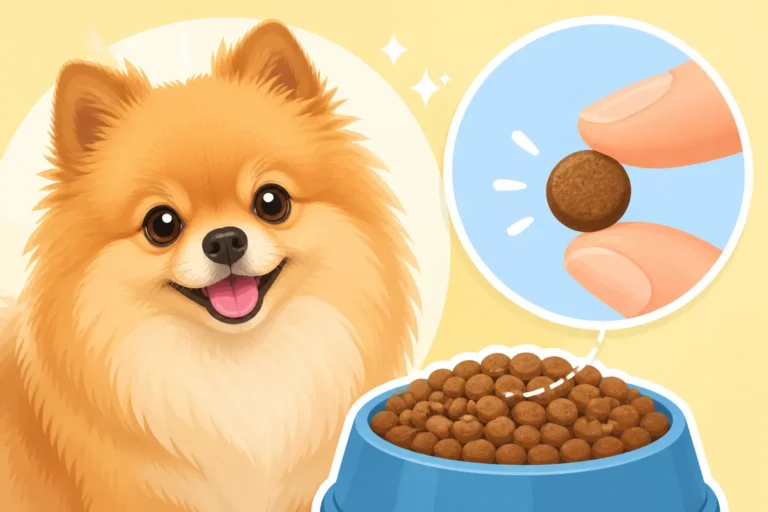
When it comes to portioning, think small. Seriously, smaller than you probably imagine. For training, break even tiny treats into pea-sized (or even smaller) pieces. A single piece of commercial training treat can often be broken into 2-4 micro-treats, extending your supply and reducing overall caloric impact. This is especially helpful during longer Training Session Length for a Pomeranian when you're using treats frequently for positive reinforcement. You can find many suitable options on platforms like Chewy or Amazon, making it easy to compare caloric information.
When selecting treats, prioritize quality. Look for single-ingredient options like freeze-dried liver, small pieces of cooked chicken or turkey, or certain fruits and vegetables like carrots or green beans. These offer more nutritional value and fewer questionable additives. If you're opting for commercial treats, seek out brands with transparent ingredient lists and no artificial colors, flavors, or excessive preservatives. Some owners even opt for fresh food delivery services like Ollie that provide pre-portioned, human-grade meals and sometimes offer healthy add-ons or treats.
Here’s a simplified breakdown of typical calorie limits for treats:
| Pomeranian Weight (Ideal) | Approximate Daily Calorie Need | Maximum Treat Calories (10%) | Example Treat Allowance (2-calorie treats) |
|---|---|---|---|
| 3 lbs | 150 calories | 15 calories | 7-8 tiny pieces |
| 5 lbs | 200 calories | 20 calories | 10 tiny pieces |
| 7 lbs | 250 calories | 25 calories | 12-13 tiny pieces |
Note: These are estimates. Always consult your vet for precise caloric needs.
This table really highlights how quickly those "just one more" treats add up. Remember, the goal isn't to deny your Pomeranian joy, but to ensure that joy comes in a healthy, sustainable way. Treats are a tool, not a meal replacement.
Smart Treat Choices for Pomeranian Wellness
Choosing the right treats for your Pomeranian goes beyond just calories; it's about making choices that actively support their health. Their small size and unique predispositions mean that some treats are far better choices than others. We want treats that contribute positively, not just fill a craving.
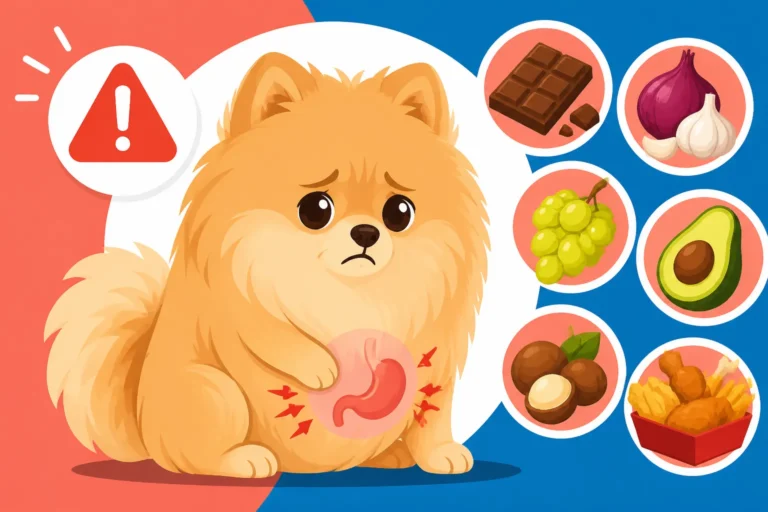
First, let's talk about human foods. Many common household foods can be excellent, low-calorie treats for your Pom, assuming they're safe. Small, plain pieces of cooked chicken or turkey are often a huge hit and packed with lean protein. Certain vegetables like steamed green beans, cooked carrots (raw can be a choking hazard for tiny mouths), and small pieces of apple (without seeds, which contain cyanide) are fantastic, fiber-rich options. These are often much lower in calories than commercial dog treats and provide beneficial nutrients. However, always double-check if a human food is safe for dogs, as many are toxic or can cause digestive upset. You'd be surprised by The Doses That Are Toxic to a Pomeranian.
When considering commercial treats, especially those found on Chewy or your local pet store, look for formulations designed for small breeds or that are easily breakable. Soft treats are often preferred over hard, crunchy ones, especially for older Pomeranians with sensitive teeth or those prone to Dental Disease in a Mouth the Size of a Pomeranian's. Soft treats are also generally easier to break into smaller pieces for training. Always check the ingredient list. Avoid treats with corn syrup, excessive salt, artificial dyes, or rendered fats. Look for whole food ingredients as the first few items on the list. Brands focused on natural ingredients are a solid choice.
For Poms with specific health concerns, treat selection becomes even more critical. If your Pomeranian is prone to Blood Sugar Crashes in a Pomeranian Puppy, you might want to keep a very palatable, quick-energy treat on hand, but daily treats should still be low in sugar and fat to maintain a stable metabolism. If they have sensitive stomachs, novel protein treats or single-ingredient options can help avoid flare-ups. Always discuss any specific dietary needs or treat concerns with your veterinarian.
Avoiding Common Treat Pitfalls
One major pitfall is leaving treats accessible. A curious Pomeranian, with their sharp intellect and nimble paws, can easily get into a bag of treats left on a low table or counter. An entire bag of treats, even small ones, consumed in one sitting could lead to severe digestive issues, pancreatitis, or even a trip to the emergency vet, especially considering The Doses That Are Toxic to a Pomeranian for some ingredients. Always store treats securely out of paw's reach.
Another mistake is using treats for every interaction. While treats are powerful tools for training and positive reinforcement, if every moment of attention or affection comes with a treat, your Pomeranian might start associating you solely with food. This can lead to begging, refusal to perform without a food reward, and generally undermines other forms of positive reinforcement. We want our Poms to respond to our voice, praise, and touch just as much as they respond to a tasty morsel.
Finally, be wary of "dental chews" or larger, harder chews. While some dental chews can be beneficial, many are high in calories and can still pose a choking hazard or be too hard for tiny Pomeranian teeth, potentially leading to fractures. Always opt for dental chews explicitly designed for toy breeds and monitor your Pomeranian closely when they're enjoying one to ensure it's being consumed safely and not swallowed whole. Remember that Whether a Pomeranian Can Choke on a Chew is a serious concern.
Beyond the Biscuit: Alternative Rewards and Enrichment
While treats are fantastic, they're not the only way to reward your Pomeranian or provide enrichment. In fact, relying solely on food rewards can sometimes create an over-reliance or contribute to weight issues. Expanding your repertoire of rewards can make training more engaging and keep your Pomeranian healthier and happier.
One of the most powerful rewards for a Pomeranian is genuine, enthusiastic praise. A happy, high-pitched "Good job!" or "Yes!" paired with some gentle petting or a belly rub can be incredibly motivating. Poms are intelligent and thrive on interaction with their humans. For many, your happy voice and positive attention are just as rewarding as a small treat, especially once they understand what they did to earn it. This also helps build a stronger bond between you.
Playtime is another excellent non-food reward. A quick game of fetch with a tiny toy, a moment of tug-of-war (gently, please, to protect their little necks), or a chase around the living room can be highly motivating. Poms love to engage and expel energy, and a burst of fun can be a perfect reward after a successful training session or when they've settled nicely. Look for Puzzle Toys Small Enough for a Pomeranian on Amazon or Chewy to add mental stimulation as well. These toys often involve a bit of a challenge to get a small kibble reward out, making a few pieces of their regular food last longer and providing mental exercise.
Experiences can also be great rewards. A short walk around the block, a trip to a dog-friendly park (being mindful of their small size around larger dogs, of course), or even just a few minutes of quiet cuddle time on the couch can be wonderful ways to acknowledge good behavior or simply show affection. These experiences offer mental and physical stimulation without adding a single calorie, making them ideal for managing your Pomeranian's weight and overall well-being.
Ultimately, the key is to understand your individual Pomeranian and what motivates them most. Some Poms live for a specific squeaky toy, while others are absolute cuddle monsters. By diversifying your reward strategy, you not only manage their caloric intake more effectively but also enrich their lives in more holistic ways. It ensures that love, learning, and fun aren't always tied to food, fostering a more balanced and deeply connected relationship with your cherished little companion.
Disclaimer
This article is for general informational purposes only and does not constitute professional advice. Laws, prices and regulations vary by location and change over time. Consult a qualified professional for guidance on your specific situation.