Puzzle Toys Small Enough for a Pomeranian
It’s incredibly frustrating when your tiny Pomeranian, despite all your love and attention, still seems to find ways to get into mischief, barking at shadows or chewing on something they shouldn't. This often stems from an unmet need for mental stimulation, not a lack of affection. This comprehensive guide will walk you through understanding why puzzle toys are essential for your Pomeranian's well-being and how to choose and introduce the perfect ones to keep their clever little minds engaged and happy.
Why Mental Stimulation is Crucial for Your Pint-Sized Pomeranian
We often think of exercise for dogs as purely physical – walks around the block, a romp in the yard. But for a highly intelligent and often mischievous breed like the Pomeranian, mental exercise is just as, if not more, important. Neglecting their minds can lead to a whole host of behavioral issues that leave both you and your furry friend feeling stressed.
The Boredom Trap and What it Looks Like in a Pom
Pomeranians, with their lively personalities and keen intelligence, are far from just pretty lap dogs. They descend from larger Spitz breeds, originally bred for working roles, and they retain a significant amount of that sharp wit and energy in their small packages. When this mental energy isn't channeled positively, boredom quickly sets in, and a bored Pomeranian can be quite a handful.
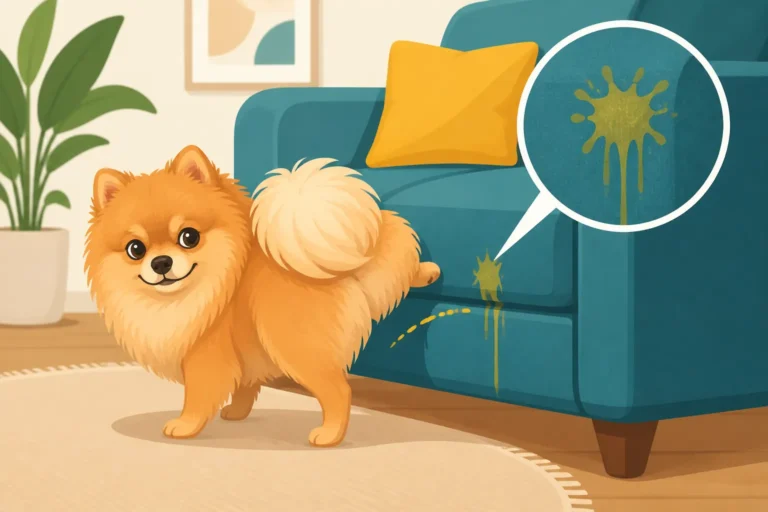
You might see your Pom turn into a tiny terror, barking incessantly at every rustle outside the window, tearing up cushions, or even engaging in frantic pacing. This isn't because they're "bad dogs"; it's a cry for help, a sign that their brains aren't getting the workout they crave. Imagine being incredibly smart and having nothing to do all day – you'd probably start rearranging the furniture too, or at least talking to yourself a lot! Some Poms might start resource guarding, becoming possessive over toys or even their humans, which can be a subtle sign of underlying anxiety and boredom. If your Pomeranian is What a Bored Pomeranian Chews Up with a vengeance, it's a strong indicator that their mental needs are not being met. These behaviors aren't just annoying; they can be destructive to your home and damaging to your bond.
Beyond Physical Exercise: The Power of Brain Games
While regular walks are important for physical health and bathroom breaks, they often don't fully satisfy a Pomeranian's need for mental engagement. A ten-minute walk might burn off some physical energy, but their minds are still buzzing. This is where puzzle toys shine. They challenge your Pom to think, problem-solve, and use their natural instincts to "hunt" for food or treats.
Think of it this way: a walk is like watching TV, but a puzzle toy is like doing a crossword puzzle. Both are engaging, but one requires active thought and effort. Because Pomeranians are naturally clever, they thrive on tasks that require them to figure things out. Their Spitz heritage means they're quick learners and love having a job to do, even if that job is just getting a yummy snack out of a tricky dispenser. Engaging their brains with puzzle toys can significantly reduce undesirable behaviors like Why a Pomeranian Barks at Everything That Moves or separation anxiety when they are The Hours a Pomeranian Tolerates an Empty House. By offering a productive outlet for their intelligence, you're not just distracting them; you're enriching their lives and building their confidence.
Decoding the World of Puzzle Toys: What to Look For
Stepping into the world of puzzle toys can feel overwhelming with so many options out there. But for a Pomeranian owner, there are a few critical factors to consider to ensure you pick toys that are both effective and safe for your pint-sized companion.
Size Matters: Finding Toys Perfectly Proportioned for Tiny Mouths
This cannot be stressed enough: for a Pomeranian, size is absolutely paramount. Their small mouths and delicate jaws mean that toys designed for larger breeds can pose significant choking hazards or simply be too big to manipulate effectively. You want a toy that they can comfortably hold, nudge, paw at, and retrieve treats from, without it being so tiny that it gets swallowed whole.
When shopping, specifically look for toys marketed for "toy breeds," "extra small dogs," or "puppies." Don't just eyeball it; read the product descriptions carefully for dimensions. A puzzle toy that's too large will be frustrating and ignored, while one that's too small is dangerous. Websites like Amazon have a vast selection, and you can often filter by dog size, which is incredibly helpful. Imagine trying to eat soup with a serving spoon—it’s just not going to work, and your Pom feels the same way about a treat dispenser designed for a Labrador. Make sure the treat openings are also appropriately sized for small kibble or tiny training treats.
Durability and Safety: Chewing Habits and Materials
Pomeranians might be small, but they can be surprisingly enthusiastic chewers, especially when they're working to get a high-value reward. Therefore, the material and construction of a puzzle toy are crucial.
Look for non-toxic, durable materials like hard rubber, strong silicone, or high-quality, pet-safe plastics. Avoid toys with small, easily detachable parts that could be chewed off and swallowed. While some Poms are gentle "lickers and nudgers," others might turn into determined "gnawers" once they realize there's food inside. Consider your individual dog's chewing style. If your Pom tends to be a strong chewer, even on small items, opt for toys made from virtually indestructible materials. Always check for any sharp edges or rough seams that could hurt their delicate mouths. A good rule of thumb is: if you wouldn't let a toddler play with it unsupervised, it's probably not ideal for your Pomeranian without constant vigilance.
Difficulty Levels: Starting Simple, Growing Complex
Puzzle toys come in a range of difficulty levels, from super easy to incredibly challenging. It's vital to start with something simple to build your Pomeranian's confidence and avoid frustration. If a toy is too hard right out of the gate, your Pom might give up entirely, associating it with a negative experience.
Begin with a toy where the treats are very easy to access, perhaps just falling out with a gentle nudge. As your Pomeranian masters the concept, you can gradually introduce more complex puzzles that require multiple steps, sliding parts, or lifting lids. Many brands offer toys with adjustable difficulty settings, which are fantastic as your dog learns. Remember, the goal is to engage their brain, not to stump them into oblivion. Think of it like teaching a child to read; you start with picture books before moving on to chapter books. Celebrating their small successes with enthusiastic praise and extra treats will encourage them to keep trying. This approach aligns perfectly with positive reinforcement principles, which many online training programs, like BAXTER & Bella, advocate for.
Top Puzzle Toy Categories for Pomeranians
Now that we know what to look for, let's dive into some specific types of puzzle toys that are perfect for your clever little Pomeranian. Each category offers unique challenges and engagement opportunities.
Treat-Dispensing Balls and Wobblers
These are often entry-level puzzle toys and excellent for Poms just starting their mental enrichment journey. Treat-dispensing balls typically have an opening (or multiple) through which kibble or small treats fall out as your dog rolls or nudges the toy. Wobblers, on the other hand, have a weighted bottom, causing them to wobble and tip when pawed or nudged, releasing treats in the process.
The beauty of these toys is their simplicity and the instant gratification they offer. Your Pomeranian quickly learns that movement equals reward, which keeps them engaged. Look for models made from durable rubber or plastic that can withstand playful nudging. Some treat balls, especially those available on Amazon, even come with adjustable openings, allowing you to increase the difficulty as your Pom gets smarter. This means you can start with a wide opening for easy treat access and then narrow it as they master the toy. These toys are fantastic for slowing down mealtime, turning a quick chow-down into a stimulating activity. It can help regulate How Much Food a Pomeranian Eats in a Month and prevent them from gulping it down too fast.
Snuffle Mats and Foraging Toys
Snuffle mats are fabric mats with dozens of fabric strips or pockets where you can hide kibble or small treats. Foraging toys operate on a similar principle, often using various textures or compartments to conceal food. These toys tap into a dog's natural instinct to sniff, search, and "forage" for their food, mimicking how their wild ancestors would have searched for meals.
For Pomeranians, snuffle mats are wonderful for engaging their powerful sense of smell and providing a calming, nose-work activity. It's less about brute force and more about focused sniffing and gentle pawing, making it ideal for their delicate size. It's a great way to serve a portion of their regular Whether a Pomeranian Needs Small Breed Formula kibble, making mealtime a truly enriching experience. Many Poms find the act of sniffing inherently relaxing, making snuffle mats excellent for winding down or providing a quiet activity when you need a moment of peace. Just be sure to supervise, especially initially, to ensure they don't try to chew or ingest the fabric itself.
Interactive Slide and Flip Puzzles
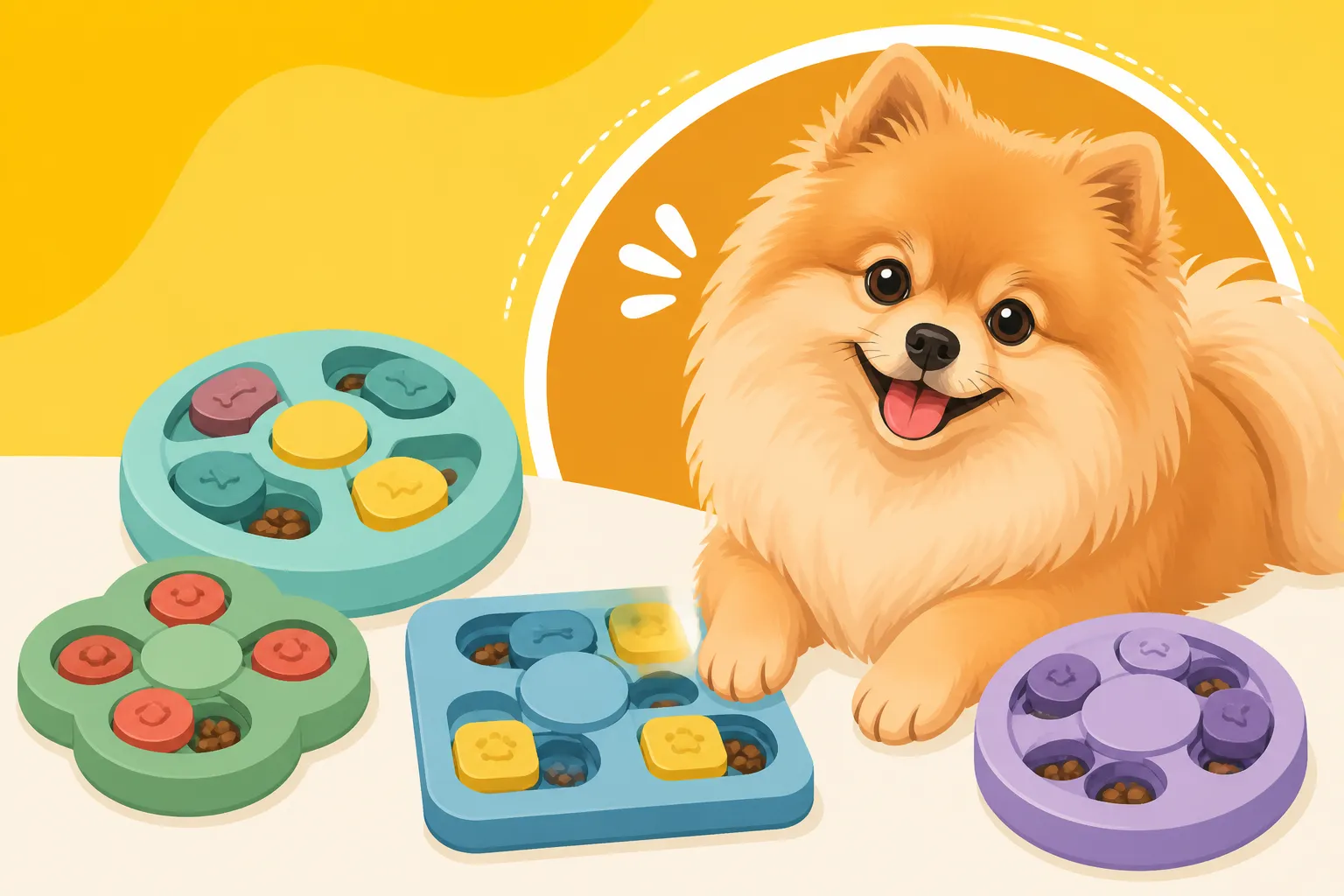
Once your Pomeranian has mastered simpler treat dispensers, it's time to introduce more complex interactive puzzles that require multi-step problem-solving. These toys typically feature sliding covers, lifting pieces, or rotating compartments that hide treats. Your dog needs to figure out the sequence or specific action to reveal the reward.
These puzzles truly challenge a Pomeranian's intellect. They encourage strategic thinking, dexterity, and persistence. Brands like Outward Hound often offer a good range of difficulty levels in this category, from simple slides to more intricate combination puzzles. It’s incredibly rewarding to watch your Pom meticulously work out the solution, nudging a slider with their nose, pawing at a flip-top, and then proudly retrieving their prize. These types of toys are fantastic for building confidence and mental fortitude. Many pet owners, including those learning through programs like BAXTER & Bella, use these to keep their dogs engaged during training breaks or as a reward for learning a new command. The cognitive effort involved here can be as tiring as a good walk, but in a completely different way, leading to a truly satisfied and calm Pomeranian.
Chew-Friendly Options with Hidden Treats
Some puzzle toys combine the satisfying act of chewing with the mental stimulation of a treat dispenser. These are perfect for Pomeranians who love to chew but also need that brain workout. Toys like certain Kong models (specifically the smaller sizes) or other durable rubber chew toys with cavities for treats fall into this category.
You can stuff these toys with a variety of things: peanut butter (xylitol-free!), plain yogurt, wet dog food, or even their kibble mixed with a little water and frozen for a longer-lasting challenge. The act of licking and gnawing to get to the delicious filling provides both mental focus and physical satisfaction. These are especially great for Poms who are teething, or for those who tend to be destructive chewers when bored. Choosing the right size is critical here; it needs to be small enough for their mouth but large enough that it can't be swallowed. These types of toys are also invaluable for managing The Pomeranian That Cannot Be Left Alone as they provide a long-lasting, engaging activity that can help alleviate anxiety.
| Puzzle Toy Type | How it Works | Pomeranian Benefits | Considerations |
|---|---|---|---|
| Treat-Dispensing Balls/Wobblers | Rolls or wobbles to release kibble/treats. | Easy introduction, instant gratification, slows eating. | Check for adjustable openings, durability for chewers. |
| Snuffle Mats/Foraging Toys | Hides treats in fabric strips or compartments. | Engages sense of smell, calming, natural instinct. | Supervise to prevent fabric ingestion, good for quiet time. |
| Interactive Slide/Flip Puzzles | Requires sliding/lifting parts to reveal treats. | High mental challenge, builds problem-solving skills. | Start with easier levels, materials must be durable & safe. |
| Chew-Friendly Stuffed Toys | Cavities filled with spreadable treats or kibble. | Satisfies chewing instinct, long-lasting engagement. | Ensure correct size, use safe, non-toxic stuffings. |
Maximizing the Benefits: Tips for Introducing and Using Puzzle Toys
Getting a puzzle toy is only the first step. To truly get the most out of these wonderful tools, it’s all about how you introduce them, maintain interest, and integrate them into your Pomeranian’s daily life.
The Art of Introduction: Making it Fun, Not Frustrating
When you first introduce a new puzzle toy to your Pomeranian, your goal is to make it an overwhelmingly positive and easy experience. Don't just hand it over and expect them to figure it out immediately, especially if it's a more complex design.
Start by making the treats very easy to get out. For a treat-dispensing ball, leave the opening wide. For a slide puzzle, leave some covers partially open or put treats visibly in the compartments. Let your Pom see and smell the reward. Encourage them with cheerful words and gentle nudges. As soon as they make the slightest progress – a nudge, a paw, a lick that moves the toy and releases a treat – praise them enthusiastically! Give them an extra treat from your hand as a bonus reward for their effort. The key is to build their confidence and show them that interacting with the toy leads to good things. If they get frustrated and walk away, make it even easier next time. Never scold them for not understanding; this is supposed to be fun! Programs like BAXTER & Bella emphasize this positive, step-by-step approach to learning, and it applies perfectly to puzzle toys. It's all about setting your little fluffball up for success.
Rotation and Supervision: Keeping Things Fresh and Safe
Just like kids get bored with the same old toys, your Pomeranian will too. To keep puzzle toys exciting and mentally stimulating, implement a toy rotation schedule. Instead of leaving all the puzzle toys out all the time, offer one or two for a period, then put them away and bring out different ones a few days later. This makes each reintroduction feel like a new and exciting challenge.
Supervision is another critical component, especially with new toys or if your Pom is a determined chewer. Even with "durable" toys, accidents can happen, or small pieces can break off. Always supervise your Pomeranian during puzzle play to ensure they're using the toy safely and not trying to dismantle it or chew off parts that could be ingested. Once they've successfully finished extracting all the treats, put the puzzle toy away until the next session. This prevents them from becoming destructive out of boredom once the food is gone, and also keeps the toy novel and exciting for future use. It also prevents them from getting their clever little mouths on What a Pomeranian Steals Off a Coffee Table when you're not watching!
Integrating Puzzle Play into Your Pomeranian's Routine
Puzzle toys shouldn't be a one-off event; they should be a regular, enriching part of your Pomeranian's day. There are several ways to seamlessly integrate them into your routine.
Consider serving a portion of their daily meals in a puzzle feeder instead of a bowl. This transforms mealtime from a quick gulp into a valuable mental exercise, especially given that The Three to Seven Pounds a Pomeranian Should Hold means portion control is important. You can also use puzzle toys as a way to provide a quiet, independent activity when you're busy or need them to settle down. For example, give them a stuffed Kong when you're working from home or watching TV. Puzzle toys are also fantastic for helping Poms cope with short periods of alone time. A challenging, food-filled toy can distract them and provide a positive association with your absence. This consistent engagement, rather than sporadic use, will lead to a happier, better-adjusted Pomeranian who uses their intelligence for good, not for mischief.
Disclaimer
This article is for general informational purposes only and does not constitute professional advice. Laws, prices and regulations vary by location and change over time. Consult a qualified professional for guidance on your specific situation.