A Pomeranian That Will Not Walk on Wet Grass
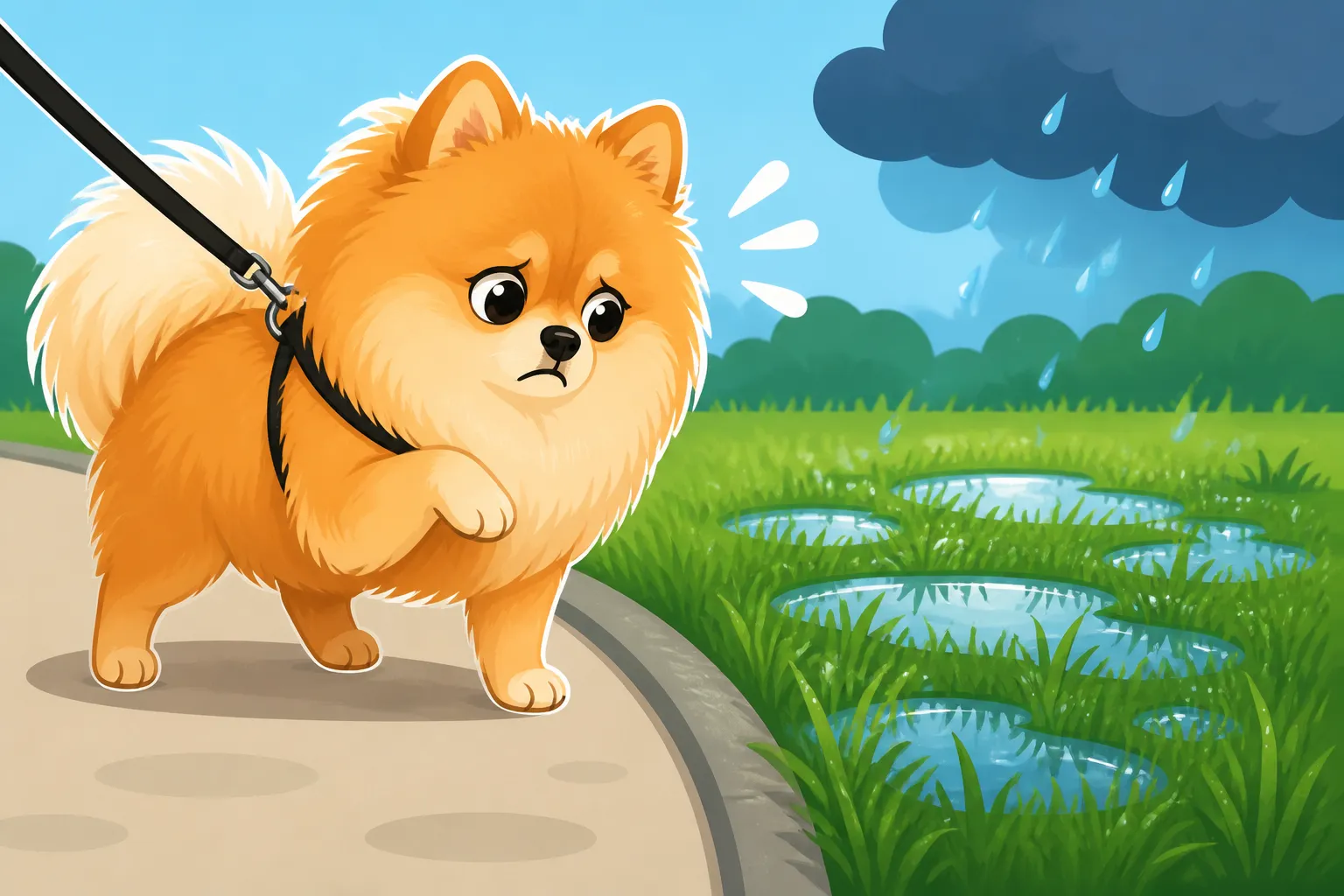
It can be incredibly frustrating, not to mention inconvenient, when your adorable Pomeranian decides that wet grass is an absolute no-go zone. You're trying to get them out for their business, or just a quick stroll, and the moment their little paw touches a damp blade, they freeze, look at you with those big, expressive eyes, and refuse to budge. It’s not just a minor annoyance; it can seriously complicate potty training and daily walks, especially if you live in an area prone to rain or morning dew. This guide is here to help you understand why your Pomeranian might be so averse to wet grass and, more importantly, what practical steps you can take to encourage them to brave the damp outdoors.
Understanding Why Wet Grass is a Dealbreaker for Your Pomeranian
Before we can tackle the problem, we need to understand it from your Pomeranian's perspective. It might seem like a silly preference to us, but for a tiny dog with specific sensitivities, wet grass can be genuinely unpleasant or even frightening.
The Pomeranian's Sensitive Paws and Coat
Think about your Pomeranian's physical attributes. They are small, often weighing just a few pounds, and their paws are dainty. When those little paws hit cold, wet grass, it's not just a bit damp—it can feel like stepping into a cold puddle that soaks right through. Their pads, while tough, are still sensitive to temperature and texture changes. For a dog that's usually kept warm and cozy indoors, this sudden chill and wetness can be quite a shock.
Then there's that magnificent double coat. We adore it for its fluffy appearance and insulation, but when it gets wet, it can become heavy, clumpy, and uncomfortable. The undercoat can absorb moisture, making them feel damp and cold right down to their skin, which is a miserable sensation for any creature, let alone one that's bred to be an indoor companion. Imagine trying to air dry your heavy winter coat after it's been soaked – it takes ages and feels clammy. Your Pomeranian feels something similar. This is especially true for their "britches" – the longer fur on their hindquarters – which can drag in the wet grass and become thoroughly saturated, causing a persistent chill.
Negative Associations and Previous Experiences
Sometimes, a Pomeranian's aversion to wet grass isn't just about the physical sensation; it's about what they've learned to associate with it. Maybe one time, as a tiny puppy, they stepped out onto wet grass during a thunderstorm, and the sudden boom of thunder scared them. Or perhaps they had a particularly cold, uncomfortable outdoor potty experience as a youngster, and now the dampness triggers that memory. Dogs are masters of association, and a single unpleasant event can create a lasting negative feeling.
It could also be a subtle discomfort that built up over time. If they've consistently had chilly, uncomfortable potty breaks on wet grass without any positive reinforcement, they might have simply decided it's not worth it. They might even fear what might be in the wet grass – unseen bugs, slippery patches, or just the general sensation of not being able to see their footing clearly. Their instinct for self-preservation, however tiny they are, is still strong, and if wet grass feels like a hazard, they'll avoid it.
Breed Tendencies and Comfort Zones
Pomeranians, by their very nature, are often quite pampered. They thrive on human companionship, comfort, and warmth. They're not the type of dog naturally inclined to rough-and-tumble through muddy fields (though some certainly enjoy a good romp!). Their small size means that the elements impact them more profoundly. A gust of wind on a wet day can feel like a gale to them, and a puddle that an Irish Wolfhound barely notices could be an entire lake to your Pom.
This inherent preference for comfort and dry conditions can be a strong driver behind their refusal. They are intelligent and quickly learn what they like and dislike. If they've always had a soft, dry spot for their business, or if you've routinely carried them over wet patches, they've been taught that dry is the norm and the expectation. Breaking this established comfort zone requires patience and understanding, recognizing that their reluctance isn't stubbornness, but a deeply ingrained preference. Whether Spitz Independence Makes a Pomeranian Difficult is a related concept, as their intelligence can also manifest in strong preferences.
Practical Strategies to Encourage Wet Grass Walks
Now that we have a better understanding of why your Pomeranian might be staging a protest against wet grass, let’s talk about some actionable steps you can take to make the experience more palatable, and even enjoyable, for them.
Gear Up for Success: Protection and Comfort
One of the most immediate ways to address the discomfort of wet grass is to invest in appropriate protective gear. Think of it as preparing your little adventurer for the elements!
- Waterproof Booties: This is often the first line of defense. Small, flexible, waterproof booties can protect their sensitive paw pads from cold, wet grass and any hidden sharp objects. It might take a bit of time to get your Pomeranian used to wearing them – start with short periods indoors, rewarding them heavily. Look for options on platforms like Amazon, making sure they are specifically designed for small breeds to ensure a snug, comfortable fit without restricting movement. It's crucial they don't slip off or chafe.
- Raincoats: A lightweight, waterproof raincoat can keep their precious double coat from getting saturated. Again, proper fit is key. You want one that covers their back and ideally has a bit of an extended belly flap to protect them from splashing. This prevents that clammy, cold feeling that comes from a wet undercoat. Many brands offer adorable and practical raincoats for small dogs. Whether a Pomeranian Needs Clothing at All is a discussion many owners have, and in this specific situation, a raincoat can be incredibly helpful for their comfort.
By equipping them with these items, you're directly tackling the physical discomfort that often triggers their aversion. They'll feel warmer and drier, making the wet grass less intimidating.
Positive Reinforcement and Desensitization
Changing a dog's long-standing aversion takes patience, consistency, and a whole lot of positive reinforcement. This isn't a quick fix, but a gradual process of building new, positive associations.
- Start Small: Don't throw them into a downpour. Begin by introducing them to a slightly damp patch of grass on a mild day. You might even create a small, wet area in your yard with a watering can.
- Leash Them Up: Even if your yard is fenced, keep them on a leash. This allows you to guide them gently and keeps them from bolting back to safety.
- High-Value Rewards: Have their absolute favorite treats ready – not just any treat, but something they go absolutely wild for. Cheese, cooked chicken, or a special soft chew works wonders. The Reward a Pomeranian Actually Cares About is often something truly irresistible.
- The "Paw In, Treat In" Method: As soon as one paw touches the damp grass, immediately offer a treat and praise. Don't wait for them to walk or do their business. The goal is to create an instant positive association: "Wet grass = yummy treat!"
- Gradual Increase: Slowly increase the expectation. Once they're comfortable with one paw, wait for two paws, then a short step, then a few steps. Each tiny progression earns praise and a treat.
- "Go Potty" Cue: Pair this training with your "go potty" cue. When they successfully relieve themselves on wet grass, it's a jackpot of treats and enthusiastic praise.
- Short and Sweet: Keep these training sessions very short – just a few minutes at a time – to prevent them from becoming overwhelmed or tired. Always end on a positive note, even if it's just for touching the grass for a second.
This process essentially rewires their brain to think of wet grass as a place where good things happen, rather than an unpleasant one.
Making the Experience Fun and Rewarding
Beyond basic desensitization, actively making wet grass a place of joy can accelerate progress. If they associate it with play and positive interaction, they'll be far more willing to venture out.
- Playtime in the Damp: On a slightly damp day (not pouring rain), grab their favorite squeaky toy or ball and gently toss it onto the wet grass. Encourage them to retrieve it, making it a game. Your excitement and enthusiasm are contagious!
- Quick Success Runs: When it's rainy, don't force a long walk. Instead, aim for quick, efficient potty breaks. Take them out, encourage them with your "go potty" cue, and the moment they finish, lavish them with praise and treats, and bring them right back inside to warmth and comfort. This reinforces that wet grass is for quick, purposeful trips followed by immediate rewards.
- Happy Talk and Encouragement: Your tone of voice can make a huge difference. Use an upbeat, cheerful voice when you're taking them out in the damp. Avoid sounding anxious or frustrated, as dogs are highly attuned to our emotions.
- Post-Walk Pampering: Once back inside from a successful wet-weather outing, have a soft towel ready. Gently pat them dry, especially their paws and britches. Offer a warm snuggle or another small treat. This reinforces the idea that enduring a little dampness leads to immediate comfort and affection.
By transforming wet grass from a feared obstacle into a fun, rewarding part of their routine, you're not just tolerating the problem, you're actively solving it with joy and connection.
Alternative Solutions When All Else Fails
Sometimes, despite your best efforts, a Pomeranian's aversion to wet grass might be too deeply ingrained, or perhaps you live in a climate where wet conditions are simply too frequent and severe for consistent outdoor training. In such cases, having reliable backup plans is essential for your sanity and your dog's well-being.
Dedicated Indoor Potty Areas
For many small breed owners, especially those with Poms, indoor potty solutions become a necessity, particularly for those times when going outside isn't feasible or desired by the dog.
- Pee Pads: Traditional absorbent pee pads are a common choice. They are easy to set up and replace. Place them in a consistent, quiet spot away from food and sleeping areas. The key is consistency; once they know where their "spot" is, they're more likely to use it reliably. Some Pomeranians take to them easily, while others might view them as just another surface to play on.
- Artificial Grass Patches: These can be a fantastic middle-ground, offering a more natural texture than a pee pad, but with the convenience of an indoor or covered outdoor setup. Many come with a drainage system and are easy to clean. They give the impression of "grass" without the wet, cold, or muddy mess. This can be especially helpful if your Pom associates wetness with real grass. Keep the artificial turf clean and odor-free to encourage use.
- Litter Boxes for Dogs: Yes, they exist! These are usually larger than cat litter boxes and use specific litter pellets or artificial grass. They can be a great option for Pomeranians, providing a consistent, contained space. Whether a Litter Box Works for a Pomeranian depends on the individual dog, but it's worth exploring if other options aren't working.
The main challenge with indoor potty solutions is avoiding confusion. If you use both indoor and outdoor options, ensure your Pomeranian clearly understands when and where each is appropriate. Consistency in your cues and rewards is paramount. For insights into potential difficulties, you might find Whether Indoor Pads Confuse a Pomeranian helpful.
Exploring Covered Outdoor Spaces
If your Pomeranian still prefers to avoid nature's watering can but you want them to continue doing their business outside, get creative with sheltered spots.
- Covered Patios or Balconies: If you have access to a covered outdoor area, you can set up a designated potty spot there. An artificial turf patch or a large planter filled with real sod (if you're feeling ambitious and can manage the maintenance) under a roof can offer a dry, comfortable space for your Pom to relieve themselves, even during a downpour.
- Carports or Overhangs: Look for existing structures around your home or property that offer overhead protection. A carport, a wide eave, or even a large awning can provide enough dry ground for a quick potty break. The important thing is that it’s accessible and consistently dry.
- Designated Dry Spot in the Yard: If your yard doesn't have a natural covered area, consider installing a small, temporary shelter over a patch of grass. A small dog-sized gazebo or a tarp strung up can create a dry oasis. This allows your Pomeranian to still feel connected to the outdoors without the discomfort of wet paws.
These solutions bridge the gap between full outdoor exposure and strictly indoor toileting, offering a compromise that respects your Pomeranian's preferences while still getting them outside.
Seeking Professional Guidance
There are times when a dog's refusal to do something, even seemingly simple like walking on wet grass, points to a deeper behavioral issue or anxiety. If you've tried all the above methods consistently and seen little to no progress, it might be time to bring in the pros.
- Certified Professional Dog Trainer or Behaviorist: A professional can observe your Pomeranian's behavior, identify underlying anxieties, and develop a customized training plan. They might employ specific desensitization techniques or counter-conditioning protocols tailored to your dog's unique personality and fears. Sometimes, an external perspective is exactly what's needed to break a stubborn habit. Online training platforms, like BAXTER & Bella, also offer structured programs and professional coaching that can guide you through these challenges, providing live support and tailored advice without leaving your home.
- Veterinary Consultation: It's always a good idea to rule out any physical discomfort. Could there be an undiagnosed paw injury, arthritis, or even a sensitivity to cold that makes wet surfaces particularly painful? A quick check-up with your vet can ensure there are no underlying medical reasons for their aversion. The Checkup Schedule a Pomeranian Should Keep is vital for staying on top of their general health.
Remember, every Pomeranian is an individual. What works for one might not work for another, and sometimes, a little expert help goes a long way. The goal is always to find a solution that keeps your furry friend happy, healthy, and comfortable.
| Strategy Type | Method | Benefits | Considerations |
|---|---|---|---|
| Protection Gear | Waterproof Booties | Keeps paws dry and warm, prevents injury | Requires desensitization to wear, proper fit key |
| Raincoats | Keeps coat dry, prevents cold/clammy feel | Must be comfortable, non-restrictive | |
| Behavioral | Positive Reinforcement | Builds positive associations with wetness | Requires high-value treats and consistency |
| Gradual Desensitization | Reduces fear/aversion over time | Slow process, requires patience | |
| Play & Fun | Makes wet areas enjoyable, reduces stress | Needs your active participation, suitable weather | |
| Alternative Potty | Indoor Pee Pads | Convenient, always available, dry surface | Can confuse outdoor training, ongoing cost |
| Artificial Grass Patches | Natural feel, dry, contained | Requires regular cleaning, initial cost | |
| Covered Outdoor Spots | Outdoor relief without direct rain/wetness | May require minor setup, limited accessibility | |
| Professional Help | Trainer/Behaviorist | Expert guidance, customized plans | Investment of time and money |
| Veterinary Check-up | Rules out underlying medical issues | Small cost for peace of mind |
Disclaimer
This article is for general informational purposes only and does not constitute professional advice. Laws, prices and regulations vary by location and change over time. Consult a qualified professional for guidance on your specific situation.