A Pomeranian That Barks at the Mail Carrier
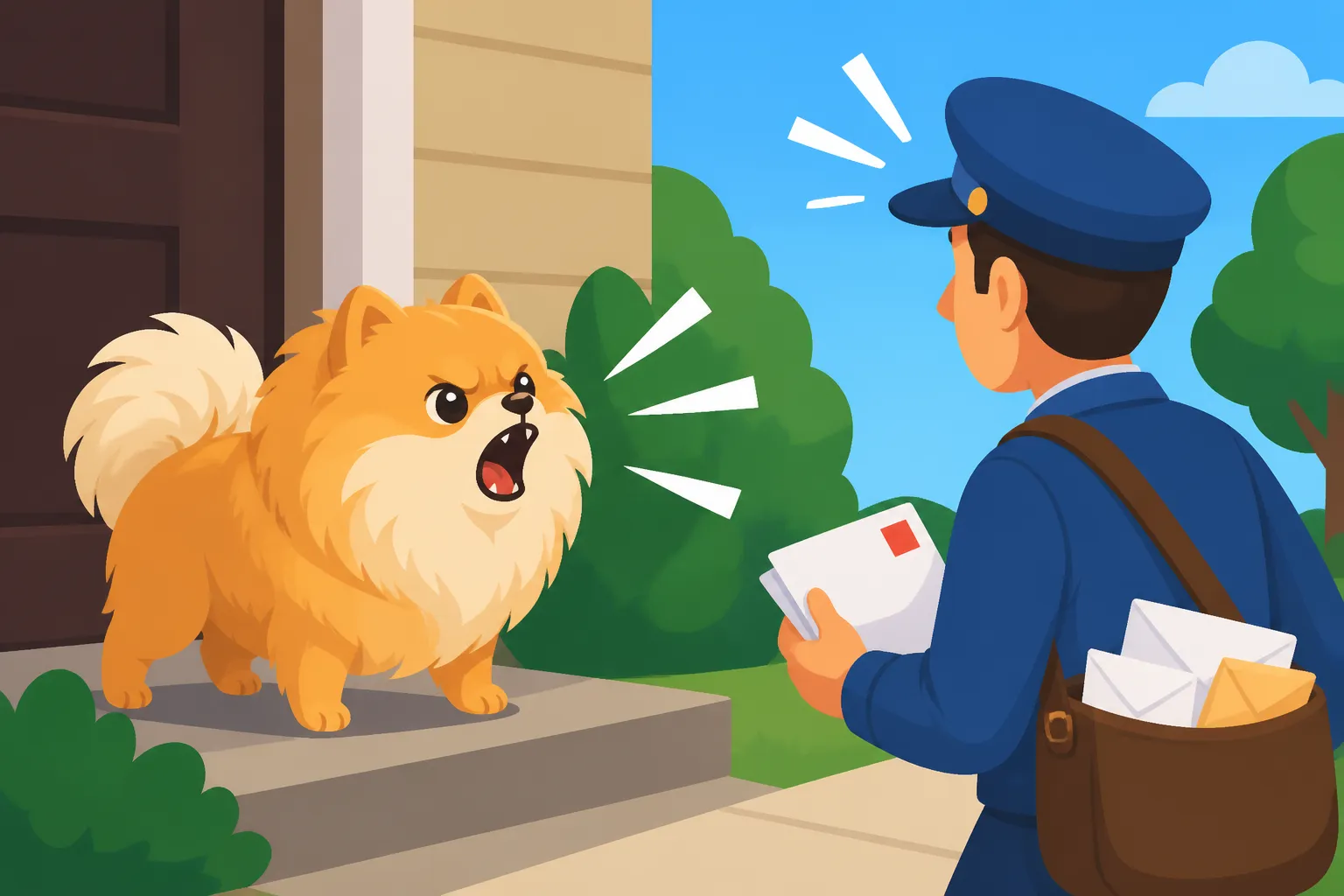
It’s a common, utterly exasperating scenario for so many Pomeranian parents: that distinct jingle of keys, the rumble of a vehicle pulling up, and suddenly, your tiny, fluffy companion transforms into a miniature guard dog, launching into a barking frenzy directed squarely at the innocent mail carrier. This guide will walk you through understanding why your beloved Pom acts this way and provide practical, empathetic strategies to bring peace back to your home, especially during mail delivery time.
Why Your Pomeranian Sees the Mail Carrier as the Enemy
Let's be honest, it feels like they’re just being noisy and territorial, right? While there's a grain of truth to that, a Pomeranian's incessant barking at the mail carrier often stems from a complex mix of instinct, anxiety, and learned behavior. It’s not about being "bad"; it’s about their perception of a recurring event they don't understand and haven't been taught how to handle.
The Territory Protector Mindset
Pomeranians, despite their small stature, carry the heart of their Spitz ancestors. They are natural alert dogs, bred to warn their families of anything amiss. From their perspective, the mail carrier is a stranger who approaches their territory (your home), deposits something, and then leaves. To your Pom, their barking is incredibly effective: the "intruder" always leaves! This reinforces the idea that their vocalizations are successfully chasing the threat away. It's a classic case of positive reinforcement, even if it's not what you intended. They see themselves as guardians, doing their job to protect their most cherished possession – you and your home. Whether a Pomeranian Is the Loudest Toy Breed is often asked, and their protective instincts certainly play a role in their vocal nature.
Consider the consistency of the mail carrier's routine. Every day, or most days, at roughly the same time, this person appears, walks close to the house, places something in a box, and then disappears. From your Pomeranian's point of view, this stranger is a predictable, recurring threat. The dog barks, the person leaves, and the dog thinks, "Phew, I saved the day again!" This cycle strengthens the behavior, making it harder to break without intervention. Your Pomeranian isn't trying to annoy you; they truly believe they are performing a vital service.
The Excitement and Frustration Cycle
Sometimes, it's not pure aggression or fear, but an overflow of excitement mixed with frustration. Your Pomeranian might be thrilled to see someone (even a stranger), but because they can't greet them or interact, that excitement quickly turns into frustration, which then manifests as barking. They might be bouncing, wagging their tail, and barking all at once – a clear sign of conflicted emotions. They want to engage, but are prevented from doing so, creating a loop of unfulfilled desire that erupts into noise.
This can be particularly true if your Pomeranian doesn't get a lot of opportunities for novel experiences or mental stimulation. That quick, exciting visit from the mail carrier might be the most stimulating thing to happen all afternoon, making it a highly anticipated (and vocalized) event. A sedentary lifestyle without enough walks, playtime, or puzzle toys can lead to a dog that's easily overstimulated and expresses that energy through barking. This is why addressing the root cause, whether it's genuine fear or pent-up energy, is so crucial to helping your little one.
Lack of Socialization or Negative Experiences
A Pomeranian who wasn't properly socialized as a puppy, or who has had a negative experience with a stranger or even the mail slot itself, might develop a fear response. This fear then triggers defensive barking. Perhaps a loud bang happened near the mailbox once, or a previous mail carrier accidentally startled them. These isolated incidents can build into a deep-seated apprehension. If your Pomeranian retreats, trembles, or shows other signs of anxiety while barking, fear is likely a significant component.
On the flip side, sometimes poor socialization simply means they haven't learned how to react calmly to novel people and situations. They might not be afraid, but simply lack the coping mechanisms to process a stranger’s presence without resorting to their primary form of communication: barking. Understanding Whether a Pomeranian Barks From Fear or Habit is key to choosing the right training approach, as a fearful barker requires a gentler, more reassuring touch than a purely habit-driven one.
Strategies to Silence the Alarm: Training and Management
Now that we understand the "why," let's dive into the "how." Tackling mail carrier barking requires a multi-pronged approach that combines environmental management with consistent, positive reinforcement training. Remember, this isn't about punishment; it's about teaching your Pomeranian a more appropriate and calmer way to respond.
Proactive Management of the Environment
The first step is to manage the situation so your Pomeranian isn't constantly practicing the unwanted behavior. This means preventing them from seeing or hearing the mail carrier, at least initially.
- Block the View: If your Pom barks at the window, close the blinds or curtains during mail delivery time. A simple frosted window film can also obscure their view while still allowing light in. If they can’t see the "intruder," it’s much harder for them to react.
- Create a "Safe Zone": Move your Pomeranian to a different room, away from the front of the house, before the mail carrier arrives. You can even make this a fun routine by giving them a special chew toy or a puzzle toy filled with treats. This helps associate the mail carrier's arrival with something positive and diverting, rather than a trigger for barking. Consider investing in a comfy bed or a playpen on Amazon to create a truly inviting safe space.
- Sound Masking: If sound is a trigger, try playing music or white noise to muffle the sounds of the mail truck or footsteps. A fan, radio, or even a specific sound machine can work wonders to reduce auditory stimulation. This helps reduce their vigilance and the perceived need to alert you. For more tips on managing noise, check out Whether Apartment Walls Muffle a Pomeranian.
- Doorbell Management: Often, it's not just the sight of the mail carrier, but the doorbell itself. You can desensitize your Pomeranian to the doorbell by ringing it softly and immediately giving a treat, then gradually increasing the volume. Over time, the doorbell will predict treats, not an intruder. Alternatively, you could change your doorbell sound or even disconnect it temporarily during peak delivery times. The Doorbell and the Pomeranian Response delves deeper into managing this specific trigger.
Counter-Conditioning and Desensitization
This is where you change your Pomeranian's emotional response to the mail carrier from negative (alert, anxious, frustrated) to positive (calm, happy anticipation).
- Identify the Trigger Time: Observe when your mail carrier typically arrives. This allows you to prepare for training sessions.
- Start Below Threshold: Begin training when the trigger (mail carrier) is far enough away that your Pom notices but doesn't react with a full barking frenzy. This might mean practicing with the blinds closed, or even just using a recording of mail truck sounds at a low volume.
- Positive Association: The moment your Pomeranian notices the mail carrier (or the sound/sight proxy), immediately start feeding them high-value treats (think tiny pieces of cheese, cooked chicken, or hot dogs) until the mail carrier is gone. The key is that the treats stop when the mail carrier leaves.
- Goal: Your Pomeranian should start to associate the mail carrier's arrival with yummy treats. Instead of "Mail carrier! Bark!", it becomes "Mail carrier! Treats!"
- Consistency is Crucial: Everyone in the household must participate consistently.
- Gradual Exposure: Once your Pom is consistently calm and focused on treats when the blinds are closed, you can gradually introduce more exposure. Maybe you open the blinds just a crack, then a little more, always pairing the sight with treats.
- Teach a "Go to Mat" Command: Teach your Pomeranian to go to a specific spot (like a dog bed or mat) and stay there calmly when asked. Practice this at times when the mail carrier isn't around. Reward heavily for staying on the mat. Then, when the mail carrier approaches, direct them to their mat and reward them for staying calm while you give them treats or a stuffed Kong. Getting a Barking Pomeranian to Stop on Command can provide additional strategies for teaching impulse control.
Teaching an Alternative Behavior
Instead of just trying to stop the barking, teach your Pomeranian something else to do.
- "Quiet" Command: Once they start to bark, calmly say "Quiet," place a treat near their nose (distracting them), and as soon as they stop barking for even a second, praise and reward. Gradually increase the duration they need to be quiet before getting the treat.
- "Thank You" or "All Done": Some owners find success teaching a "thank you" command where the dog is allowed one or two barks to alert, then is asked to "thank you" (meaning, "that's enough, I heard you") and redirect to a calm behavior like going to their bed for a treat. This acknowledges their alert nature without letting it escalate.
- Redirection to a Toy: Keep a favorite toy or puzzle nearby. The moment you anticipate the mail carrier's arrival, redirect your Pomeranian's attention to the toy. Engage them in a game of fetch or tug in another room. This channels their energy into something constructive. For inspiration on mentally stimulating toys, consider Puzzle Toys Small Enough for a Pomeranian.
Essential Tools and Resources for Barking Behavior
Sometimes, managing this kind of persistent barking requires a little help from the right tools and educational resources. They aren't magic bullets, but they can certainly make the training process smoother and more effective for both you and your Pomeranian.
Physical Barriers and Sound Dampeners
These are about creating an environment where your Pomeranian is less likely to be triggered, or where their barking is less disruptive.
- Window Film or Blinds: As mentioned, opaque window film is fantastic for blocking visual triggers without plunging your room into darkness. Heavy-duty blinds or curtains can also work well. The goal is to make the mail carrier an "out of sight, out of mind" event.
- White Noise Machines/Fans: These are excellent for masking outdoor sounds, including the mail truck, footsteps, or even distant voices that might otherwise trigger your Pom. You can find many affordable options on Amazon, designed specifically for sleep or general sound masking. Even a simple fan can generate enough ambient noise to make a difference.
- Dog Gates or Playpens: If moving your Pomeranian to a designated "safe zone" is part of your strategy, a sturdy dog gate or an indoor playpen is essential. This allows you to confine them safely and comfortably in a separate room where they won't see or hear the mail carrier as clearly, enabling you to practice your counter-conditioning in a controlled setting. Teaching a Pomeranian to Settle in a Pen is a helpful resource if your Pom isn't used to confinement.
Training Aids and Online Support
Modern technology and structured programs can be incredibly beneficial when tackling behavioral challenges.
- High-Value Treats: We can't stress this enough! For counter-conditioning, you need treats that are irresistible to your Pomeranian. These should be special, reserved only for training sessions, not everyday snacks. Think soft, smelly, pea-sized pieces of boiled chicken, cheese, or liverwurst. Experiment to find what makes your Pom's eyes light up!
- Online Training Platforms: Sometimes, you need more structured guidance than you can piece together from articles alone. Online puppy and dog training programs can provide step-by-step videos and support for various behavioral issues, including reactivity to sounds and sights. A resource like BAXTER & Bella, for example, offers comprehensive online courses that can guide you through managing behaviors like barking. These platforms often break down complex training into manageable daily exercises, making it easier to stay consistent.
- Interactive Puzzle Toys: These toys keep your Pomeranian mentally engaged and distracted during trigger times. Stuff them with peanut butter or soft treats, and give it to your Pom in their "safe zone" just before the mail carrier arrives. A mentally occupied dog is less likely to bark. Look for durable, appropriately sized puzzle toys on Amazon.
- Harnesses and Leashes: While not directly for barking at the mail carrier, ensuring your Pomeranian is comfortable and secure during walks can reduce overall anxiety, which sometimes contributes to reactive behaviors at home. Always opt for a well-fitting harness over a neck collar for a Pomeranian, especially given their delicate tracheas. Harnesses Fitted for a Pomeranian's Windpipe explains this further.
The Long Game: Patience, Consistency, and Professional Help
Dealing with persistent barking is a marathon, not a sprint. It takes dedication, understanding, and sometimes, the wisdom of a professional. Don’t get discouraged if you don’t see immediate results; small, consistent efforts add up over time.
The Importance of a Consistent Routine
Dogs thrive on routine and predictability. Establishing a consistent daily schedule for feeding, walks, playtime, and training sessions can significantly reduce your Pomeranian's overall anxiety levels. When they know what to expect, they are generally calmer and more receptive to learning new behaviors. This also applies to your training approach: everyone in the household needs to be on the same page, using the same commands and rewards. Inconsistency is confusing for your dog and can sabotage progress. If one person allows the barking and another tries to stop it, your Pomeranian will never learn the desired behavior. The Routine a Pomeranian Needs Every Day provides more insights into building a stable environment for your companion.
Think of it like this: if you’re trying to teach a child not to hit, but sometimes you laugh when they do, they’ll get mixed signals. Dogs are no different. They need clear, unified communication from their human family. This might mean having a family meeting to discuss the new training plan and ensure everyone is committed to the same techniques, whether it's giving treats when the mail carrier arrives or redirecting to a toy.
Knowing When to Call in a Professional
While many barking issues can be managed at home with consistent training, there are times when seeking professional help is the wisest course of action.
- No Progress: If you've been diligently working on the strategies for several weeks or months and see little to no improvement, a professional dog trainer or a veterinary behaviorist can offer tailored advice.
- Escalating Behavior: If the barking is accompanied by growling, snapping, or other signs of aggression, it's crucial to consult a professional immediately. This indicates a deeper underlying issue that requires expert intervention for the safety of everyone involved.
- Overwhelming Anxiety: If your Pomeranian exhibits extreme anxiety (panting, trembling, excessive drooling, destructive behavior) around mail delivery time or other triggers, a veterinary behaviorist can assess for anxiety disorders and discuss potential medication in conjunction with behavior modification.
- Lack of Time/Expertise: Let's face it, life gets busy! If you simply don't have the time or feel you lack the expertise to implement a robust training plan, a professional can either guide you more intensively or even work directly with your dog.
A good trainer will use positive, force-free methods and teach you how to communicate effectively with your Pomeranian. They can observe your dog's specific reactions and fine-tune your approach, offering invaluable insights that you might miss. Finding a certified professional is an investment in your dog’s well-being and your household's peace of mind. They can help you address underlying anxieties, whether it's related to The Pomeranian That Cannot Be Left Alone or generalized fear.
Disclaimer
This article is for general informational purposes only and does not constitute professional advice. Laws, prices and regulations vary by location and change over time. Consult a qualified professional for guidance on your specific situation.