The Pomeranian That Cannot Be Left Alone
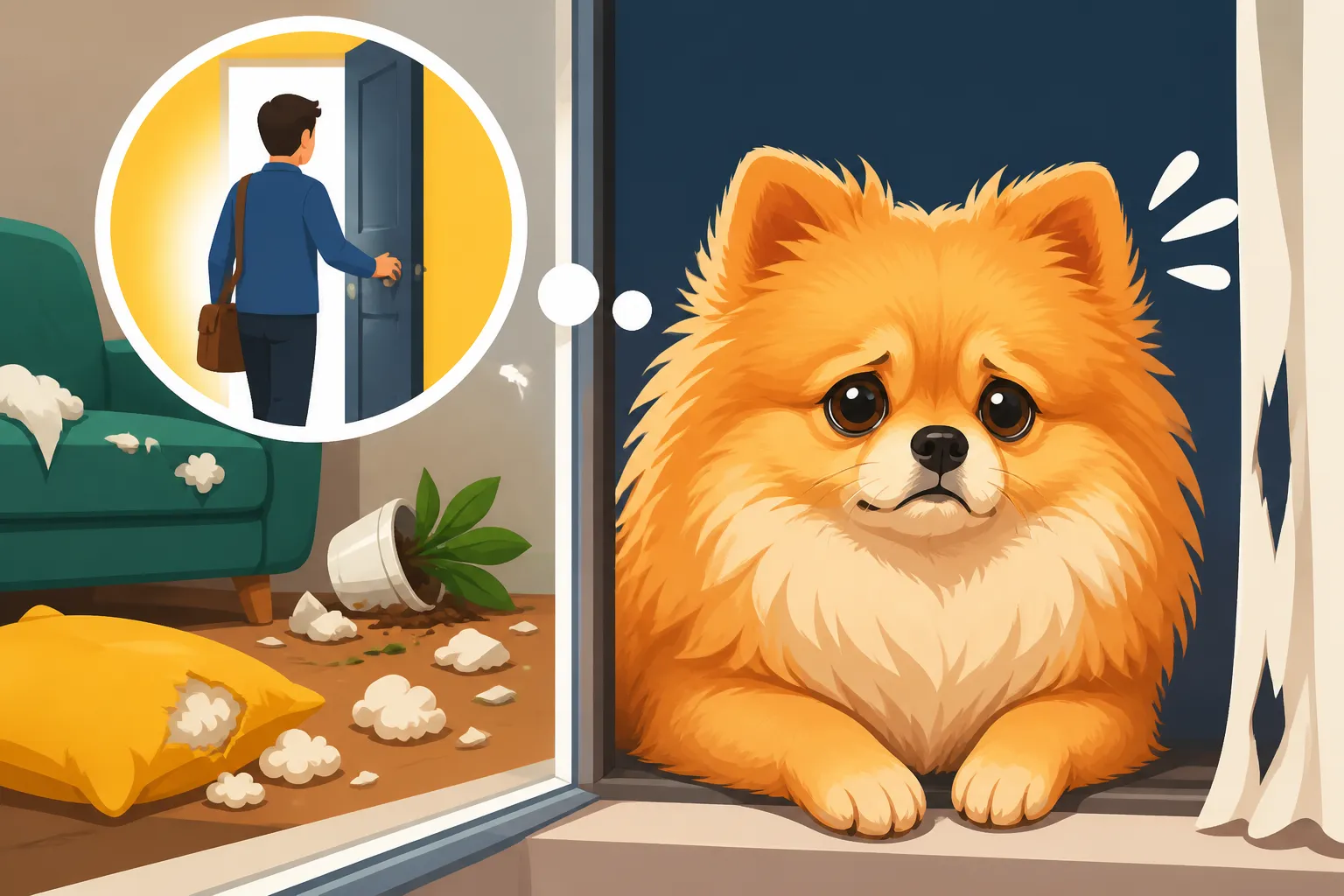
It's incredibly frustrating and heartbreaking when your beloved Pomeranian struggles with being left alone. That piercing barking, the destructive chewing, or the frantic pacing you might see on a camera can make leaving the house feel like an impossible task, making you feel guilty and helpless. This comprehensive guide is here to help you understand the root causes of separation anxiety in Pomeranians and equip you with practical, compassionate strategies to help your little companion feel safe and secure, even when you're not right by their side.
Understanding Why Your Pomeranian Hates Being Alone
Pomeranians, with their effervescent personalities and toy-sized stature, often seem like they thrive on constant companionship. While many dogs enjoy being near their people, for some Poms, being alone triggers genuine distress. It's not about being "naughty" or "stubborn"; it's a deep-seated anxiety that needs a specific approach.
The Pomeranian's Innate Need for Companionship
Think about the history of the Pomeranian. They descended from much larger Spitz breeds, but over generations, they were selectively bred to be smaller, specifically to be lap dogs and companions. Queen Victoria famously had a tiny Pomeranian named Marco, and her devotion to the breed significantly boosted their popularity, cementing their role as beloved pets rather than working dogs. This history means they are quite literally bred to be near humans.
Their small size also plays a significant role. A tiny Pomeranian feels vulnerable in a big world, and their primary source of security and comfort is often their human. When that security blanket is suddenly removed, even for a short trip to the grocery store, it can trigger a profound sense of abandonment or fear. They've learned that you are their protector, their provider, and their main source of comfort, so your absence feels like a significant threat to their well-being. This deep bond, while wonderful in many ways, can inadvertently make them more susceptible to developing separation anxiety if not managed carefully from the start.
Recognizing the Signs of Separation Anxiety vs. General Naughtiness
It’s crucial to differentiate between a Pomeranian acting out due of boredom or a lack of training, and one genuinely panicking due to separation anxiety. The distinction helps you apply the right solution. When a Pom has true separation anxiety, their behaviors typically manifest only when you are absent or are about to leave, and they often carry a desperate, frantic quality.
Common signs of separation anxiety include:
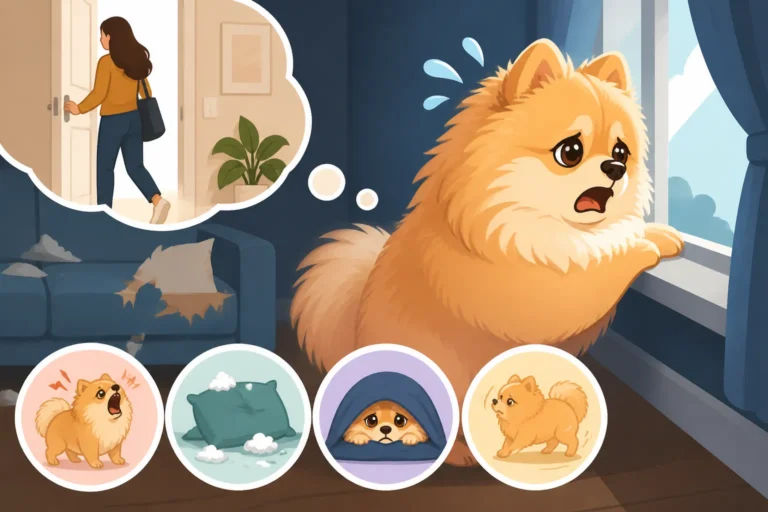
- Excessive Vocalization: This isn't just a few barks at the mail carrier. This is continuous, high-pitched barking, whining, or howling that can last for the entire duration of your absence. Neighbors often report this, and you might hear it on a camera you set up. It sounds distressed, not just alert.
- Destructive Chewing: While boredom chewing might involve gnawing on a slipper or a toy, anxiety-driven destruction often targets exit points like doors, doorframes, windowsills, or even crates, as the dog tries to escape. They might also chew on items that smell strongly of you, like your clothes, in an attempt to self-soothe.
- House Soiling: A dog with separation anxiety might urinate or defecate indoors, even if they are otherwise perfectly house-trained. This isn't out of spite; it's an involuntary physical response to extreme stress and fear.
- Pacing and Trembling: On a camera, you might observe your Pomeranian incessantly pacing back and forth, unable to settle. They might also tremble, pant excessively, or drool, all signs of significant physiological stress.
- Escape Attempts: This can be one of the most dangerous signs, as they may injure themselves trying to dig or chew their way out of a crate, through a door, or out a window.
- Hyper-attachment: Before you leave, or when you're home, your Pom might follow you from room to room, never letting you out of their sight. They might start to panic as soon as they see your "departure cues," like picking up your keys or putting on your coat.
If your Pomeranian only chews up things when left alone, but is perfectly fine when you're home, and isn't barking or pacing, it might lean more towards boredom or lack of appropriate outlets. However, if you see a combination of these desperate behaviors, especially around your departures, it’s highly indicative of separation anxiety. Always consult with your veterinarian first to rule out any underlying medical conditions that might be contributing to these behaviors, such as urinary tract infections for house soiling, or generalized anxiety unrelated to separation. For more on this, you might find Signs a Pomeranian Has Separation Anxiety helpful.
Common Triggers for Separation Anxiety in Pomeranians
Separation anxiety doesn't usually appear out of nowhere. There are often specific events or patterns that can trigger or exacerbate this challenging condition in your little Pom. Understanding these triggers is the first step in prevention and management.
One of the most common triggers is a sudden change in routine. Many families adopted or spent significantly more time with their Pomeranians during periods of remote work or schooling. When the owners returned to an office environment or their regular busy schedules, the abrupt shift from constant companionship to long periods of solitude could be incredibly jarring for a highly attached dog. This sudden perceived abandonment can be a major shock to their system.
Traumatic events can also play a huge role. Pomeranians from rescue situations, especially those who have been surrendered multiple times or experienced neglect, are often prone to separation anxiety. Their past experiences of being left behind can make them hypersensitive to any signs of your departure. A bad experience at a kennel, a scary vet stay, or even a stressful move to a new home can also contribute to a dog developing an intense fear of being left alone. These sensitive little souls remember adverse events vividly, and these memories can fuel their anxiety.
Furthermore, inadvertently reinforcing clingy behavior can set the stage for separation anxiety. If we constantly give our Pomeranians attention every time they follow us, whimper at the bathroom door, or demand cuddles, we teach them that our presence and constant interaction are the norm. While it feels good to be loved, this can make your absence even more terrifying. Over-coddling, carrying them everywhere, or never allowing them to have independent playtime can create a situation where the dog genuinely believes they cannot cope without you. It's a tricky balance, because who can resist a fluffy Pom? But fostering a healthy sense of independence from puppyhood can prevent these issues later on.
Building a Foundation of Independence
Addressing separation anxiety requires a deliberate and structured approach to help your Pomeranian learn that being alone isn't scary. It's about slowly building their confidence and comfort with your absence, one tiny step at a time.
Teaching Your Pomeranian to Enjoy Alone Time
This is where the real work begins, and it starts long before you ever leave the house for an extended period. The goal is to create positive associations with being alone, transforming it from a terrifying experience into a rewarding one.
Start by creating a "safe space" for your Pomeranian. This could be a comfortable crate, a small, puppy-proofed room, or a designated pen. The key is that this space is associated with good things and is only used when you need them to settle. Once you've chosen the space, begin leaving them in it for very short durations while you are still home. I mean seconds at first. Put them in their cozy spot with a high-value, long-lasting treat or a puzzle toy stuffed with something delicious (like peanut butter or cream cheese). Walk out of the room, close the door, and immediately come back in before they have a chance to get distressed. If they are quiet and focused on their treat, praise them calmly and let them out.
Slowly, and I mean slowly, increase the time you are out of sight. Go from seconds to a minute, then two, then five. The absolute golden rule here is: always return before your Pomeranian shows any signs of anxiety. If you return when they are barking or panicking, you're inadvertently teaching them that their distress calls you back. The moment they start to get anxious, you've gone too far, too fast. Reset and go back to a shorter duration where they are successful. This gradual desensitization teaches them that your absence is temporary and always leads to your calm return, and that good things happen when they are alone. You'll find a lot of overlap with Teaching a Pomeranian to Settle in a Pen as you work on this.
Decreasing the Significance of Your Departures and Arrivals
Many Pomeranians start to panic the moment they see their owner preparing to leave. This is because we often create a big fuss around our departures and arrivals. We say long goodbyes, give lots of cuddles, and make a big deal out of returning home. While this feels natural and loving, it inadvertently amplifies the emotional rollercoaster for your dog.
To combat this, the first step is to make your departures and arrivals incredibly low-key. When you're about to leave, avoid any prolonged goodbyes. Don't say "Mommy's going now, be a good boy!" with a dramatic hug. Instead, gather your things, calmly give them their special "alone time" treat in their designated safe space, and walk out the door without a word or a glance. The goal is to make your exit as unremarkable as possible.
Similarly, when you return home, don't rush in with excited greetings. Ignore your Pomeranian for the first few minutes (this can feel impossible, I know!). Wait until they are calm and settled, then greet them quietly. This teaches them that your arrival isn't a huge celebration they need to demand, but a normal, calm event. By reducing the emotional charge around these moments, you help them understand that your coming and going is simply a part of daily life, not a dramatic event that warrants panic.
The "Go to Your Place" Command and Boundary Training
Part of building independence is teaching your Pomeranian that they don't need to be glued to your side constantly. This is where a "go to your place" command, combined with boundary training, becomes invaluable.
The "go to your place" command involves teaching your Pom to go to a specific bed, mat, or crate and stay there until released. Start by luring them onto their place with a treat, saying "Place!" as they step on it. Reward them heavily for simply being on the mat. Gradually extend the time they need to stay there, then add distance. This isn't about punishment; it's about teaching them an alternative, calm behavior to following you everywhere. Once they reliably go to their place, you can start asking them to stay there while you move around the house, slowly increasing your distance and the duration of the stay.
Boundary training also helps create psychological and physical space. Using baby gates can be incredibly useful for a small Pomeranian. For example, you might gate off the kitchen while you're cooking, or the living room while you're working, so your Pom learns that they can't always be right underfoot. This teaches them to settle and entertain themselves in a separate space, even when you are just a few feet away. This helps break the cycle of constant attachment. By practicing these exercises regularly, you're building their confidence in their ability to be content and calm on their own, even when you're nearby but not directly interacting with them.
Crate Training for Peace of Mind (Both Yours and Theirs!)
Crate training, when done correctly, can be one of the most powerful tools in managing separation anxiety in Pomeranians. It provides them with a secure, den-like space where they feel safe, rather than exposed and vulnerable. However, it must be introduced positively and with patience.
Introducing the Crate as a Safe Haven
The key to successful crate training is to make the crate your Pomeranian's favorite place in the world, not a punishment chamber. Start by making the crate inviting. Place soft bedding, a familiar blanket, and a favorite toy inside. Leave the door open and scatter high-value treats around and inside the crate, encouraging your Pom to explore it on their own terms.
Feed your Pomeranian their meals inside the crate with the door open. As they get comfortable, you can start closing the door for very short periods while they are eating. Once they're done, immediately open the door. This creates a strong positive association: "Crate equals delicious food!" You can also give them special chew toys or stuffed Kongs only when they are in their crate. This makes the crate a place of exclusive rewards. The goal is for your Pomeranian to voluntarily enter the crate and relax there, seeing it as their personal sanctuary. Never, ever use the crate as a place for punishment, as this will only create negative associations and deepen their anxiety. Many of the principles discussed in Crate Work With a Pomeranian Puppy That Cries are relevant here, even for adult dogs.
Tips for Overcoming Crate Aversion
Some Pomeranians might initially be wary or even fearful of the crate. If your Pom is resistant, you’ll need extra patience and a slower approach. One effective strategy is to cover the crate with a blanket or towel. This can mimic a den, making the space feel more secure and less open, which can be comforting for many dogs. Ensure there’s still good airflow, of course.
Another tip is to ensure the crate is truly comfortable. A thin mat might not be enough for a sensitive dog; consider a plush bed or even an old sweater that smells like you (but one you don't mind getting chewed!). Try different types of crates if your dog seems to dislike a particular one. Wire crates offer more visibility, while plastic travel crates are more den-like. Soft-sided crates can also be an option for dogs who aren't destructive. You can find a wide variety of these options on platforms like Amazon, which allows you to compare different styles and features to find the perfect fit for your Pom.
For a truly crate-averse Pom, practice "crate games." Toss a treat in, let them get it, come out. Repeat. Slowly close the door for a second while they're eating, then open it. Don't rush; celebrate every small step of progress, even if it's just them voluntarily stepping a paw inside. Always keep sessions short and positive, ending before your dog becomes stressed.
Managing Crate Time and Potty Breaks
When using a crate for a Pomeranian, especially during training for alone time, it's essential to manage both the duration and their potty needs. Pomeranians have notoriously small bladders, and even a well-trained adult might struggle to hold it for extended periods, let alone a puppy.
Crate size is paramount. The crate should be just large enough for your Pomeranian to stand up, turn around, and lie down comfortably. If it's too large, they might use one end as a potty area, defeating the purpose of house training. Many crates come with dividers that allow you to adjust the size as your puppy grows or to perfectly fit your adult Pom. For specific guidance on bladder capacity, How Small a Pomeranian Puppy's Bladder Is offers valuable insights.
Always ensure your Pomeranian has had a thorough potty break immediately before being placed in the crate. Take them outside, praise them heavily for going, and then lead them directly to their crate with their special treat. The general rule of thumb for puppies is that they can hold their bladder for roughly one hour per month of age, plus one. So, a 3-month-old puppy might manage 4 hours. Adult Pomeranians can often hold it longer, perhaps 4-6 hours, but this varies. Never force your dog to hold it longer than they comfortably can, as this will cause distress and can lead to accidents and a negative association with the crate. If you need to be away longer, arrange for a potty break from a trusted friend or pet sitter.
| Crate Training Essential | Description | Best Practice for Pomeranians |
|---|---|---|
| Crate Size | Just enough space to stand, turn, lie down. | Use a divider if the crate is too big. Avoid making it a 'room'. |
| Comfort | Soft bedding, familiar smells. | Plush bed or blanket; an old t-shirt with your scent can be comforting. |
| Positive Association | Treats, meals, toys only in the crate. | Stuff a Kong with high-value treats and give it only when in the crate. |
| Potty Breaks | Ensure bladder is empty before crating. | Take out immediately before crating. Schedule regular breaks based on age/bladder capacity. |
| Location | Quiet area, but not isolated. | Initially, place in a room where you are. Gradually move to a quieter space for alone time. |
| Covering | Blanket or towel over top and sides. | Helps create a den-like feel, reducing visual stimulation and promoting calm. |
Desensitization and Counter-Conditioning Strategies
Once your Pomeranian is comfortable in their safe space and you've started making arrivals and departures less dramatic, it's time to systematically tackle the specific triggers that cause their anxiety. This involves very subtle training techniques that gradually change their emotional response.
Practicing Departures Without Actually Leaving
This might sound a bit silly, but it's incredibly effective for Poms who start panicking the moment you grab your keys or put on your shoes. These actions become "departure cues" that signal impending doom for an anxious dog. Your goal is to desensitize them to these cues, making them meaningless.
Start by picking up your keys, jingle them, then put them back down and go sit on the couch. Do this repeatedly throughout the day, without actually leaving. Next, put on your coat, then take it off and go about your business. Eventually, pick up your keys, put on your coat, walk to the door, open it, and then close it and go back to what you were doing. The idea is to break the association between these cues and your actual departure. You want them to think, "Oh, Mom's just playing with her keys again," rather than "OH NO, SHE'S LEAVING!"
Once your Pom is indifferent to these cues, you can start practicing actual short absences. Put on your coat, give them their special long-lasting treat in their safe space, and step outside for just a few seconds. Return before they show any signs of distress. Gradually increase the time you're outside. Remember the golden rule: always return before they panic. If you hear them start to whine or bark, you've gone too far. Next time, make the absence even shorter. This slow, methodical approach helps them build confidence that you will always return, and that being alone isn't something to fear. You can even use a camera to monitor their behavior discreetly.
Using Enrichment and Distraction During Alone Time
When you do leave your Pomeranian alone, it's vital to provide them with appropriate enrichment that can distract them and keep their minds occupied. This is where counter-conditioning comes into play: you're changing their negative association with alone time into a positive one.
High-value, long-lasting food puzzles are your secret weapon. Think Kongs stuffed with peanut butter, yogurt, cream cheese, or even wet dog food, then frozen to make them last longer. Lickimats are also fantastic, offering a calming, prolonged licking activity. These items should be given only when you're about to leave, making them a special, exclusive treat. Your Pom learns that "you leaving means I get this amazing thing!" You can find many options that are perfectly sized for small breeds on Amazon, including tiny Kongs or treat-dispensing balls designed for little mouths.
Beyond food, ensure they have safe, appropriate chew toys that they genuinely enjoy. Rotate toys so they don't get bored. Some owners also find that leaving on a radio tuned to a talk station, or playing classical music or dog-specific relaxation tracks, can provide comforting background noise and mask external sounds that might trigger alarm barking. The key is to engage their senses positively and give them something pleasant to focus on other than your absence. Don't forget to check out Puzzle Toys Small Enough for a Pomeranian for specific recommendations.
Incorporating Professional Guidance and Training Programs
While many owners can make significant progress with the techniques mentioned above, there are times when separation anxiety is so severe that it requires professional intervention. Knowing when to call in the experts is crucial for your Pomeranian's well-being and your sanity.
If you've consistently applied desensitization and counter-conditioning techniques for several weeks or months and your Pomeranian is still experiencing extreme distress, or if their anxiety is causing them to injure themselves or destroy property extensively, it's time to seek a certified professional dog trainer or a veterinary behaviorist. These professionals have specialized knowledge and tools to diagnose and treat severe separation anxiety. A veterinary behaviorist, in particular, can assess if medication might be a necessary temporary aid to help your dog learn to cope, alongside behavior modification. Medication is rarely a standalone solution but can lower anxiety levels enough for the training to be effective.
There are also excellent online training programs and resources that can guide you step-by-step. For instance, programs like BAXTER & Bella offer comprehensive online dog training, which often includes modules on separation anxiety, providing structured lessons and community support. These programs can be a fantastic resource, offering professional advice that you can implement at home, often at your own pace. The importance of consistent application of any advice, whether from an online course or a one-on-one professional, cannot be overstated. There's no quick fix for separation anxiety; it requires dedication, patience, and unwavering consistency from you.
The Role of Exercise and Mental Stimulation
It's easy to assume that because Pomeranians are small, they don't need much exercise or mental stimulation. This couldn't be further from the truth! A bored or under-stimulated Pomeranian is more likely to develop behavioral issues, including those that can mimic or exacerbate separation anxiety.
Meeting Your Pomeranian's Exercise Needs
While they won't be running marathons, Pomeranians absolutely need regular physical activity. Daily walks are crucial, not just for potty breaks, but for exploration, sniffing new scents, and burning off excess energy. Two to three short walks a day (15-20 minutes each) are usually sufficient for an adult Pom. These walks allow them to engage with the world outside their home, which is mentally stimulating as well. For a deeper dive into appropriate exercise, consider reading How Far a Pomeranian Can Walk in a Day.
It's important to remember that physical exercise isn't the only component. Mental stimulation can be just as, if not more, tiring than physical exercise. A brisk walk is great, but a sniffy walk where they get to explore every interesting scent is even better for their brain. Engaging their natural instincts for curiosity and exploration helps to satisfy their intrinsic needs and contributes to a more balanced and content dog. Preventing boredom is a critical step in preventing the agitated energy that can lead to anxious behaviors when left alone.
Engaging Their Minds with Training and Games
Beyond walks, actively engaging your Pomeranian's mind through training and games can significantly reduce anxiety and build their confidence. Short, fun training sessions throughout the day keep their brains active and reinforce your bond in a positive, constructive way.
Pomeranians are intelligent little dogs, and they enjoy learning new things. Work on basic obedience commands like sit, stay, come, and down. Once they've mastered those, move on to more advanced tricks. Tricks a Pomeranian Learns Quickly can give you some great ideas! Learning new tricks builds their confidence, strengthens their cognitive abilities, and provides a productive outlet for their energy. Just 5-10 minutes of focused training a few times a day can make a huge difference.
Interactive games are also fantastic. Indoor fetch, hide-and-seek with treats or toys, or even simple scent games (hiding a treat and asking them to find it) can be incredibly engaging. These activities burn mental energy, prevent boredom, and give them a sense of accomplishment. A mentally satisfied Pomeranian is much more likely to be a calm Pomeranian, capable of settling down when you're not around.
The Pitfalls of Over-Exercising an Anxious Pomeranian
While exercise and mental stimulation are vital, there's a fine line, especially with an anxious Pomeranian. The goal isn't to exhaust them to the point of collapse, hoping they'll just sleep through your absence. An over-tired dog can still be an anxious dog, and sometimes even more so, because their coping mechanisms are depleted.
For dogs with separation anxiety, the focus should be on quality of exercise and enrichment, not just quantity. Instead of a grueling long walk, prioritize a leisurely sniffy walk where they can explore at their own pace. Instead of endless rounds of fetch, focus on short, engaging training sessions that build confidence rather than just burn calories.
Moreover, if all of your Pomeranian's fun and stimulating activities only happen when you are present and actively involved, you might inadvertently be reinforcing their dependence on you. It's important to incorporate activities that they can enjoy independently, such as food puzzles or safe chew toys, even when you are home. The goal is to create a well-rounded dog who feels secure whether you're actively engaging with them or if they're enjoying some quiet, independent time. This helps to build their internal coping skills rather than making them solely reliant on your constant presence for their happiness.
Lifestyle Adjustments and Long-Term Management
Successfully managing separation anxiety in a Pomeranian isn't just about training exercises; it often requires a holistic approach that includes adjusting your daily routine and considering additional support. These long-term strategies help reinforce independence and maintain a calm environment for your fluffy friend.
Adjusting Your Routine to Support Independence
One of the most powerful things you can do for a Pomeranian with separation anxiety is to consciously adjust your daily routine to foster independence. This means being mindful of how much constant attention your dog is receiving and making deliberate choices to create space.
Even when you are home, try to schedule periods of "alone time" for your Pomeranian. This doesn't mean leaving the house. It could be having them settle in their crate or pen with a special chew toy while you work in another room, or simply asking them to stay on their bed while you do chores. This teaches them that it's okay for you to be present but not constantly interacting with them. You want them to understand that your physical presence doesn't automatically mean a play session or constant cuddles.
Varying your departure times and routines can also be helpful. If you always leave at the exact same time every day, your Pomeranian will learn to anticipate it and their anxiety will build in advance. Try leaving for five minutes at an unexpected time, then another time for fifteen minutes, then perhaps just stepping outside to grab the mail. This unpredictable schedule helps them learn that your leaving isn't tied to a rigid, panic-inducing schedule. Also, consciously avoid constant physical contact when you're home. While it's lovely to have a lap dog, constantly holding or petting your Pomeranian reinforces their belief that they need to be physically touching you to be okay. Encourage them to settle near you, but not necessarily on you, for periods of time. This helps Building a Pomeranian's Independence over the long haul.
Considering Calming Aids and Medications
For some Pomeranians, especially those with more severe anxiety, behavioral training alone might not be enough initially. In these cases, combining training with calming aids or, in some instances, prescription medication, can provide the necessary support to help them cope.
Pheromone diffusers are a popular option. These devices plug into a wall outlet and release synthetic dog-appeasing pheromones, which mimic the natural pheromones a mother dog releases to comfort her puppies. While not a magic bullet, many owners report a subtle calming effect. There are also various calming supplements available, often containing ingredients like L-theanine, L-tryptophan, or herbal extracts like chamomile. It's absolutely crucial to discuss any supplements with your veterinarian before introducing them, as not all are effective or safe for every dog, especially a small Pomeranian.
For severe cases, your veterinarian might suggest prescription medication. This is typically considered a last resort and is always meant to be used in conjunction with a comprehensive behavior modification plan, not as a standalone solution. Anti-anxiety medications can help lower your Pomeranian's overall anxiety levels, making them more receptive to training and capable of learning new coping mechanisms. It’s important to understand that these are tools to facilitate learning, not a cure for the underlying behavioral issue. Work closely with your vet to determine if medication is appropriate and to find the right dosage for your small dog.
When a Second Dog Helps, and When It Doesn't
Many owners facing a Pomeranian with separation anxiety wonder if getting a second dog might solve the problem. The idea is that a companion will keep their anxious Pom company, easing the loneliness. Sometimes this can work, but often, it doesn't, and can even create more problems.
If your Pomeranian's anxiety is primarily focused on your absence (i.e., they are human-dependent), then another dog, no matter how lovely, won't fill that specific void. Your Pom is attached to you, not just any warm body. In these cases, adding another dog might mean you now have two dogs with separation anxiety, or one dog whose anxiety remains unchanged while the new dog develops anxiety from the distress of the first. You might also find that while your existing Pom gets another companion, the new dog creates new problems, perhaps adding to the noise, as Whether Two Pomeranians Bark More Than One points out.
However, if your Pomeranian experiences more generalized loneliness or simply struggles with being the only creature in the house, a carefully chosen second dog might help. The key is "carefully chosen." Consider the temperament of your current Pom and the potential new dog. They should be a good match in energy levels and play style. If you do decide to explore this route, introduce them slowly and ensure both dogs still receive individual attention and training. Don't rely on the new dog to "fix" the problem, but rather consider them a potential component of a broader management strategy. Sometimes, Whether a Second Dog Settles a Lonely Pomeranian provides useful insights here. Always remember, the core issue is usually about the dog's ability to cope with solitude, which needs to be taught through positive, consistent training.
Disclaimer
This article is for general informational purposes only and does not constitute professional advice. Laws, prices and regulations vary by location and change over time. Consult a qualified professional for guidance on your specific situation.