Whether a Second Dog Settles a Lonely Pomeranian
It’s a heartbreaking sight, isn't it? You walk out the door, and your precious Pomeranian looks up with those big, sad eyes, maybe lets out a little whine as you close the door. Or perhaps you come home to signs of distress – something chewed, an accident on the rug, or frantic barking from your neighbors' reports. Many of us, desperate to alleviate our beloved Pom’s loneliness, consider the appealing solution of bringing home a second dog. This guide will explore whether adding another furry friend is truly the answer, diving deep into the nuances of canine companionship for your small, sensitive Pomeranian.
Understanding Pomeranian Loneliness and Separation Anxiety
First, let's clear up what we're actually dealing with. There's a big difference between a dog who just gets a bit sad when you leave and one who experiences true, debilitating separation anxiety. Recognizing these signs accurately is the first crucial step before considering a solution like another pet.
Signs Your Pomeranian Might Be Lonely
A Pomeranian is a highly intelligent, sensitive, and companion-oriented breed. They thrive on interaction and can genuinely suffer if they feel isolated for extended periods. Loneliness often manifests in ways that are noticeable, though sometimes misinterpreted.
You might notice an increase in vocalizations, particularly whining or barking, soon after you leave. This isn't always frantic; it might be a mournful, persistent sound rather than an all-out panic attack. Sometimes, a lonely Pom will engage in destructive behaviors, but often in a less frantic way than true anxiety. They might chew on your slippers, or perhaps scratch at a door frame, but it's usually focused on items that smell like you, or simply to pass the time with an activity. Another common sign can be subtle changes in routine – a dog that might typically nap quietly could instead wander restlessly, unable to settle. They might even greet you with an almost overwhelming burst of excitement upon your return, as if they've been waiting for an eternity.
The Difference Between Loneliness and True Separation Anxiety
While loneliness is tough on our little Poms, true separation anxiety is a far more serious behavioral issue. It's not just sadness; it's a panic disorder. Dogs with separation anxiety often display extreme distress, bordering on panic attacks, when left alone.
Consider a Pomeranian with loneliness: they might whine, maybe chew a shoe, but generally, they can settle eventually. Now, picture a Pom with separation anxiety: they might start panicking the moment you grab your keys. They might engage in frantic, self-destructive chewing, potentially harming themselves on doors or windows. Excessive drooling, frantic pacing, attempts to escape (even if it means injury), and immediate, uncontrollable urination or defecation are common hallmarks. This isn't spite; it's a deep-seated fear response. A lonely Pomeranian misses you; an anxious Pomeranian believes the world is ending when you're gone. It's a critical distinction because the solutions for each are very different. You can read more about Signs a Pomeranian Has Separation Anxiety in our detailed guide.
Root Causes of a Pomeranian's Distress
Understanding why your Pomeranian might be lonely or anxious can help you tailor the best approach. It’s rarely just one thing, but often a combination of factors.
One common root cause is simply a lack of mental and physical stimulation. Pomeranians, despite their small size, are smart and active. If they're not getting enough walks, playtime, or engaging activities, boredom can quickly morph into loneliness or even destructive tendencies. Think about it: if you were stuck in a house all day with nothing to do, wouldn't you feel a bit stir-crazy? Another factor can be a change in routine. A sudden shift in your work schedule, a move to a new home, or the loss of a family member (human or pet) can all trigger feelings of insecurity and loneliness. Furthermore, early life experiences play a huge role. Puppies who were prematurely separated from their mothers or littermates, or who weren't properly socialized, can be more prone to developing attachment issues. Even genetics can play a part, with some lines being more predisposed to anxiety.
The Pros and Cons of Adding a Second Pomeranian
The idea of bringing home another fluffy companion to ease your current Pom's woes sounds wonderful on paper. Who wouldn't want to double the cuteness? But like any big decision involving pets, it comes with a unique set of potential benefits and challenges that need careful consideration.
Potential Benefits of Canine Companionship
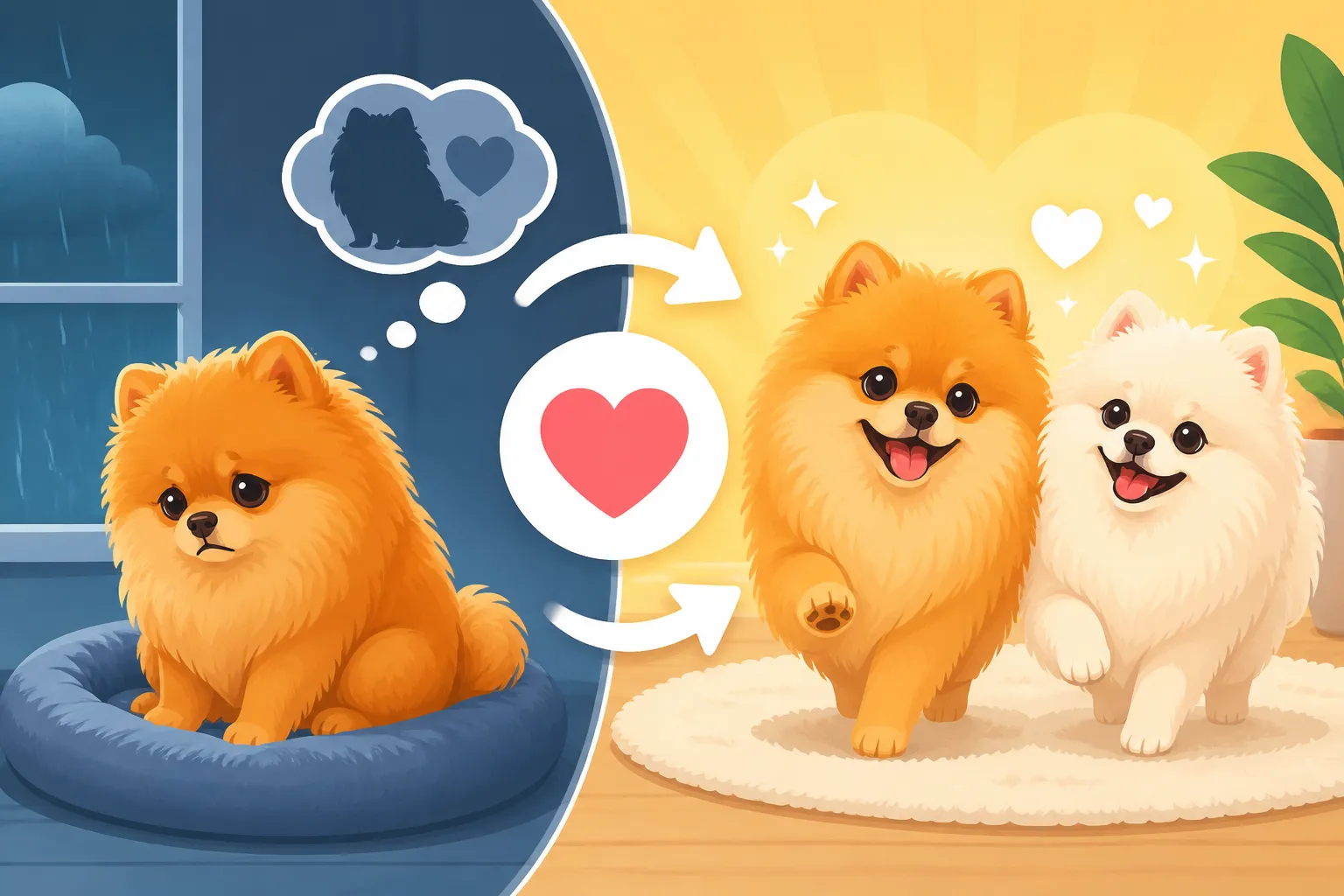
For many Pomeranians struggling with loneliness, a second dog can indeed be a godsend. The most obvious benefit is companionship. Instead of sitting by the door waiting for you, they have a buddy to interact with. This can provide immense comfort and reduce the feeling of isolation.
A playmate can also offer much-needed mental and physical stimulation. Two Poms can chase each other around the house, engage in gentle tug-of-war with appropriate toys, or simply wrestle and roll around, burning off energy that might otherwise be directed into anxious behaviors. This can be especially helpful if your existing Pom isn't getting enough structured exercise during the day. Think of the endless snuggles and mutual grooming; these social interactions can truly enrich their lives and build confidence. Many owners report that their previously withdrawn or sad Pom became noticeably happier, more active, and more engaged after a suitable companion arrived. This mutual support can sometimes alleviate mild forms of loneliness by providing a constant, reassuring presence.
Potential Challenges and Risks
However, it's not always sunshine and rainbows. Adding a second dog introduces new dynamics and potential problems. One significant concern is the possibility of increased barking. If your current Pomeranian is already quite vocal, adding another dog might just mean you have two alert barkers, or even worse, a duo that encourages each other to bark at every leaf that blows past the window. Whether Two Pomeranians Bark More Than One is a common concern among multi-dog households.
Resource guarding can also become an issue. Even if your current Pom isn't possessive of food, toys, or even your attention, a new dog might trigger this behavior in one or both of them. This can lead to tension, growling, and even fights, which are heartbreaking to witness. Personality clashes are also a real risk. Just like people, not all dogs get along. What if your high-energy Pom overwhelms a more reserved new addition, or vice-versa? You could end up with a stressful household dynamic for both you and your dogs. Furthermore, let's not forget the increased financial and time commitment. Double the food, double the vet bills (including potential emergency visits), double the grooming, and double the training efforts. It's a significant undertaking.
When a Second Dog Might Worsen the Problem
In some scenarios, adding a second dog, far from being a solution, can actually exacerbate the existing problems or create new ones. This is particularly true if your original Pomeranian has true, clinical separation anxiety. Separation anxiety is often focused solely on the human guardian. In these cases, another dog won't "replace" you, and your Pom will still experience panic when you leave. In fact, you might end up with two anxious dogs, as the newcomer could pick up on the existing dog's stress signals and develop anxiety themselves, creating a vicious cycle.
If your current Pomeranian is already prone to anxiety, fear, or aggression, bringing a new dog into the mix could be highly detrimental. A dog who is already struggling with their emotional well-being might not cope well with the intrusion of another animal, leading to increased stress, fights, or further withdrawal. Imagine a shy, nervous Pom suddenly having to share their space, toys, and most importantly, your affection, with a boisterous newcomer. It could be overwhelming and counterproductive to their overall happiness and stability. It's crucial to assess your existing Pom's specific issues before making this leap.
Factors to Consider Before Getting a Second Dog
Deciding to bring another dog into your family is a huge step, and it's even more complex when you're hoping this new addition will help an existing pet with behavioral challenges. There are several critical factors you absolutely must weigh before taking the plunge to ensure it's a positive experience for everyone involved, especially your sensitive Pomeranian.
Assessing Your Current Pomeranian's Temperament
This is perhaps the most crucial step. You need to be brutally honest about your current Pomeranian's personality. Is your Pom generally outgoing and friendly with other dogs, or do they tend to be shy, fearful, or even aggressive towards new canine acquaintances? A Pom that growls at other dogs on walks or becomes frantic at the sight of another dog is unlikely to welcome a new housemate with open paws.
Consider how your Pom reacts to visitors or changes in their routine. Do they adapt well, or do new things stress them out? An anxious or fearful Pomeranian might find the presence of another dog overwhelmingly stressful, leading to increased anxiety, resource guarding, or even physical altercations. On the other hand, a confident, social Pom might truly thrive with a companion. Think about their energy levels too. If your Pom is a couch potato, a high-energy puppy might be more of a nuisance than a friend. If your Pom is highly bonded to you and guards your lap, introducing another dog could trigger jealousy and conflict.
Choosing the Right Companion
If you've determined your Pomeranian's temperament might be suitable for a companion, the next step is finding the right companion. This isn't just about finding another cute Pom; it's about finding a personality match that complements your existing dog.
Age and Energy Levels: A common mistake is getting a young, boisterous puppy for an older, calmer dog. The puppy's energy can overwhelm the senior dog, leading to stress and irritation. Generally, it's often better to pair dogs with similar energy levels, or an older, calmer dog with a slightly younger, but not overly rambunctious, companion. If your Pom is already anxious, a calm, confident adult dog might be a better influence than a chaotic puppy.
Gender: Sometimes, a male and female pair tends to get along better, reducing potential same-sex aggression, especially if both are spayed/neutered. However, this is not a hard and fast rule, and individual personalities always trump gender.
Size and Breed: While two Pomeranians can be wonderful together, introducing a different breed is also an option. Just ensure their play styles and physical sizes are compatible to avoid accidental injuries during play. Remember, your Pomeranian's small size makes them vulnerable, and even a well-meaning larger dog could inadvertently cause harm.
Introduction Process: Regardless of the dog you choose, a slow, controlled introduction is paramount. This means initial meetings on neutral territory, short supervised play sessions, and gradually increasing their time together. Never just "throw them in together" and hope for the best. Patience and careful observation are key. Sometimes, seeking guidance from a professional trainer during this phase can be invaluable.
Your Home Environment and Resources
Beyond the dogs themselves, you need to honestly assess your own resources. A second dog doubles many aspects of pet ownership.
Space: Do you have enough space in your home for two dogs to have their own areas if needed? Each dog should have their own bed, food bowl, and safe space where they can retreat. While Pomeranians are small, having enough room for two to coexist comfortably is important.
Time: Can you realistically dedicate enough time to two dogs? This includes double the training, walking, playtime, and individual attention. It's easy for the new dog to get attention, but your original Pom will still need their special one-on-one time with you. If you were struggling to provide enough enrichment for one dog, two dogs will only magnify that challenge.
Financial Commitment: As mentioned earlier, the financial aspect is significant. Beyond the initial adoption or purchase fee, there are ongoing costs for food, treats, toys, routine vet care, vaccinations, and potential emergencies. Consider What a Second Pomeranian Adds Per Month to your budget. Many new owners are surprised by the cumulative cost. Pet insurance can help, but it’s still an added expense. You’ll need two sets of everything – harnesses, leashes, beds, bowls.
Ultimately, bringing a second dog into your home to help a lonely Pomeranian should be a carefully considered decision, not an impulsive one. It requires introspection about your current dog, diligent research into a suitable companion, and an honest look at your own capacity to provide for two furry family members.
Strategies Beyond Just Adding a Second Dog
While the idea of a second dog is appealing, it's important to remember it's not the only solution, nor is it always the best one. Many forms of loneliness and even mild separation anxiety can be addressed through targeted training, environmental enrichment, and other forms of companionship that don't involve bringing a new permanent resident into your home.
Training and Behavioral Modification for Separation Issues
For true separation anxiety, a second dog is rarely the fix, and often, professional intervention is needed. This typically involves a combination of counter-conditioning and desensitization.
Counter-conditioning means changing your dog's emotional response to being alone from negative (fear, panic) to positive. This could involve giving them a super high-value treat or a long-lasting chew toy only when you leave, making your departure a predictor of something good. Imagine giving them a stuffed Kong or a dental chew that takes a while to get through, just as you walk out. The trick is to only offer this special treat when you are leaving, making it a powerful positive association.
Desensitization involves gradually increasing the time your Pomeranian spends alone, starting with very short durations that don't trigger anxiety, and slowly building up. This might mean leaving for just 30 seconds, returning, and then repeating, eventually extending the time. It's a slow, painstaking process that requires immense patience, but it’s highly effective for dogs with genuine separation anxiety.
For those looking for structured guidance, online training programs can be incredibly helpful. Companies like BAXTER & Bella offer comprehensive online puppy and dog training programs, including modules on separation anxiety. These resources provide step-by-step instructions, video tutorials, and often access to trainers who can offer personalized advice. You can also work with a certified professional dog trainer or veterinary behaviorist for complex cases. They can help you devise a tailored plan and provide crucial support. A Pomeranian That Screams the Moment You Leave indicates a need for professional intervention, not just another pet.
Enriching Your Pomeranian's Environment
A significant portion of loneliness and even some anxiety stems from boredom and a lack of mental engagement. You can do a lot to enrich your Pomeranian's daily life, making their solo time more manageable and enjoyable.
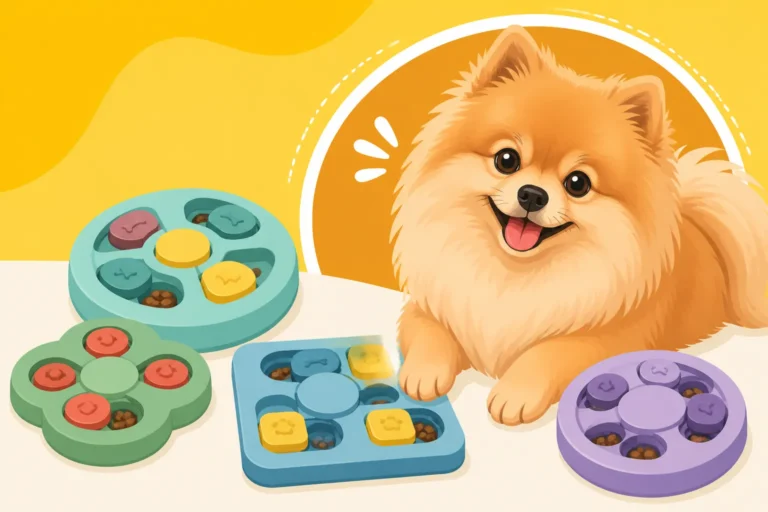
Puzzle Toys and Treat Dispensers: These are fantastic for keeping a clever Pom's mind busy. Instead of just handing them a bowl of food, make them work for it! There are countless options available on Amazon, from simple treat-dispensing balls to more complex interactive puzzles. These toys engage their natural problem-solving instincts and can keep them occupied for considerable periods. Always ensure the toys are safe and appropriately sized for a small breed like a Pomeranian to prevent choking hazards.
Chew Toys: Providing a variety of safe, durable chew toys can help redirect destructive chewing away from your furniture. Chewing is a natural, stress-relieving behavior for dogs, and having appropriate outlets for it can make a big difference. Rotate toys regularly to keep things interesting. A bored Pomeranian can definitely find destructive ways to pass the time; you might be surprised What a Bored Pomeranian Chews Up when left to their own devices.
Consistent Routine and Exercise: Pomeranians thrive on routine. Knowing what to expect can reduce anxiety. Regular walks, playtime, and feeding schedules provide a sense of predictability and security. Ensure your Pom gets sufficient physical exercise and mental stimulation before you leave them alone. A tired dog is a happy dog, and a happy dog is less likely to be lonely or anxious. Even indoors, short training sessions, games of fetch, or hide-and-seek can burn mental energy.
Exploring Other Forms of Companionship
Sometimes, what your Pomeranian truly needs when you're gone isn't another permanent pet, but temporary companionship.
Pet Sitters or Dog Walkers: For those long workdays, hiring a trusted pet sitter to pop in for a midday visit or a dog walker to take your Pom out can break up their alone time significantly. This provides human interaction, a potty break, and a chance for some playtime or a walk, which can make a huge difference to their mental well-being. Leaving a Pomeranian With a Sitter can be a great option for short periods.
Doggy Daycare: If your Pomeranian is well-socialized and enjoys the company of other dogs, doggy daycare can be an excellent option. It provides supervised play, social interaction, and mental stimulation, ensuring they are tired and content when you pick them up. It's vital to choose a daycare that is small-dog friendly and understands the unique needs of toy breeds, ensuring your Pom's safety among larger dogs. Whether a Pomeranian Needs a Small Dog Only Daycare is a question worth asking.
Consider a Cat (with caution): While not for every dog or household, some Pomeranians can coexist beautifully with cats. A cat can provide a different kind of companionship, offering a presence in the house even if they don't engage in traditional dog-like play. However, introductions must be very slow and carefully managed, and it's essential to assess both animals' temperaments beforehand to ensure compatibility and safety.
In many cases, a multi-faceted approach combining training, enrichment, and situational companionship can be far more effective and less risky than simply adding a second dog to an already challenging situation.
Here’s a quick overview to help you differentiate between common signs of loneliness and more severe separation anxiety:
| Behavior | Signs of Loneliness | Signs of Separation Anxiety |
|---|---|---|
| Vocalizations | Muffled whining, periodic barking, sad sighs | Constant, frantic barking, howling, distressed crying |
| Destructive Chewing | Chewing familiar items (shoes, blankets), mild | Frantic chewing on doors, windows, crates, potentially self-injurious |
| Potty Accidents | Occasional, possibly due to holding it too long | Frequent, immediate urination/defecation upon departure |
| Escaping/Attempts to Escape | Rarely, might scratch at a door | Persistent attempts to escape crate/house, often with injury |
| Pacing/Restlessness | Wandering, unable to settle, but not frantic | Constant, agitated pacing, often in a specific pattern |
| Greeting Upon Return | Very excited, happy to see you | Over-the-top, frantic excitement, difficulty calming down |
| Drooling | Generally none | Excessive drooling, often accompanied by panting |
Disclaimer
This article is for general informational purposes only and does not constitute professional advice. Laws, prices and regulations vary by location and change over time. Consult a qualified professional for guidance on your specific situation.