Building a Pomeranian’s Independence
It's a common, yet often unacknowledged, struggle for Pomeranian owners: how do you foster a sense of independence in a breed so often characterized by its fierce loyalty and desire to be right by your side? Many of us inadvertently create a "Velcro dog" because, frankly, who can resist a tiny, fluffy shadow? This guide is here to walk you through practical strategies to help your beloved Pomeranian develop confidence and comfort in their own company, preventing issues like separation anxiety and incessant barking.
Understanding Your Pomeranian's Need for Connection
Pomeranians are inherently social creatures. Descended from larger Spitz-type dogs, they carry a natural desire to be part of the "pack." However, unlike their working ancestors, Poms were selectively bred for companionship, which means they thrive on human interaction. This isn't a flaw in their character; it's part of what makes them such charming companions. The challenge arises when their natural inclination for closeness tips over into genuine distress when left alone. It's not about making them not love you, but about teaching them that your absence isn't a catastrophe.
The Instinct to Cling
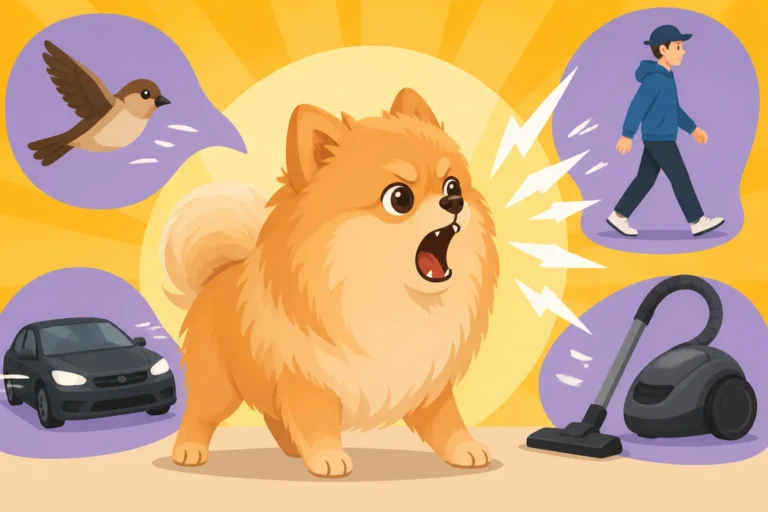
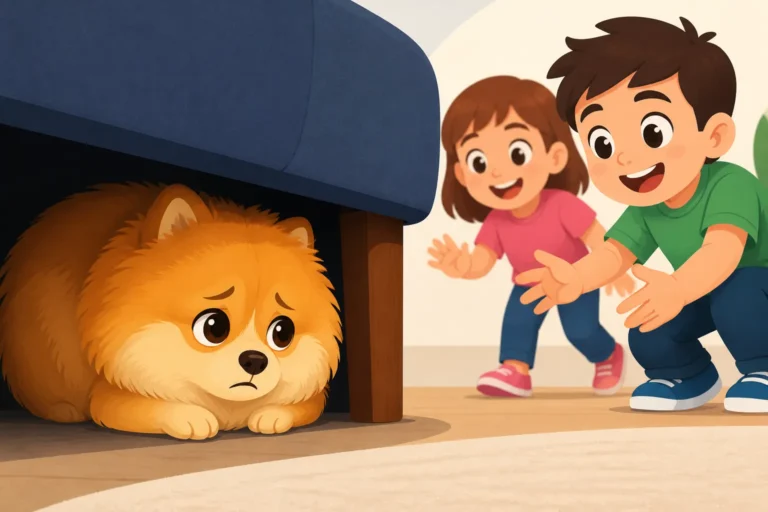
Think about it: Pomeranians are small, often weighing just a few pounds. In the wild, being small meant being vulnerable. Their ancestors would have relied heavily on their group for safety. While our homes are safe, that deep-seated instinct to stay close to their protectors is still there. When you're constantly available, picking them up every time they whimper, or letting them follow you to every room, you're inadvertently reinforcing the idea that they need you to be okay. It’s a loving gesture, of course, but it can backfire when you eventually need to leave them. This is why some Pomeranians develop a deep sense of unease when their human isn't visible, often manifesting as frantic barking or destructive chewing.
Recognizing the Difference Between Clinginess and Anxiety
It’s important to distinguish between a Pomeranian who simply prefers to be near you and one who experiences true separation anxiety. A dog who is simply clingy might follow you from room to room, but will settle down when you sit, or calmly chew a toy if you step out of sight for a moment. They might grumble when you leave but quickly quiet down. A Pomeranian with separation anxiety, on the other hand, will often exhibit more severe symptoms. These can include incessant barking, destructive chewing focused on doorways or windows, house-soiling (even if fully house-trained), excessive drooling, or frantic attempts to escape their confinement. If you suspect true anxiety, the strategies here are a good start, but you might need to consult a professional behaviorist. For severe cases, it's about addressing a deep emotional struggle, not just a behavioral habit. You can learn more about this by reading Signs a Pomeranian Has Separation Anxiety.
Laying the Foundation for Independence: Puppyhood and Beyond
The best time to start building independence is when your Pomeranian is a puppy. They're like little sponges, soaking up every lesson. But even if you have an adult Pomeranian who's a bit too attached, it’s never too late to begin. Consistency is key, along with a heavy dose of patience.
Crate Training as a Safe Haven
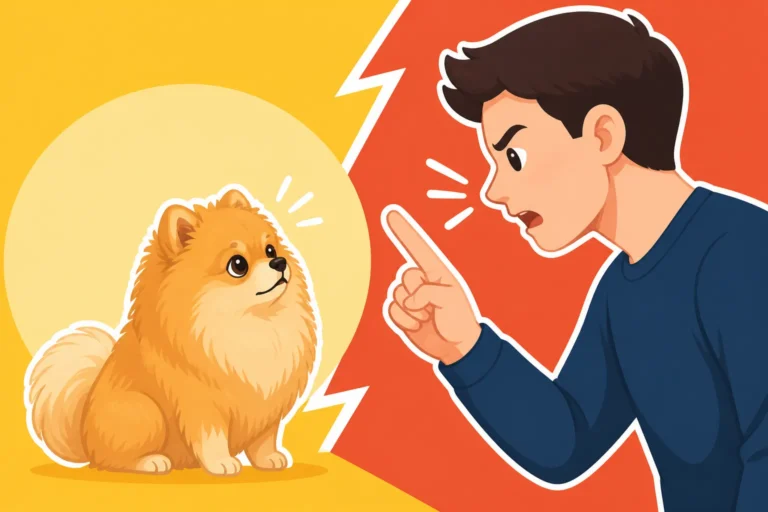
A properly introduced crate isn't a punishment; it's a den, a secure space where your Pomeranian can feel safe and comfortable. This is perhaps the single most important tool for fostering independence. Start by making the crate a positive place. Feed meals inside, put comfy bedding, and offer high-value treats or toys only when they're in their crate. Never use it for punishment.
Once they're comfortable going in and out, begin closing the door for very short periods while you're still in the room. Gradually increase the time. The goal is for them to see their crate as a place of calm, not a place where they're abandoned. This practice helps them understand that being separate from you is not scary. If your Pomeranian is struggling with this, refer to Crate Work With a Pomeranian Puppy That Cries for more detailed guidance.
Deliberate, Short Periods of Separation
Beyond the crate, practice short, deliberate separations. This means leaving your Pomeranian in one room while you go to another, even just for a minute or two. Don't make a big fuss when you leave or return. The idea is to normalize your comings and goings. For instance, put them in their playpen with a favorite chew toy (like a Benebone or a Kong stuffed with peanut butter) and then walk into the kitchen to grab a glass of water. Return before they get distressed. Slowly, gradually, increase the time.
A playpen can be an excellent intermediate step for puppies who aren't quite ready for full run of the house or long crate sessions. It gives them a bit more space than a crate but still keeps them contained and safe from household hazards. Many good options can be found on Amazon. This step helps them learn that being in a different area from you, even within the same house, is perfectly fine and doesn't mean you've vanished forever.
Avoiding the "Velcro Dog" Habit
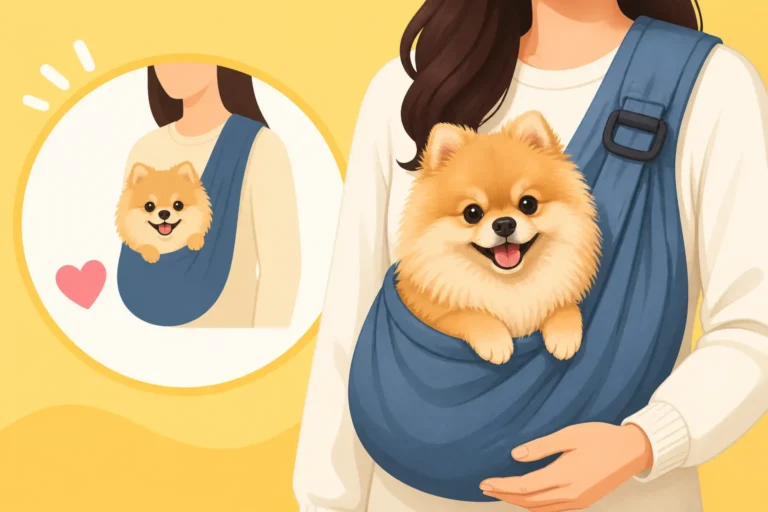
We all love to cuddle our Poms, but constantly picking them up, carrying them around, or allowing them to be literally glued to your hip can hinder their independence. Try to encourage periods where they are on the floor, playing with a toy, or napping in their own bed, even when you are home.
If your Pomeranian follows you from room to room, gently encourage them to stay put for a few moments before following. Reward them with a calm "good dog" and a small treat when they choose to settle independently. This teaches them that they don't always need to be touching you to feel secure. Think of it as teaching a child that it's okay to play in their room while you're reading in the living room – still together, but in separate spaces. Understanding Whether Picking a Pomeranian Up Rewards Bad Behavior can provide further insight.
Strategic Alone Time: Gradually Building Comfort
The idea of leaving your Pomeranian alone can be daunting, especially if they have a history of making their displeasure known. The key is a slow, methodical approach, minimizing distress and maximizing success. This isn't about throwing them into the deep end; it's about gradually introducing them to the shallow end and letting them gain confidence.
Desensitizing Departure Cues
Dogs are incredibly astute at picking up on our routines. They know the sound of your car keys jingling, the specific way you grab your purse, or the scent of your "going out" perfume. These are all "departure cues," and if they consistently precede your absence and their distress, they can become anxiety triggers.
To desensitize these cues, start performing them without actually leaving. Jingle your keys, put on your coat, or pick up your bag, then sit back down. Do this several times a day, varying the order and frequency. The goal is to break the association between these cues and your departure, making them meaningless signals rather than alarm bells. This takes time, but it's incredibly effective at reducing pre-departure anxiety.
Graduated Departures: The "Come and Go" Method
This is where the real work of building alone time begins.
- Preparation: Before you "leave," ensure your Pomeranian has gone to the bathroom and has access to a safe, confined space (their crate or playpen) with a high-value, long-lasting chew or puzzle toy.
- Silent Departures: Don't make a big deal out of leaving. No drawn-out goodbyes or excessive petting. Simply walk out the door.
- Micro-Absences: Start with absences that are so short, your Pomeranian barely notices you're gone – literally 1-2 seconds. Walk out, close the door, immediately open it and walk back in. If your Pomeranian is calm, reward them with a calm "good dog" and maybe another small treat.
- Gradual Increase: Slowly, over days and weeks, increase the duration of your absence. If they remain calm for 5 seconds, try 10. Then 30, then 1 minute, then 2 minutes, and so on. The goal is to always return before they become distressed. If they start to get anxious, you've gone too far, too fast. Go back to a shorter duration where they were successful.
- Varying Your Routine: Once your Pomeranian is comfortable with short durations, start varying your routine. Leave for 30 seconds, then 2 minutes, then 1 minute, then 5 minutes. This teaches them that your departures aren't predictable, preventing them from anticipating long periods of isolation. The online platform BAXTER & Bella offers excellent courses on managing alone time and preventing separation anxiety, which can provide structured guidance through this process. You'll find that building up The Hours a Pomeranian Tolerates an Empty House is a slow but rewarding endeavor.
Providing a "Comfort" Scent
Leaving something with your scent can be incredibly reassuring for some Pomeranians. An old t-shirt, a blanket from your bed, or even a pillowcase can provide a familiar, comforting smell that helps them feel less alone. Place it in their crate or bed before you leave. This isn't a substitute for training, but a helpful aid to bridge the gap.
Enrichment and Self-Sufficiency: Keeping Them Engaged
An independent Pomeranian isn't just one who tolerates being alone; it's one who can entertain themselves and find joy even when you're not actively engaging them. Providing appropriate mental and physical enrichment is crucial.
Interactive Toys and Puzzle Feeders
These are fantastic for keeping a Pomeranian's mind busy and associating alone time with positive experiences. Instead of just putting down a bowl of kibble, make them "work" for it with a puzzle feeder. There are many options available, from simple treat-dispensing balls to more complex sniff mats and interactive games. You can find a wide variety of Puzzle Toys Small Enough for a Pomeranian on Amazon. These toys tap into their natural problem-solving instincts and provide a healthy outlet for energy.
Consider rotating toys to keep things fresh and exciting. A toy that's only brought out when you leave can quickly become a strong positive association with your departure.
Structured Play and Training
While the goal is independence, consistent, structured playtime and training sessions are still vital for your Pomeranian's well-being. These sessions provide mental stimulation, strengthen your bond, and drain excess energy, making them more likely to relax when alone. Think about short, engaging training sessions a few times a day, working on basic obedience or fun tricks. Even small breeds like Pomeranians benefit from mental exercise. Read Training Session Length for a Pomeranian for ideas on how long to keep training sessions.
A well-exercised and mentally stimulated Pomeranian is a tired Pomeranian, and a tired Pomeranian is more likely to settle peacefully when left alone. This doesn't mean hours of intense running, but regular walks (mindful of their small size and delicate windpipes), indoor play, and training drills.
Creating a Routine for Predictability
Dogs thrive on routine. A predictable schedule for feeding, walks, playtime, and potty breaks helps your Pomeranian understand the rhythm of their day. When they know what to expect, they are generally less anxious. For example, if they know that after their morning walk and breakfast, they usually have a quiet period, they're more likely to settle down. A consistent routine helps them understand when you'll be present and when you might be occupied or absent. The Routine a Pomeranian Needs Every Day is crucial for their overall well-being.
| Strategy | Description | Benefits |
|---|---|---|
| Crate Training | Introduce a comfortable crate as a safe, positive den. Never use for punishment. | Provides a secure space, aids in house-training, teaches calmness in confinement. |
| Graduated Departures | Start with 1-2 second absences, slowly increasing time. Return before distress. | Builds tolerance to being alone, prevents anxiety from escalating, normalizes your comings and goings. |
| Departure Cue Desensitization | Perform departure rituals (keys, coat) without actually leaving. | Breaks negative associations between cues and your absence, reduces pre-departure anxiety. |
| Interactive Toys | Provide puzzle feeders and durable chews when your Pomeranian is alone. | Keeps them mentally engaged, associates alone time with positive reinforcement, prevents boredom and destructive behavior. |
| Structured Routine | Maintain consistent schedules for feeding, walks, and potty breaks. | Increases predictability, reduces anxiety, helps them understand the rhythm of their day. |
Avoiding Common Pitfalls
Even with the best intentions, it's easy to fall into habits that inadvertently reinforce dependency rather than foster independence. Being aware of these common mistakes can help you course-correct and ensure your efforts are truly beneficial.
The Problem with Long Goodbyes
As tempting as it is to shower your Pomeranian with hugs and kisses before you leave, these prolonged goodbyes can actually heighten their anxiety. It signals that your departure is a significant, emotional event. Instead, aim for calm, understated exits. A quick, calm pat might be fine, but avoid dramatic farewells. When you return, the same applies: wait until they are calm before greeting them. This teaches them that your absence and return are normal parts of life, not high-drama events.
Inconsistent Training
One of the biggest obstacles to building independence is inconsistency. If you diligently practice alone time for a week, then revert to constantly having your Pomeranian on your lap for a few days, you're sending mixed signals. Dogs thrive on consistency and predictability. Every member of the household needs to be on the same page regarding training protocols. If one family member constantly picks up the dog, for instance, it can undermine the efforts of another who is trying to encourage independent play. Regular, short sessions are far more effective than infrequent, long ones.
Over-Reliance on a Second Dog
Sometimes, owners consider getting a second dog, thinking it will solve the first Pomeranian's separation issues. While a second dog can provide companionship, it's not a guaranteed fix for true separation anxiety. In some cases, you might end up with two anxious dogs, or the second dog might even learn anxious behaviors from the first. It's crucial to address the individual dog's independence first. If you're considering another dog for other reasons, that's a different discussion. For insights into this, check out Whether a Second Dog Settles a Lonely Pomeranian. Always ensure your current Pomeranian is a confident, well-adjusted individual before introducing another.
Forcing Alone Time Too Quickly
The most common mistake is pushing your Pomeranian beyond their comfort zone too soon. If you jump from 5 minutes of alone time to an hour, and they have a meltdown, you've likely undone a lot of your hard work. Every negative experience reinforces their fear of being alone. Always aim for success, meaning you return before they get distressed. It might feel painstakingly slow, but building independence is a marathon, not a sprint. Celebrate small victories, like a few extra minutes of calm, and be prepared to take a step back if needed. Patience is your most powerful tool.
Disclaimer
This article is for general informational purposes only and does not constitute professional advice. Laws, prices and regulations vary by location and change over time. Consult a qualified professional for guidance on your specific situation.