Whether a Pomeranian Responds to a Firm Voice
It's incredibly frustrating when you feel like you're talking to a brick wall, especially when that wall is a tiny, fluffy Pomeranian who seems to just stare at you blankly when you ask them to do something. Many of us wonder if raising our voice, using a "firm tone," is the secret ingredient to getting our Poms to listen. This guide will dive deep into how Pomeranians perceive and react to different vocal cues, and why a truly effective communication strategy goes far beyond simply being firm.
Understanding Your Pomeranian's Unique Communication Style
Pomeranians might be small, but they come with a big personality and a history that shapes how they interact with the world – and with your voice. Understanding these innate traits is crucial before we even consider what kind of tone to use.
The Spitz Breed Legacy and Independence
Remember, Pomeranians descended from much larger, independent Spitz-type dogs, often used for herding or pulling sleds in harsh climates. While many generations of selective breeding have shrunk their size, a kernel of that ancient independence often remains. This means they weren't historically bred to be subservient or overly eager to please, like some retrieving breeds. They are intelligent, yes, but often use that intelligence to figure out what benefits them.
This inherent independence can sometimes be mistaken for stubbornness. When you use a firm voice, a Pomeranian might not interpret it as a command to obey, but rather as an unpleasant sound that they'd rather ignore or even retreat from. They're often thinking, "What's in it for me?" rather than "How can I please my human?" So, simply being firm doesn't necessarily override this deep-seated trait; it can, in fact, sometimes entrench their independent streak by making them less willing to engage. It's about finding what motivates them, not trying to dominate. For instance, if you're trying to build a recall on a stubborn Pomeranian, you might be wondering Building a Recall on a Pomeranian That Ignores You.
Sensitivity and Small Dog Syndrome
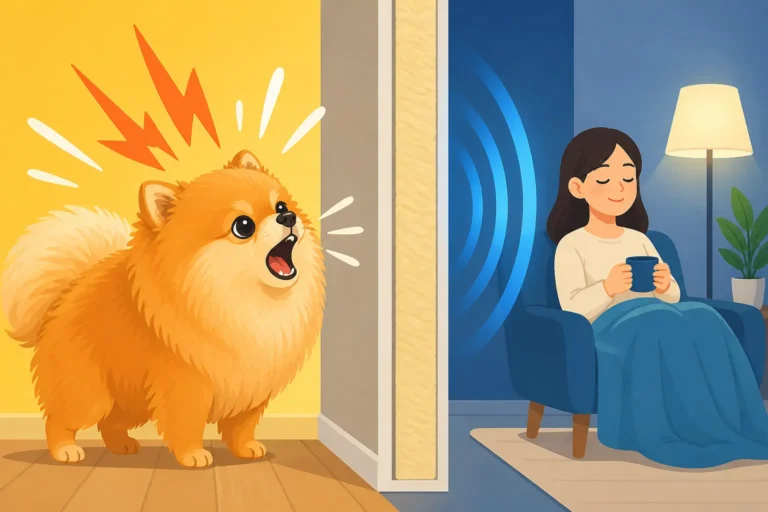
Pomeranians are small, and frankly, they know it. They can be incredibly sensitive little souls, finely attuned to changes in your mood, body language, and especially your voice. A loud, sharp, or genuinely angry tone can be genuinely frightening for such a tiny dog. Their fight-or-flight response is easily triggered, and flight is often their preferred option. They might cower, run away, or even shut down completely, making them less receptive to any form of training.
Furthermore, the concept of "Small Dog Syndrome" can also play a role here. Sometimes, owners treat small dogs differently than large ones, perhaps letting them get away with behaviors they wouldn't tolerate from a larger breed. They might pick them up to remove them from a situation, rather than training them to respond to a verbal cue. Over time, this can inadvertently teach the Pomeranian that they don't need to listen to verbal commands because their humans will always intervene physically. If you're constantly carrying your Pom around, you might be creating other problems without realizing it. Why Carrying a Pomeranian Everywhere Creates the Problem delves into this in more detail. When a firm voice is occasionally used after a period of inconsistent rules or physical intervention, it can be confusing and alarming rather than clarifying.
The Nuance of "Firmness" in Your Voice
We often hear advice to use a "firm voice" when training a dog, but what does that really mean, and more importantly, what does a Pomeranian hear when you try to apply it? It's not as simple as just speaking louder or harsher.
Why a "Firm Voice" Can Be Misinterpreted
For a Pomeranian, a truly harsh or angry firm voice can be interpreted in a few negative ways:
- Fear and Withdrawal: As mentioned, their small size makes them vulnerable. A loud, booming, or angry tone can trigger their natural instinct to flee or hide. Instead of complying, they might become fearful of you or the situation, leading to avoidance behavior. They may even learn to associate your voice with unpleasantness, making them less likely to come when called or engage in positive interactions. This is a common concern for owners wondering Whether Corrections Backfire on a Pomeranian.
- Confusion: If your "firm voice" is inconsistent – sometimes it means "stop," sometimes it means "don't touch that," and sometimes it's just you having a bad day – your Pomeranian won't understand what you want. They thrive on predictability. If the tone signals danger or unpredictable behavior from you, they'll become anxious, not compliant.
- A Challenge: In some cases, especially with more confident or less sensitive Poms, a consistently firm or confrontational tone might be interpreted as a challenge. Instead of backing down, they might escalate their own behavior (e.g., barking more intensely, nipping), especially if they perceive you as being unfair or aggressive. This isn't common, but it can happen with dogs who are resource guarders or have strong personalities.
A genuinely "firm" voice, from a training perspective, actually means clear, confident, and consistent, not loud or aggressive. It's about the inflection and intent, not just the decibel level. It's the difference between a commanding presence and an intimidating one.
The Power of Positive Reinforcement and Varied Tones
Instead of relying solely on a single, "firm" voice, the most effective approach for Pomeranians (and most dogs, honestly!) is a balanced use of varied tones combined with positive reinforcement.
- Clear, Calm, and Confident: For everyday commands like "sit" or "stay," a calm, clear, and confident voice works wonders. It projects authority without being threatening. Your tone should be consistent each time you give the command. This helps your Pom understand what you expect. Think of it less like a drill sergeant and more like a gentle, but unwavering, guide.
- Upbeat and Happy for Praise: This is where the magic happens! When your Pomeranian does something right, your voice should be high-pitched, joyful, and effusive. "YES! Good boy/girl!" This enthusiastic praise, coupled with a delicious treat or favorite toy, tells them exactly what behavior you want to see more of. This positive association is incredibly powerful for Poms. You'll soon discover The Reward a Pomeranian Actually Cares About, and it might not be what you think.
- Neutral Interruptions: For behaviors you want to stop (like mild counter-surfing or getting into something they shouldn't), a sharp, neutral "Ah-ah!" or "No!" can be effective. It's not angry, but it's surprising and interrupts the behavior without causing fear. The key is to immediately redirect them to an appropriate activity and praise them for that.
- The Power of Marker Training: This technique, where you use a distinct sound (like a clicker or a specific word like "Yes!") to mark the exact moment your dog performs the desired behavior, can be incredibly effective for intelligent breeds like Poms. It makes your communication incredibly clear. This is a great way to maintain their focus, which can sometimes be fleeting. Whether Marker Training Holds a Pomeranian's Attention is a relevant topic here, as Poms can sometimes be easily distracted.
Using this range of tones allows you to communicate different messages – praise, correction, and command – effectively, building trust and a stronger bond rather than creating fear or confusion.
Building a Better Bond Through Effective Communication
Getting your Pomeranian to listen isn't just about the words you use or the tone of your voice; it's about the entire package of your communication. It’s about being understood, consistent, and building a relationship based on trust and clear expectations.
Consistency, Clarity, and Body Language
Pomeranians are creatures of habit and thrive on predictability. If your rules and commands are wishy-washy, they simply won't know what you want.
- Be Consistent with Commands: Use the same command word every time for a specific action. Don't say "come," "here," and "get over here" interchangeably. Pick one and stick to it. Everyone in the household needs to be on the same page too! If one person lets the Pom jump on the couch but another scolds them, the dog receives mixed signals.
- Clarity is King: Keep commands short, simple, and to the point. Long sentences or rambling instructions will just confuse a Pomeranian. "Sit," "Stay," "Down," "Come," "Leave It" are perfect examples of concise commands. Your training session length should also be appropriate for their attention span. You can read more about Training Session Length for a Pomeranian.
- Body Language Matters: Dogs are masters at reading body language. Your posture, facial expressions, and hand signals often speak louder than your words. If your voice is "firm" but your body language is hesitant or inconsistent, your Pom will pick up on the mixed signals. Stand tall, make eye contact (but don't stare them down aggressively), and use clear hand signals along with your verbal commands. For example, when you tell them to "sit," you might also raise your hand with a flat palm, moving it back over their head slightly. This visual cue can be incredibly helpful for them to understand what you want.
- Routine and Structure: A predictable daily routine can greatly enhance your Pomeranian's understanding and responsiveness. Knowing when to expect meals, walks, and training sessions helps them feel secure and more ready to engage with you. Consistency in your schedule helps reinforce your role as a reliable leader. The Routine a Pomeranian Needs Every Day offers some great insights into building this structure.
Utilizing Training Aids and Resources
Sometimes, even with the best intentions, we need a little help to get our message across. Luckily, there are many tools and resources available to aid in effective communication and training.
- Clickers: As mentioned earlier, a clicker can be a fantastic tool for precise communication. The consistent "click" sound tells your Pomeranian exactly when they've performed the correct behavior, much more effectively than your voice alone can. Clickers are readily available from retailers like Amazon and are very inexpensive.
- High-Value Treats: For Poms, motivation is often edible. Keep a variety of high-value, pea-sized treats on hand. These aren't just bribes; they are rewards that reinforce desired behaviors. Think small pieces of cooked chicken, cheese, or specialized training treats. Experiment to find The Reward a Pomeranian Actually Cares About.
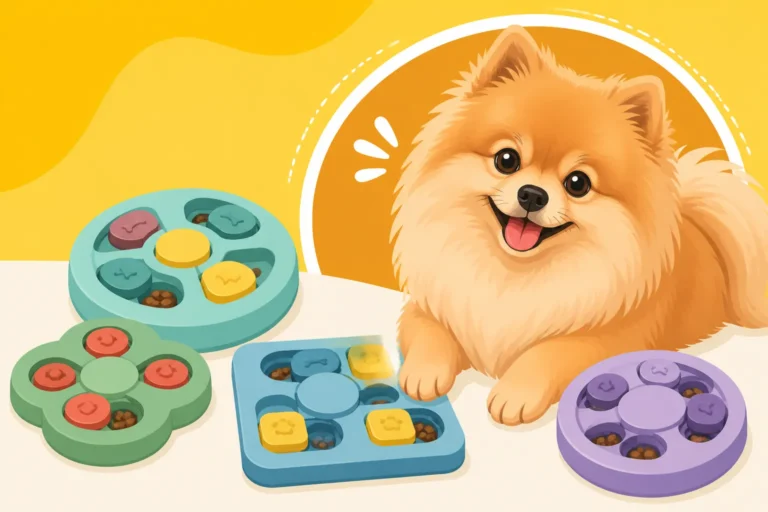
- Interactive Toys: Some Pomeranians are more toy-motivated than food-motivated. Find toys they absolutely adore and use them as rewards in training. Puzzle toys, available on Amazon, can also be excellent for mental stimulation, which can tire them out and make them more receptive to training.
- Online Training Programs: For structured guidance, online training programs can be incredibly valuable. Services like BAXTER & Bella offer comprehensive online puppy and dog training courses that teach positive reinforcement techniques. These programs often include videos, live Q&A sessions, and a supportive community, guiding you through every step of building clear communication with your dog without resorting to harsh methods. They focus on teaching you how to communicate effectively, which is key to success.
- Appropriate Harnesses and Leashes: While not directly related to voice, having the right equipment ensures your Pomeranian's comfort and safety during walks and training. A well-fitted harness, especially one that doesn't put pressure on their delicate trachea, is essential. Again, Amazon has a wide selection of harnesses specifically designed for small breeds. A comfortable dog is a more attentive dog.
| Communication Element | What it Means to Your Pomeranian | How to Implement Effectively |
|---|---|---|
| Harsh/Angry Voice | Fear, confusion, withdrawal | Avoid completely. |
| Clear/Confident Voice | Guidance, expectation, predictability | Use for commands; consistent tone. |
| High-Pitched/Happy Voice | Praise, reward, affirmation | Use for positive reinforcement with treats. |
| Neutral Interruption ("Ah-ah") | Stop, reconsider action | Use as a brief interruption, then redirect. |
| Body Language | Intent, mood, expectation | Align with verbal commands; confident, open posture. |
| Consistency | Trust, reliability, safety | Maintain same rules and commands across household. |
When Your Pomeranian Isn't Listening: Next Steps
If you've been consistent, clear, and positive, but your Pomeranian still seems to ignore your voice or behave in ways that are challenging, it might be time to take a closer look at the root cause and consider professional help.
Recognizing When Your Approach Isn't Working
It's easy to blame the dog, but often, persistent communication issues stem from a disconnect in understanding. Here are some signs that your current approach might not be hitting the mark:
- Lack of Progress: You've been trying to teach a specific command for weeks, but there's no improvement in your Pomeranian's responsiveness.
- Increased Fear or Anxiety: Your Pom cringes when you raise your voice slightly, hides when you approach, or shows other signs of anxiety (lip licking, yawning, tail tucked).
- Escalated Behaviors: Instead of improving, problem behaviors like barking, nipping, or marking are getting worse, especially after you've tried to be "firm." A Male Pomeranian That Marks the Furniture can be a particularly frustrating issue that requires a specific training approach.
- General Disengagement: Your Pomeranian seems indifferent to your attempts at interaction or training, showing little enthusiasm even for treats.
- You're Frustrated: If you find yourself constantly angry or frustrated during training sessions, it's a clear sign that something needs to change. Your emotional state directly impacts your dog's ability to learn.
- Specific Behavioral Issues: If your Pomeranian exhibits significant fear, aggression, separation anxiety (like A Pomeranian That Screams the Moment You Leave), or other complex behavioral issues, these usually require more than simple voice adjustments.
It's important to rule out any underlying medical issues, too. A sudden change in behavior or hearing can sometimes be linked to pain, dental problems, or other health concerns. A visit to your vet is always a good first step if behavior suddenly changes.
Finding a Qualified Positive Reinforcement Trainer
If you're struggling, don't hesitate to seek professional help. A good trainer can provide an objective perspective, identify communication gaps, and teach you techniques tailored to your Pomeranian's individual personality.
- Look for Positive Reinforcement Trainers: This is crucial. A positive reinforcement trainer will never advocate for harsh corrections, intimidation, or dominance-based methods. They focus on rewarding good behavior and managing the environment to prevent unwanted behaviors.
- Certifications and Experience: Look for trainers with certifications from reputable organizations. Experience with small breeds like Pomeranians is also a huge plus, as they understand their unique sensitivities and motivations.
- Observe a Class or Session: Before committing, ask if you can observe a training session without your dog. Pay attention to how the trainer interacts with the dogs and owners, the atmosphere of the class, and the methods used.
- Individual vs. Group Classes: For specific behavioral issues, one-on-one sessions might be more beneficial initially. For general obedience and socialization, group classes can be great, but ensure they are small-dog-friendly and supervised to prevent negative interactions. Whether a Pomeranian Needs a Small Dog Only Daycare touches on similar safety considerations.
Ultimately, your Pomeranian wants to understand you and to please you, but they need you to speak their language. A truly "firm" voice isn't about volume or harshness; it's about clear, consistent, and confident communication that fosters a strong, positive relationship based on mutual understanding and respect. Investing time in learning how your Pomeranian communicates and responding in kind will yield far greater results than simply trying to overpower them with your voice.
Disclaimer
This article is for general informational purposes only and does not constitute professional advice. Laws, prices and regulations vary by location and change over time. Consult a qualified professional for guidance on your specific situation.