Whether Corrections Backfire on a Pomeranian
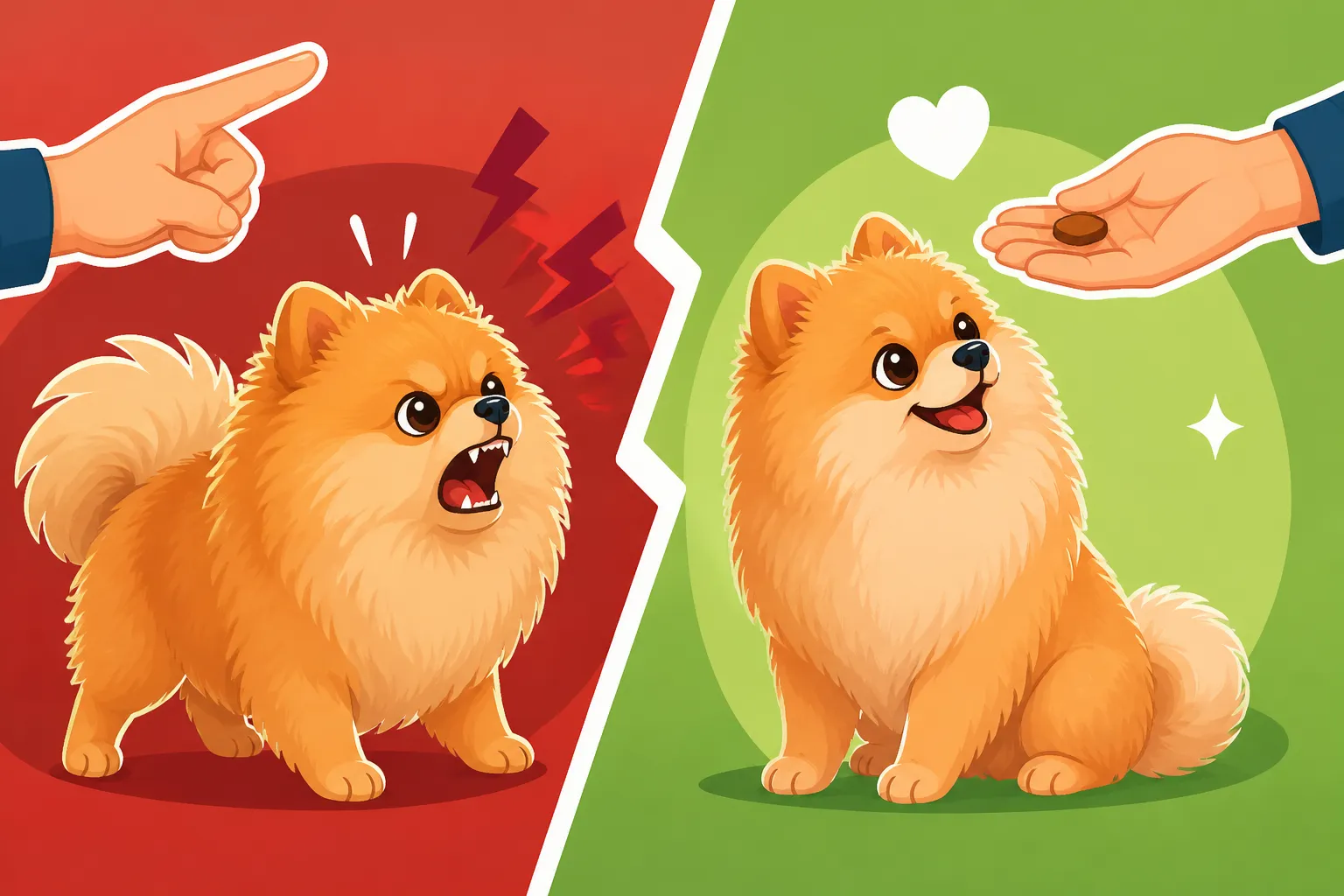
It’s a frustrating moment, isn't it? Your adorable Pomeranian, with all their fluff and charm, suddenly decides to bark incessantly at the mail carrier, or perhaps they’ve had an accident on the rug for the tenth time, despite your best efforts. In these moments of exasperation, it’s natural to feel a primal urge to correct them – a sharp "No!" or a firm tap on the nose. But for a little dog like a Pomeranian, these seemingly minor corrections can actually do more harm than good, creating deeper behavioral issues and even damaging the precious bond you share. This guide will explore why traditional, harsh corrections often backfire with Pomeranians and, more importantly, equip you with gentler, more effective positive reinforcement strategies that truly work to shape their behavior in a loving way.
Why Pomeranians Don't Respond Well to Traditional Corrections
Pomeranians, for all their spunky personalities, are incredibly sensitive little creatures. They carry their hearts on their sleeves, and their compact size means they perceive threats and strong reactions very differently from larger, more robust breeds. What might be a mild correction for a German Shepherd can feel like an earthquake to a tiny Pom.
The Impact of Fear and Anxiety on a Small Dog
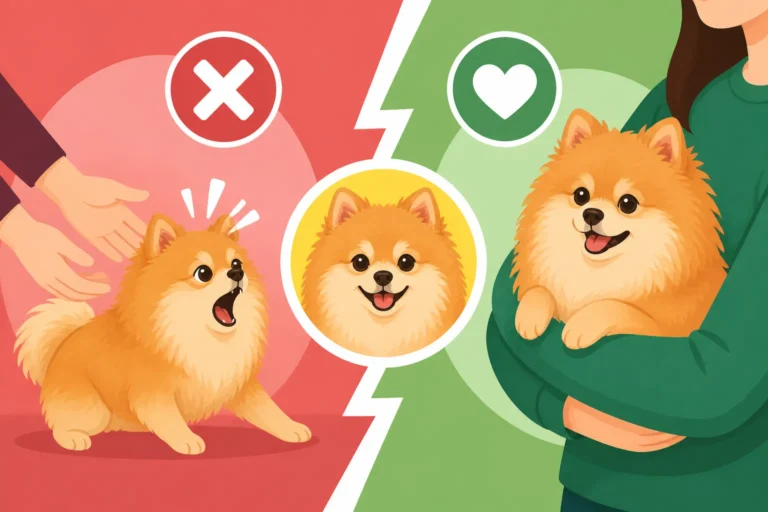
Imagine being five pounds and having a giant human tower over you, raising their voice or making a sudden, startling movement. For a Pomeranian, this isn't just a minor telling-off; it can be genuinely terrifying. Their instinct for self-preservation kicks in, and they can quickly become fearful, not just of the specific action they're being corrected for, but of you. When a dog lives in fear, even intermittently, it inhibits their ability to learn. Instead of understanding what you want them to do, they become preoccupied with avoiding punishment. This can manifest as hiding, submissive urination, or even aggression born out of fear, as they feel they need to defend themselves from a perceived threat.
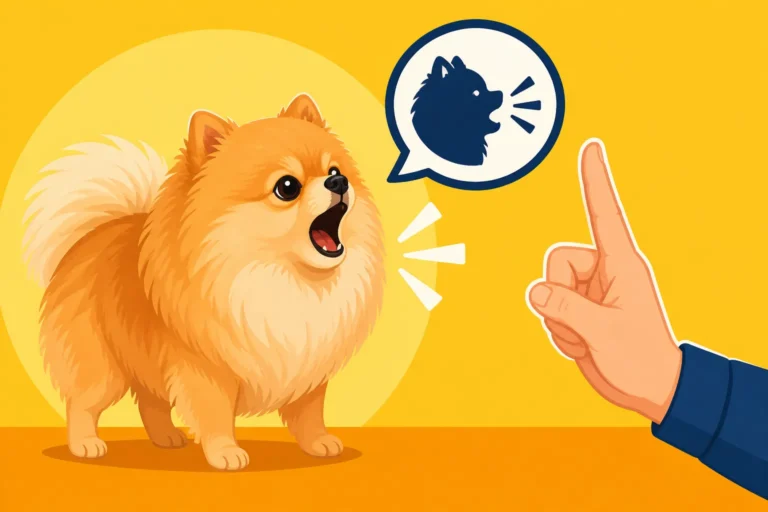
Their bright, alert nature means they pick up on subtle cues, both positive and negative. If your "firm voice" is accompanied by tension in your body or a frown, they notice. They're trying to read you all the time, and consistent negative feedback can lead to a state of chronic anxiety. An anxious Pomeranian is often a vocal Pomeranian, or one who acts out in other ways, creating a vicious cycle where owners try to correct the symptoms of anxiety, inadvertently increasing it. This is why attempting to apply a Whether a Pomeranian Responds to a Firm Voice often leads to a dog that's confused and scared, rather than compliant.
Breeding and Temperamental Sensitivity
Pomeranians descend from much larger Spitz breeds, but they've been selectively bred over generations for companionship and their charming, dainty appearance. This breeding has, in many cases, amplified their sensitivity and intelligence. They aren't stoic working dogs; they thrive on positive interaction and gentle guidance. Their intelligence means they learn quickly, but also that they remember negative experiences vividly. A single harsh correction can cement a negative association that takes weeks or even months to undo.
Consider their physical vulnerability. A sudden pull on a collar, even accidentally, can exacerbate existing conditions like The Honking Cough of a Pomeranian's Collapsing Windpipe. This physical fragility underscores the need for gentle handling and training methods that prioritize their safety and comfort. They are not built to withstand physical corrections, and even a "tap" can be injurious or, at the very least, deeply distressing. Using tools like bark collars that deliver static corrections, for instance, is not only inhumane for a tiny throat but completely counterproductive to their sensitive nature, as discussed in Why a Bark Collar Is Wrong for a Pomeranian's Throat.
The Power of Positive Reinforcement: What Actually Works
Instead of focusing on what you don't want your Pomeranian to do, positive reinforcement flips the script, teaching them what you do want them to do by rewarding good behavior. This builds a foundation of trust, makes learning fun, and strengthens your bond exponentially.
Understanding the Principles of Positive Reinforcement
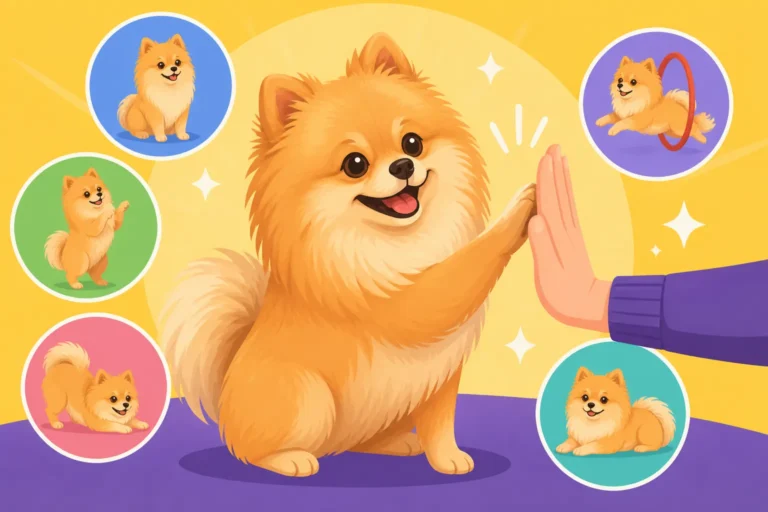
At its core, positive reinforcement means adding something desirable (like a treat, praise, or a favorite toy) immediately after your dog performs a desired action. This makes them more likely to repeat that action in the future. It's about motivation, not intimidation. For a Pomeranian, who often lives to please their person, this approach works wonders. They're eager to figure out how to earn those delicious tiny treats or that enthusiastic "Good boy!" from you.
The timing of your reward is crucial. It needs to happen within a second or two of the desired behavior so your Pomeranian clearly connects their action with the positive outcome. Think of it as a clear "yes!" signal. This immediate feedback helps them understand what they did right. When training, break down complex behaviors into tiny, achievable steps. If you want your Pomeranian to sit, reward the mere start of a sit, then a deeper sit, then a full sit. This is called "shaping" and it makes learning less overwhelming for small, easily distracted dogs.
Essential Tools and Techniques for Positive Training
You don't need fancy gadgets to train with positive reinforcement, but a few simple tools can make a big difference. High-value, small treats are paramount – think tiny pieces of cooked chicken, cheese, or specialized training treats that your Pom absolutely adores. Since Poms are small, their treats should be pea-sized or even smaller to avoid overfeeding and keep them motivated without getting full too quickly. You can find a wide variety of these on Amazon.
A clicker can also be a fantastic tool. It’s a small device that makes a distinct "click" sound. You "charge" the clicker by pairing the click with an immediate treat, so your dog learns that the click means a reward is coming. Then, you use the clicker to precisely mark the exact moment your dog performs the desired behavior, followed by the treat. This clarity helps immensely with learning. For a truly comprehensive, step-by-step approach to positive reinforcement, online puppy schools like BAXTER & Bella offer excellent programs that guide you through everything from basic manners to more advanced commands, focusing entirely on gentle, effective methods. They often provide video tutorials and personalized support, which can be invaluable, especially for first-time Pom owners.
Implementing Positive Training for Common Pomeranian Challenges
Let's dive into some common scenarios where positive reinforcement can shine, turning frustrating behaviors into opportunities for bonding and learning.
Tackling Excessive Barking Without Yelling
Pomeranians are notorious for their voices. Whether it's the doorbell, a squirrel, or a leaf blowing down the street, they often feel it's their duty to alert you. Instead of yelling "Quiet!" which often just makes them bark more (because they think you're joining in!), use positive reinforcement to teach an alternative behavior.
When the doorbell rings (or you create a simulated doorbell sound), before your Pom can launch into a barking frenzy, ask for a sit or a "place" command on their bed. As soon as their rear touches the ground, click and treat. Practice this repeatedly. The goal is to replace the barking reaction with a desired, rewarded behavior. Another method is to desensitize them: play recordings of doorbells or other triggers at a low volume, rewarding calm behavior. Gradually increase the volume over days or weeks. For more on this, check out Getting a Barking Pomeranian to Stop on Command. Remember, consistency is key, and every time you successfully redirect their barking and reward calm, you're building a stronger, quieter habit.
House Training Success Through Rewards, Not Punishment
House training can feel like a never-ending battle with a tiny Pomeranian, whose bladder is understandably small. Punishing accidents indoors teaches them to hide their elimination or to fear you, not to go outside. Instead, focus entirely on rewarding outdoor successes.
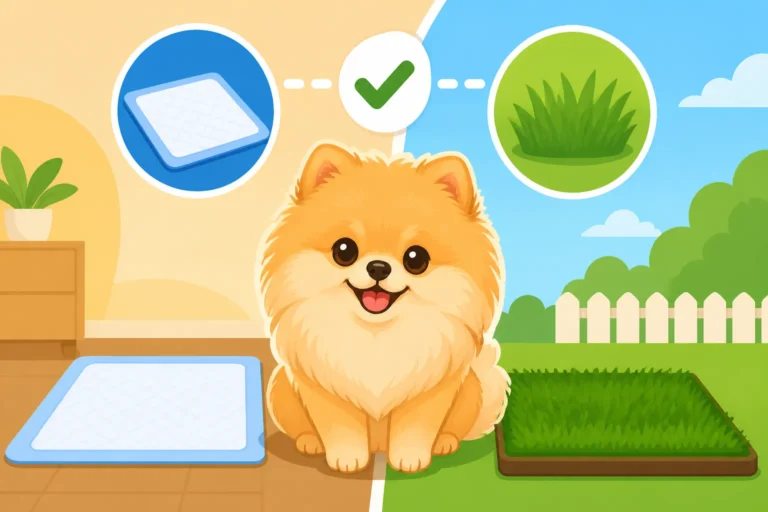
Take your Pomeranian out frequently – every hour or two for puppies, after waking up, after eating, and before bed. When they eliminate outside, immediately offer enthusiastic praise, a party, and a high-value treat. Make it the best thing that ever happened to them. Use a consistent potty spot, and take them there on a leash, even in your own yard, so they associate that specific location with relieving themselves. Inside, if an accident happens, clean it thoroughly with an enzymatic cleaner to remove all scent. Do not scold or rub their nose in it; this is an outdated and harmful method. The more positive experiences they have going outside, the faster they'll learn. How Many Weeks House Training a Pomeranian Takes might vary, but a consistent, positive approach significantly speeds up the process and reduces stress for everyone.
Managing Nipping and Mouthiness in a Puppy
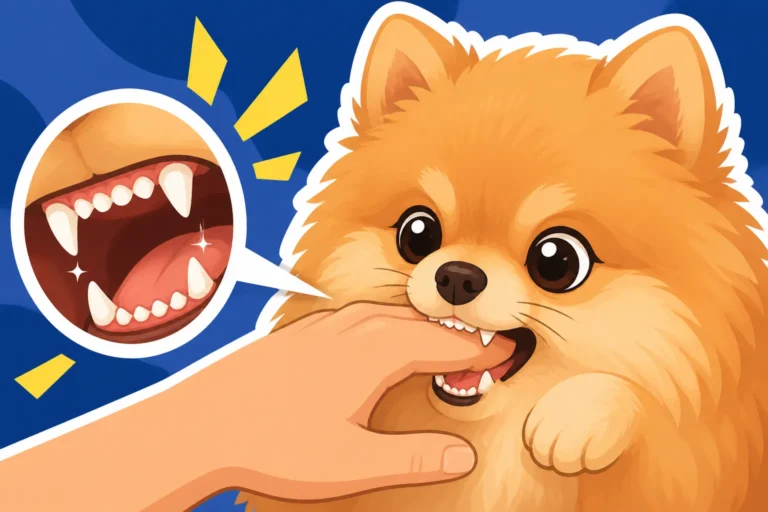
Pomeranian puppies, like all puppies, explore the world with their mouths. Those needle-sharp puppy teeth can be painful! Correcting them harshly can make them fearful or, conversely, teach them to bite harder when they feel threatened. The trick is to teach bite inhibition and redirect.
When your puppy nips too hard during play, let out a high-pitched "ouch!" or "yip!" and immediately withdraw your hand and attention. Stop playing for a few seconds. This mimics how littermates teach each other not to bite too hard. After a brief pause, re-engage with an appropriate chew toy. This teaches them that soft bites mean play continues, and hard bites make the fun stop. Always have plenty of appropriate chew toys available, perhaps sourced from Amazon, and redirect them to these whenever they start to mouth you or furniture. For more details on handling those tiny sharp teeth, you might find The Sharp Puppy Teeth a Pomeranian Uses on You helpful. Positive reinforcement means rewarding them for chewing on their toys, not on you.
Making Grooming a Positive Experience
Grooming can be a battle for many Pomeranians, especially if they've had negative experiences. Their glorious double coats require regular brushing, and nail trims and sanitary clips are essential for their health and comfort. Forcing them or using harsh methods will only make them dread it more.
Start early with short, positive sessions. Introduce the brush, let them sniff it, and give a treat. Gently touch their back with the brush, then treat. Gradually work up to short strokes, always pairing the sensation with a reward. Do this for five minutes, several times a day, rather than one long, stressful session. Praise them lavishly for standing still. When it comes to things like nail trims, touch their paws, then treat. Pick up a paw, then treat. Touch a nail clipper to a nail, then treat. The goal is to create positive associations with every step of the grooming process. For more on building tolerance, read Building a Pomeranian's Tolerance for Combing Mats. If you're struggling, a positive reinforcement trainer from a service like BAXTER & Bella can offer tailored advice to make grooming a calm and even enjoyable routine for your Pomeranian.
By embracing patience, consistency, and kindness, you'll not only see better behavior from your Pomeranian but also foster a deeper, more trusting relationship that truly lasts a lifetime.
| Behavior Issue | Old School Correction Attempt | Potential Negative Outcome | Positive Reinforcement Strategy | Positive Outcome |
|---|---|---|---|---|
| Excessive Barking | Yelling "Quiet!", water spray | Increased anxiety, fear of owner, more barking (attention seeking) | Teach "quiet" on cue, redirect to "place," reward calm | Reduced barking, a calm dog that looks to you for direction |
| House Accidents | Scolding, rubbing nose in mess | Hiding to eliminate, fear of owner, delayed house training | Frequent outdoor potty breaks, high-value rewards for outdoor success | Quick, reliable house training, confident elimination outside |
| Nipping/Biting | Smacking snout, "No bite!" | Fear-based aggression, inhibited bite, mistrust | "Yip!" and disengage, redirect to appropriate chew toy | Soft mouth, learned bite inhibition, appropriate chewing |
| Pulling on Leash | Jerking leash, harsh collar corrections | Choking/tracheal damage, fear of walks, leash reactivity | Reward loose leash walking, stop when pulling | Enjoyable walks, dog walks politely by your side |
| Fear of Grooming | Forcing compliance, holding down | Aggression during grooming, lifelong dread of handling | Pair grooming tools/actions with treats, short positive sessions | Calm acceptance of grooming, relaxed during handling |
Disclaimer
This article is for general informational purposes only and does not constitute professional advice. Laws, prices and regulations vary by location and change over time. Consult a qualified professional for guidance on your specific situation.