Whether a Pomeranian Is Safe With a Crawling Baby
Bringing a new baby into a home with a beloved Pomeranian is an exciting time, but as that little one starts to crawl and explore, many pet parents find themselves wrestling with a very real anxiety: "Is my tiny, delicate Pomeranian truly safe around a curious, grabby baby?" It's a valid concern, often overlooked until that crawling stage hits, and suddenly, the dog's personal space becomes a baby's playground. This guide will help you understand the dynamics between your small dog and a mobile infant, offering practical strategies to ensure the safety and comfort of both your furry family member and your growing child.
Understanding Your Pomeranian's Perspective on a Crawling Baby
It's easy to see the baby as innocent and the dog as the potential threat, but often, the Pomeranian is the one feeling overwhelmed, vulnerable, or even threatened by a crawling baby's unpredictable movements and sounds. Understanding your Pomeranian's natural instincts and physical limitations is the first step in creating a harmonious home.
The Pomeranian's Delicate Physicality
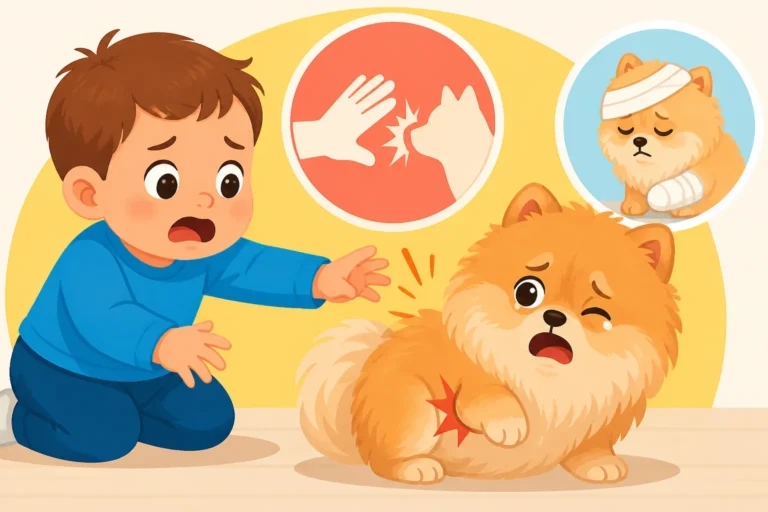
Let's be honest, Pomeranians are tiny. Most weigh between three and seven pounds, making them incredibly fragile compared to a rapidly moving, uncoordinated infant. A baby's accidental fall, an enthusiastic lunge, or even a clumsy crawl can easily result in serious injury to a Pomeranian. Their bones are delicate, their tiny heads are vulnerable, and their compact bodies offer little resistance to even a small amount of force.
Think about it: a baby, still learning motor control, might inadvertently step on a paw, pull a tail, or even roll onto your Pom. What seems like a minor bump to us could be a broken bone or internal injury for such a small dog. This isn't to demonize babies; it's simply acknowledging the vast physical difference. It's why Why a Toddler Can Injure a Pomeranian by Accident is such an important topic. Their small size also makes them prone to things like Slipping Kneecaps in a Five Pound Pomeranian, and an awkward landing or rough handling can exacerbate such conditions. This fragility means that direct, unsupervised physical interaction between a crawling baby and your Pomeranian is almost always a risky proposition.
Interpreting Your Pomeranian's Reactions to Novelty
Pomeranians are known for their lively personalities and keen intelligence, but they are also very observant and can be sensitive to changes in their environment. A crawling baby introduces a whole new level of unpredictability. Babies move erratically, often make sudden, loud noises (like squeals or gurgles), and might even try to grab things – including a fluffy tail or an inviting ear.
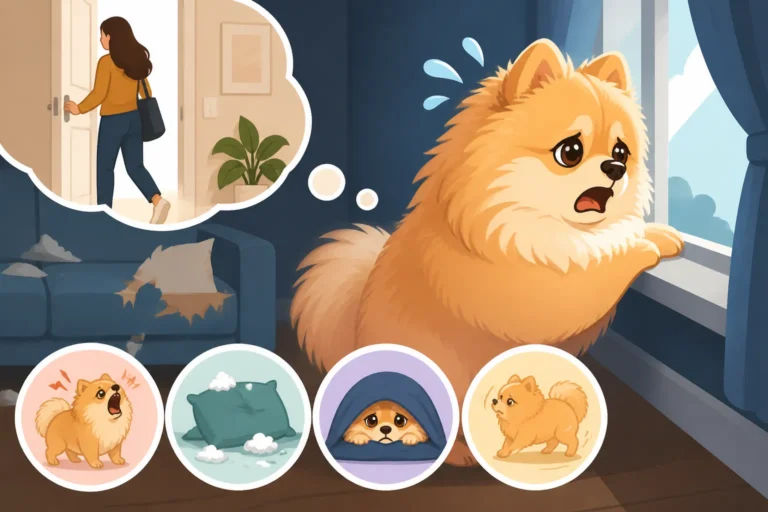
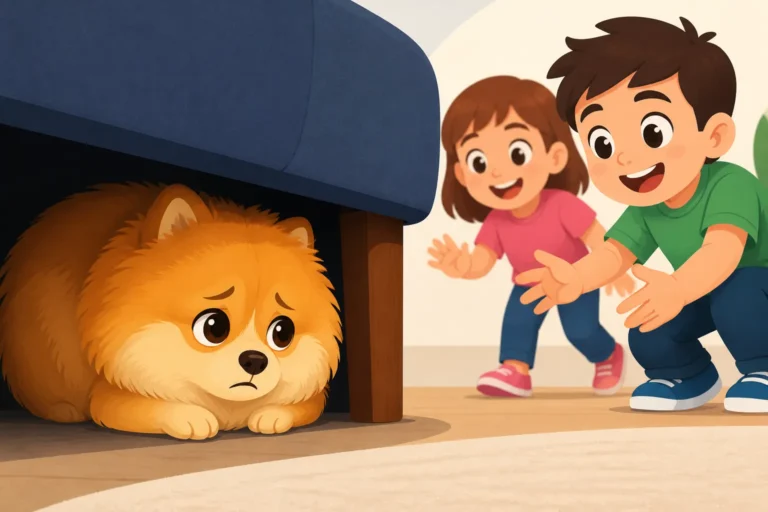
Your Pomeranian, with its Spitz heritage, might initially view the crawling baby as an interesting, but perhaps unsettling, new creature. Their natural instinct might be to bark an alert, a common Pomeranian trait, or to retreat. Some Poms might become anxious, displaying signs like lip-licking, yawning, turning their head away, or even trying to hide. Others might become defensive, guarding their space or toys more intensely. It’s crucial to understand that these aren't necessarily signs of aggression, but rather communication that they are uncomfortable or stressed. Paying close attention to these subtle cues is paramount. Don't mistake a frozen stance or a low growl for tolerance; these are often precursors to more serious reactions if the dog feels cornered or threatened.
Preparing Your Home and Pomeranian for the Crawling Stage
Proactive preparation is key to ensuring everyone's safety and comfort. Don't wait until your baby is already on the move to start implementing changes. The earlier you begin, the smoother the transition will be for your Pomeranian.
Establishing Safe Zones and Physical Barriers
The most effective way to manage interactions between a crawling baby and your Pomeranian is through physical separation when you cannot actively supervise. This means creating distinct safe zones for both. Your Pomeranian needs a space where they can retreat and relax, completely undisturbed by the baby. This could be a crate, a designated dog bed in a quiet room, or an elevated spot that the baby cannot reach. For the baby, a playpen or a gated area in the living room provides a safe space where they can explore without encountering the dog.
Investing in baby gates is non-negotiable. Look for sturdy, pressure-mounted gates from a reputable retailer like Amazon that can easily delineate living spaces. They allow you to block off rooms, creating clear boundaries. A baby gate can separate the living room where your baby plays from the kitchen where your Pomeranian eats, for instance. Consider placing your Pomeranian's food bowls, water, and favorite bed within their designated safe zone. This teaches both your dog and your baby about boundaries and prevents accidental ingestion of dog food by the baby, or worse, your Pomeranian guarding its meal from the baby. The Hours a Pomeranian Tolerates an Empty House becomes less stressful if they have a known safe retreat.
Desensitization to Baby Movements and Sounds
Before your baby starts crawling, begin a desensitization process for your Pomeranian. This involves gradually exposing them to the sights, sounds, and movements associated with a mobile infant in a controlled, positive way. For example, when your baby is having "tummy time" on the floor, keep your Pomeranian on a leash a safe distance away, rewarding calm behavior with high-value treats.
You can also use recordings of baby sounds – crying, gurgling, squealing – played at low volumes, gradually increasing the volume over time, always paired with something positive for your Pom, like mealtime or a special treat. Practice having your Pomeranian lie on their bed while you mimic crawling movements nearby. The goal is to make these baby-related stimuli normal and non-threatening, rather than startling or frightening. This pre-emptive work can significantly reduce your Pomeranian's anxiety when the real crawling begins. For training resources, considering online programs like BAXTER & Bella can offer structured guidance on desensitization and positive reinforcement techniques, helping you prepare your dog effectively.
Managing Interactions Between Your Pomeranian and a Crawling Baby
Even with the best preparation, direct interactions require constant vigilance and careful management. Your role as the responsible adult is to advocate for both your Pomeranian and your baby, ensuring that boundaries are respected and safety is maintained.
Constant Supervision is Non-Negotiable
This point cannot be stressed enough: never leave your Pomeranian and a crawling baby unsupervised, not even for a second. The phrase "supervise, don't just watch" is incredibly relevant here. Active supervision means you are fully present, observing both your dog's and your baby's body language, and ready to intervene instantly.
A crawling baby might suddenly reach for a dog's face, or pull on fur. Your Pomeranian, feeling startled or trapped, might react defensively, even if they've never shown aggression before. Such an incident can happen in a flash. If you need to step away for even a moment – to answer the door, use the restroom, or grab something from the kitchen – either take your Pomeranian with you or place them safely behind a gate, or put your baby in their playpen. This isn't a sign of mistrust towards your dog; it's a recognition of the inherent unpredictability of both infants and animals, especially when dealing with such a size disparity. Your dog's well-being relies on you preventing situations where they might feel the need to defend themselves.
Teaching Both Dog and Child Boundaries
Training isn't just for puppies; it's an ongoing process that benefits everyone in the household. Teach your Pomeranian a solid "place" command, so they know to go to their designated safe spot when asked. Reward them generously for staying calm and respecting boundaries. This takes consistent effort, and resources like those offered by BAXTER & Bella can be invaluable for structured training programs that focus on impulse control and polite behavior around children.
For your crawling baby, it's about teaching them "gentle" touches and "no" to dog interactions from a very young age. This starts with consistently redirecting their hands away from the dog. If your baby reaches for your Pomeranian, gently move their hand to a soft toy. As they grow, reinforce the idea that the dog's space is their own. Remember, a baby cannot understand complex commands, so your physical redirection and consistent messaging are crucial. You are teaching your child how to interact safely with animals, a lesson that will serve them well throughout their life. This is also why Teaching a Child to Hold a Pomeranian is a skill to develop later, not during the crawling stage.
Understanding Pomeranian Body Language
Your Pomeranian communicates volumes through their body language, if you know how to read it. Before an overt growl or snap, there are often subtle warning signs that indicate stress or discomfort. Look for:
- Lip licking: Often a sign of appeasement or anxiety.
- Yawning: Also an appeasement signal, not necessarily tiredness.
- Turning head away or averting gaze: Your dog is trying to disengage or avoid the interaction.
- Stiffening body: A sign of tension.
- Tail tucked low or between legs: Fear or anxiety.
- Ears flattened back: Fear or submission.
- "Whale eye": When you can see the whites of your dog's eyes, indicating stress.
- Freezing: Becoming completely still, often a precursor to a defensive snap if the perceived threat doesn't retreat.
It’s your job to learn these signals. If you see any of these, immediately create distance between your Pomeranian and the baby. Don't wait until the situation escalates. Remove your Pomeranian gently to their safe zone, or redirect the baby away. Understanding these cues is paramount, as it allows you to intervene before a negative interaction even occurs.
| Pomeranian Body Language | Interpretation (Potential Stress/Discomfort) | Appropriate Action |
|---|---|---|
| Lip Licking, Yawning | Anxious, trying to calm themselves or you | Create distance, redirect baby, offer safe space |
| Head Turn Away, Averted Gaze | Wants to disengage, avoid interaction | Remove dog or baby gently, respect their need for space |
| Stiff Body, Tail Tucked | Tense, fearful, uncomfortable | Immediate separation, provide quiet retreat |
| Whale Eye (White of eyes showing) | Highly stressed, feeling threatened | Urgent separation, ensure dog feels safe |
| Freezing, Low Growl | Last warning before defensive action | Immediate and calm separation, assess situation |
What to Do When Things Go Wrong and Seeking Help
Despite your best efforts, sometimes an incident can still occur, or you might realize you're simply struggling to manage the dynamic effectively. It's crucial to know when to seek professional help and how to respond appropriately.
Responding to an Incident
If your Pomeranian snaps, growls, or even nips at your crawling baby, your immediate priority is to ensure the baby's safety and then your dog's. Calmly, but quickly, separate them. Check your baby for any injury. If there's a break in the skin, clean it thoroughly and consult a doctor immediately.
Do not punish your Pomeranian. Punishment after the fact rarely teaches them what you want and can actually increase fear-based aggression. If you scold or physically correct your dog for growling, you might teach them not to growl, meaning they'll skip that important warning signal next time and go straight to a bite. Instead, remove your Pomeranian to their safe space, giving them time to decompress. Reflect on what led to the incident. Was supervision lax? Was the Pomeranian cornered? Understanding the trigger is vital to preventing future occurrences. This situation highlights why A Pomeranian That Snaps When Lifted can be a serious issue, and why teaching respect for their boundaries is so critical.
When to Consult a Professional
If you find yourself consistently anxious, if your Pomeranian shows persistent signs of stress around your baby, or if any aggressive behavior (growling, snapping, nipping) has occurred, it's absolutely time to call in a professional. This isn't a sign of failure; it's a responsible choice for your family's safety and your dog's well-being.
Look for a certified professional dog trainer or a veterinary behaviorist who specializes in family integration and dog-child dynamics. They can assess your specific situation, observe your Pomeranian's behavior, and provide a tailored plan to address the issues. They can also help you refine your management strategies and training techniques. Often, an outside perspective can identify subtle cues or environmental factors you might have missed. Don't let pride or embarrassment get in the way; the safety of your child and the happiness of your Pomeranian depend on it.
Long-Term Strategies for Harmony
Creating a truly harmonious household with a Pomeranian and a crawling baby is an ongoing journey that requires commitment. Continue to advocate for your Pomeranian, ensuring they have ample quiet time away from the baby, regular walks, and mental enrichment. A tired, well-exercised, and mentally stimulated Pomeranian is generally a calmer dog. How Far a Pomeranian Can Walk in a Day can be surprisingly long for their size, and physical exercise is important.
As your child grows, continue to teach them respectful interactions with animals. Model calm, gentle behavior yourself. Never allow children to chase, poke, or tease your Pomeranian. Teach them to approach gently, to "pet like a feather," and to understand when the dog wants to be left alone. This commitment to mutual respect and understanding will lay the foundation for a positive, loving relationship between your Pomeranian and your child for years to come. Remember, your goal isn't just to tolerate each other, but for both your tiny Pom and your growing child to thrive together in a safe and happy home.
Disclaimer
This article is for general informational purposes only and does not constitute professional advice. Laws, prices and regulations vary by location and change over time. Consult a qualified professional for guidance on your specific situation.