A Pomeranian That Snaps When Lifted
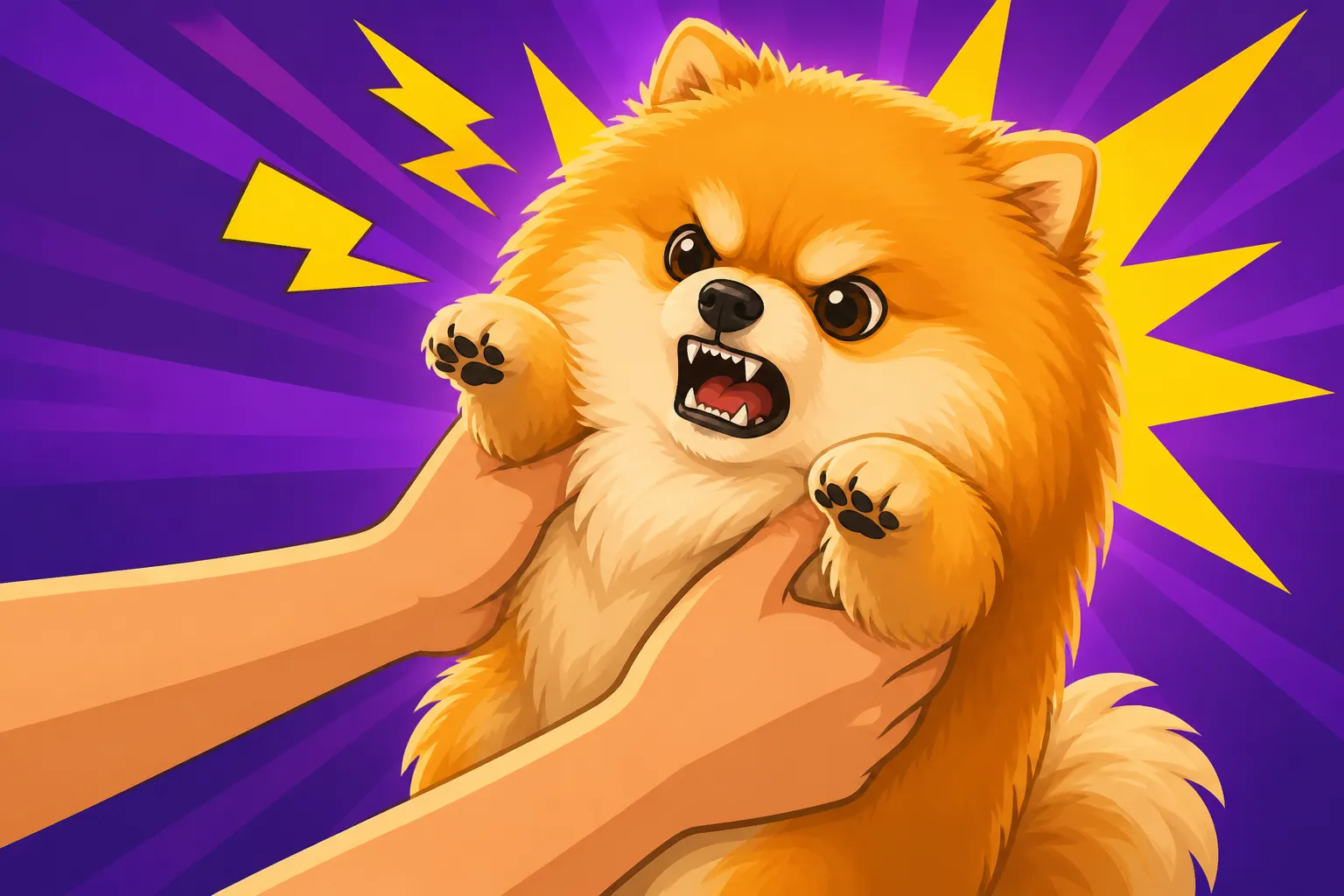
It's incredibly disheartening and frankly, a little scary, when you reach down to scoop up your beloved Pomeranian, only to have them snap, growl, or even try to bite. You just want to offer comfort or move them safely, but their reaction leaves you feeling confused and worried. This guide is here to help you understand why your tiny fluffball might be reacting this way and, more importantly, how to gently teach them to accept being handled and picked up with confidence and trust, making those moments stress-free for both of you.
Understanding Why Your Pomeranian Snaps When Picked Up
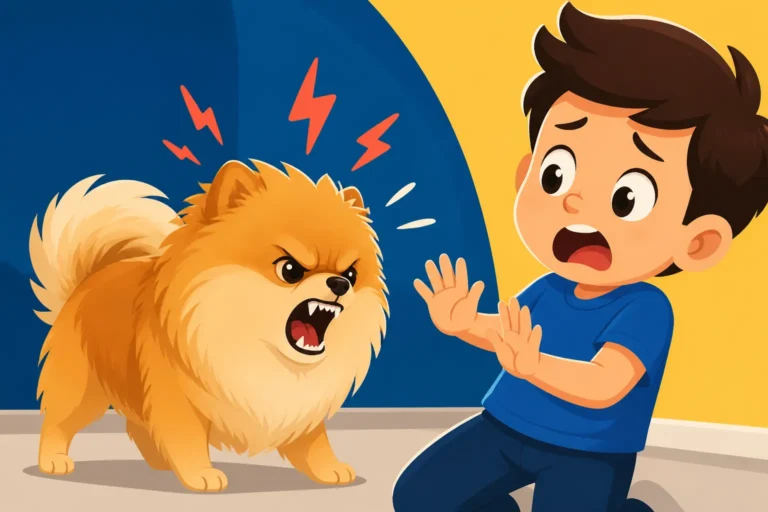
When a Pomeranian, or any small dog for that matter, reacts defensively to being picked up, it’s rarely out of pure malice. More often than not, it stems from a place of fear, discomfort, or a past negative experience. They aren't trying to be "naughty"; they're communicating in the only way they know how that something about the situation is distressing them. Deciphering that message is the first step toward a happier, safer relationship.
Fear and Insecurity: A Small Dog's Perspective
Imagine suddenly being lifted off the ground by a giant hand, with no warning, and no understanding of what's happening or where you're going. For a tiny Pomeranian, this can be their daily reality. Their world is often seen from ground level, and being abruptly hoisted into the air can feel incredibly disorienting and vulnerable. They don't have the same grasp of our intentions as we do. They just know they've lost control, lost their footing, and are now in an unpredictable situation. This feeling of insecurity can trigger a fight-or-flight response, and a snap or growl is their way of saying, "Please put me down! I feel unsafe!" It’s a natural, albeit unwelcome, defense mechanism.
Sometimes, this fear is exacerbated by past experiences. Perhaps they were once dropped, or handled roughly by a well-meaning but clumsy child, or even by an adult who didn't understand how fragile a small dog can be. These singular events can leave a lasting impression, creating an association between being picked up and feeling pain or fear. They may also generalize this fear, associating any attempt to pick them up with that past negative event, regardless of how gentle you are trying to be now.
Pain and Discomfort: More Than Just a Grumble
One of the most critical, and often overlooked, reasons a Pomeranian might snap when picked up is pain. These little dogs, while robust in spirit, can be prone to certain physical vulnerabilities, and being lifted can exacerbate an underlying condition. If they anticipate a painful sensation when pressure is applied to a certain part of their body, a warning growl or snap is their instinctual way of trying to prevent that pain. This isn't a behavioral issue in the traditional sense; it's a cry for help.
Common culprits for pain in Pomeranians include orthopedic issues like Slipping Kneecaps in a Five Pound Pomeranian, a condition where their patella can move out of place. Pressure on their hindquarters or an awkward twist during a lift can cause immense discomfort. Neck or back pain, perhaps from a minor injury or degenerative disc disease, can also make any sudden movement or unsupported lift agonizing. Even something seemingly unrelated, like severe Dental Disease in a Mouth the Size of a Pomeranian's, could make them generally irritable and less tolerant of handling. If your Pomeranian has only recently started snapping, or if the behavior is intermittent, a trip to the veterinarian to rule out pain is always the absolute first step. They can't tell us directly where it hurts, so we have to be their advocates and investigate.
Lack of Socialization and Training Around Handling
Many puppies naturally squirm or object to being held, and without proper, consistent, and positive training during their crucial developmental period, this initial discomfort can solidify into a lifelong aversion. Owners might instinctively put a squirming puppy down, inadvertently teaching the puppy that struggling or complaining works to get what they want – which is to be left alone. This isn't the puppy being "bad"; it's simply learning what behaviors are effective.
Furthermore, a lack of consistent exposure to various types of handling from different people can contribute to the issue. If your Pomeranian is only ever picked up by one person, or only in one specific way, they may become highly sensitive to any deviation from that routine. They might not have learned that being handled is generally a safe and positive experience. The critical window for puppy socialization, often between 3 and 16 weeks of age, is when they are most open to new experiences. If they didn't have positive experiences with being gently handled, touched, and lifted by various people during this time, they may grow into an adult who views it with suspicion or fear. Investing in early, positive training programs, even those offered online like BAXTER & Bella, can make a huge difference in teaching a puppy to accept handling.
Common Mistakes That Worsen the Problem
While our intentions are always good, sometimes the way we interact with our Pomeranians, especially when they're showing signs of stress, can inadvertently make the problem worse. It's easy to fall into habits that, from our perspective, seem harmless or even helpful, but from a small dog's point of view, they can be confusing or even frightening. Recognizing these common pitfalls is essential for breaking the cycle and rebuilding trust.
Rushing the Lift and Startling Your Pom
We've all been there: you need to quickly move your Pomeranian out of harm's way, off the couch before a guest sits down, or simply to get them somewhere. In our rush, we might swoop in quickly, grab them from above, or lift them without any prior warning. While this might seem efficient to us, for a small dog like a Pomeranian, it can be incredibly startling and unsettling. They don't have the context of "I'm just moving you to a safe spot." All they perceive is a sudden, large object descending upon them, followed by an abrupt loss of control. This can trigger an immediate defensive reaction—a growl, a snap, or a frantic struggle.
Imagine someone suddenly grabbing you from behind without a word. Your natural instinct would be to flinch, tense up, or even lash out in surprise. It's the same for your Pomeranian. These sudden movements, especially if they involve reaching over their head or from their blind spots, remove their sense of agency and safety. They can't brace themselves, they can't anticipate the movement, and they can't signal their discomfort before being swept up. Over time, repeated startling lifts can teach them to be constantly on guard, making every attempt to pick them up a potential conflict.
Inconsistent Handling and Mixed Signals
Consistency is key in canine communication, and inconsistent handling can leave your Pomeranian feeling confused and anxious. If some family members pick them up gently and predictably, while others are rougher or more abrupt, your Pom won't know what to expect. They might be fine with one person, but reactive to another, or even reactive to the same person if their approach varies. This unpredictability creates a state of chronic low-level stress, where they never quite feel safe during handling interactions because they can't predict the outcome.
Moreover, sending mixed signals can exacerbate the problem. For instance, if you sometimes pick them up gently and give them a treat, but other times you quickly grab them when you're frustrated, they can't form a clear, positive association with being lifted. They learn that being picked up is a gamble—sometimes it's okay, sometimes it's not. This uncertainty can make them more prone to snapping as a preemptive measure, trying to assert control over a situation they find unpredictable and potentially unpleasant. Consistency in approach, cues, and rewards from everyone in the household is crucial for teaching your Pomeranian that being picked up is a safe and positive experience.
Punishing the Snap Instead of Addressing the Cause
It's a natural human reaction to feel annoyed or even angry when your dog snaps at you, especially if you feel you were just trying to help. Our first instinct might be to scold them, give them a tap on the nose, or even isolate them. However, punishing a snap or growl is one of the most counterproductive things you can do. A snap or growl is a warning signal, a communication from your Pomeranian that they are feeling distressed, fearful, or in pain. It's their way of saying, "I'm uncomfortable, please stop."
When you punish that warning, you don't teach them not to be uncomfortable; you teach them not to warn you. They learn that expressing their discomfort leads to further negative consequences, so they might suppress the growl or snap, only to jump directly to a bite with no warning next time. This is incredibly dangerous, as it removes their primary communication tool and leaves you with an unpredictable dog. Instead of addressing the underlying fear or pain, punishment simply makes your Pomeranian more fearful of you and the act of being picked up. It erodes trust and makes them less likely to cooperate in the future. The goal should always be to understand why they are snapping and then address that root cause with kindness and positive reinforcement.
Gentle Techniques to Teach Your Pomeranian to Accept Being Lifted
Rebuilding trust and teaching your Pomeranian to comfortably accept being picked up requires patience, understanding, and a consistent, positive approach. We want to transform the act of being lifted from a scary, unpredictable event into something that is either neutral or even associated with good things. This isn't about forcing them to comply, but about empowering them to feel safe and secure during the process.
The "Consent Test" and Building Positive Associations
Before you even attempt to lift your Pomeranian, you want to get their explicit consent, or at least a strong indication that they are comfortable with the impending interaction. Start by approaching them calmly and offering a gentle touch, like a stroke on their shoulder or back. Don't immediately reach for them. Observe their reaction: do they lean into your touch, relax, or do they stiffen, pull away, or show whale eye (the whites of their eyes)? If they show any signs of discomfort, stop. Respect their boundary.
If they seem comfortable, move to offering a high-value treat (something truly irresistible, like a tiny piece of cooked chicken or cheese) as you gently place your hands on them in a "pre-lift" position, perhaps just resting your hands on either side of their chest without actually applying upward pressure. The moment your hands touch them, deliver the treat. Then remove your hands. Repeat this many times. The goal is to create a positive association: hands touching them = delicious treat. Keep these sessions very short and positive. You can even use a training program like those offered by BAXTER & Bella, which emphasize building a foundation of consent and positive reinforcement. It is never too early to start building these foundations.
Proper Lifting Techniques to Ensure Comfort and Security
Once your Pomeranian is starting to accept your hands on them, it’s crucial to use a lifting technique that makes them feel secure, stable, and minimizes any potential discomfort or pain. This is especially important for small breeds like Pomeranians, who can easily be injured by improper handling or who may have underlying orthopedic issues. The goal is to mimic how they might naturally move or be supported, rather than feeling like they are dangling.
The ideal way to pick up a Pomeranian is to support both their front and back ends simultaneously. Start by kneeling or bending down to their level, avoiding reaching over them from above. Place one hand under their chest, supporting their front legs and rib cage. At the same time, place your other hand under their hindquarters, cradling their rear and tail. Then, lift them smoothly and steadily, keeping them close to your body. This provides full support, making them feel secure and minimizing any strain on their spine or joints. Avoid lifting them by just their armpits or by grabbing their belly, as this can be uncomfortable and potentially harmful. Once lifted, hold them close and securely, allowing them to feel grounded against your body, rather than suspended in the air. This technique helps to prevent any awkward twists or pressure on potentially sensitive areas, like their delicate windpipe, which can be prone to conditions such as The Honking Cough of a Pomeranian's Collapsing Windpipe.
Desensitization Steps: Gradually Increasing Tolerance
Desensitization is a powerful technique that involves breaking down the scary event (being picked up) into tiny, manageable steps and gradually exposing your Pomeranian to each step while ensuring they remain calm and comfortable. The idea is to incrementally increase their tolerance, always pairing the exposure with positive reinforcement, like treats and praise. This teaches them that the process is safe and rewarding.
Here’s a step-by-step approach:
- Hand Placement: Start with simply placing your hands in the proper lifting position (one hand under the chest, one under the rump) for just a second or two, without any lift. Reward immediately with a high-value treat and verbal praise. Then release. Repeat many times.
- Slight Lift: Once they are comfortable with hand placement, very gently apply a tiny bit of upward pressure, just enough to shift their weight, but not fully lift them off the ground. Hold for a split second, reward, then release. The goal here is to make the feeling of "pre-lift" positive.
- Partial Lift: Gradually increase the height of the lift. Lift them just an inch off the ground, hold for a second, reward, then put them back down. Slowly work your way up to lifting them a few inches, then higher, always watching for signs of stress. If they show any discomfort, go back to the previous, easier step.
- Full Lift & Hold: Once they are comfortable with a full, brief lift, start holding them for slightly longer durations. Again, keep it brief, comfortable, and reward generously. Hold them close to your body so they feel secure.
- Adding a Cue: As you progress, introduce a verbal cue like "Up!" right before you start the lifting motion. This helps them anticipate what's coming, giving them a sense of predictability and control. Pair the cue, the lift, and the reward.
- Varying Context: Once they are comfortable, practice in different, calm environments. Start in a quiet room, then move to a slightly busier area, but always ensure safety and positive reinforcement. Remember that for sensitive breeds, even positive experiences must be carefully managed in terms of duration and intensity. This systematic approach, ensuring every step is positive, is the core of Teaching a Pomeranian to Be Picked Up Properly.
| Phase of Training | Action to Take | Reward/Outcome | Goal |
|---|---|---|---|
| Observation | Watch body language during attempted lifts | Identify stress signals (growl, snap, stiffening) | Understand current reaction and triggers |
| Consent Test | Approach calmly, offer gentle touch, observe reaction | Lean in: proceed; Stiffen/pull: pause | Build trust, allow choice, gauge comfort |
| Hand Placement | Place hands in lifting position (no lift) | High-value treat + praise, then remove hands | Create positive association with touch |
| Partial Lift | Gently lift 1 inch off ground, then immediately down | Treat + praise upon release | Desensitize to sensation of lift |
| Full Brief Lift | Lift fully, hold close for 1-2 seconds, then down | Treat + praise upon release | Build tolerance for full lift |
| Cue Integration | Say "Up!" before hand placement, then proceed | Consistent positive reinforcement for successful lifts | Create predictability, associate cue with positive outcome |
| Consistency | All family members follow steps, regular short sessions | Reduced reactivity, increased comfort and confidence | Generalize positive experience across people and situations |
When Professional Help is Needed
While many Pomeranians can learn to accept handling through patient, positive reinforcement, there are times when the problem is deeper than simple training. If your Pomeranian's snapping is severe, escalating, or poses a genuine safety risk, it’s crucial to seek professional guidance. Trying to tackle serious aggression on your own can inadvertently make the situation worse, or even put you at risk of injury.
Recognizing When Behavior is Beyond DIY Solutions
It's natural to want to fix things ourselves, especially when it comes to our beloved pets. However, if your Pomeranian's snapping is particularly aggressive—meaning they are actually connecting with their teeth, drawing blood, or becoming very agitated and difficult to calm down—it's a sign that the issue is beyond what most owners can safely and effectively manage on their own. Similarly, if the behavior is escalating, becoming more frequent, or occurring with less provocation, it's a red flag.
Another indicator that you need professional intervention is if the behavior is inconsistent or unpredictable. If your Pom is fine with being picked up one day, and aggressively snaps the next, or if they're fine with you but not with other family members despite consistent training efforts, there might be complex underlying factors at play. This unpredictability can make it incredibly stressful to live with and makes it difficult to apply a standard training approach. Finally, if you feel unsafe or fear being bitten every time you need to pick up your dog, the situation has clearly moved beyond a simple training challenge and requires expert guidance to ensure everyone's safety and well-being.
Consulting a Vet to Rule Out Medical Causes
As mentioned earlier, pain is a huge driver of defensive behavior, especially when it comes to being handled or moved. If your Pomeranian is snapping when picked up, the very first step should always be a thorough veterinary check-up. Even if they've had one recently, a specific examination focusing on musculoskeletal pain, dental issues, or neurological discomfort is critical. Your vet might perform a physical exam, palpate their spine and joints, and observe their gait and movement.
Don't be surprised if your vet suggests X-rays or other diagnostic imaging to look for issues like Slipping Kneecaps in a Five Pound Pomeranian, spinal problems, or even severe arthritis that might not be visible on the surface. Hidden pain can make a dog incredibly sensitive to touch, and an otherwise gentle lift could cause an acute spike of pain, leading to a defensive reaction. Sometimes, addressing the underlying medical issue with pain management, anti-inflammatory medications, or even surgery can completely resolve the behavioral problem. For older Pomeranians, chronic conditions like arthritis are very common, and even a slight adjustment in handling or pain medication can make a world of difference. Your vet can also discuss Anesthesia Risk in a Four Pound Pomeranian if any procedures are needed.
Working With a Certified Professional Dog Trainer or Behaviorist
Once medical causes have been ruled out, or if the vet confirms that behavioral modification is needed in conjunction with medical treatment, seeking help from a certified professional dog trainer or a veterinary behaviorist is the next crucial step. These professionals have the expertise to assess complex behavioral issues, identify triggers, and develop a safe and effective training plan tailored to your Pomeranian's specific needs.
Look for trainers who use positive reinforcement methods and are certified by reputable organizations. A veterinary behaviorist, who is a veterinarian with specialized training in animal behavior, can even prescribe medication if anxiety or fear is a significant component of the snapping behavior, in addition to behavioral modification techniques. They will observe your dog's interactions, help you understand their body language, and guide you through the desensitization and counter-conditioning protocols. They can teach you how to read your Pomeranian's subtle signals of discomfort, allowing you to intervene before a snap occurs. They can also help develop a consistent plan for all household members, ensuring everyone is on the same page. For those who may not have immediate access to in-person training, online programs and resources, like those offered by BAXTER & Bella, can provide a structured curriculum and professional guidance to start addressing these complex behaviors from home.
Tools and Aids for Safe and Comfortable Handling
Living with a small dog like a Pomeranian sometimes means adjusting our environment and using certain tools to make life easier and safer for them, especially if they are reluctant to be picked up. These aids aren't a replacement for training, but they can significantly reduce the need for reactive lifting and create a more comfortable experience for your furry friend.
Specialized Harnesses and Carriers for Transport
If your Pomeranian snaps when picked up, it highlights a need for safe, secure, and stress-free ways to transport them without having to physically lift them frequently. This is where specialized harnesses and carriers come into play. A well-fitting harness, particularly one that offers full body support, can be useful. Instead of grabbing at their fragile neck or delicate body, you can gently guide them by the harness. Look for "step-in" harnesses or those that buckle around the back, minimizing the need to pull anything over their head, which can be upsetting. You can find many suitable options on platforms like Amazon, reading reviews to ensure they are comfortable and secure for a small breed.
For longer distances or situations where they absolutely must be lifted (like into a car), a carrier or a sling can be a game-changer. A soft-sided carrier allows you to gently place your Pomeranian inside without direct lifting, and they can feel safe and contained. Slings are wonderful for keeping them close to your body, offering warmth and security, again, often with less direct lifting involved. You can encourage them to enter these aids voluntarily by placing treats inside, making it a positive experience. Over time, the carrier or sling becomes a signal for a safe journey, rather than a scary lift.
Safe Spaces and Elevated Beds to Reduce the Need for Lifting
Sometimes, the best solution isn't to force the lift, but to reduce the need for it. Creating an environment where your Pomeranian can safely navigate without constant human intervention can alleviate a lot of stress for both of you. This involves providing ramps or steps to allow them access to their favorite elevated spots, like the sofa or your bed. Small dogs, especially those prone to Slipping Kneecaps in a Five Pound Pomeranian, should avoid jumping on and off furniture anyway, so ramps are a win-win solution. There are many stylish and sturdy pet ramps and steps available, often easily found through online retailers like Amazon, or specialty pet stores. For example, installing Ramps for a Pomeranian That Jumps Off the Sofa can empower them to move freely.
Similarly, ensuring they have a designated "safe space" on the floor or a low, comfortable bed can give them an area where they know they won't be abruptly moved. This might be a soft dog bed in a quiet corner, or a crate that serves as their den. Teaching your Pomeranian to voluntarily go to their bed or crate on cue can be incredibly helpful for managing situations where you might otherwise have to pick them up, such as when guests arrive or during meal times. Whether a Pomeranian Puppy Should Sleep Alone is less about loneliness and more about providing a secure, predictable sleeping environment from day one.
Grooming Tables and Restraint Options for Handling Challenges
While ideally, all handling would be stress-free, there are practical necessities like grooming and veterinary exams that require a certain level of stillness and cooperation. For Pomeranians who are particularly difficult to handle during grooming, a professional grooming table with a gentle restraint can be incredibly helpful. These tables elevate the dog to a comfortable working height for the groomer, and the arm with a noose (properly fitted around the neck and chest, never just the neck, to prevent choking) provides a secure anchor that prevents them from jumping off or squirming excessively. This allows the groomer to work more safely and efficiently.
For home grooming, a similar concept can be applied using a sturdy, non-slip surface and a helper if possible. The goal is to provide stability and prevent sudden movements that could lead to injury or further stress. While some Pomeranians can be trained to accept elaborate grooming routines, such as standing still for Teaching a Pomeranian to Stand Still for the Brush, others require a bit more structure. Always prioritize their comfort and safety. If your Pomeranian consistently bites or struggles aggressively during grooming, discuss this with your vet or a professional groomer, who might recommend calming supplements or even light sedation for essential procedures to prevent extreme stress or injury. The key is to find solutions that minimize fear and discomfort, turning necessary handling into a manageable routine rather than a battle.
Disclaimer
This article is for general informational purposes only and does not constitute professional advice. Laws, prices and regulations vary by location and change over time. Consult a qualified professional for guidance on your specific situation.