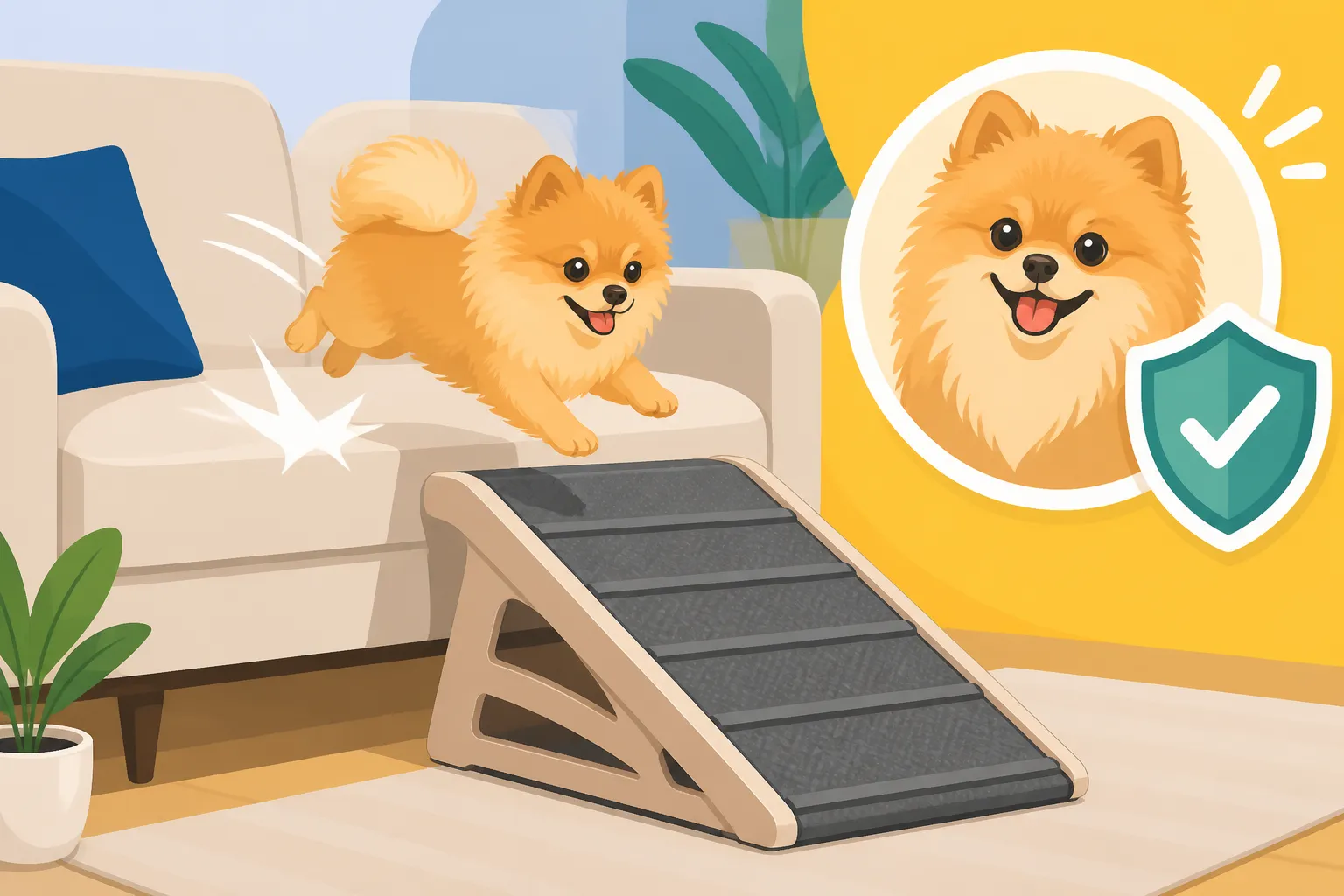
Ramps for a Pomeranian That Jumps Off the Sofa
It’s a heart-stopping moment many Pomeranian owners know all too well: you turn your back for a second, and thump, your tiny companion has launched themselves off the sofa or bed, landing with a jolt. This seemingly harmless habit, however, carries serious risks for their delicate joints and small bodies. This comprehensive guide will walk you through why these jumps are so dangerous and how thoughtfully chosen ramps can become your Pomeranian's best friend for safety and long-term health.
Understanding the Risks of Jumping for Pomeranians
The sheer joy and boundless energy of a Pomeranian can sometimes work against them, especially when it comes to navigating the human-sized furniture in our homes. What seems like a small leap for us is a significant impact for their tiny frame, carrying consequences that can range from mild discomfort to devastating, life-altering injuries. It's crucial for every Pom parent to understand just how vulnerable their little ones are to these everyday actions.
Why Jumping Is So Dangerous for Small Breeds
Imagine jumping from a second-story window to the ground. That's the equivalent impact a five-pound Pomeranian experiences when leaping from a typical sofa, let alone a bed. Their skeletal structure, while robust for their size, isn't designed for such high-impact landings. Small dogs like Pomeranians have proportionally lighter bones and smaller joints, making them much more susceptible to fractures, sprains, and chronic conditions exacerbated by repetitive stress. Unlike larger breeds that might absorb impacts across more significant muscle mass, a Pomeranian's body takes the full brunt directly onto its joints and spine.
Furthermore, their small size often means their muscles and ligaments are also more delicate. A misstep or awkward landing can easily strain these tissues, leading to immediate pain and a cascade of problems. This is especially true for an active, playful Pomeranian who might not think twice before launching itself into the air to greet you or chase a toy. The excitement of the moment often overrides any self-preservation instincts, making it our responsibility as their guardians to provide a safer environment.
Common Injuries from Furniture Jumps
One of the most common and dreaded injuries among Pomeranians from jumping is patellar luxation, or "slipping kneecaps." This condition, where the kneecap dislocates from its groove, is often hereditary in toy breeds, but repeated high-impact activities like jumping drastically worsen it. Even if your Pomeranian starts with a mild Grade One or Grade Two luxation, every jump can grind away at the joint, accelerating degeneration and pain. Over time, this can lead to debilitating arthritis and may eventually require complex and costly surgery to correct. You can learn more about the specifics of The Age a Pomeranian's Kneecap First Slips and Slipping Kneecaps in a Five Pound Pomeranian to better understand this prevalent issue.
Beyond the knees, spinal injuries are another grave concern. The force of landing can compress discs in their spine, potentially leading to intervertebral disc disease (IVDD), which causes extreme pain, nerve damage, and in severe cases, paralysis. Fractures of the long bones in their legs are also a very real possibility, especially if they land awkwardly or on a hard surface. These types of injuries don't just cause immediate suffering; they often require extensive veterinary care, including X-rays, medication, physical therapy, or even complex orthopedic surgery. The financial and emotional toll on owners can be immense, highlighting the importance of prevention over treatment. It's a sobering thought that something as simple as jumping off the couch can lead to such severe outcomes, often turning playful moments into emergency vet visits. Many owners have faced significant bills, even with a good pet insurance plan from providers like Healthy Paws, which is why prevention is always the best approach.
Why Ramps are a Game-Changer for Pomeranian Safety
Once you understand the very real dangers associated with your Pomeranian's love for leaping, the natural next step is to find a solution. While simply trying to stop them from jumping might seem like an option, it's often an uphill battle against instinct and convenience. This is where ramps come in, offering a safe, intuitive, and consistent way for your Pom to access their favorite elevated spots without risking injury.
The Benefits Over Dog Stairs
When considering access aids for your small dog, you'll often see two main options: ramps and stairs. While dog stairs can work for some, ramps offer distinct advantages, particularly for a breed as susceptible to joint issues as the Pomeranian. The primary benefit of a ramp is the smooth, continuous surface it provides. Instead of requiring your dog to lift and place each paw onto individual steps, a ramp allows for a gentle, even incline. This significantly reduces the impact and stress on their elbows, hips, and especially their knees, which is crucial for preventing conditions like patellar luxation or managing existing ones. Imagine a ramp as a gentle slope versus a series of small hurdles; the former is always going to be easier on the joints.
For older Pomeranians, or those already experiencing the beginnings of Arthritis in a Pomeranian at Ten, ramps are invaluable. The effort required to navigate steps can be painful and deter them from using the aid at all. A ramp, on the other hand, allows them to maintain a more natural gait, gliding up and down with less strain. Psychologically, some dogs find stairs intimidating, especially if they have poor depth perception or have had a bad experience. A ramp often appears less daunting and easier to master, encouraging consistent use and greater independence. It's about making access effortless, not just possible.
Choosing the Right Ramp for Your Pomeranian
Selecting the perfect ramp isn't a one-size-fits-all situation; it requires a bit of thoughtful consideration to ensure it meets your Pomeranian's specific needs and fits your home environment. The goal is to make it as easy and inviting as possible for them to use.
Length and Incline
The most critical factor is finding a ramp with an appropriate length and a gentle incline. For safety and ease of use, a longer ramp will always provide a shallower, more comfortable slope. For a standard sofa height of around 18-24 inches, you'll want a ramp that is at least 3-4 feet long to achieve a manageable incline. For a bed that's typically higher (24-30 inches), a ramp of 4-5 feet or even longer would be ideal. A steep ramp can be just as off-putting or even dangerous as jumping, defeating the whole purpose. Always measure the height of your furniture from the floor to the top of the cushion, and then look for ramps designed to accommodate that height with a gentle angle. The less effort your Pom needs to exert, the more likely they are to use it consistently.
Surface Material
The ramp's surface is paramount for grip and confidence. A slick surface will make your Pomeranian hesitant, risking slips and falls. Look for ramps with an anti-slip surface like low-pile carpet, rubberized treads, or a sandpaper-like texture. These materials provide excellent traction for their small paws, even if they're moving quickly. Avoid anything too plush that might snag their long coat or anything too abrasive that could irritate their paw pads. A good grip instills confidence, making the ramp a more appealing option for your curious companion.
Stability and Weight Capacity
Even though Pomeranians are small, the ramp must be incredibly stable. A wobbly or flimsy ramp will scare your dog away and can be dangerous. Choose a ramp made from sturdy materials like solid wood, durable plastic, or aluminum. Check the weight capacity to ensure it can comfortably support your Pomeranian's weight, plus a safety margin. While most ramps are designed for dogs much larger than a Pom, excessive wobbling or bending indicates poor construction. A solid, unmoving ramp will make your dog feel secure and encourage them to use it regularly. Some ramps come with non-slip feet or safety straps to secure them to furniture, which are excellent features to look for.
Portability vs. Permanent Placement
Consider where and how you'll use the ramp. Do you need one permanently affixed beside the sofa, or do you need a portable option to move between rooms, take on trips, or even use for car access? Many excellent ramps are foldable or telescoping, making them convenient for storage or travel. However, a permanent ramp might offer more stability if it's designed to stay in place. Think about your lifestyle and your home layout. If your Pomeranian loves to snuggle on the bed at night and the sofa during the day, you might need two separate ramps, or one that's easily moved. Brands like PetSafe and Chasing Fin offer various styles that cater to different needs, from sturdy wooden ramps to carpeted folding models.
Training Your Pomeranian to Use a Ramp
Even the most perfectly chosen ramp won't magically solve the jumping problem if your Pomeranian isn't comfortable using it. Training is key, and with patience, positive reinforcement, and consistency, your Pom will quickly learn that the ramp is the safest and easiest way to reach their favorite cuddle spots. Remember, these little dogs are smart, but they can also be a bit stubborn, so approach training with a gentle hand and plenty of tasty rewards.
Starting with Positive Reinforcement
The first step in ramp training is making the ramp a positive experience, not a scary obstacle. Start by placing the ramp on flat ground, not against furniture, in an area where your Pomeranian feels safe and comfortable. Let them sniff around it at their own pace. Don't push or force them onto it. Once they show a little interest, start dropping high-value treats on the lowest part of the ramp. As they take a treat, praise them enthusiastically with a happy, encouraging voice. The goal is to associate the ramp with good things – delicious snacks and your approval.
As they become more comfortable, gradually place treats further up the ramp, enticing them to take a step or two. If they hesitate, don't rush. Go back to where they were comfortable and build up again. Use a verbal cue like "ramp up" or "climb" as they walk up, reinforcing the action. When they successfully walk the length of the ramp, shower them with even more treats and praise. Keep these initial sessions short and fun, ending on a high note before they get bored or frustrated. Consistency over many small sessions is far more effective than one long, forced session.
Gradual Introduction and Consistency
Once your Pomeranian is confidently walking up and down the ramp on flat ground, it's time to introduce it to the furniture. Place the ramp securely against the sofa or bed. Again, start with treats at the bottom, guiding them gently upwards. If your Pom is usually carried onto the furniture, try placing them at the top of the ramp and enticing them down with treats first. This can sometimes be an easier starting point, as they are motivated to get to the goodies on the floor. Once they've mastered going down, work on going up. Remember to keep using your chosen verbal cue.
It's absolutely critical to make the ramp the only way for your Pomeranian to access the furniture during the training period. This might mean temporarily blocking off other access points, like placing cushions or even baby gates around the sofa. If they jump off, gently redirect them to the ramp and try again. Never scold them for jumping, as this can create a negative association with the ramp or even with you. Instead, calmly and consistently guide them. Some Pomeranians might pick it up in a day, while others could take weeks. Patience is a virtue, and your persistence will pay off. Consider reading Ramps for a Pomeranian That Jumps Off the Sofa for more detailed training tips.
Integrating Ramps into Your Pomeranian's Daily Life
The moment your Pomeranian starts using their ramp instinctively, you've achieved a huge milestone in ensuring their safety and comfort. But successful integration goes beyond just getting them to use it once; it's about making ramps a natural, indispensable part of their daily routine and environment. This proactive approach will contribute significantly to their long-term well-being and save you a lot of worry (and potentially, vet bills!).
Strategically Placing Ramps Around the Home
For ramps to be truly effective, they need to be accessible wherever your Pomeranian regularly seeks elevated comfort. Think about their favorite spots: is it the sofa in the living room for evening cuddles? The armchair by the window for sunbathing? Or your bed for nighttime snuggles? You'll likely need more than one ramp to cover all these bases. Installing a dedicated ramp at each frequently used piece of furniture eliminates the need for your Pom to look for alternatives or revert to jumping.
Don't forget about other elevated surfaces too. If your Pomeranian travels with you, a portable or folding car ramp can be invaluable for helping them get into vehicles without straining their back or knees. Even smaller steps up to a bay window or a raised feeding station could benefit from a mini-ramp. The goal is to seamlessly integrate ramps into their environment so that using them becomes second nature, like using a dog door. This foresight significantly reduces the chances of accidental jumps, especially during moments of excitement or distraction.
Long-Term Joint Health and Prevention
Beyond preventing immediate, acute injuries, consistently using ramps is a powerful preventive measure for your Pomeranian's long-term joint health. Every jump they avoid is stress saved on their joints, ligaments, and spine. This is particularly important for a breed prone to conditions like patellar luxation. By reducing the wear and tear, you're not just preventing accidents; you're actively working to delay the onset or progression of arthritis and other degenerative joint diseases as they age. This commitment to prevention can truly add quality years to your Pomeranian's life.
Think of it as an investment in their future comfort. A Pomeranian who uses ramps from a young age is less likely to experience chronic pain or mobility issues in their senior years. This proactive care can also reduce the need for anti-inflammatory medications, supplements, or even surgeries down the line. While conditions like The Conditions That Take Years Off a Pomeranian are always a concern, providing ramps helps mitigate one of the major risk factors. Ultimately, this approach saves you not just the emotional stress of seeing your beloved pet in pain, but also the significant financial burden of extensive veterinary treatments. It's a small change that can make an enormous difference, allowing your Pomeranian to enjoy a comfortable and active life for as long as possible. Even with pet insurance from a reputable company like Healthy Paws, prevention is far better than costly treatments for avoidable injuries.
| Ramp Feature | Benefits for Pomeranians | Considerations |
|---|---|---|
| Gentle Incline | Reduces joint stress, prevents slipping. | Requires a longer ramp; check furniture height. |
| Non-Slip Surface | Provides traction, builds confidence, prevents falls. | Carpeted, rubberized, or textured surfaces are best. |
| Sturdy Construction | Ensures stability, prevents wobbling, instills trust. | Wood or heavy-duty plastic, non-slip feet. |
| Appropriate Length | Allows for a comfortable, gradual slope. | Longer ramps for higher furniture; measure carefully. |
| Weight Capacity | Guarantees structural integrity for safety. | Even for small Poms, ensure it's robust and won't flex. |
| Portability (Optional) | Easy to move or store, good for travel. | Check folding mechanism and weight if you plan to move it often. |
Disclaimer
Please note that the information provided in this article is for general guidance and informational purposes only, and does not constitute veterinary advice. Always consult with a qualified veterinarian for any health concerns or before making any decisions related to your Pomeranian's health and care. Individual needs may vary.