Keeping a Pomeranian Going Past Fourteen
It’s a bittersweet thought, isn't it, to imagine our lively, fluffy Pomeranians entering their golden years? Many of us worry that these tiny dogs might not have a long life, often hearing averages that feel far too short. But the truth is, with the right care, dedication, and a deep understanding of their unique needs, many Poms don't just reach their senior years—they thrive well past the age of fourteen, sometimes even stretching into their late teens. This guide is all about giving you the tools and insights to make those extra years comfortable, happy, and full of cherished moments for your beloved senior Pomeranian.
Understanding the Pomeranian's Lifespan and Seniority
When we talk about a Pomeranian reaching beyond fourteen, we’re really talking about moving past the average expectations. The typical lifespan for a well-bred Pomeranian is often cited as 12 to 16 years. So, getting to fourteen is already a good achievement, but pushing past that means understanding the nuances of their aging process and being prepared for the changes it brings. It's not just about adding years, it's about adding quality to those years.
What Does "Senior" Mean for a Pomeranian?
Just like humans, dogs don't suddenly become "old" on a specific birthday. It’s a gradual process, but generally, for a small breed like a Pomeranian, they are considered senior around 7-8 years of age. However, their physical and cognitive decline often becomes more noticeable closer to 10-12 years. By the time they hit 14, they are definitely in their "super senior" phase, and their needs will be quite different from their younger selves. It's crucial not to dismiss new behaviors or symptoms as "just old age" but to see them as potential indicators that something needs attention.
A 14-year-old Pomeranian might show visible signs of aging, such as a graying muzzle, clouding eyes, or a slower pace. Their once boundless energy might be replaced with longer naps, and their hearing might not be as sharp. These are all normal parts of the aging process, but they also mean we need to adjust our care routines and expectations. Understanding that your Pom is in this super senior stage is the first step in providing the tailored support they need to keep going strong. You might be interested in learning about When a Pomeranian Counts as Old.
Common Factors Influencing Longevity
Several factors play a significant role in how long a Pomeranian lives, and addressing these throughout their life can set them up for a long, healthy senior phase. Genetics are a huge piece of the puzzle; a Pomeranian from a reputable breeder with a history of long-lived, healthy dogs is always a good start. Environmental factors, though, are where owners have the most control. This includes their diet, exercise, preventive healthcare, and even their emotional well-being. A dog that is well-fed, regularly exercised, given consistent veterinary care, and lives in a low-stress, loving environment is far more likely to beat the odds and live a long, fulfilling life.
We often see heartbreaking cases where dogs suffer from preventable conditions simply due to lack of awareness or financial constraints. Investing in good nutrition, regular vet check-ups, and even a solid pet insurance plan from a provider like Healthy Paws early on can make a world of difference. It's about building a foundation of health from puppyhood that supports them into their senior years. Proactive measures can mitigate The Conditions That Take Years Off a Pomeranian.
Proactive Health Management for the Aging Pom
As our Pomeranians age, their bodies, just like ours, become more susceptible to various health issues. The key to keeping them going past fourteen isn't just reacting to problems as they arise, but actively working to prevent them or catch them in their earliest, most manageable stages. This proactive approach is the cornerstone of senior Pom care.
The Importance of Biannual Veterinary Check-ups
When your Pomeranian reaches their senior years, those annual vet visits just aren't enough anymore. Their health status can change rapidly, and a condition that might be easily managed if caught early can become much more serious in a matter of months. Biannual (twice a year) check-ups become absolutely essential. During these visits, your vet will perform a thorough physical exam, checking everything from their teeth and gums to their joints and heart. They’ll be looking for subtle signs of change that you might miss at home.
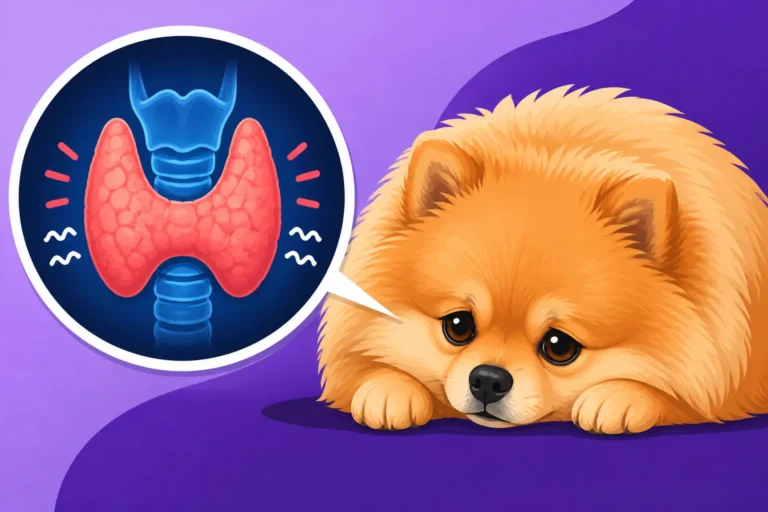
These regular visits also provide an opportunity for crucial preventive screenings. Blood work, urinalysis, and sometimes even thyroid checks are common for older dogs. These tests can detect issues like kidney disease, liver problems, diabetes, or an underactive thyroid (hypothyroidism) before they become clinically obvious. Catching these conditions early means starting treatment sooner, which can significantly improve their quality of life and longevity. It's an investment in their future, and a great pet insurance plan, like those offered by Healthy Paws, can really help manage these costs, making it easier to keep up with necessary diagnostics.
Regular Health Screenings and Diagnostics
Beyond the general physical exam, specific screenings become increasingly important for senior Pomeranians.
For instance, many Poms are prone to The Honking Cough of a Pomeranian's Collapsing Windpipe, which can worsen with age. Regular check-ups can help monitor the severity and adjust management strategies.
Heart health is another big one; your vet will listen for murmurs and may recommend an echocardiogram to check for conditions like mitral valve disease, which is common in small breeds. Dental health cannot be overstated; severe dental disease can lead to heart, kidney, and liver problems due to bacteria entering the bloodstream. Even if your Pomeranian has had good dental care throughout their life, older Poms often need more frequent professional cleanings. You might need to consider Whether an Old Pomeranian Should Have a Dental.
Common Senior Pomeranian Health Screenings:
| Screening Type | Purpose | Frequency (Senior Poms) | What it detects |
|---|---|---|---|
| Comprehensive Blood Panel | Evaluates organ function, blood cell counts, and metabolic health. | Biannual | Kidney disease, liver disease, diabetes, anemia, infection |
| Urinalysis | Checks kidney function, hydration, and urinary tract health. | Biannual | UTIs, kidney disease, diabetes, bladder stones |
| Thyroid Hormone Test | Assesses thyroid gland function. | Annually (or biannual if symptoms present) | Hypothyroidism |
| Echocardiogram | Ultrasound of the heart to evaluate structure and function. | As recommended (if murmur detected) | Mitral valve disease, other heart conditions |
| Blood Pressure Check | Monitors for hypertension. | Annually | Kidney disease, heart disease, thyroid issues |
| Ophthalmic Exam | Checks for age-related eye conditions. | Annually | Cataracts, glaucoma, dry eye, retinal degeneration |
| Oral Examination | Assesses gum health, tooth decay, and oral masses. | Biannual | Periodontal disease, oral tumors, tooth fractures |
These tests provide a baseline and allow your vet to spot trends or changes early on. For example, a slight elevation in kidney values can be addressed with dietary changes or supplements long before your Pom shows any outward signs of illness. It’s about staying one step ahead.
Nutrition and Hydration Tailored for Senior Pomeranians
Just as a human's dietary needs change with age, so do a Pomeranian's. What was perfect for their energetic younger years might not be ideal for their slower, aging body. Proper nutrition and hydration become even more critical in helping them maintain muscle mass, support organ function, and generally feel good as they approach and pass their fourteenth birthday.
Adjusting Diet for Decreased Activity and Metabolism
As Pomeranians get older, their metabolism naturally slows down, and their activity levels typically decrease. This means they don't need as many calories as they once did. Continuing to feed them the same amount of food can lead to weight gain, which puts undue stress on their joints, heart, and other organs, exacerbating conditions like Slipping Kneecaps in a Five Pound Pomeranian or exacerbating breathing difficulties. It’s a common frustration to see a Pom gain weight even when it feels like they’re barely eating.
Transitioning to a high-quality senior dog food formula is often the best choice. These foods are typically lower in calories but still provide essential nutrients. They also often contain ingredients like glucosamine and chondroitin for joint support, and antioxidants to boost the immune system. When making any dietary change, do it slowly over a week or two to avoid upsetting their stomach. Consult your veterinarian for precise recommendations on calorie intake, as this can vary greatly depending on your Pom's individual health status and activity level. Remember, even a small amount of extra weight on a tiny Pomeranian makes a big difference.
Enhancing Hydration and Managing Dental Health
Hydration is crucial for all dogs, but especially for seniors, who may be more prone to kidney issues or simply might not feel as thirsty. Always ensure fresh, clean water is available. You might even consider adding a bit of water or low-sodium broth to their dry kibble to increase fluid intake and make the food softer, which can be a huge benefit for older Poms with dental problems. Many senior Pomeranians struggle with Dental Disease in a Mouth the Size of a Pomeranian's, which can make chewing painful and deter them from eating or drinking enough.
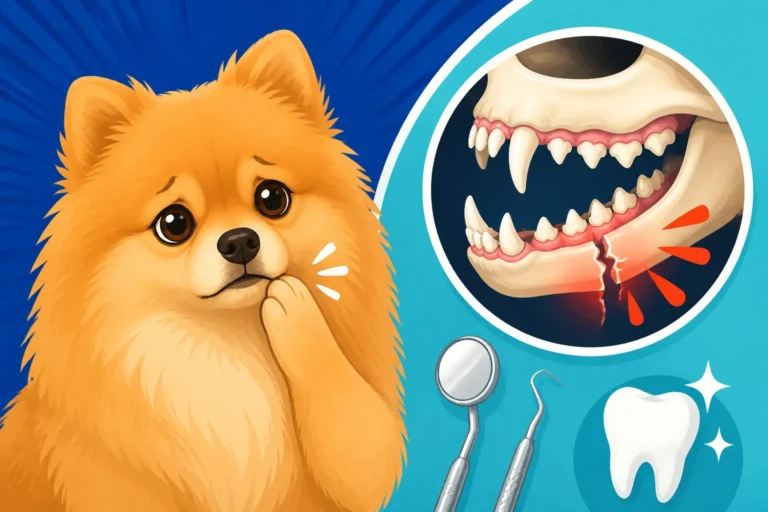
Speaking of dental health, it's a critical, yet often overlooked, aspect of senior care. By fourteen, many Pomeranians will have experienced some degree of dental disease. Regular professional dental cleanings under anesthesia are vital, as are daily home care efforts like brushing their teeth with dog-specific toothpaste. If a Pom's teeth are causing pain, they might eat less, leading to weight loss and nutrient deficiencies. Softened food, dental chews, and even specialized dental diets can help, but ultimately, painful teeth need veterinary attention. Poor dental hygiene doesn't just affect their mouth; it can contribute to systemic health problems.
Supporting Mobility and Comfort in Later Years
As Poms age, it's inevitable that their joints and muscles won't be as spry as they once were. Issues like arthritis, luxating patellas (slipping kneecaps), and general stiffness can make moving around difficult and painful. Keeping them mobile and comfortable is paramount for their quality of life, allowing them to enjoy those extra years.
Managing Joint Pain and Arthritis
Arthritis is incredibly common in senior dogs, including Pomeranians. You might notice your Pom is slower to get up, hesitates before jumping, or seems stiff after a nap. It’s heartbreaking to see them in pain, and it’s a frustration many owners face, feeling helpless. The good news is, there are many ways to manage joint pain and help them feel better. Your vet can recommend anti-inflammatory medications (NSAIDs) that are safe for long-term use, pain relievers, or even steroid injections for more severe cases.
Beyond medication, supplements like glucosamine, chondroitin, and omega-3 fatty acids can support joint health and reduce inflammation. Some Poms respond well to therapeutic laser treatments or acupuncture. Keeping your Pom at a healthy weight is also incredibly important, as excess pounds put extra strain on already compromised joints. Even small changes in their environment, such as adding soft, orthopedic beds or ramps, can make a significant difference in their comfort. Consider reading Arthritis in a Pomeranian at Ten for more insights.
Creating an Accessible and Safe Home Environment
Think about your home from your Pomeranian's perspective. If they’re struggling with mobility, what seems like a small step or a smooth floor can be a huge obstacle or even a danger. One of the best things you can do for a senior Pom is to make their environment as accessible and safe as possible.
Consider providing Ramps for a Pomeranian That Jumps Off the Sofa and small steps for beds or furniture they frequently use. This reduces the need for jumping, which can be hard on their joints and back. For slick floors, place non-slip rugs or runners, especially in areas where they eat, sleep, or play.
Ensure their food and water bowls are easily accessible without too much bending or reaching, perhaps raised slightly. Provide multiple comfortable, easily accessible resting spots around the house so they don't have to travel far to find a cozy place to nap. If your Pom has vision or hearing impairment, try to keep furniture in consistent locations to help them navigate more easily. A secure, warm bed that's easy to get into and out of can also be a game-changer for their comfort.
Cognitive Health and Mental Engagement
It's not just about keeping their bodies healthy; keeping their minds sharp and engaged is equally vital for a long, happy life. Cognitive decline, sometimes referred to as canine cognitive dysfunction (CCD), can affect older Pomeranians, much like Alzheimer's in humans. Signs can include disorientation, changes in sleep-wake cycles, house-soiling, and altered interactions.
Keeping Their Minds Active and Engaged
Even if your senior Pomeranian isn't running marathons anymore, their brain still needs a workout. Mental stimulation helps slow cognitive decline and keeps them interested in life. Interactive puzzle toys, even simple ones, can provide hours of engaging fun. Stuffing a Kong with a treat and freezing it offers a challenge that taps into their natural foraging instincts. Hide-and-seek games with treats or their favorite toy can also be incredibly stimulating.
Continue to teach them new, simple tricks or refresh old ones. Even short, gentle training sessions using positive reinforcement can keep their minds sharp and strengthen your bond. Remember to keep it fun and low-pressure. For Poms who might be experiencing some hearing loss, visual cues or hand signals can be very effective in continued communication.
Maintaining a Consistent Routine and Social Interaction
A predictable routine provides comfort and security for senior Pomeranians, especially those with some degree of cognitive impairment. Knowing when to expect meals, walks, and cuddle time can reduce anxiety and help them feel more grounded. Changes in routine can be disorienting and stressful for an older dog, so try to keep things as consistent as possible.
Social interaction is also paramount. While they might not be as eager to play with other dogs, regular gentle interactions with family members are crucial. Cuddle sessions, soft grooming, and quiet conversations all contribute to their emotional well-being. If your Pom is still up for it, short, controlled walks in a familiar environment can provide sensory stimulation without overexertion. Even if it's just a leisurely stroll around the block, the sights, sounds, and smells can do wonders for their mental health.
Recognizing and Managing Common Age-Related Conditions
While we strive for proactive care, some health challenges are almost inevitable as a Pomeranian reaches their late teens. Being aware of these common conditions, knowing what to look for, and understanding how to manage them is crucial for providing the best possible care.
Eye and Ear Health in Older Poms
Just like humans, many senior Pomeranians will experience changes in their sight and hearing. Clouding Eyes in a Pomeranian Past Ten is a common sight, often due to lenticular sclerosis, which is a normal aging change that doesn't usually impair vision significantly. However, cataracts are also common and can lead to blindness. Regular veterinary eye exams can differentiate between these and identify other issues like glaucoma or dry eye, which require treatment. If your Pom's vision is declining, help them navigate by keeping furniture in place and guiding them gently.
Hearing loss can also be a gradual process. You might notice they don't respond to their name as readily or are startled more easily. While there's no cure for age-related hearing loss, you can adapt your communication by using hand signals or a gentle touch to get their attention. Always approach them from the front to avoid startling them.
Managing Incontinence and Sleep Disturbances
Incontinence can be a distressing issue for both Poms and their owners, often leading to feelings of frustration or guilt. It's important to remember it's not their fault. Incontinence can stem from various causes, including weakened bladder muscles, cognitive dysfunction, or underlying medical conditions like urinary tract infections or kidney disease. Always consult your vet to rule out treatable medical causes. Often, medications can help strengthen bladder control.
For managing the practical side, more frequent potty breaks, especially before bed and first thing in the morning, can help. Absorbent dog diapers or washable pee pads can protect furniture and floors. Making sure their sleeping area is easy to access for late-night potty trips is also important.
Sleep disturbances, such as wandering at night or increased vocalization, can be signs of cognitive decline or discomfort. Maintaining a consistent bedtime routine, ensuring they are comfortable and have had a final potty break, and providing a quiet, dark sleeping area can help. Your vet might also suggest medications or supplements to help regulate their sleep cycle if the issue is severe and disrupting your household.
Adapting Exercise Routines and Environmental Comfort
Even very senior Pomeranians need some form of exercise to maintain muscle tone, joint flexibility, and mental well-being, but the intensity and duration need to be significantly scaled back. Instead of long walks, think multiple short, gentle strolls throughout the day. Pay close attention to their cues; if they seem tired, stop and let them rest or carry them home. On hot or cold days, keep walks very brief or opt for indoor play sessions.
Ensure their environment is always comfortable. Older Poms can be more sensitive to temperature extremes. Provide warm, soft bedding in winter and a cool, shaded spot in summer. As mentioned before, ramps and steps are invaluable for protecting their joints. Helping an Old Pomeranian Onto the Couch or bed should be a regular part of their daily care, preventing them from attempting jumps that could lead to injury. A comfortable, supportive bed can make a world of difference for their aching joints. It’s all about creating an environment where they feel safe, secure, and free from pain, allowing them to enjoy every moment of their extended life with you.
Disclaimer
This article is intended for informational purposes only and does not constitute veterinary advice. Always consult with a qualified veterinarian for any health concerns or before making any decisions about your Pomeranian's medical care or treatment.