Whether a Pomeranian’s Jaw Can Break During a Dental
It’s a fear many Pomeranian owners whisper to their vets: the idea of something going wrong during a routine dental procedure, especially the possibility of their tiny companion’s fragile jaw breaking. This isn’t just a wild worry; it stems from a very real understanding of how delicate these little dogs can be. We’re going to delve deep into why this concern exists, the actual risks involved, and most importantly, how to ensure your beloved Pom gets the best, safest dental care possible, addressing those anxieties head-on.
Understanding the Fragility of a Pomeranian's Jaw
Let's be honest, Pomeranians are small. Adorably small, but small nonetheless. This diminutive size, while part of their charm, comes with some unique anatomical considerations, particularly when it comes to their oral health. Their jaws are simply not built with the same robust strength as, say, a German Shepherd's. This isn't a design flaw, just a matter of scale, but it does mean we need to approach their dental care with an extra layer of caution and understanding.
The Anatomy of a Small Dog's Jaw
When you look at a Pomeranian, everything about them is scaled down. This includes their bones. The mandible (lower jaw) and maxilla (upper jaw) in a Pomeranian are much thinner and more delicate than in a larger breed. Think of it like comparing a twig to a sturdy branch – both are wood, but one is inherently more fragile. This means they have less structural support around their teeth.
What often complicates matters further is that while their jaws are small, the number of teeth they possess is the same as a much larger dog. This leads to severe crowding, a hallmark issue in many toy breeds, including Pomeranians. This crowding not only makes them more prone to plaque and tartar buildup because of all the nooks and crannies, but it also means the roots of those teeth are packed incredibly close together. When dental disease takes hold, as it so often does in these tiny mouths, the infection eats away at the bone surrounding the teeth. This process, known as periodontal bone loss, can leave a mere sliver of bone holding the tooth in place, and what's left of the jaw can become incredibly weak and brittle. It's a sad reality that sometimes, by the time a Pomeranian is showing obvious signs of dental pain, the underlying bone structure has already been significantly compromised. It's a key reason why understanding Dental Disease in a Mouth the Size of a Pomeranian's is so vital for every Pom parent.
Factors Increasing Jaw Fracture Risk
Several factors can increase the risk of a jaw fracture during a dental procedure in a Pomeranian. It's not usually one single thing but often a combination of issues that create a perfect storm for fragility.
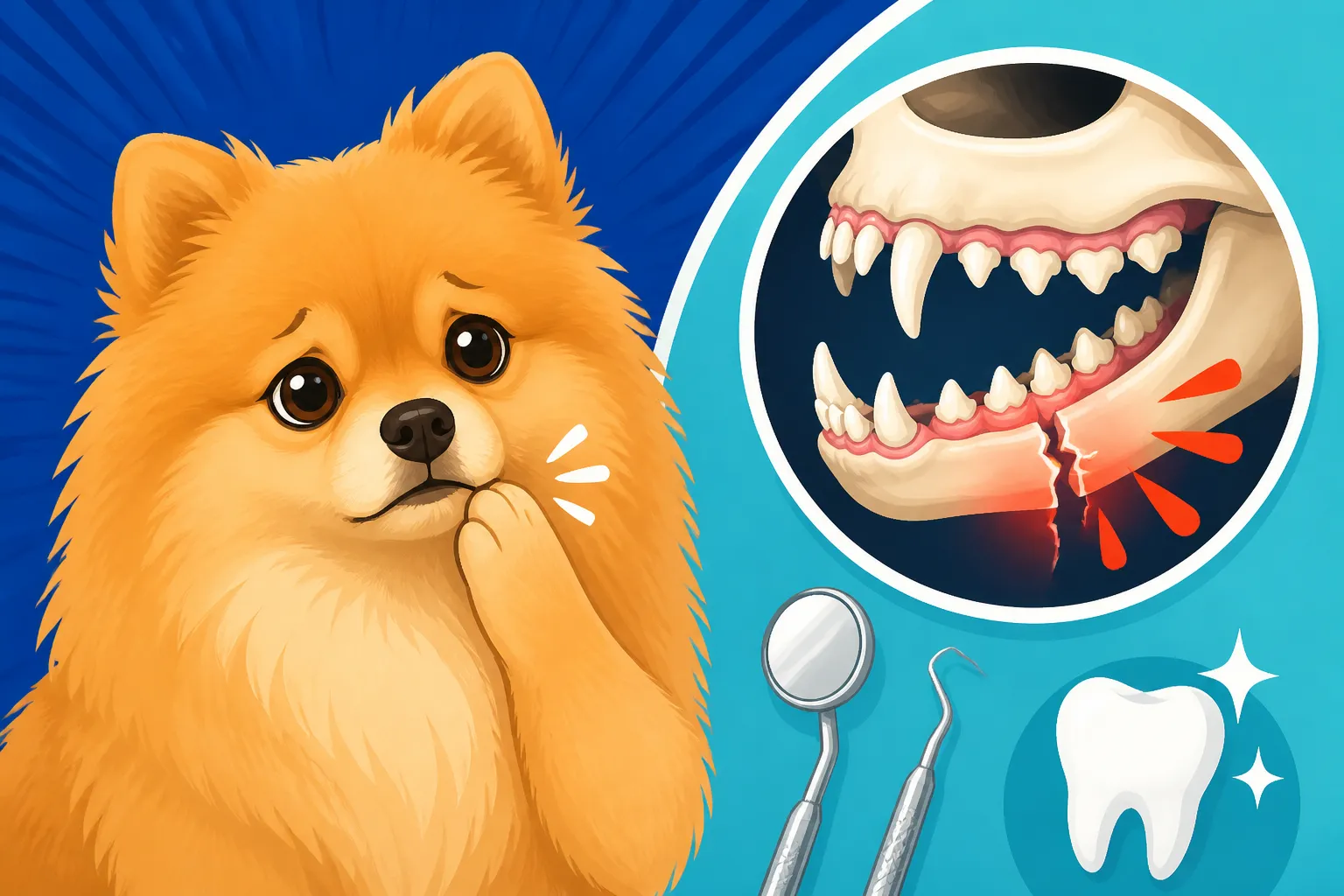
Firstly, pre-existing advanced dental disease is the biggest culprit. If your Pomeranian has significant periodontal disease, the bone around the tooth roots can literally disappear, replaced by infection and inflammation. This bone loss is often silent and hidden below the gumline until revealed by dental X-rays. Imagine trying to extract a tooth from a jaw where the bone has been so severely resorbed that it's practically paper-thin. The leverage and force, however minimal, required for extraction can be enough to cause a fracture in an already weakened jaw.
Age also plays a role. Older Pomeranians have often had more time for dental disease to progress, leading to more extensive bone loss. Additionally, their bones might naturally become a bit more brittle with age, making them less resilient. It's a common misconception that old dogs shouldn't have dentals, but the pain and systemic infection from rotting teeth can be far more dangerous. If you're wondering Whether an Old Pomeranian Should Have a Dental, the answer is almost always yes, but with careful planning.
Retained deciduous teeth, or "baby teeth" that never fall out, are another concern. Pomeranians are notorious for this. These persistent baby teeth can further exacerbate crowding and create pockets for plaque, leading to earlier and more severe periodontal disease. When these are pulled, it's yet another procedure in an already cramped and potentially compromised area. For more information, check out Pulling a Pomeranian's Retained Canines.
Finally, while less common, certain genetic predispositions or underlying metabolic conditions that affect bone density could theoretically contribute, though severe dental disease remains the primary concern. It’s always important to discuss your Pom’s full health history with your vet before any procedure.
The Dental Procedure Itself: Minimizing Risks
Knowing the risks is one thing; mitigating them is another entirely. A responsible and experienced veterinary team will take specific steps to safeguard your Pomeranian’s delicate jaw during a dental procedure. It’s about a meticulous approach, from the initial assessment to the actual techniques used during extractions.
Importance of Pre-Anesthetic Assessment
Before your Pomeranian even goes under anesthesia, a thorough pre-anesthetic assessment is absolutely critical. This isn't just a formality; it's the foundation of a safe procedure.
First, your vet will perform a comprehensive physical exam and usually recommend pre-anesthetic bloodwork. This bloodwork checks organ function, particularly the liver and kidneys, to ensure your Pom can safely metabolize the anesthetic drugs. For a tiny dog, the dosages need to be precise, and knowing their internal health is key. Understanding Anesthesia Risk in a Four Pound Pomeranian is a discussion you should always have with your vet.
However, the real game-changer for protecting your Pomeranian's jaw is full mouth dental X-rays. You absolutely cannot assess the true extent of dental disease, especially bone loss, without them. Periodontal disease happens largely below the gumline, hidden from the naked eye. X-rays reveal:
- The severity of bone loss around tooth roots.
- Hidden abscesses or cysts.
- Impacted teeth.
- The exact structure and health of the jawbone itself.
If X-rays reveal significant bone loss, especially around a tooth that needs extraction, the veterinary team can then anticipate the potential fragility of the jaw. This allows them to adjust their technique, preparing for a more delicate extraction or even referring to a veterinary dental specialist if the case is particularly complex. This proactive approach significantly reduces the risk of an unforeseen fracture.
Gentle Extraction Techniques and Tools
Once your Pomeranian is safely under anesthesia and dental X-rays have been taken, the actual cleaning and extraction process begins. This is where the skill and experience of the veterinary team truly shine. For Pomeranians, it’s not just about getting the tooth out; it’s about doing it with the absolute minimal amount of trauma to the surrounding delicate structures.
Modern veterinary dentistry employs a range of techniques and specialized tools designed to be as gentle as possible. When an extraction is necessary, especially for teeth deeply affected by periodontal disease, a veterinarian might perform a surgical extraction. This isn't as scary as it sounds; it means they carefully create a small flap of gum tissue to expose the underlying bone and root. This allows them to remove a small amount of bone around the tooth, making the extraction much easier and less traumatic than simply pulling the tooth directly.
Another common technique is sectioning the tooth. If a multi-rooted tooth (like molars or premolars) needs to be extracted, the vet can carefully divide it into smaller, individual roots using a high-speed dental drill. This turns a complex, large extraction into several smaller, simpler ones, each involving less force and reducing the risk of undue stress on the jawbone.
The tools used are also crucial. Micro-elevators, periotomes, and very fine dental luxators are specifically designed to gently sever the ligaments holding the tooth in its socket, rather than simply wiggling and pulling. It’s a slow, steady, and meticulous process, particularly for Pomeranians where every milliliter of bone matters. The veterinarian will work to ensure the tooth is loosened as much as possible before any significant force is applied. This methodical approach is paramount in preventing accidental jaw fractures.
It's also worth noting that while these procedures can be expensive, considering the specialized equipment and expertise required, having comprehensive pet insurance like Healthy Paws can ease the financial burden. Knowing that a significant portion of these costs might be covered allows you to focus solely on getting the best care for your furry friend without financial stress.
Recognizing and Managing a Jaw Fracture
Even with the most careful planning and skilled execution, accidents can, on very rare occasions, still happen. It's vital for Pomeranian owners to be aware of the signs of a potential jaw fracture post-operatively, and to understand the steps involved in managing such an unfortunate event. While it’s certainly not something we want to dwell on, being informed empowers you to act quickly if needed.
Signs of a Potential Fracture
After your Pomeranian comes home from a dental procedure, especially if extractions were performed, your vet will give you detailed post-operative care instructions. It’s normal for there to be some mild swelling, tenderness, and a bit of reluctance to eat hard food for a few days. However, certain signs should immediately raise a red flag and warrant a call to your veterinarian.
Look out for:
- Excessive swelling or bruising around the jaw or face that seems to worsen rather than improve over 24-48 hours.
- Severe pain that isn't controlled by the prescribed pain medication. Your Pom might cry out when touched near the jaw, or become unusually withdrawn and lethargic.
- Inability or extreme reluctance to eat or drink, even soft foods or water. This goes beyond typical post-op tenderness.
- Drooling or pawing at the mouth excessively.
- An obviously misaligned jaw, where the upper and lower teeth don't meet correctly, or the mouth appears crooked.
- Difficulty closing the mouth completely.
- Unusual bleeding from the mouth that doesn't subside.
If you observe any of these symptoms, do not wait. Contact your veterinarian or an emergency veterinary clinic immediately. Prompt recognition and treatment are crucial for the best possible outcome. The sooner a potential fracture is diagnosed, the better the chances for successful repair and recovery.
Treatment Options for Jaw Fractures
Should a jaw fracture unfortunately occur, whether during a dental procedure or due to some other trauma, there are several treatment options available. The approach taken will depend on the location and severity of the fracture, as well as the overall health of your Pomeranian.
The primary goal of treatment is to stabilize the jaw, allow the bone to heal, and restore proper function. Common treatment methods include:
- Muzzle placement: For very minor, non-displaced fractures, sometimes simply keeping the jaw still with a soft muzzle for a period can allow it to heal. This is less common for severe fractures.
- Interdental wiring (cerclage wiring): This is a very common technique for jaw fractures in small dogs. Fine surgical wire is threaded around the teeth on either side of the fracture site, essentially wiring the jaw together. This provides stability while the bone heals. The wires are usually removed once healing is confirmed, typically after several weeks.
- Miniature bone plates and screws: For more complex or unstable fractures, tiny metal plates and screws can be surgically applied to bridge the fracture site and hold the bone segments together. This provides very stable fixation but is a more invasive procedure.
- Acrylic splints: A custom-made acrylic splint can be molded to the teeth and jaw, acting like a cast to hold the fractured pieces in place. This can be less invasive than plating and might be suitable for certain types of fractures.
Regardless of the technique used, post-operative care for a jaw fracture is intensive. Your Pomeranian will need:
- Strict soft food diet: Absolutely no chewing hard foods or toys for weeks, sometimes months.
- Pain management: Adequate pain medication is crucial to keep your Pom comfortable during healing.
- Antibiotics: To prevent infection, especially if the fracture communicates with the oral cavity.
- Regular follow-up appointments and X-rays: To monitor healing progress and ensure the fracture is mending correctly.
The recovery period can be several weeks to a few months, and it requires dedication from you as the owner to ensure compliance with the post-operative instructions. While daunting, remember that veterinary medicine has advanced significantly, and successful outcomes are very possible with appropriate care. It's during these unexpected, costly emergencies that pet insurance, like a comprehensive plan from Healthy Paws, can be an absolute lifesaver. Knowing that a significant portion of these emergency treatments, surgeries, and follow-up care can be covered can truly alleviate the immense financial pressure during an already stressful time.
Proactive Care to Prevent Jaw Issues
While we’ve discussed the risks and what to do if a fracture occurs, the best defense is always a good offense. Being proactive about your Pomeranian’s oral health can drastically reduce the likelihood of severe dental disease, which, as we’ve learned, is the biggest risk factor for jaw fractures during dentals. It’s about building a consistent routine and partnering with your veterinarian.
Daily Oral Hygiene at Home
This might sound like a broken record, but daily home oral hygiene is truly the most effective thing you can do for your Pomeranian's teeth. Think of it like your own dental care – brushing twice a day prevents major issues down the line. For Poms, with their crowded little mouths, it's even more critical.
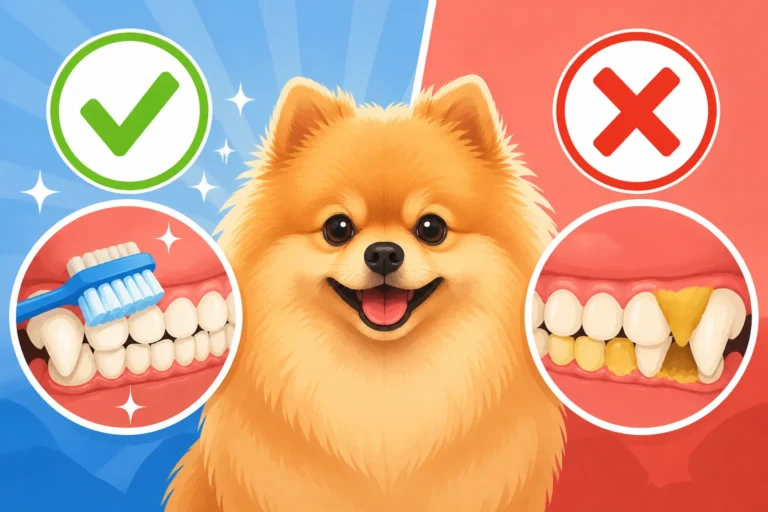
Brushing your Pomeranian's teeth daily is the gold standard. Use a pet-specific toothbrush (often a finger brush or a very small brush) and enzymatic toothpaste. Never use human toothpaste, as it contains ingredients toxic to dogs. Focus on the outside surfaces of the teeth, especially the canines and molars, as these are where plaque and tartar tend to accumulate most. Even a minute or two a day makes an incredible difference. It might take some time to get your Pom used to it, starting with just letting them lick the toothpaste off your finger, then slowly introducing the brush. Consistency is key! For more detailed guidance, read about Whether a Pomeranian Needs Its Teeth Brushed Daily.
Beyond brushing, you can incorporate other tools to support oral health:
- Veterinary dental chews: Look for chews that are specifically VOHC (Veterinary Oral Health Council) approved. These have been scientifically proven to reduce plaque and tartar. Ensure they are sized appropriately for your Pomeranian to prevent choking.
- Water additives: These can help reduce bacteria in the mouth. Again, opt for VOHC-approved products for efficacy and safety.
- Dental diets: Some prescription dental diets are formulated with special kibble that helps scrape plaque off teeth as your dog chews. This can be a great option, especially for Poms who resist brushing.
By diligently maintaining home oral hygiene, you're not just preventing bad breath; you're actively fighting the buildup of plaque and tartar that leads to gingivitis, periodontal disease, and ultimately, bone loss that weakens the jaw.
Regular Veterinary Check-ups and Early Intervention
Just like humans need regular dental check-ups, your Pomeranian needs consistent veterinary oversight of their oral health. Waiting until your Pom has visibly rotting teeth or severe bad breath often means the disease is already quite advanced.
Annual veterinary check-ups are non-negotiable. During these visits, your vet will perform an oral examination. While they can't see below the gumline, they can identify visible signs of tartar, gingivitis, and any loose or painful teeth. This allows for early intervention. If your vet recommends a professional dental cleaning under anesthesia, it's not just a recommendation; it's a vital part of preventative care. Addressing issues when they are mild to moderate prevents them from escalating to severe periodontal disease, which is when the risk of complications like jaw fractures becomes higher. The earlier you catch and treat gum disease in a Pomeranian, the less invasive the procedure typically is, and the better the long-term prognosis for their teeth and jaw. You can learn more about this in The Checkup Schedule a Pomeranian Should Keep.
Consider that early intervention often means fewer extractions, which is always the goal. Fewer extractions mean less manipulation of the jaw and less risk. If you allow dental disease to progress, you’re looking at more extensive and complicated procedures, which often come with higher costs. While these costs can be substantial, pet insurance plans like those offered by Healthy Paws can provide a financial safety net, helping to cover the expenses of necessary professional dental cleanings and extractions, especially if unexpected complications arise. Investing in preventative care and having insurance can ultimately save you from more costly and stressful situations down the road.
Disclaimer
This article is for general informational purposes only and does not constitute professional advice. Laws, prices and regulations vary by location and change over time. Consult a qualified professional for guidance on your specific situation.