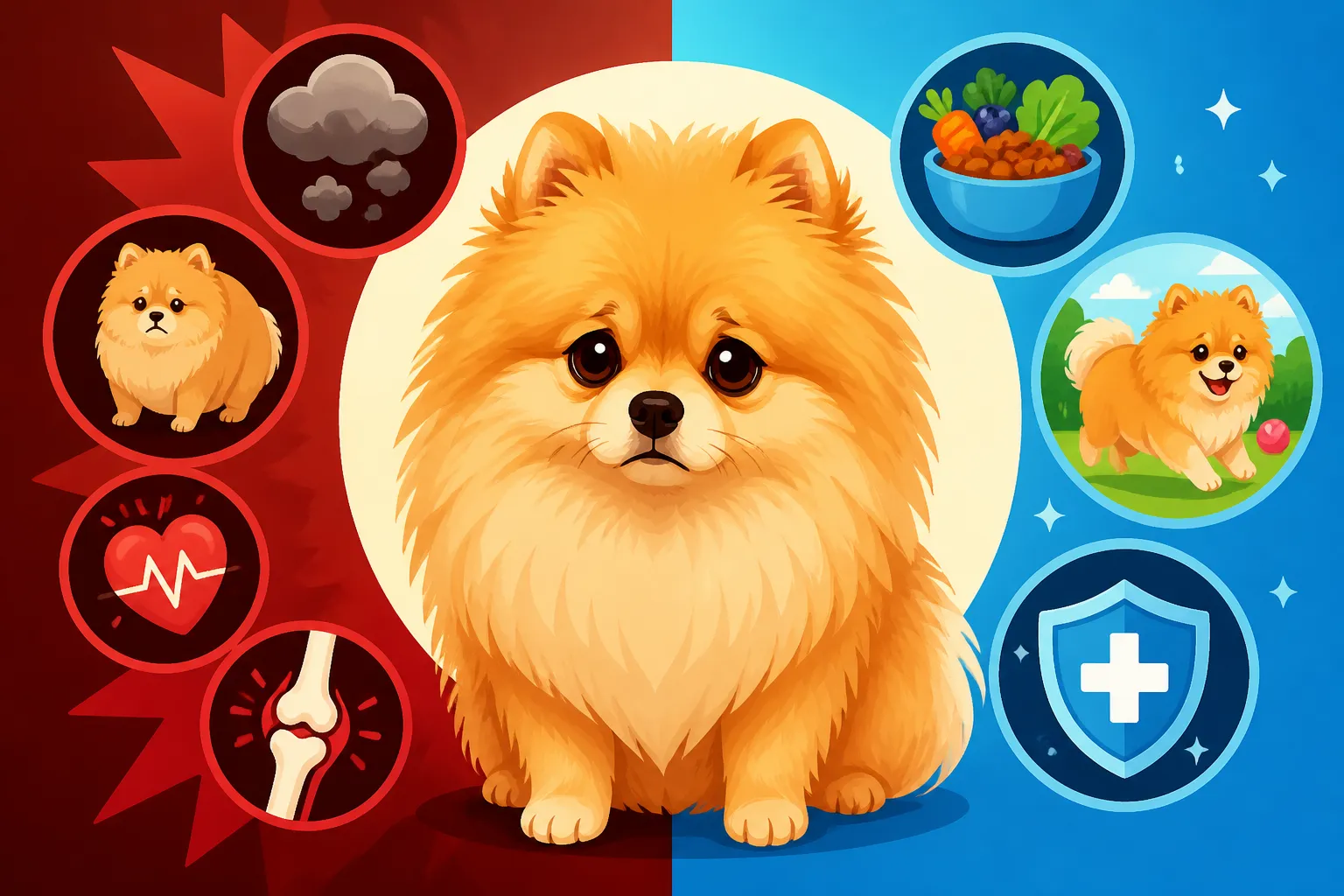
The Conditions That Take Years Off a Pomeranian
It's heartbreaking to think about anything that could cut short the time we have with our beloved Pomeranians. These tiny bundles of fluff and personality worm their way into our hearts so completely, and all we want is for them to live long, vibrant lives. Unfortunately, like all breeds, Poms are predisposed to certain health conditions that can, if not managed properly, significantly impact their lifespan and quality of life. This guide is here to walk you through some of the most common issues, what to look out for, and how proactive care can make all the difference.
Congenital and Early-Onset Health Challenges
Sometimes, the challenges begin even before your little Pom puppy is fully grown. Certain conditions are either present from birth or manifest early in life, requiring swift recognition and intervention to ensure your tiny companion has the best possible start and a chance at a full life. Missing these crucial early signs can have lasting, detrimental effects.
Heart Defects in Puppies
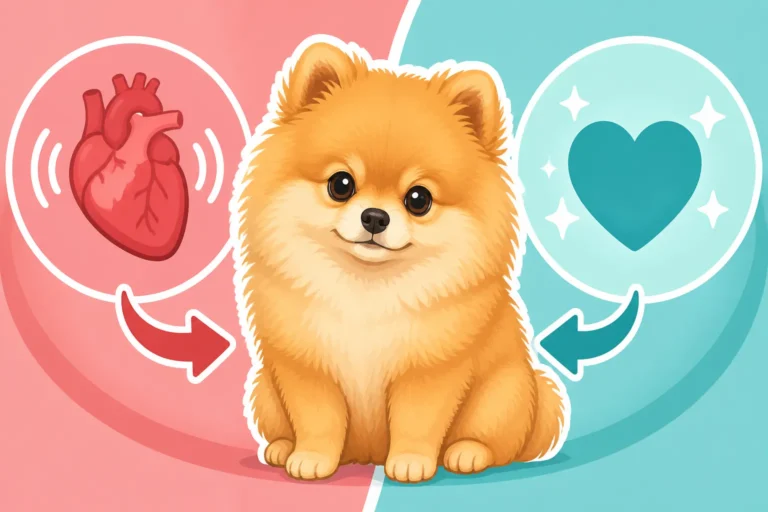
One of the most concerning issues that can arise in a young Pomeranian is a congenital heart defect. These are structural problems with the heart that are present at birth, and they can vary widely in severity. A common one we see in small breeds like Poms is called Patent Ductus Arteriosus, or PDA. Imagine a small blood vessel that’s supposed to close shortly after birth; in puppies with PDA, it remains open, allowing blood to flow incorrectly and putting a strain on the heart and lungs.
The symptoms can sometimes be subtle at first, maybe just a slight exercise intolerance, or a veterinarian might detect a distinctive "machinery" murmur during a routine check-up. If left undiagnosed and untreated, PDA can lead to congestive heart failure, which significantly shortens a puppy's life and causes immense suffering. The good news is that with early diagnosis, often through an echocardiogram, surgical correction is highly successful. This is why regular vet visits for your puppy are so critical; catching issues like this early can literally save their life and allow them to grow into a healthy, active adult. For a deeper dive into these issues, you might find our article on The Heart Defect Found in Pomeranian Puppies incredibly helpful.
Hypoglycemia and Blood Sugar Regulation
Another serious early-life concern for Pomeranian puppies, especially the tiny ones, is hypoglycemia, or dangerously low blood sugar. Because of their small size, high metabolism, and often limited fat reserves, Pom puppies struggle to regulate their blood sugar levels. They burn through energy incredibly quickly, and if they miss a meal or don't eat enough, their sugar can crash.
The signs of hypoglycemia can be alarming: lethargy, weakness, wobbling, trembling, confusion, and even seizures or collapse. It's a terrifying experience for any new puppy owner. Emergency treatment usually involves rubbing a sugary syrup (like Karo syrup) on their gums and getting them to the vet immediately. Preventing these crashes is paramount, which means frequent, small meals throughout the day and night for young puppies. Understanding how often a Pomeranian puppy needs to eat and the right type of food is vital for their survival and healthy development. Chronic or severe episodes of hypoglycemia can lead to neurological damage, developmental delays, and, in tragic cases, be fatal. We cover this in much more detail in Blood Sugar Crashes in a Pomeranian Puppy.
Musculoskeletal Issues Affecting Mobility and Quality of Life
Pomeranians, for all their exuberance and tiny stature, are not immune to problems with their bones and joints. These musculoskeletal conditions can severely impact their ability to move, play, and live comfortably, often leading to chronic pain and a reduced quality of life if not addressed. As they age, or even from a young age, these issues can become debilitating, making simple joys like running in the park a painful endeavor.
Luxating Patellas Slipping Kneecaps
Perhaps one of the most common orthopedic problems in Pomeranians is luxating patellas, often simply called "slipping kneecaps." This is where the kneecap (patella) dislocates or moves out of its normal groove in the thigh bone (femur). It can happen in one or both knees and is often a genetic predisposition in toy breeds. You might notice your Pom suddenly skipping a step, holding up a back leg for a few strides, and then acting completely normal as the kneecap pops back into place.
Vets grade patellar luxation from 1 (mild, occasional slipping) to 4 (severe, permanently dislocated). While Grade 1 might only cause occasional discomfort, higher grades can lead to chronic pain, arthritis, and even make your dog prone to other knee injuries like cruciate ligament tears. Severe luxation can make walking extremely difficult and painful, ultimately shortening their active years. Some cases can be managed with physical therapy and joint supplements, but often, surgery is recommended to correct the alignment and prevent long-term damage. It's an investment in their future comfort and mobility. To learn more about this prevalent issue, check out our article on Slipping Kneecaps in a Five Pound Pomeranian.
Legg-Calve-Perthes Disease LCPD
Another, though less common, musculoskeletal condition that can plague young Pomeranians is Legg-Calve-Perthes Disease, or LCPD. This is a painful condition that affects the hip joint, specifically the head of the femur (the ball part of the ball-and-socket joint). For reasons not fully understood, the blood supply to the femoral head temporarily stops, causing the bone tissue to die and ultimately collapse. It's essentially a spontaneous degeneration of the femoral head and neck.
LCPD typically manifests in puppies between 5 and 8 months of age, causing a sudden onset of lameness, pain, and muscle wasting in the affected hind leg. Imagine a young, playful puppy suddenly unable to put weight on one of its back legs. Diagnosis usually involves X-rays, and the most common treatment is Femoral Head Ostectomy (FHO) surgery, where the damaged femoral head is removed, and a "false joint" is created. While successful, it requires significant rehabilitation and management to ensure a pain-free life. If left untreated, the severe pain and progressive joint deterioration would drastically reduce the dog's quality of life and potentially shorten its lifespan due to chronic suffering and immobility.
Respiratory and Oral Health Concerns
Pomeranians are known for their distinct appearance, and unfortunately, some of their unique anatomical features, particularly their small size, can predispose them to specific respiratory and oral health issues. These conditions, if not managed vigilantly, can lead to chronic discomfort, difficulty breathing, and even contribute to other systemic health problems that diminish their lifespan.
Tracheal Collapse
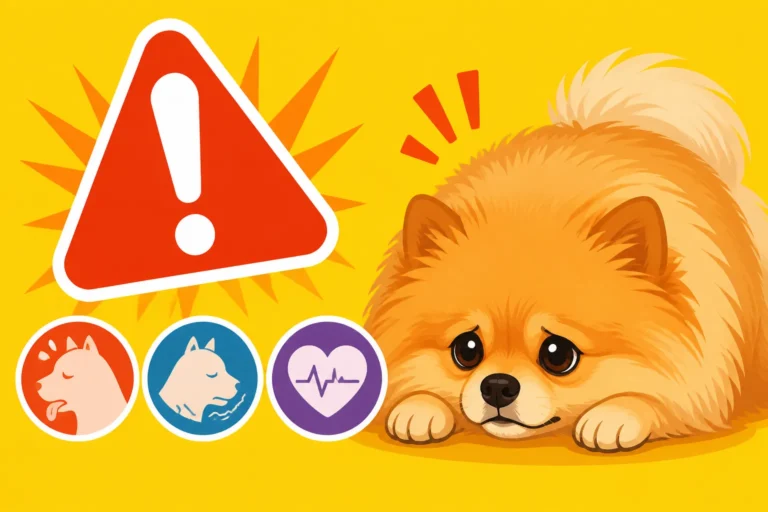
The "honking cough" of a Pomeranian with tracheal collapse is a sound that strikes fear into the heart of any Pom owner. This condition occurs when the rings of cartilage that hold the windpipe open weaken and flatten, causing the trachea to collapse, especially during excitement, exercise, or when pulling on a collar. It's a progressive disease, meaning it tends to get worse over time.
Symptoms range from a mild, intermittent cough to severe breathing distress, characterized by gasping, blue gums, and even collapse in extreme cases. Factors like obesity, allergens, and excitement can trigger or worsen episodes. While medical management (cough suppressants, anti-inflammatories) can help, severe cases might require surgical intervention, such as tracheal stents, which carry their own risks. Living with chronic breathing difficulties puts immense stress on a Pomeranian's entire system, especially their heart, and can definitely shorten their years. It's a constant worry for owners, and managing their environment, keeping them calm, and ensuring proper weight are crucial. You can learn more about managing this challenging condition in The Honking Cough of a Pomeranian's Collapsing Windpipe. When dealing with chronic conditions like tracheal collapse, having support for veterinary costs can be a huge relief, and this is where something like pet insurance from providers such as Healthy Paws can be invaluable in helping manage ongoing treatment expenses.
Severe Dental Disease
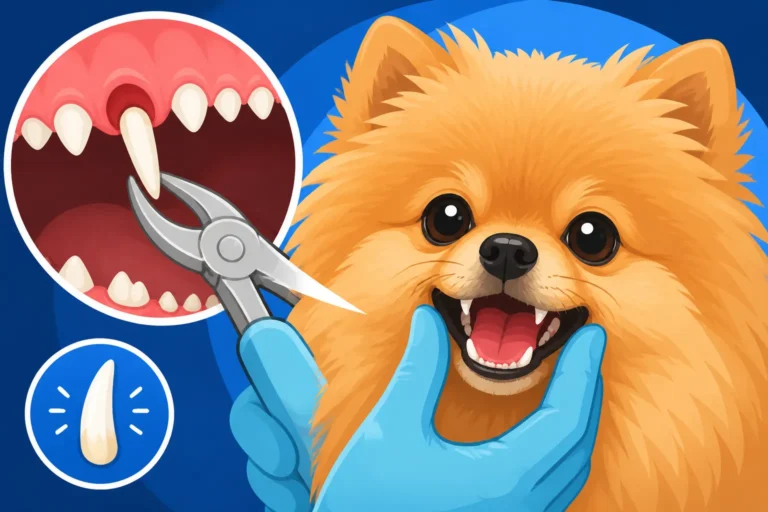
If you've ever owned a small dog, you know dental disease is a huge concern, and Pomeranians are no exception – in fact, they're often more prone to it. Their tiny mouths are often crowded, leading to teeth that are packed too closely together, making them a perfect breeding ground for plaque and tartar. This isn't just about bad breath; it's a serious health issue that can take years off their life.
The progression starts with plaque, which hardens into tartar. This irritates the gums, leading to gingivitis and then periodontitis, where the infection spreads below the gum line, damaging the bone and ligaments supporting the teeth. Teeth become loose, painful, and often need extraction. Beyond the mouth, the bacteria from severe dental infections can enter the bloodstream and travel to vital organs like the heart, kidneys, and liver, causing secondary infections and systemic inflammation. This constant assault on their internal systems significantly impacts overall health and can lead to organ damage, reducing their lifespan. Regular professional dental cleanings under anesthesia are essential, often starting as young as 2-3 years old, alongside daily home care. Our article Dental Disease in a Mouth the Size of a Pomeranian's offers comprehensive advice on this topic.
Hormonal and Skin Conditions
While not always immediately life-threatening, certain hormonal imbalances and skin conditions can profoundly affect a Pomeranian's well-being, leading to secondary health issues and a diminished quality of life. The constant itching, discomfort, or systemic effects of these conditions can weaken their immune system, make them more susceptible to other illnesses, and ultimately impact their longevity.
Alopecia X Black Skin Disease
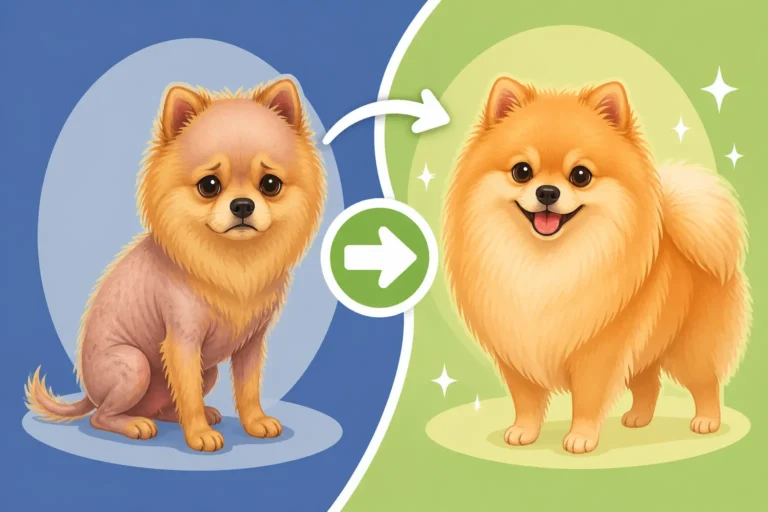
Alopecia X, often referred to as Black Skin Disease, is a frustrating and sometimes heartbreaking condition for Pomeranian owners. It's a genetic, endocrine-related skin disorder characterized by progressive hair loss, usually starting on the flanks and hindquarters, eventually leading to bald patches and often hyperpigmentation (darkening) of the skin. While the hair loss itself doesn't directly cause death, the condition certainly impacts a Pom's quality of life.
The skin that loses its coat becomes vulnerable. It can become dry, flaky, prone to secondary bacterial or yeast infections, and is highly susceptible to sunburn and frostbite. Managing these secondary infections requires consistent veterinary care and medication. While the exact cause and most effective treatment remain elusive, many Poms live a full life with Alopecia X, but the constant management of skin issues and potential discomfort can be a burden on them and their owners. For more insight into this mysterious condition, you might want to read Black Skin Disease and the Pomeranian Coat That Never Returns. Dealing with the diagnostics and potential treatments for a condition like Alopecia X, which often involves ruling out other causes, can incur significant veterinary costs. Having pet insurance, like a policy from Healthy Paws, could certainly ease that financial strain.
Hypothyroidism
Hypothyroidism is a common endocrine disorder in dogs, where the thyroid gland doesn't produce enough thyroid hormone. This hormone is crucial for regulating metabolism in almost all body cells, so a deficiency can have widespread effects. While Poms aren't specifically predisposed more than other breeds, it's a condition that can impact their vitality and overall health.
Symptoms of hypothyroidism are often vague and can develop slowly, making diagnosis tricky. They include lethargy, weight gain (despite no change in diet), a dull or thinning coat, skin problems, cold intolerance, and sometimes even neurological issues. If left untreated, hypothyroidism can lead to a severely reduced quality of life, increasing susceptibility to other diseases, exacerbating existing conditions, and generally shortening their energetic years. The good news is that it's typically easy to diagnose with a blood test and highly manageable with daily oral thyroid hormone replacement medication, often for the rest of the dog's life. Consistent medication brings most dogs back to a normal, healthy state.
Age-Related Conditions and Preventative Care
As our cherished Pomeranians transition from spirited adults to dignified seniors, they become more susceptible to a new set of health challenges. These age-related conditions can slowly but steadily erode their health and quality of life, making the golden years feel less golden. However, with diligent preventative care and a watchful eye, we can often slow the progression of these diseases and ensure their comfort for as long as possible.
Kidney Disease
Kidney disease is a common ailment in aging dogs of all breeds, including Pomeranians. The kidneys are vital organs responsible for filtering waste products from the blood, regulating blood pressure, and producing certain hormones. As dogs age, kidney function can gradually decline, leading to a buildup of toxins in the body. This is often an insidious process, with noticeable symptoms only appearing when a significant portion of kidney function has already been lost.
Early signs can be subtle: increased thirst, more frequent urination, decreased appetite, and lethargy. As the disease progresses, you might see vomiting, weight loss, and a generally poor coat condition. While chronic kidney disease is not curable, it is manageable, especially if caught early. Dietary changes (low protein, low phosphorus), medications to control symptoms, and fluid therapy can significantly slow the progression and extend both the quantity and quality of life for an affected Pom. Regular senior blood panels are crucial for early detection, as they can reveal changes in kidney values before clinical signs are apparent. Considering the ongoing care and specialized diets often needed for kidney disease, pet insurance, such as a plan from Healthy Paws, could be a real lifeline for managing these long-term expenses.
Canine Cognitive Dysfunction CCD
One of the more poignant age-related conditions is Canine Cognitive Dysfunction (CCD), often referred to as "doggy dementia." Just like humans, dogs can experience age-related changes in their brain function, leading to a decline in cognitive abilities. This can be particularly heartbreaking for owners who cherish the bright, intelligent spark in their Pomeranians.
Symptoms of CCD can include disorientation (getting lost in familiar surroundings), changes in social interactions (less greeting, more irritable), altered sleep-wake cycles (pacing at night, sleeping more during the day), anxiety, and house-soiling accidents. It's a progressive condition that can severely impact an older Pom's quality of life and the bond with their family, as their personality and behaviors change. While there's no cure, certain diets, supplements, and medications can help manage symptoms and slow the progression of the disease. Enriching their environment, maintaining a consistent routine, and offering patience and understanding are also vital. Early recognition and veterinary consultation are key to implementing strategies that can preserve their cognitive function for as long as possible. Our article, An Old Pomeranian That Wanders at Night, delves deeper into managing these behaviors.
The Role of Preventative Care and Lifestyle
While we can't entirely prevent every health challenge a Pomeranian might face, we certainly have a significant role to play in minimizing risks and maximizing their chances for a long, healthy life. Proactive care isn't just about reacting to problems; it's about building a foundation of wellness from day one and adapting that care as they age.
Regular Veterinary Check-ups and Screenings
This might sound obvious, but consistent and thorough veterinary care is the cornerstone of extending your Pomeranian's lifespan. Puppies need their initial series of vaccinations and deworming, followed by annual wellness exams for adults. As your Pom enters their senior years, usually around age 7-8, your vet might recommend twice-yearly check-ups and more comprehensive senior blood panels.
These routine visits allow your veterinarian to catch subtle changes that you might miss at home. Early detection of conditions like dental disease, heart murmurs, patellar luxation, or early kidney disease through blood and urine tests can mean the difference between managing a condition effectively and facing a crisis. They'll also ensure your Pom is up-to-date on vaccinations and parasite prevention, protecting them from common, preventable illnesses that can compromise their health. Think of it as investing in their future well-being, catching small issues before they become life-threatening problems. A great resource for understanding the appropriate schedule is The Checkup Schedule a Pomeranian Should Keep.
Nutrition, Weight Management, and Exercise
The old adage "you are what you eat" holds true for our Poms too. Proper nutrition is fundamental to their overall health. Feeding a high-quality, balanced diet appropriate for their life stage and size provides the essential nutrients they need to thrive, supporting everything from their immune system to their coat health. Given their small size, it's incredibly easy to overfeed a Pomeranian, which leads directly to one of the most significant health risks: obesity.
Even a little extra weight on a tiny Pomeranian can have profound consequences. It puts undue strain on their delicate joints, exacerbates conditions like luxating patellas, and significantly worsens respiratory issues like tracheal collapse. An overweight Pom has a harder time breathing, less stamina, and is at higher risk for diabetes and heart disease. Regular, appropriate exercise, even just short walks or indoor play, helps maintain a healthy weight and builds muscle tone. It's about finding that sweet spot where they're nourished without being overfed, and active without being overexerted. Maintaining an ideal body condition can truly add quality years to their life, and our article on Keeping a Pomeranian Light Enough to Breathe offers practical advice on this vital topic.
Common Pomeranian Health Conditions and Their Impact
Here's a quick overview of some of the common health concerns discussed and their general impact on a Pomeranian's life.
| Condition | Typical Onset Age | Direct Impact on Lifespan | Quality of Life Impact (if untreated) | Preventative/Management Action |
|---|---|---|---|---|
| Patent Ductus Arteriosus (PDA) | Puppyhood (Congenital) | High (can lead to CHF) | Severely reduced energy, distress | Early diagnosis & surgical repair |
| Hypoglycemia | Puppyhood | High (can be fatal) | Weakness, neurological damage | Frequent small meals, emergency syrup |
| Luxating Patella | Early to Adult | Low (indirect) | Chronic pain, arthritis, reduced mobility | Weight management, surgery for severe cases |
| Legg-Calve-Perthes Disease (LCPD) | Puppyhood (5-8 months) | Low (indirect) | Severe lameness, chronic pain | Early diagnosis, FHO surgery |
| Tracheal Collapse | Adult (often mid-life) | Moderate (especially severe cases) | Chronic cough, breathing distress, exercise intolerance | Harness use, weight management, meds/surgery |
| Severe Dental Disease | Adult (progressive) | Moderate (systemic infection) | Pain, tooth loss, organ damage | Daily brushing, professional cleanings |
| Alopecia X | Young Adult | Very Low (indirect) | Skin infections, discomfort, sunburn | Skin care, diagnostics to rule out other causes |
| Hypothyroidism | Adult | Low (indirect) | Lethargy, weight gain, poor coat | Medication, regular vet checks |
| Kidney Disease | Senior | High | Lethargy, vomiting, organ failure | Senior blood panels, special diet, fluids |
| Canine Cognitive Dysfunction (CCD) | Senior | Low (indirect) | Disorientation, anxiety, altered routine | Medication, supplements, routine |
It's clear that while Pomeranians are generally robust little dogs, they do have their specific vulnerabilities. Being informed, proactive, and working closely with your veterinarian are the best ways to ensure your beloved Pom enjoys as many healthy, happy years as possible. After all, they deserve nothing less than our very best care. For more information on what to expect, read The Twelve to Sixteen Years a Pomeranian Lives or How Long a Well Bred Pomeranian Actually Lives. Even considering Whether a Smaller Pomeranian Lives a Shorter Life can influence how you approach their care.
Disclaimer
The information provided in this article is for general informational purposes only and is not a substitute for professional veterinary advice, diagnosis, or treatment. Always seek the advice of your veterinarian or other qualified health provider with any questions you may have regarding a medical condition. Never disregard professional veterinary advice or delay in seeking it because of something you have read in this article.