Warning Signs Before a Pomeranian Collapses
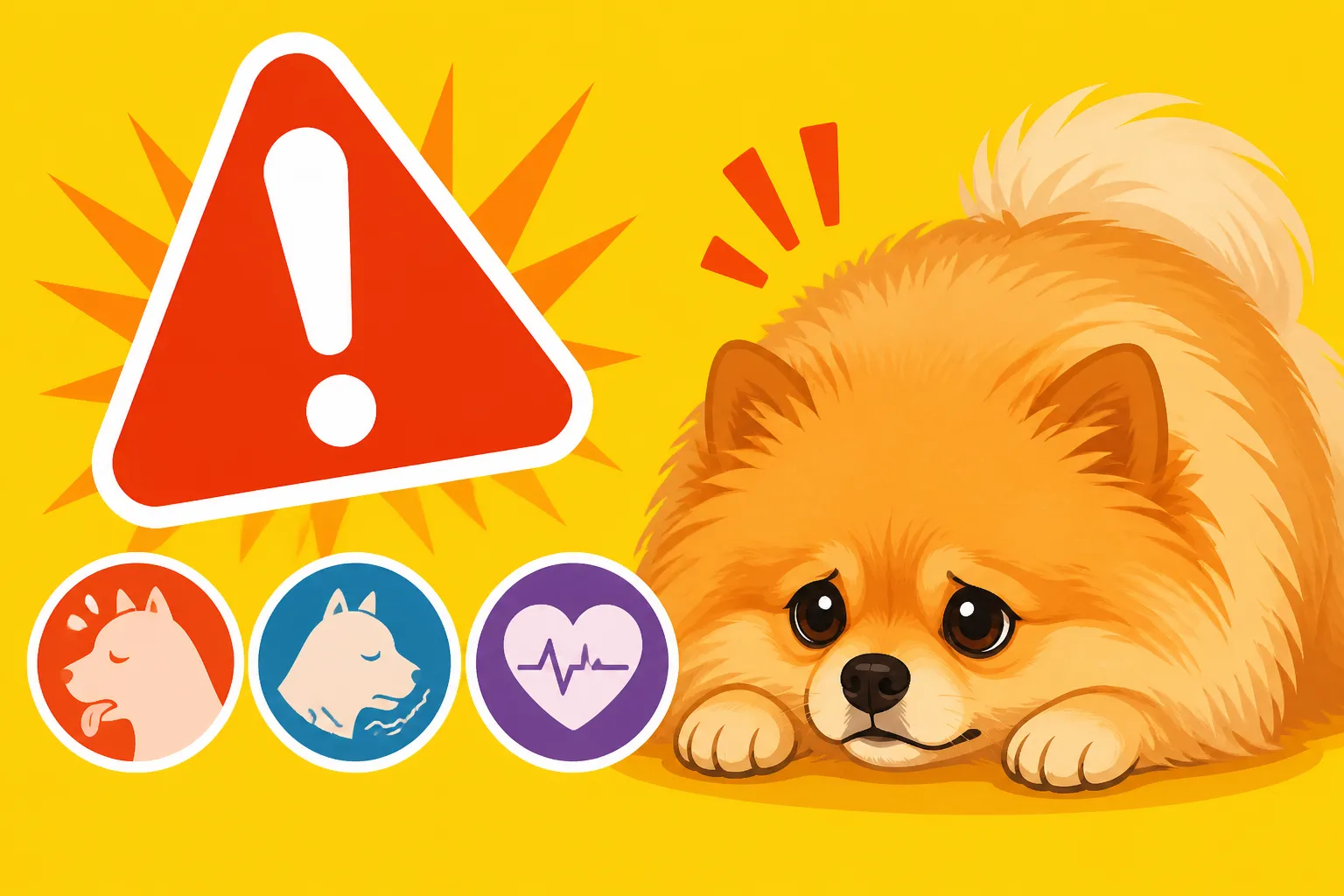
It's absolutely terrifying to see your beloved Pomeranian suddenly seem unwell, or worse, completely collapse. One moment they might be scampering around, a fluffy ball of energy, and the next they're wobbly, disoriented, or even completely unresponsive. This guide is here to shed light on those crucial, often subtle, warning signs that can precede a collapse, helping you understand what to look for and how to react quickly to protect your precious companion.
Why a Pomeranian Might Suddenly Collapse
For such a vibrant and spunky breed, Pomeranians can be surprisingly delicate, and several underlying health conditions can lead to a sudden collapse. It often feels like it comes out of nowhere, but understanding the common culprits can help you recognize subtle cues before a full-blown emergency hits. These little dogs have unique physiological quirks that make them susceptible to certain issues, and it's our job as their guardians to be ever vigilant.
Metabolic Issues Like Hypoglycemia
One of the most common reasons a tiny Pomeranian might experience a sudden dip in energy or even collapse is due to hypoglycemia, or low blood sugar. This is especially prevalent in puppies, particularly those under four or five months old, and smaller adult Poms who might be predisposed or going through a stressful period. Their small bodies have less glycogen (stored sugar) reserves, and if they go too long without eating, or expend too much energy without replenishment, their blood sugar can plummet quickly. It's a scary sight, seeing your energetic little furball suddenly lethargic and weak. Preventing this often involves ensuring you are Feeding a Pomeranian Puppy Often Enough to Stay Safe and that they have access to appropriate, frequent meals.
Respiratory and Cardiac Compromise
Pomeranians, with their compact structure and sometimes overly enthusiastic personalities, are also prone to issues that can impact their breathing and heart function. Tracheal collapse is a significant concern for many small breeds, including Poms. Their windpipes can weaken and flatten, making it hard for air to pass through. A severe coughing fit or over-excitement can trigger a partial collapse, leading to difficulty breathing and, if severe enough, a full collapse. You might notice The Honking Cough of a Pomeranian's Collapsing Windpipe as an early indicator. Similarly, heart conditions, which can sometimes be present from birth like The Heart Defect Found in Pomeranian Puppies, or develop later in life, can compromise their ability to circulate blood efficiently. An older Pomeranian might develop valvular disease, leading to fluid buildup and breathing difficulties.
Neurological Events Such as Seizures
While less common than hypoglycemia or respiratory issues, neurological events like seizures can also cause a Pomeranian to collapse. Seizures in a Pomeranian can manifest in various ways, from subtle tremors and blank stares to full-body convulsions and loss of consciousness. Sometimes, after a seizure, a dog might appear disoriented, wobbly, or even temporarily blind, which could be mistaken for a collapse. Knowing the difference is critical, but both scenarios warrant immediate veterinary attention. These episodes can be frightening for owners, especially if you've never witnessed one before, and it's important to remember that prompt action can make a big difference.
Environmental Factors Like Heatstroke
Given their thick double coats, Pomeranians are particularly susceptible to overheating, which can rapidly escalate to heatstroke. This is a severe and potentially fatal condition where a dog's body temperature rises dangerously high. Poms don't cool down efficiently through panting alone, and their dense fur can trap heat. A prolonged period in hot weather, vigorous exercise on a warm day, or even being left in a car for a short time can quickly lead to heat exhaustion and collapse. Recognizing the early signs of overheating is paramount to preventing a life-threatening situation.
Early Warning Signs You Cannot Afford to Miss
Catching a potential health crisis before it becomes a full-blown emergency is every Pomeranian owner's goal. While a sudden collapse can seem to come out of nowhere, more often than not, our little Poms give us subtle hints that something isn't quite right. Learning to "speak Pom" and paying close attention to their baseline behavior is key. This could save you a frantic, late-night trip to the emergency vet, and even more importantly, could save your dog's life.
Subtle Shifts in Behavior and Energy
One of the earliest indicators that your Pomeranian might be heading for trouble is a change in their usual demeanor. A Pom who is typically a whirlwind of activity, constantly asking for attention or a game of chase, might suddenly become unusually quiet or withdrawn. They might ignore their favorite toys, seem reluctant to engage in play, or sleep more than usual. This isn't just "being tired"; it's a significant deviation from their normal energy levels. You might notice them seeking out cooler, secluded spots, or just generally appearing "off."
Another behavioral cue can be a change in their response to you. A Pomeranian who usually greets you with boundless enthusiasm might offer a weak wag or no reaction at all. They might seem disoriented or confused, bumping into furniture or struggling to find their balance, which can be an early sign of a neurological issue or severe weakness. Pay attention to how they interact with their environment and with you. If their spark seems dimmed, or they’re showing signs of confusion, it’s definitely a red flag. Sometimes, these changes are so subtle you might second-guess yourself, but it's always better to trust your gut when it comes to your dog's well-being.
Physical Indicators and Respiratory Changes
Beyond behavior, physical symptoms offer undeniable clues. Keep a close eye on your Pomeranian's breathing. Is it more rapid than usual, even when they're resting? Are they panting excessively without having exercised? Are they making any unusual noises, like a distinct "honking" sound which could indicate The Sound a Pomeranian Makes When Its Trachea Collapses? Any struggling, open-mouth breathing, or bluish tint to their gums and tongue are emergency signs indicating a lack of oxygen.
Observe their gait and coordination. A slight wobble, a hesitant step, or a "skip" in their movement could indicate weakness or discomfort. If they seem stiff or reluctant to move, particularly if they're usually agile, it's worth investigating. Check their gums: normally, they should be a healthy pink. Pale, white, or overly sticky gums can signal dehydration or anemia. A distended abdomen can also be a worrying sign. Furthermore, excessive drooling or vomiting, especially if it's persistent, can lead to rapid dehydration and weakness, potentially leading to a collapse. A quick check of their mucous membranes can often give you vital information about their circulatory status.
Gastrointestinal and Neurological Clues
Gastrointestinal upset, beyond typical occasional vomiting, can also be a precursor to a collapse, especially in smaller Poms. Persistent diarrhea or repeated vomiting can quickly dehydrate a tiny body, leading to electrolyte imbalances and weakness. If your Pomeranian is struggling to keep food or water down, or is passing very loose stools frequently, their energy reserves will deplete rapidly. It’s not just about a messy clean-up; it’s about their delicate balance.
Neurological signs can be particularly frightening. Beyond the disorientation already mentioned, look for tremors, muscle twitching, or an unsteady head tilt. Some Pomeranians might stare blankly into space, seem unresponsive to their name, or even exhibit unusual aggression or fearfulness that isn't typical for them. These can all be pre-seizure indicators. You might also notice excessive lethargy that they just can't seem to shake. If you have a puppy, being aware of Recognizing a Hypoglycemic Pomeranian involves looking for these kinds of severe lethargy, shivering, and disinterest in food. It's truly heartbreaking to see them so weak, but recognizing these signals empowers you to act.
Acting Fast: What to Do When Warning Signs Appear
Noticing those worrying warning signs is the first crucial step, but what you do next can make all the difference for your Pomeranian. It's a moment when panic can set in, but taking swift, calm, and informed action is paramount. Having a plan in place, even a mental one, can ease the stress and ensure your dog gets the care they need as quickly as possible.
Immediate First Steps at Home
If your Pomeranian is showing significant warning signs, especially severe lethargy, disorientation, or breathing difficulties, the absolute first step is to stay calm. Your anxiety can transfer to your dog, making their situation worse. Gently move them to a safe, quiet, and cool place where they won't injure themselves if they do collapse. If you suspect hypoglycemia, especially in a puppy, offering a small amount of honey, Karo syrup, or maple syrup rubbed on their gums can provide a quick sugar boost. Be careful not to let them choke. This is a temporary measure, not a cure, but it can buy you precious minutes.
For suspected heatstroke, immediately move them to a cool, shaded area. You can gently wet their paws, ears, and groin with cool (not ice-cold) water, or place a cool, damp towel over them. Never immerse them in cold water, as this can cause shock. Offer them small amounts of cool water to drink if they are conscious and able to swallow safely. Limit their movement to prevent further overheating. For any other severe signs, or if these first aid measures don't yield immediate improvement, it's time to contact your vet.
Communicating with Your Veterinarian
As soon as you notice serious warning signs, call your veterinarian immediately. Don't wait for office hours if it's after hours – use their emergency line or head to the nearest emergency animal hospital. When you call, be prepared to describe precisely what you're observing. Be as specific as possible:
- What symptoms are you seeing? (e.g., "rapid panting and blue gums," "disoriented and bumping into things," "refusing to eat and very wobbly").
- How long have these symptoms been occurring?
- Has anything changed recently (food, environment, new medications)?
- What is your Pomeranian's age and any known health conditions (like a history of The Murmur Grade That Worries a Pomeranian Owner)?
The veterinary team will guide you on whether to come in immediately. Often, they'll advise you to head straight to the clinic for an assessment. Having a pet insurance plan like Healthy Paws can provide immense peace of mind during these stressful emergency situations, covering a significant portion of unexpected veterinary bills. Remember, for conditions like Blood Sugar Crashes in a Pomeranian Puppy, immediate veterinary care can be life-saving.
Proactive Care and Prevention
While emergencies can happen, proactive care is your best defense. Regular veterinary check-ups are essential for detecting underlying issues before they become critical. Your vet can listen for heart murmurs, assess their breathing, and discuss breed-specific risks. Staying on top of your Pomeranian's dental health is also crucial, as chronic infections from Dental Disease in a Mouth the Size of a Pomeranian's can stress their system.
Manage their environment carefully. During hot weather, keep your Pom indoors in air conditioning, and limit outdoor activities to early mornings or late evenings. Always provide access to fresh, cool water. For Poms prone to tracheal collapse, a harness is always preferable to a collar to avoid pressure on their windpipe, and it's something many owners invest in early on to avoid future issues. Ensuring they maintain a healthy weight is also vital, as being overweight can exacerbate respiratory and joint issues. If you notice any chronic issues like a persistent cough, it's always worth getting it checked out, as differentiating between Whether a Pomeranian's Cough Is Heart or Trachea is something only a vet can do definitively. Healthy Paws also encourages proactive wellness, often leading to earlier detection of potential problems.
Taking these steps, along with providing a balanced diet and plenty of love, helps ensure your Pomeranian lives a long and happy life, potentially exceeding How Old Pomeranians Get on Average, and certainly helps reduce the likelihood of frightening collapses.
| Warning Sign Category | Specific Symptoms to Watch For | Potential Underlying Causes | Urgency Level |
|---|---|---|---|
| Behavioral | Lethargy, extreme tiredness | Hypoglycemia, illness, pain | High |
| Disorientation, confusion | Hypoglycemia, seizures, heatstroke | High | |
| Loss of interest in play/food | Illness, pain, severe stress | Medium to High | |
| Hiding, unusual withdrawal | Pain, fear, illness | Medium | |
| Physical | Excessive panting, open-mouth breathing | Tracheal collapse, heart failure, heatstroke | Emergency |
| Blue or pale gums | Lack of oxygen, shock, anemia | Emergency | |
| Wobbling, loss of balance | Hypoglycemia, neurological, weakness | High | |
| Tremors, twitching | Seizures, hypoglycemia, poisoning | Emergency | |
| Vomiting, diarrhea (persistent) | Dehydration, severe illness | High | |
| Weakness, inability to stand | Hypoglycemia, shock, severe illness | Emergency | |
| Distended abdomen | Bloat, internal bleeding, organ issue | Emergency | |
| Environmental | Overheating in hot weather | Heatstroke | Emergency |
| Exposure to toxins/poison | Poisoning | Emergency |
Disclaimer
The information provided in this article is for general informational purposes only and is not a substitute for professional veterinary advice. Always consult with a qualified veterinarian for any health concerns or before making any decisions related to your Pomeranian's health and treatment.