Whether a Pomeranian’s Weight Gain Is Thyroid
It’s incredibly frustrating when your beloved Pomeranian starts to pack on the pounds, especially when you’re doing your best to keep them healthy. You might immediately wonder if there’s a deeper medical reason, like a thyroid issue, behind that sudden increase in weight. This comprehensive guide will walk you through the various reasons your Pomeranian might be gaining weight, with a specific focus on understanding if their thyroid could be the culprit, and what steps you can take.
The Common Worry About Pomeranian Weight Gain
Watching your tiny, energetic Pomeranian begin to look a little… rounder… can be a real source of anxiety. These dogs are so delicate and prone to certain health issues that any change can feel significant. You naturally want to rule out anything serious first and foremost.
Why Even a Little Extra Weight Matters for a Pom
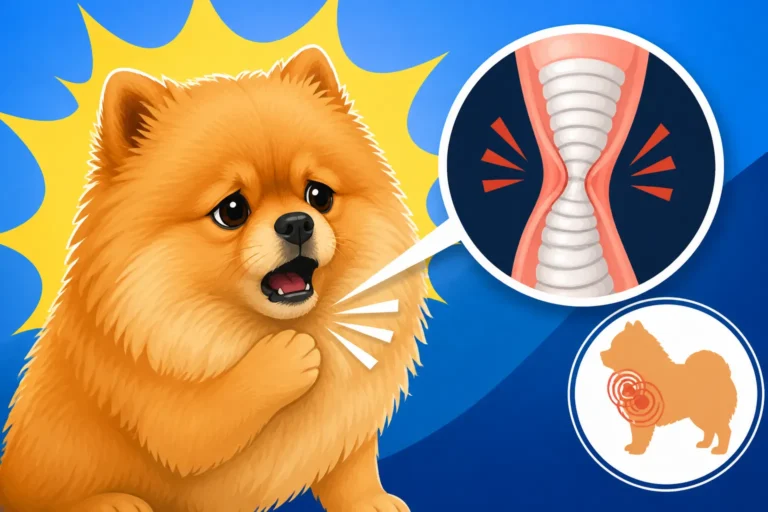
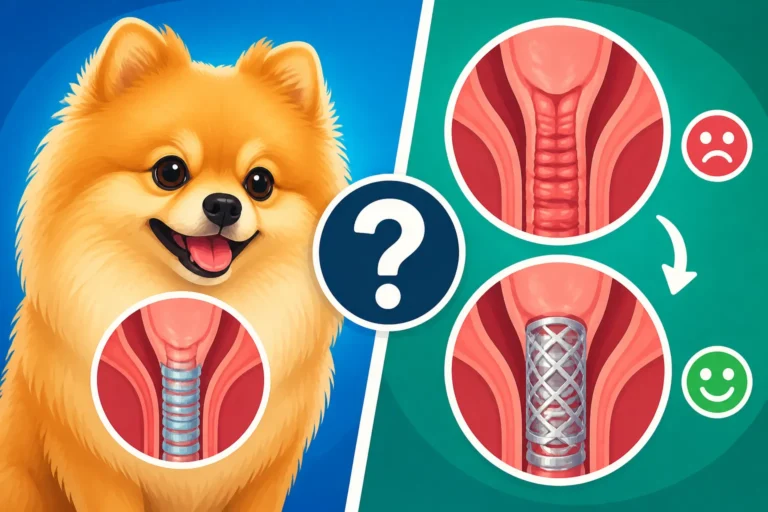
For a dog that typically weighs between three and seven pounds, even a small amount of extra weight can be incredibly impactful. We're not talking about a few extra ounces on a Labrador; for a Pomeranian, gaining just a pound or two is like a human gaining 20 or 30 pounds. This added bulk puts undue stress on their tiny joints, especially their knees, which are already susceptible to conditions like patellar luxation – also known as "Slipping Kneecaps in a Five Pound Pomeranian". Overweight Pomeranians also struggle more with breathing, exacerbating any underlying respiratory issues like the infamous "The Honking Cough of a Pomeranian's Collapsing Windpipe". Their little hearts have to work harder, and their overall agility and zest for life can diminish. It's not just about aesthetics; it's about their quality of life and long-term health. Think about how much harder it is for you to move around with a heavy backpack; it’s similar for a Pomeranian.
Initial Thoughts When Your Pomeranian Puts on Pounds
When you notice your Pom's harness feeling a bit snug or their signature fluffy coat starting to hide a thicker frame, your mind probably jumps to a few common culprits. Is it simply too many treats? Has their exercise routine dwindled? Or, as many owners fear, could it be something more serious like a thyroid problem? It's natural to immediately wonder, "Is this my fault, or is there an underlying medical issue?" This worry is valid because Pomeranians are prone to certain breed-specific health concerns. For instance, sometimes owners notice "The Thinning That Starts on a Pomeranian's Hindquarters" and attribute it to weight, when it could be a coat issue. It’s important to avoid self-diagnosis and instead gather all your observations to discuss with your veterinarian, who can help determine if the weight gain is indeed thyroid-related or due to other factors.
Understanding Hypothyroidism in Pomeranians
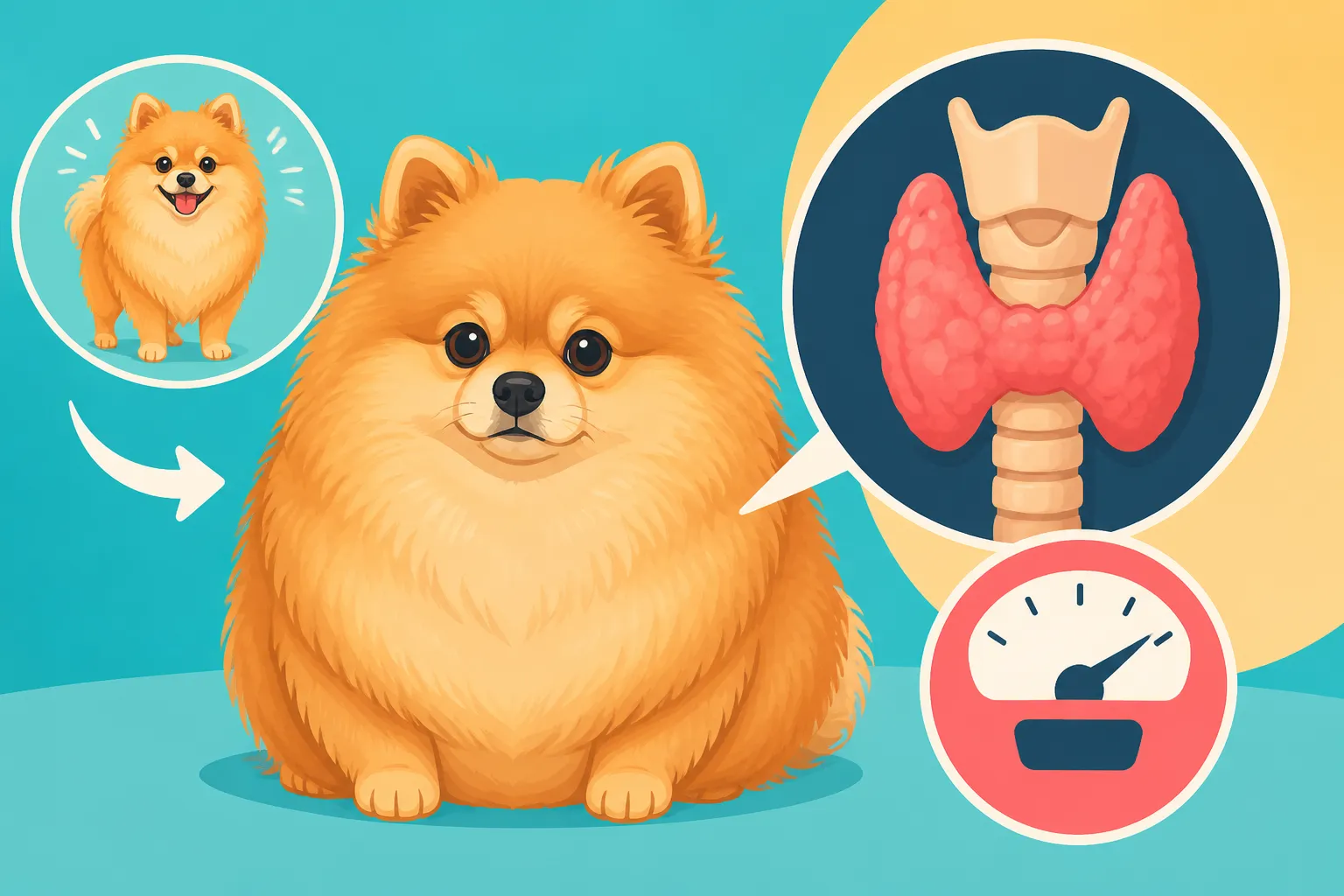
Hypothyroidism is a condition where the thyroid gland doesn't produce enough thyroid hormones, which are crucial for regulating metabolism. While it's not the most common cause of weight gain in Pomeranians, it's definitely one to consider and rule out.
Classic Signs Beyond Just Weight Gain
While weight gain despite no change in diet is a hallmark sign of hypothyroidism, it rarely occurs in isolation. If your Pomeranian truly has an underactive thyroid, you’ll likely see a constellation of other symptoms. These can often be subtle at first and gradually worsen. Beyond the unexplained increase in body weight, look out for lethargy or a general decrease in activity levels – your typically spunky Pom might seem more sluggish and less interested in play. Their beautiful double coat, which is usually their crowning glory, might become dull, dry, brittle, and start to thin, particularly along their flanks or tail. Sometimes, the skin itself becomes dry, flaky, or even hyperpigmented (darkened).
Other signs might include intolerance to cold, meaning they seek out warm spots more often, or even a puffy appearance around their face. Some dogs develop recurrent skin or ear infections, or just seem generally unwell without a clear reason. It's a complex picture, and often, owners attribute these changes to simply "getting old" or a minor skin irritation, unaware they point to a systemic issue. It's important to remember that "A Pomeranian Whose Thyroid Has Slowed" presents with a range of symptoms, not just weight.
The Diagnostic Process for Thyroid Disease
If you suspect hypothyroidism, your vet will start with a thorough physical examination, checking for general health, coat condition, and any palpable abnormalities. The next step typically involves blood tests. The primary test is usually a total T4 (thyroxine) level, which measures the amount of thyroid hormone in the blood. However, T4 levels can be influenced by many factors, including other illnesses or medications, making a single low T4 not always definitive.
To get a more accurate picture, your vet might recommend a full thyroid panel, which often includes a free T4 (fT4) and a TSH (thyroid-stimulating hormone) level. TSH is produced by the pituitary gland to stimulate the thyroid; in a hypothyroid dog, the pituitary gland tries to compensate by producing more TSH, so a high TSH combined with a low T4 and fT4 is often a strong indicator. Sometimes, autoantibodies (TgAA) are also tested, as an autoimmune disease is a common cause of hypothyroidism in dogs. These tests are usually done after a "The Checkup Schedule a Pomeranian Should Keep" is established, as part of routine screenings, or when symptoms warrant it. Your vet might also recommend "Whether a Pomeranian Needs Pre-Anesthetic Bloodwork" if other procedures are planned, which could incidentally reveal thyroid abnormalities. Companies like Healthy Paws can often help cover the costs of these diagnostic tests if your pet is enrolled in a comprehensive pet insurance plan.
Differentiating Thyroid Issues from Other Weight Culprits
It's easy to jump to conclusions about thyroid issues, but often, the cause of weight gain is far simpler. Understanding the other possibilities can help you and your vet narrow down the problem.
Lifestyle Factors: Diet and Exercise
The most common reason for weight gain in any dog, including Pomeranians, is a caloric intake that exceeds their energy expenditure. It sounds straightforward, but it's incredibly easy to overfeed a tiny dog. Those seemingly small treats add up quickly. A single biscuit for a Pomeranian is proportionally much more significant than for a Golden Retriever. Many owners leave food down all day, allowing their Poms to graze, which can lead to overeating. Or, they might be feeding a portion size appropriate for a larger dog, not realizing "How Little Food an Adult Pomeranian Needs". Even switching to a new food with a higher calorie density without adjusting portions can contribute.
On the exercise front, Pomeranians are small and can get a decent workout indoors, but they still benefit from regular walks and playtime. If daily strolls have become less frequent, or if interactive games have dwindled, those calories aren't being burned off. Sometimes, owners carry their Poms a lot, which, while adorable, means the dog isn't doing as much walking on its own four paws. An honest assessment of your Pomeranian's diet and activity levels is usually the first and most crucial step. It's often difficult for owners to admit they might be overfeeding their precious companion, but it's a critical piece of the puzzle.
Other Medical Conditions Mimicking Thyroid Problems
While hypothyroidism is a possibility, several other health conditions can lead to weight gain or symptoms that might initially be mistaken for a thyroid issue. One such condition is Cushing's disease (hyperadrenocorticism), which involves an overproduction of cortisol. Dogs with Cushing's often develop a pot-bellied appearance, symmetrical hair loss (which can be mistaken for the thinning seen in thyroid issues or even "Why Pomeranian Owners Call Alopecia X Black Skin Disease"), increased thirst and urination, and muscle weakness. Diabetes is another condition where dogs might gain weight, especially early on, though it's more commonly associated with weight loss if uncontrolled.
Certain medications, particularly steroids, can also cause increased appetite and fluid retention, leading to noticeable weight gain. Even heart conditions, especially as they progress, can lead to fluid accumulation that manifests as weight gain, though this would typically be accompanied by other severe symptoms like coughing or exercise intolerance. This is why a comprehensive vet exam is so important; your vet can differentiate these conditions based on physical examination and specific diagnostic tests. If you're looking into pet insurance, a provider like Healthy Paws understands these diagnostic complexities and can be invaluable for covering the costs of various tests and treatments for a wide range of conditions.
Practical Steps for Addressing Your Pomeranian's Weight
Whether the cause is simple overfeeding or a more complex medical condition, addressing your Pomeranian's weight is crucial for their overall health and longevity.
Working With Your Vet to Find the Root Cause
The very first and most important step is to schedule an appointment with your veterinarian. Don't try to diagnose or treat your Pomeranian's weight gain on your own. Your vet will conduct a thorough physical exam, review your dog's history, diet, and activity levels, and likely recommend blood work to check for underlying medical conditions like hypothyroidism, Cushing's disease, or diabetes. Be prepared to be honest and detailed about everything your Pom eats – every treat, every table scrap, and the exact measurements of their kibble. It might feel like an interrogation, but it's crucial for an accurate assessment.
They might also recommend urinalysis or other specific tests depending on the clinical signs they observe. If a thyroid issue is diagnosed, treatment typically involves lifelong medication to supplement the missing hormones. This is usually very effective, and you'll see your Pomeranian's energy levels return, their coat improve, and their weight normalize. If it's a different condition like Cushing's, your vet will discuss appropriate management or treatment plans. Remember, a pet insurance policy from a company like Healthy Paws can be a real lifesaver when these diagnostic tests and long-term medications become necessary. They help ensure you can afford the best care for your furry family member without financial stress.
Adjusting Diet and Activity Levels Safely
Once medical causes have been ruled out, or if they are being managed, the focus will shift to diet and exercise. This isn't about drastic measures but consistent, healthy changes. Start by accurately measuring your Pomeranian's food. Your vet can help you determine the ideal daily caloric intake based on their target weight, age, and activity level. You might need to switch to a specific weight management food, which is typically lower in calories but still provides all essential nutrients. "Taking Half a Pound Off a Pomeranian Safely" requires precision and patience.
Cut out all table scraps and limit treats, opting for low-calorie options or even pieces of their regular kibble as rewards. Incorporate more regular, controlled exercise. This could mean two short walks a day instead of one, or engaging in more structured playtime indoors with toys that encourage movement. For a Pomeranian, even 15-20 minutes of active play or walking can make a big difference. Make sure the exercise is appropriate for their size and any other health considerations. For example, high-impact jumping might be discouraged if they have delicate knees. Gradually increasing activity is key to avoiding injury. Consistency is paramount here; small, daily changes will yield the best, most sustainable results.
Here's a quick comparison of common reasons for Pomeranian weight gain:
| Symptom / Factor | Simple Overfeeding/Lack of Exercise | Hypothyroidism | Cushing's Disease |
|---|---|---|---|
| Weight Gain | Common, gradual | Common, often unexplained | Common, pot-bellied appearance |
| Energy Level | Normal to slightly reduced | Markedly reduced, lethargy | Reduced, muscle weakness |
| Coat/Skin Issues | Generally healthy | Dull, dry, brittle coat, hair loss, flaky skin | Symmetrical hair loss, thin skin, dark spots |
| Appetite | Normal to increased | Normal to decreased | Increased |
| Thirst/Urination | Normal | Normal | Increased (Polydipsia/Polyuria) |
| Body Shape | Uniformly heavier | Uniformly heavier, sometimes puffy face | Pot-bellied, thin limbs |
| Other Notable Signs | None | Cold intolerance, recurrent infections | Panting, fragile skin, recurrent infections |
| Diagnosis | Diet/exercise review | Blood panel (T4, fT4, TSH) | Blood/urine tests (ACTH stim, low dose dex suppression) |
Remember, this table is for general information and should not replace a professional veterinary diagnosis. Early intervention, whether for dietary adjustments or medical treatment, is always best for your Pomeranian's health.
Disclaimer
The information provided in this guide is for general educational purposes only and is not a substitute for professional veterinary advice. Always consult with a qualified veterinarian for any health concerns or before making any decisions about your Pomeranian's health or treatment plan.