A Pomeranian Whose Thyroid Has Slowed
It's incredibly disheartening when your vibrant, fluffy Pomeranian starts to seem… different. Maybe they're gaining weight despite no change in diet, or perhaps their glorious double coat is thinning, leaving patches of sparse fur. You might even notice they're just not as energetic as they once were, preferring naps to playtime. These subtle, often confusing changes can leave you worried, wondering if it's just old age or something more serious. This guide will walk you through understanding hypothyroidism in Pomeranians, how it's diagnosed, and the steps you can take to manage it, bringing back that spark in your beloved companion.
Understanding Hypothyroidism in Pomeranians
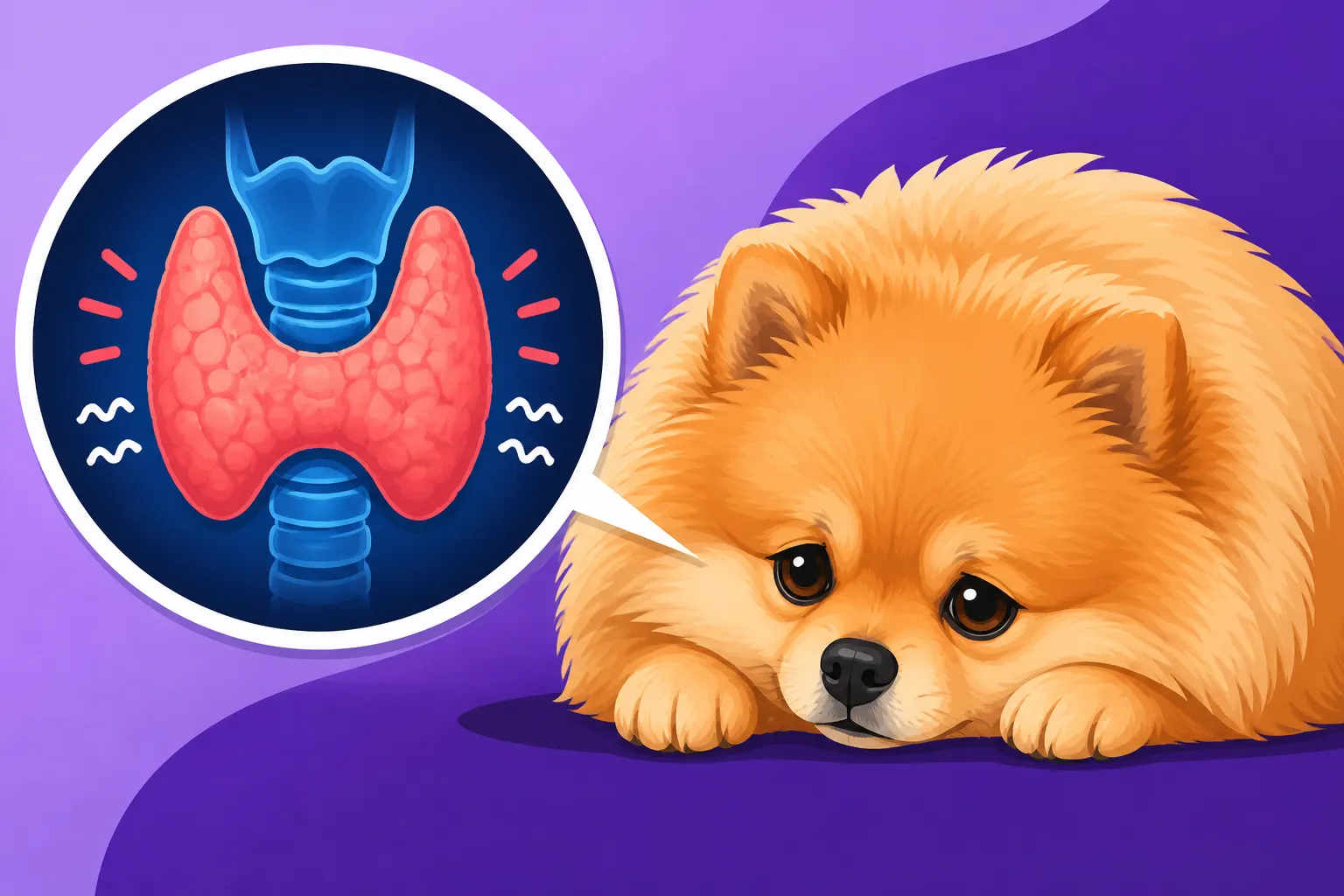
Hypothyroidism is a common endocrine disorder in dogs, and while it might sound scary, it's essentially when your dog's thyroid gland isn't producing enough thyroid hormones. These hormones are critical for regulating metabolism, energy levels, body temperature, and even skin and coat health. When they drop, the effects can be widespread and often mimic other conditions, making it a tricky one to pinpoint without proper veterinary care.
What Hypothyroidism Actually Means for Your Pom
Imagine your Pomeranian's body as a tiny, well-oiled machine. Thyroid hormones are the fuel that keeps everything running smoothly and at the right pace. When there's not enough fuel, the machine slows down. This "slowing down" affects almost every system in their body. Their metabolism drops, meaning they burn fewer calories. Their body temperature regulation can be off, making them feel cold more easily. Their skin cells don't regenerate as quickly, and hair follicles struggle to produce healthy fur. It’s a systemic issue that can gradually erode your dog's quality of life if left unaddressed. Owners often report their once-spunky Poms becoming lethargic, gaining weight, and losing their beautiful coat luster.
Common Signs and Symptoms to Watch For
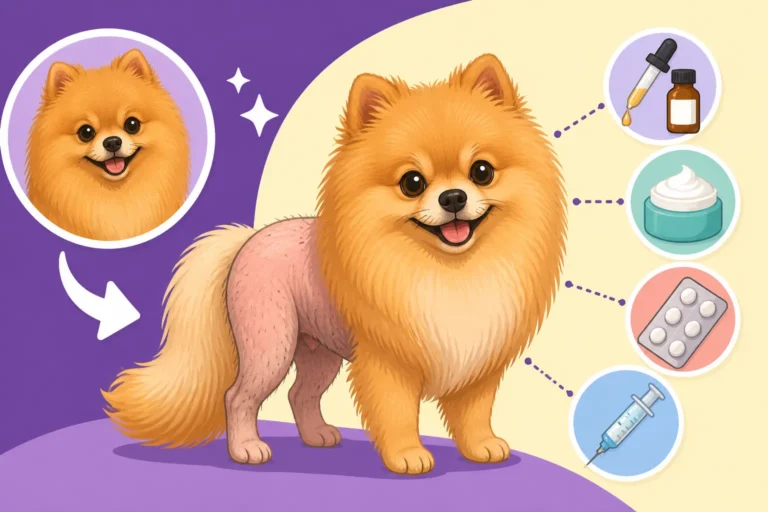
The symptoms of hypothyroidism can be subtle at first, often dismissed as normal aging, which is why it's so important to be vigilant. One of the most common complaints I hear from Pomeranian owners is unexpected weight gain. They swear their Pom isn't eating more, but the pounds are creeping on. This is usually due to a slowed metabolism. Another huge indicator is changes in their magnificent coat. You might notice their fur becoming dull, dry, and brittle, or starting to thin out, especially over their body, sides, and tail. Sometimes, the skin itself becomes flaky, oily, or even darker in patches. This is often described by owners as a "rat tail" or a "puppy uglies" look that never goes away, but it's far more concerning than typical coat changes. If you've ever wondered about whether a Pomeranian's weight gain is thyroid, this is definitely a key area to explore with your vet.
Beyond physical changes, behavioral shifts are also common. Your usually active Pomeranian might become unusually lethargic, less interested in walks or playtime. They might sleep more, seek warm spots, or just seem generally subdued. Some dogs can even develop a "tragic" facial expression due to muscle weakness around the eyes. While less common, some Poms might experience reproductive issues, or even develop an intolerance to cold. These are the signs that really tell us something is off, moving beyond just the first signs a Pomeranian is aging.
Why Pomeranians are Prone to Thyroid Issues
While hypothyroidism can affect any dog, some breeds are more predisposed, and unfortunately, Pomeranians are among them. There's a genetic component at play, meaning it can run in certain lines. Most commonly, it's caused by autoimmune thyroiditis, where the dog's own immune system mistakenly attacks and destroys the thyroid gland. This process can be slow, sometimes taking years before enough of the gland is damaged to cause noticeable symptoms. Other less common causes include idiopathic atrophy (where the gland simply wastes away for unknown reasons) or, very rarely, thyroid tumors.
It's important to remember that hypothyroidism usually develops in middle-aged to older dogs, typically between two and nine years old, though it can appear earlier or later. Knowing this breed predisposition means that if you own a Pomeranian, keeping an eye out for these symptoms and discussing them with your vet during annual check-ups is particularly crucial. Early detection can make a huge difference in managing the condition effectively.
Diagnosing a Slowed Thyroid in Your Pomeranian
When you notice these subtle, unsettling changes in your Pomeranian, your first step should always be a visit to your trusted veterinarian. Diagnosing hypothyroidism isn't always as straightforward as a single test; it often involves a combination of observations, physical exams, and specific blood tests to get the full picture. It's truly a process of elimination sometimes, as many symptoms overlap with other conditions.
The Importance of a Full Veterinary Workup
When you bring your Pomeranian in, your vet will start with a thorough physical examination, checking their weight, coat quality, skin condition, and vital signs. They'll also ask you a lot of questions about any changes you’ve observed in their appetite, energy levels, water intake, and general behavior. This is your chance to really paint a detailed picture of what’s been happening. Don't hold back, even if a symptom seems minor – every detail can be a clue.
Beyond the physical exam, a comprehensive blood panel is usually recommended. This typically includes a complete blood count (CBC) and a biochemistry profile, which can reveal other health issues or provide supporting evidence for a potential thyroid problem. For example, some hypothyroid dogs might have elevated cholesterol levels. This initial workup helps rule out other common issues that could be causing similar symptoms. It's a key part of your Pomeranian's annual checkup schedule, ensuring nothing serious is overlooked.
Interpreting Thyroid Test Results
The definitive diagnosis of hypothyroidism usually comes from specific thyroid hormone tests. The most common and reliable tests measure levels of total T4 (thyroxine) and canine TSH (thyroid-stimulating hormone).
- Low Total T4: A low total T4 level is a strong indicator of hypothyroidism. T4 is the main hormone produced by the thyroid gland. However, T4 levels can also be affected by other non-thyroidal illnesses (like infections or kidney disease) or certain medications (like steroids). This is why interpreting results requires context.
- High Canine TSH: TSH is produced by the pituitary gland in the brain and tells the thyroid gland to make more T4. If the thyroid gland isn't working properly (hypothyroidism), the pituitary will release more TSH in an attempt to stimulate it. So, a high TSH level combined with a low T4 is usually diagnostic for primary hypothyroidism.
Sometimes, your vet might also run a free T4 by equilibrium dialysis (fT4ED), which is considered less affected by non-thyroidal illnesses and can be helpful in ambiguous cases. Because of the nuances in these results, it’s not just about getting the numbers back; it’s about a skilled veterinarian interpreting them in conjunction with your Pomeranian's clinical signs and overall health. Don't be afraid to ask for detailed explanations – understanding your dog's diagnosis is incredibly important.
Ruling Out Other Conditions with Similar Symptoms
This is where it gets a little tricky, and why your vet needs to be thorough. The symptoms of a slowed thyroid can easily be mistaken for other health problems. For instance, weight gain can simply be due to overfeeding, and lethargy can be a sign of many underlying conditions, or even just old age. One major condition that often gets confused with hypothyroidism, especially when it comes to coat issues, is Alopecia X, sometimes known as Black Skin Disease.
For Pomeranians, the hormone disease mistaken for a Pomeranian's alopecia is a frequent diagnostic challenge. While hypothyroidism can cause hair loss and skin changes, so can Alopecia X, which is a cosmetic condition with a different underlying cause and treatment. Your vet will need to differentiate between these two, often by looking at the specific pattern of hair loss, the texture of the skin, and, of course, the thyroid test results. Other conditions like Cushing's disease, certain skin infections, or even severe allergies can present with similar symptoms. This is why a thorough diagnostic process, including ruling out these possibilities, is paramount to ensure your Pomeranian receives the correct treatment.
Managing and Treating Hypothyroidism
The good news about hypothyroidism is that it's typically very manageable once correctly diagnosed. While it's a lifelong condition, treatment is usually straightforward and highly effective, allowing your Pomeranian to regain their energy and that beautiful coat you love.
Lifelong Medication and Monitoring
The cornerstone of treating hypothyroidism is hormone replacement therapy. Your veterinarian will prescribe a synthetic thyroid hormone, typically levothyroxine (L-thyroxine), which is given orally, usually once or twice a day. The dosage will be carefully calculated based on your Pomeranian's weight and the severity of their condition. It's absolutely crucial to administer this medication exactly as prescribed and not to skip doses. This isn't a "sometimes" medication; it's a daily necessity for their well-being.
Within a few weeks of starting treatment, you should begin to notice positive changes. Your Pomeranian's energy levels will likely improve, they might be more engaged, and their appetite might regulate better. Coat regrowth, however, can take longer, sometimes several months, as it's a slower biological process. This is the part that takes patience, but seeing those bald patches start to fill in is incredibly rewarding.
After about 4-8 weeks on the medication, your vet will want to perform a follow-up blood test to check their thyroid hormone levels. This helps determine if the dosage is correct. It's not uncommon for the dosage to be adjusted a few times until the optimal level is found. From there, regular monitoring, usually every 6-12 months, will be needed to ensure the dosage remains appropriate as your Pomeranian ages and their needs change. This ongoing care is vital for their long-term health, and something pet insurance providers like Healthy Paws can assist with, especially for chronic conditions.
Adjusting Diet and Lifestyle for Thyroid Health
While medication is the primary treatment, diet and lifestyle adjustments can certainly complement the therapy and support your Pomeranian's overall health. Since weight gain is a common symptom of hypothyroidism, managing their diet carefully becomes even more important. Work with your vet to determine an appropriate calorie intake and choose a high-quality dog food suitable for their age and activity level. If your Pom gained significant weight, a controlled weight loss plan might be recommended to ease the strain on their joints and cardiovascular system.
Exercise is also key. Even if your Pomeranian has been lethargic, once medication starts to take effect, gently reintroduce regular, moderate exercise. Short, consistent walks are better than sporadic, intense bursts. This not only helps with weight management but also improves their mood and overall physical conditioning. Creating a consistent routine of feeding, medication, and exercise will provide stability and aid in their recovery. You might also want to look into supplements that support a healthy coat and skin, though these should always be discussed with your vet first to ensure they don't interfere with the medication or other aspects of your Pom's health.
The Role of Regular Vet Visits and Bloodwork
I cannot stress enough the importance of regular veterinary visits. Hypothyroidism is a chronic condition that requires continuous management. Beyond the initial diagnostic blood work and follow-up dosage adjustments, ongoing blood tests are essential to ensure your Pomeranian's thyroid levels remain within the therapeutic range. These regular check-ups also allow your vet to monitor for any other health issues that might arise, especially as your Pomeranian gets older.
These visits are also a perfect opportunity for you to ask any questions you have, discuss any new symptoms, or express concerns. Building a strong relationship with your veterinarian is key to navigating any chronic condition. While the cost of a Pomeranian's annual checkup and ongoing bloodwork can add up, it's a vital investment in their health. Consider pet insurance plans, as many, including those from providers like Healthy Paws, can help cover the costs of diagnostics, medication, and ongoing care for chronic conditions like hypothyroidism once the waiting period is met and it's not deemed pre-existing. It gives you peace of mind knowing you can afford the best care for your little fluffball.
Living with a Pomeranian on Thyroid Medication
Once your Pomeranian is on thyroid medication, life usually returns to normal, or even better! You’ll see them become their energetic, fluffy selves again. However, it's important to understand what to expect and how to monitor them for any changes or concerns.
What to Expect During Treatment
The most rewarding part of treating hypothyroidism is witnessing your Pomeranian's transformation. Many owners report a noticeable increase in energy and alertness within a few weeks. Their personality often returns, making them more playful and interactive. Improvements in their coat and skin might take longer, sometimes 2-4 months or even more, but you should see new hair growth, a shinier coat, and healthier skin. The thinning that starts on a Pomeranian's hindquarters or other areas often begins to fill back in. Weight, if it was an issue, should also start to stabilize or decrease with proper diet and exercise.
It's a marathon, not a sprint, but the progress is usually very encouraging. Keep a journal of your observations – energy levels, appetite, coat quality, and even subtle behavioral changes. This can be incredibly helpful data to share with your vet at follow-up appointments, allowing them to fine-tune the treatment plan.
Potential Side Effects and How to Address Them
Levothyroxine is generally very safe and well-tolerated. Side effects are rare, especially once the correct dosage is established. However, if the dosage is too high, your Pomeranian might exhibit symptoms of hyperthyroidism, which is the opposite condition. These signs can include:
- Increased thirst and urination
- Increased appetite leading to weight loss
- Restlessness, hyperactivity, or nervousness
- Panting
- Diarrhea
If you notice any of these symptoms, contact your vet immediately. They will likely recommend another blood test to check the thyroid levels and adjust the medication accordingly. Never change the dosage on your own. It's a delicate balance, and your vet is the best person to make those adjustments. You're working to restore balance, and sometimes that takes a little tweaking.
When to Be Concerned and Seek Emergency Care
While side effects from the medication are rare and usually indicate an incorrect dosage, there are times when you should seek immediate veterinary attention. These are generally not related to the thyroid medication itself but to any acute decline in your Pomeranian's health. For example, if your Pomeranian suddenly becomes extremely weak, collapses, has difficulty breathing, or experiences persistent vomiting or severe diarrhea, these are emergencies that warrant immediate care, regardless of their thyroid condition.
A well-managed hypothyroid Pomeranian should live a full and happy life. However, like any dog, they can still experience other health issues. Knowing when to escalate a concern to emergency care is part of responsible pet ownership. Always trust your gut feeling – if something feels wrong, it's always best to err on the side of caution and contact your veterinarian.
Comparative Overview of Hypothyroidism and Mimicking Conditions
To help visualize the differences between hypothyroidism and other conditions that can present similarly in Pomeranians, here's a helpful table. This isn't a substitute for veterinary diagnosis, but it can help you understand why your vet performs certain tests.
| Feature | Hypothyroidism | Alopecia X (Black Skin Disease) | Cushing's Disease (Hyperadrenocorticism) | General Aging |
|---|---|---|---|---|
| Primary Cause | Underactive thyroid gland (low T3/T4) | Hormonal imbalance affecting hair follicles (often cosmetic) | Overproduction of cortisol by adrenal glands | Natural physiological decline over time |
| Common Age of Onset | Middle-aged to older (2-9 years) | Young to middle-aged adults (1-10 years) | Middle-aged to older (6+ years) | Older age (7+ years) |
| Key Symptoms | Lethargy, weight gain, dull coat, symmetrical hair loss (often sparing head/legs), cold intolerance, sometimes dark skin | Symmetrical hair loss (often on flanks, rear, friction points), darkening of skin, "rat tail" | Increased thirst/urination, pot-bellied appearance, thin skin, muscle weakness, symmetrical hair loss | Decreased energy, graying muzzle, joint stiffness, sensory decline, weight changes |
| Coat/Skin Impact | Dull, dry, brittle coat; slow regrowth; dark, thick skin; "rat tail" | Progressive hair loss; black or dark, dry, leathery skin | Thin skin, poor healing, symmetrical hair loss | General thinning, dullness, or graying of coat |
| Weight Impact | Often weight gain despite normal appetite | No direct weight impact, but can be concurrent | Weight redistribution (pot-belly), increased appetite | Can be weight gain or loss depending on health |
| Behavioral Impact | Lethargy, mental dullness, seeking warmth | Generally no behavioral changes | Increased panting, restlessness | Decreased activity, increased sleep |
| Diagnosis | Blood tests (low T4, high TSH) | Exclusion diagnosis, skin biopsy, specific hormone tests | Blood tests (ACTH stim, low-dose dex suppression), urine test | Clinical signs, ruling out other diseases |
| Treatment | Lifelong oral thyroid hormone replacement (levothyroxine) | Neutering, melatonin, specific shampoos; largely cosmetic | Medication to suppress cortisol, surgery (rarely) | Supportive care, joint supplements, diet adjustments, regular vet checks |
Disclaimer
This article is intended for informational purposes only and does not constitute medical advice. Always consult with a qualified veterinarian for any health concerns or before making any decisions about your Pomeranian's care and treatment. Every dog is an individual, and a proper diagnosis and treatment plan can only be made by a veterinary professional.