Whether a Pomeranian Loses Its Sight With Age
It’s a heart-wrenching thought for any doting Pomeranian parent: watching your beloved furball, once so full of bouncy energy and keen-eyed curiosity, start to bump into furniture or hesitate on familiar stairs. Many of us worry if losing sight is an inevitable part of growing old for our Poms. This guide will delve into what age-related vision changes are common, what conditions might threaten your senior Pomeranian's eyesight, and how you can best support them through these changes.
Understanding Natural Age-Related Eye Changes in Pomeranians
Just like with people, a Pomeranian's eyes aren't immune to the passage of time. As they enter their golden years, typically starting around 8-10 years old, you might notice subtle shifts in their vision. It's not always a dramatic, sudden loss, but more often a gradual decline that can sometimes be confused with other issues.
Gradual Vision Decline Versus Sudden Blindness
For most senior Pomeranians, any vision decline is a slow process. Think of it less like a light switch suddenly flipping off and more like the dimmer switch being turned down very, very slowly over time. They might start to miss a treat thrown a bit too far, or seem a little less confident navigating a new environment. This gradual change allows them to adapt pretty well, relying more on their other senses – their incredible sense of smell and their keen hearing. They’ll start mapping their familiar surroundings by scent and memory.
However, sometimes vision loss can be more abrupt. This is often a sign of a specific underlying condition, which we'll talk about shortly, and it usually warrants immediate veterinary attention. If your Pomeranian suddenly seems disoriented, bumps into everything, or acts distressed, don't just assume it's "old age" – it could be something treatable that requires urgent care. Regular check-ups, as discussed in The Checkup Schedule a Pomeranian Should Keep section of our larger resource, are vital for catching these things early.
Nuclear Sclerosis and the Hazy Look
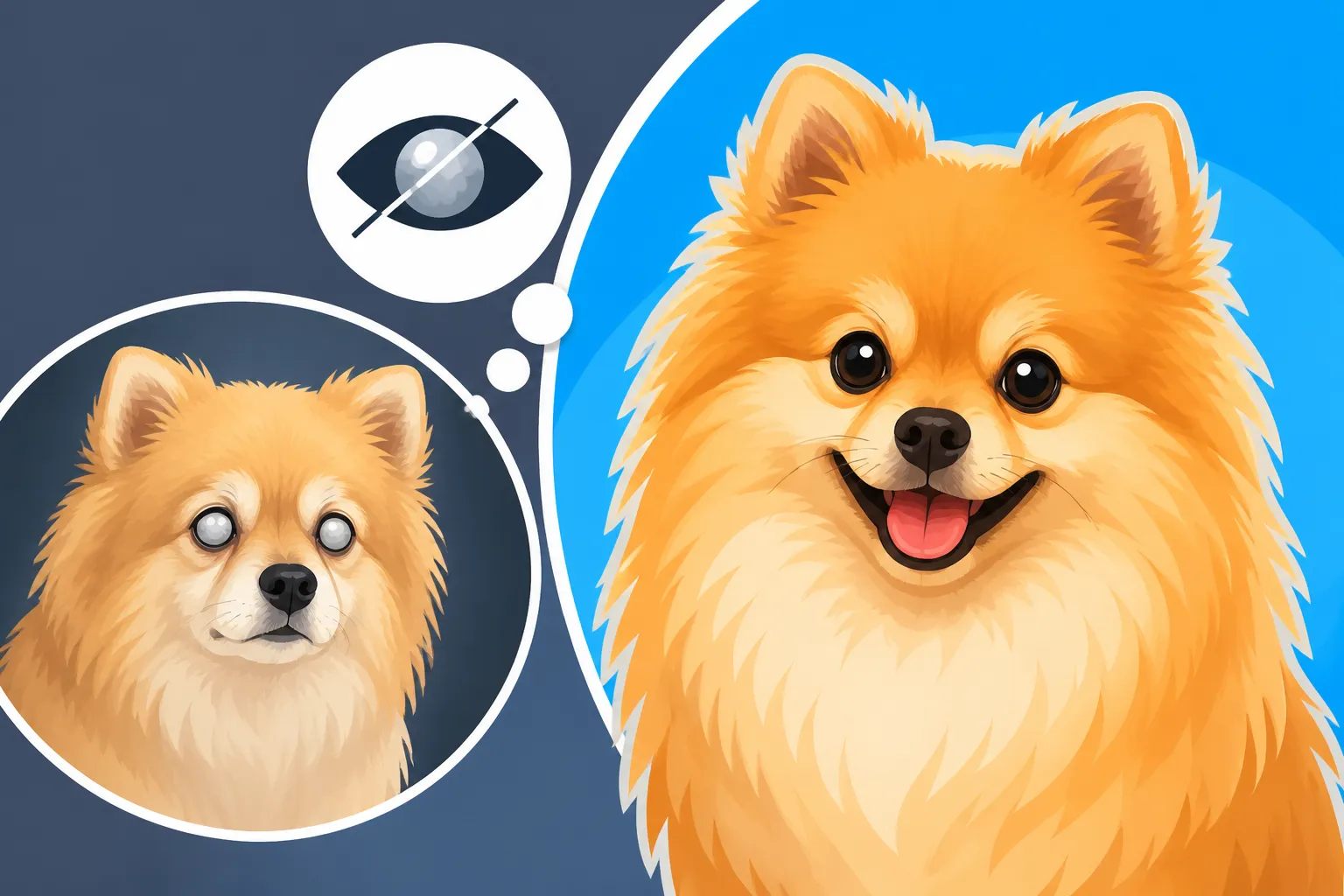
One of the most common and often harmless age-related changes you'll notice in your Pomeranian's eyes is something called nuclear sclerosis. This is when the lens of the eye, which is normally crystal clear, starts to harden and develop a bluish or grayish haze. It looks a lot like cataracts to the untrained eye, but it's typically much less impactful on vision.
Imagine looking through a slightly foggy window rather than a completely painted-over one. Your Pom might still be able to see shapes and movement, especially in bright light, but their vision might be a bit blurrier or less sharp than it once was. Most Poms with nuclear sclerosis adapt perfectly well and continue to live full, happy lives. Your vet can usually differentiate nuclear sclerosis from cataracts during a routine eye exam, often just by shining a light into the eye. It's a common finding in Poms past the age of seven or eight, and typically doesn't require any treatment. It's just a normal part of their Clouding Eyes in a Pomeranian Past Ten experience.
Distinguishing Between Normal Aging and Disease
It's easy to dismiss any changes in an older dog as "just aging," but it's crucial to understand that not all vision loss is benign. While nuclear sclerosis is generally harmless, other eye conditions can be painful, lead to complete blindness, or be indicative of systemic health issues. The key lies in observation and regular veterinary care.
If you notice your Pomeranian squinting, rubbing their eyes, experiencing discharge, redness, or if the cloudiness seems to be rapidly worsening or is accompanied by signs of pain (like avoiding being touched near the head, depression, or loss of appetite), these are red flags. A truly healthy aging process in the eyes usually involves very slow, almost imperceptible changes that don't cause discomfort. Any deviation from this warrants a call to your vet. Don't hesitate to mention specific concerns about your Pom's eyes during their annual or bi-annual wellness exams.
Common Eye Conditions Affecting Senior Pomeranians
Beyond the normal haziness of nuclear sclerosis, there are several more serious eye conditions that can develop in older Pomeranians, leading to significant vision impairment or even blindness. Being aware of these can help you recognize symptoms early and seek timely treatment.
Cataracts in Older Poms
Cataracts are probably the most well-known eye condition and are often confused with nuclear sclerosis. Unlike the general haziness of nuclear sclerosis, cataracts involve an opacity within the lens itself, making it appear white or cloudy. This opacity blocks light from reaching the retina, leading to impaired vision or, in severe cases, complete blindness.
Cataracts in Pomeranians can be hereditary, appear secondary to other diseases like diabetes, or develop as a natural part of aging. While some small cataracts might not significantly impact vision, larger or progressive cataracts can be quite debilitating. If your vet diagnoses cataracts, they might recommend monitoring, or in some cases, surgical removal. Cataract surgery for dogs is specialized but can be very successful in restoring sight. It's an investment, but for many active Poms, it can dramatically improve their quality of life. Veterinary insurance providers like Healthy Paws can often help cover such specialized procedures, depending on your plan and if the condition isn't pre-existing.
Glaucoma: A Painful Threat to Sight
Glaucoma is an extremely serious and painful condition that requires immediate veterinary attention. It occurs when the fluid pressure inside the eye (intraocular pressure) becomes too high. This increased pressure damages the optic nerve, which transmits visual information from the eye to the brain, leading to irreversible vision loss and severe pain.
Symptoms of glaucoma can appear suddenly and include a red, bloodshot eye, cloudiness of the cornea (the clear outer layer of the eye), a dilated pupil that doesn't react to light, squinting, excessive tearing, and obvious pain or discomfort. Your Pomeranian might rub their eye, become withdrawn, or show a reduced appetite. Given how quickly glaucoma can lead to permanent blindness, if you suspect your Pom has it, it's an emergency. Time is literally vision in these cases. Treatment usually involves medications to reduce eye pressure, and in some severe cases, surgery might be considered to preserve comfort, even if sight cannot be restored.
Dry Eye Syndrome and Its Impact
Keratoconjunctivitis sicca, more commonly known as dry eye, happens when a Pomeranian's eyes don't produce enough tears to keep them lubricated and healthy. Tears are vital for washing away debris, nourishing the cornea, and fighting off infection. When tears are insufficient, the eyes become dry, inflamed, and prone to damage.
Symptoms often include a thick, sticky discharge, redness, frequent blinking, squinting, and a dull appearance to the eye. Over time, chronic dry eye can lead to corneal ulcers, pigmentation of the cornea, and even vision loss if left untreated. It’s not uncommon for older Poms to develop this condition. Thankfully, dry eye is often manageable with daily eye drops or ointments prescribed by your veterinarian. Consistency is key with these treatments, as they need to be applied regularly to keep the eyes comfortable and prevent further damage. Early diagnosis and consistent treatment can significantly improve your Pom’s comfort and visual prognosis.
Progressive Retinal Atrophy PRA
Progressive Retinal Atrophy (PRA) is a group of inherited degenerative diseases that affect the retina, the light-sensitive tissue at the back of the eye. In PRA, the photoreceptor cells (rods and cones) in the retina gradually deteriorate, eventually leading to blindness. For many Pomeranians, this is a slow, progressive condition.
Initially, Poms with PRA might experience night blindness, becoming hesitant in dim light or bumping into objects when it's dark. As the disease progresses, their daytime vision also deteriorates. Unfortunately, there is currently no cure for PRA, and treatment focuses on supporting the dog and adapting to their blindness. Genetic testing is available for some forms of PRA, and responsible breeders will screen their breeding stock to avoid passing on this devastating condition. If you notice your Pom struggling in low light, especially as they get older, it's worth discussing this possibility with your vet, who may refer you to a veterinary ophthalmologist.
Here’s a quick overview of common eye conditions in senior Pomeranians:
| Condition | Key Characteristics | Impact on Vision | Pain Level | Treatment/Management |
|---|---|---|---|---|
| Nuclear Sclerosis | Bluish-gray haze in lens, gradual hardening | Mild blurriness, generally low | None | None required, normal aging |
| Cataracts | Opaque clouding of the lens, white or milky | Impaired to complete blindness | None | Surgical removal, monitoring |
| Glaucoma | Increased intraocular pressure, red/cloudy eye | Rapid, irreversible blindness | High | Emergency meds, surgery (if caught early) |
| Dry Eye (KCS) | Insufficient tear production, thick discharge | Can lead to corneal damage, vision loss | Moderate | Daily eye drops/ointments |
| Progressive Retinal Atrophy (PRA) | Degeneration of retinal cells, inherited | Progressive, irreversible blindness | None | No cure, supportive care, genetic testing for breeders |
Recognizing the Signs of Vision Loss in Your Pomeranian
Spotting vision loss in a Pomeranian can be tricky because these resilient little dogs are masters at adapting. Their sharp hearing and powerful sense of smell often compensate for declining eyesight, especially in familiar environments. However, knowing what to look for can help you intervene and provide support sooner.
Behavioral Changes to Watch For
When a Pomeranian starts to lose its sight, their behavior often shifts subtly at first, then more noticeably. You might observe them hesitating before jumping off a familiar sofa, or becoming more reliant on you for guidance during walks. Perhaps they're a little clumsier than before, bumping into furniture they once effortlessly avoided. It's like they've suddenly forgotten the layout of a room they've lived in for years.
They might also become more anxious or startle more easily. A Pom with reduced vision might not see you approach until you're very close, leading to a jumpy reaction. You could notice them becoming more vocal, perhaps barking more or crying out if they feel disoriented, especially in new places or if something in their familiar environment has moved. An old Pomeranian that wanders at night, bumping into things, could be struggling with vision. They might also become less interested in games involving fetching or chasing if they can't track the object. The First Signs a Pomeranian Is Aging can often include these subtle behavioral shifts.
Navigating a Changing Environment
Pomeranians with vision loss rely heavily on their memory of their home's layout. If you suddenly rearrange the furniture, they might become very disoriented, bumping into chairs or walls. You might see them moving more slowly, carefully sniffing their way around, rather than trotting confidently. They might also be hesitant to go outside, especially at night or if the weather conditions (like snow or rain) alter the landscape in a way their other senses can't easily map.
It's a common scenario: a Pom who used to bolt out the back door suddenly stops at the threshold, seeming unsure. This isn't stubbornness; it's often a sign that the visual cues they once used to navigate the transition are gone or too blurry to be reliable. They might also struggle with stairs, either refusing them or misjudging steps. For this reason, ramps are often a godsend for senior Poms, as discussed in Helping an Old Pomeranian Onto the Couch.
The Importance of Regular Vet Check-ups
This cannot be stressed enough: regular veterinary check-ups are crucial for catching eye problems early. During these visits, your vet can perform basic eye exams, check for signs of inflammation, injury, or disease, and measure intraocular pressure if glaucoma is suspected. They can also differentiate between harmless nuclear sclerosis and more serious cataracts.
Think of it as preventive maintenance for your Pom's precious senses. Early detection allows for prompt treatment, which can often save or prolong their sight, and certainly alleviate pain. If you've ever thought, "My Pom's eyes look a bit cloudy," or "They seem to be missing things lately," make a note of it and bring it up with your vet. Don't wait until their vision is severely compromised. A good relationship with your vet, and perhaps considering pet insurance like Healthy Paws, ensures that if specialized care, like a veterinary ophthalmologist referral, is needed, you’re prepared.
Supporting a Pomeranian with Diminishing Eyesight
It can be heartbreaking to watch your Pomeranian struggle with vision loss, but the good news is that with a few adjustments and a lot of love, they can still lead a wonderfully full and happy life. Their other senses are incredibly powerful, and they adapt remarkably well once they learn their new normal.
Creating a Safe and Predictable Home Environment
The single most important thing you can do for a vision-impaired Pomeranian is to keep their environment consistent. Avoid rearranging furniture. If you must move something, do it gradually, or introduce a new obstacle with scent markers (like a drop of essential oil on a new leg of a table) so they can learn its presence. Block off dangerous areas, like stairs, with baby gates or indoor fences. Consider padding sharp corners of furniture that your Pom might bump into.
Make sure their food and water bowls, bed, and favorite toys are always in the same, easily accessible spots. Clear pathways of clutter. Even something as simple as a shoe left in an unusual spot can be a major tripping hazard or cause disorientation for a dog who can't see it. Think about their world from their height and perspective. What would be an obstacle or a confusing change for them?
Maintaining Routine and Familiarity
A predictable daily routine provides immense comfort and security for a Pomeranian with limited vision. Feed them at the same times, take them out for potty breaks on the same schedule, and stick to a consistent walking route. They learn to anticipate events through sounds and smells, and a routine helps reinforce this.
When you approach them, always speak to them softly first so they know you're there and aren't startled. Use consistent verbal cues. Instead of just pointing, say "step up" or "left here." When going outside, always lead them from the same door and follow the same path. Your voice becomes their guiding light, offering reassurance and direction. Keep the familiar textures and smells of their blankets and toys in place, as these sensory anchors help them orient themselves.
Tools and Aids for Vision-Impaired Poms
There are some wonderful products designed to help Poms (and other dogs) navigate life with limited vision. Halo harnesses, for example, have a lightweight hoop that extends around their head, gently bumping into objects before their face does, acting as a bumper system. This allows them to explore with more confidence, reducing painful bumps.
For dogs with profound vision loss, consider using scent markers or different textured mats to designate important areas, such as the location of their food bowl or the door to the outside. A distinctive scent on a towel near their bed, for instance, can help them find their way back. Non-slip mats or runners can also be helpful on slippery floors, as a dog with poor vision might be more hesitant on surfaces where they can't feel secure. And remember, playtime doesn't have to stop! Squeaky toys, scented balls, or crinkly toys engage their other senses, keeping their minds sharp and spirits high. Even something as simple as a strong-smelling treat can make a game of "find it" engaging and fun.
Proactive Care for Lifelong Eye Health
While some age-related vision changes are inevitable, and some conditions are hereditary, there's still a lot you can do throughout your Pomeranian's life to promote optimal eye health and potentially delay or mitigate severe issues. A proactive approach is always the best defense.
Nutritional Support for Eye Health
A balanced, high-quality diet is the foundation for overall health, including eye health. Look for dog foods rich in antioxidants, which can help protect against cellular damage, including in the eyes. Ingredients like blueberries, spinach, and carrots contain vitamins and antioxidants beneficial for vision. Specific supplements, such as those containing Omega-3 fatty acids (like fish oil), lutein, zeaxanthin, and vitamins C and E, are often recommended by veterinarians to support eye health, especially as a Pomeranian ages.
For example, DHA, an omega-3 fatty acid, is crucial for retinal health. Consult your vet before adding any supplements to your Pomeranian's diet, as they can recommend the appropriate dosage and combination based on your dog's individual needs. What's good for the body is generally good for the eyes, and a robust nutritional intake can make a difference in how well your Pom's eyes stand up to the test of time.
Daily Eye Care and Observation
Regular, gentle eye cleaning can prevent irritation and infection, especially for Poms who might be prone to tear staining or excessive eye discharge. Use a soft, damp cloth or a vet-recommended eye wipe to clean around their eyes daily, removing any crust or debris. Be extremely careful not to touch the eyeball itself. This routine also provides a perfect opportunity to closely observe their eyes.
Look for any changes in appearance: redness, cloudiness, excessive tearing, squinting, or a change in pupil size. Pay attention to their behavior: are they rubbing their eyes more, bumping into things, or becoming hesitant? Early detection of any of these signs is critical. Catching something like The Extra Eyelashes That Rub a Pomeranian's Eye early can prevent chronic irritation and more serious issues. If you notice anything unusual, it's always best to consult your veterinarian rather than trying to self-diagnose or treat.
Genetic Screening for Hereditary Eye Issues
For anyone considering breeding Pomeranians, or if you've purchased a puppy, understanding the importance of genetic screening for hereditary eye conditions is paramount. Reputable breeders will screen their breeding stock for conditions like Progressive Retinal Atrophy (PRA) and primary lens luxation, which can be passed down through generations.
Organizations like the Orthopedic Foundation for Animals (OFA) and the Canine Eye Registry Foundation (CERF), now part of OFA's Companion Animal Eye Registry (CAER) program, provide certifications for eye health. These certifications help ensure that dogs with known hereditary eye diseases are not used for breeding, thereby reducing the incidence of these conditions in future generations. If you're looking for a puppy, always ask the breeder about their health testing protocols, especially for eyes, and be sure they can provide documentation. This proactive step helps protect the lifespan and quality of life for your future Pom, aligning with efforts to ensure How Long a Well Bred Pomeranian Actually Lives.
Disclaimer
This article is intended for informational purposes only and does not constitute veterinary advice. Always consult with a qualified veterinarian for any health concerns or before making any decisions about your Pomeranian's care or treatment.