Whether a Pomeranian With Alopecia X Should Be Bred
It’s a heartbreaking sight when your beloved Pomeranian starts losing their beautiful, fluffy coat, especially when the diagnosis points to Alopecia X. Many owners, particularly those who were considering breeding their Pom, are then faced with a difficult and ethically charged question: should a Pomeranian with Alopecia X be bred? This guide will dive deep into understanding this frustrating condition, its genetic implications, and the responsible choices we, as Pomeranian parents, must consider for the health and future of the breed.
Understanding Alopecia X in Pomeranians
Alopecia X, often lovingly, or perhaps resignedly, referred to as "Black Skin Disease" (BSD) by many Pomeranian owners, is a truly perplexing condition that leaves so many of us scratching our heads and clutching our Poms. It’s not just a cosmetic issue; it's a deep-seated problem that speaks to the core of breed health.
What is Alopecia X?
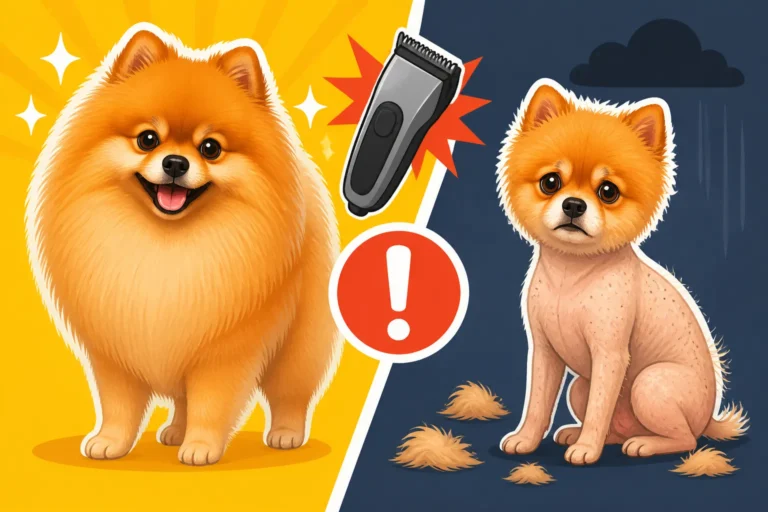
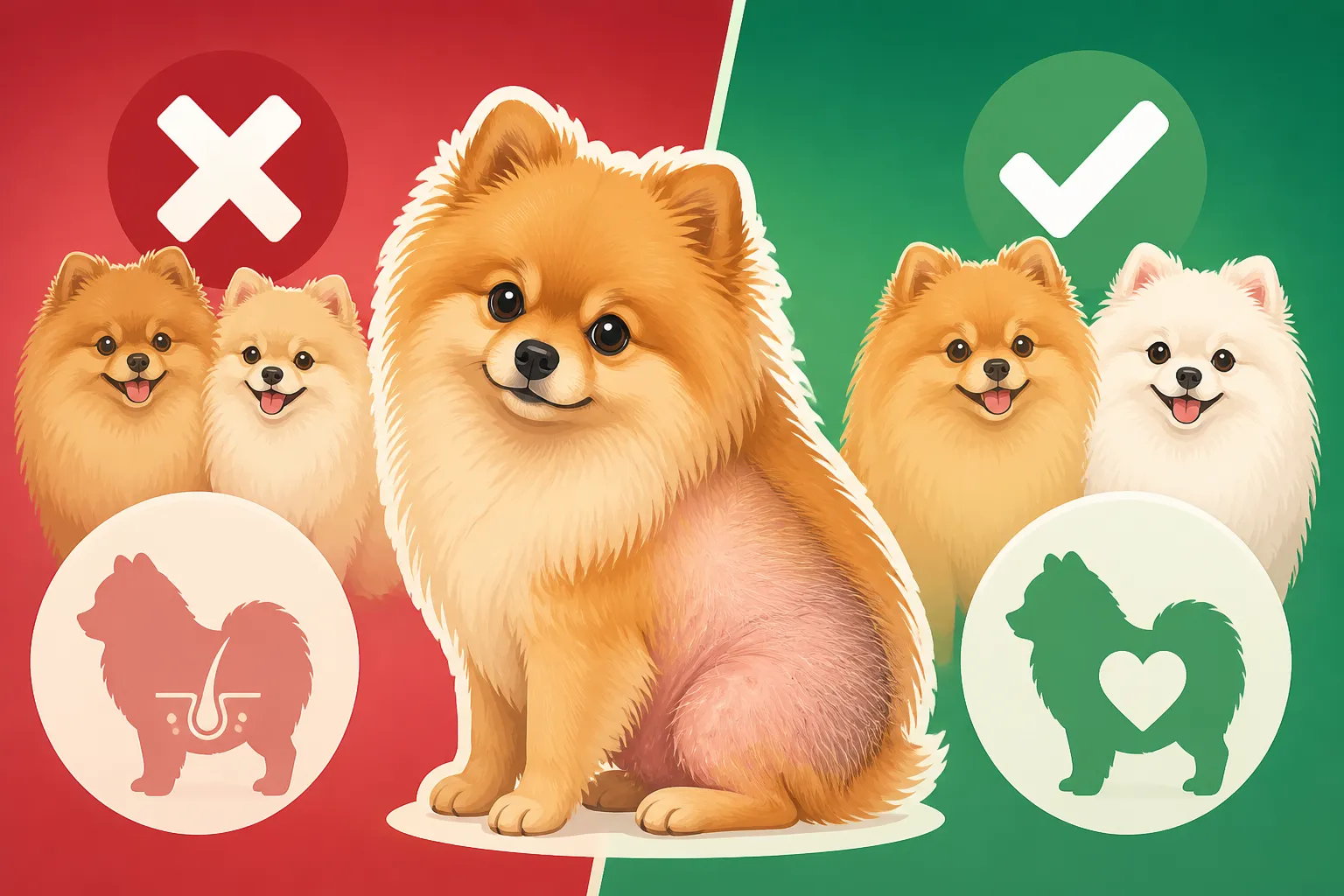
Alopecia X is essentially a fancy name for symmetrical hair loss in Pomeranians and some other Nordic breeds, where the "X" stands for "unknown" because, frustratingly, its exact cause remains largely a mystery. It manifests as a progressive loss of the guard hairs and undercoat, often starting on the hindquarters, tail, and abdomen, eventually spreading to cover most of the body. The skin in affected areas often darkens, thickens, and can become dry or flaky, giving rise to the common term Black Skin Disease and the Pomeranian Coat That Never Returns. While the term "Black Skin Disease" is widely used by owners, veterinary professionals often prefer terms like "Adrenal Hyperplasia-like Syndrome," "Coat Funk," or just "Alopecia X" to reflect the hormonal imbalances sometimes associated with it, even if a direct adrenal cause isn't always proven.
It’s an incredibly disheartening experience to watch your magnificent, plush-coated Pom transform, sometimes quite rapidly, into a dog with sparse, dull fur, or even become completely bald. This isn't just a shedding cycle; it's a permanent change, and for some, the coat may never return, as discussed in Whether a Pomeranian's Coat Grows Back After Alopecia X. The frustration isn't just about aesthetics; it’s about feeling helpless in the face of a condition with no guaranteed cure or definitive cause, leaving us to try various Treatments Tried on a Pomeranian With Alopecia X with varying degrees of success. It’s also important to differentiate Alopecia X from other issues like The Age a Pomeranian's Coat Starts to Thin due to normal aging or other health problems.
The Genetic Link and Heritability
The scientific community, along with dedicated breeders and veterinary dermatologists, widely suspects a strong genetic component to Alopecia X. While the precise mode of inheritance isn't fully understood – it doesn't seem to follow a simple dominant or recessive pattern – the prevalence of the condition within certain bloodlines and the breed itself strongly points to a genetic predisposition. This isn't a random occurrence; it's something embedded in the breed's genetic makeup. We often hear anecdotal stories of multiple siblings or puppies from the same parents developing the condition, leading us to ask, quite naturally, Whether Alopecia X Runs in Pomeranian Lines.
For a breeder, this genetic link presents a monumental ethical challenge. When a dog develops Alopecia X, even if it's not a severe case, it means that dog carries the genetic potential to pass this condition on to its offspring. Breeding such an animal, no matter how wonderful its temperament or other physical traits might be, means consciously or unconsciously contributing to the continuation of a health issue within the breed. It complicates the future of entire lines, as those puppies might then go on to produce more affected Poms. It's a heavy responsibility, considering how much we adore this breed's distinctive appearance.
Diagnosing Alopecia X
Diagnosing Alopecia X isn't always straightforward, and it often feels like a process of elimination, which can be both time-consuming and expensive. Your vet will typically start by ruling out other common causes of hair loss, many of which can mimic Alopecia X. This usually involves a battery of tests, including blood work to check thyroid function, as Ruling Out Thyroid on a Balding Pomeranian is crucial, and to assess adrenal hormone levels. Skin biopsies might also be taken to examine the hair follicles and skin tissue.
Conditions such as hypothyroidism, Cushing's disease, or even severe allergies can present with similar symptoms. It's vital to differentiate these, as their treatments are entirely different. For example, knowing the difference between Telling Alopecia X From Cushing's in a Pomeranian is paramount for correct management. Only after ruling out all other potential causes can a definitive diagnosis of Alopecia X usually be made. This journey to diagnosis can be stressful for owners, incurring vet bills and emotional strain as you try to get answers for your beloved companion. It’s during these times that many owners appreciate the potential support of pet insurance like Healthy Paws, which can help cover diagnostic costs for unforeseen illnesses, although policies vary.
The Ethics and Responsibility of Breeding a Pomeranian with Alopecia X
When we decide to bring a new life into the world, whether human or animal, we take on a profound responsibility. For breeders, this responsibility extends to the health and welfare of the entire breed, not just the individual animals in their care. The decision to breed a Pomeranian with Alopecia X is therefore not one to be taken lightly.
The Impact on Offspring and Future Generations
If a Pomeranian with Alopecia X is bred, there is a very real and significant risk that the genetic predisposition for the condition will be passed down to its puppies. Imagine the joy of a new puppy owner, only to witness their adorable fluff ball gradually lose its iconic coat, sometimes starting relatively early in life. The Age Alopecia X Usually Appears in a Pomeranian can vary, but it’s often in young adulthood, leading to years of potential frustration. This isn't just about a change in appearance; it can lead to skin issues, discomfort, and the emotional toll on owners who are left to manage a condition with no easy answers.
Responsible breeding aims to improve the health and genetic diversity of a breed, reducing the incidence of inherited diseases. By breeding a dog known to carry a predisposition for Alopecia X, even if the condition is mild in the parent, a breeder is essentially contributing to the problem rather than solving it. This perpetuates a cycle of uncertainty and potential heartache for future generations of Pomeranian owners and dogs. Each affected puppy represents a lost opportunity to improve the breed's health.
Maintaining Breed Health Standards
Reputable breeders dedicate themselves to adhering to breed standards, not just in terms of appearance and temperament, but crucially, in health. Breed clubs and ethical guidelines often emphasize screening for known genetic conditions to prevent their spread. When a condition like Alopecia X is clearly inherited, even if the specific genes aren't yet identified, ethical breeding dictates that affected dogs, and often their close relatives, should be removed from breeding programs.
The integrity of the breed depends on these responsible choices. It’s about more than just producing pretty puppies; it’s about producing healthy ones. Diluting the gene pool with known carriers of genetic predispositions runs counter to the very principles of responsible breeding and maintaining the overall health and vitality of the Pomeranian breed. It ensures that the legacy of this wonderful breed is one of robustness, not recurring health challenges.
Financial and Emotional Costs for Owners
Let's be realistic about the practical side of living with a dog with Alopecia X. The journey from initial hair loss to diagnosis can be a long one, involving multiple vet visits, specialized tests, and consultations with dermatologists. These bills can quickly add up. Once diagnosed, managing the condition often involves trying various treatments, from melatonin implants to specialized shampoos and supplements, none of which guarantee full coat regrowth. This can become a significant ongoing expense. While pet insurance companies like Healthy Paws often cover diagnostics and treatments for unexpected illnesses, conditions like Alopecia X might be viewed differently depending on when symptoms first appeared and the specific policy terms. It’s always best to understand your coverage.
Beyond the financial strain, there’s the emotional aspect. Many owners love the quintessential Pomeranian look – that magnificent double coat. When that's gone, it can be deeply upsetting, even if they adore their dog regardless. Owners may face questions or comments from strangers who misunderstand the condition. Moreover, managing skin care, protecting a bald dog from sun and cold, and dealing with potential secondary infections can be a daily commitment. These aren't small burdens to place on unsuspecting new owners. It emphasizes that while Whether Alopecia X Hurts a Pomeranian might be debated (it's primarily cosmetic, but can lead to skin irritation or temperature regulation issues), the impact on the owner is very real.
Alternatives to Breeding for Poms with Alopecia X
Given the genetic implications and the ethical considerations, the most responsible path for a Pomeranian diagnosed with Alopecia X is typically to remove them from a breeding program. This doesn't mean their life is any less valuable or joyful; it simply means their future contributions will be as beloved companions rather than as breeding stock.
Spaying or Neutering as a Responsible Choice
For Pomeranians diagnosed with Alopecia X, spaying or neutering is often recommended as the most responsible course of action. This completely removes the possibility of passing on the genetic predisposition to future generations. From a purely practical standpoint, it also prevents accidental litters, which can further complicate the issue of breed health.
Interestingly, for some dogs, neutering or spaying has even been observed to trigger a partial or full regrowth of the coat in cases of Alopecia X. While not a guaranteed cure, and results vary wildly, it’s a possible side benefit that further supports this responsible decision. It’s worth exploring this aspect further when considering Whether Neutering Triggers Coat Loss in a Pomeranian in general. It also has the added benefit of preventing other health issues like certain cancers or uterine infections.
Focusing on the Dog's Health and Well-being
Once the decision is made not to breed, the focus can shift entirely to ensuring the affected Pomeranian lives the happiest, healthiest life possible. This means managing their Alopecia X, focusing on skin health, and protecting them from environmental factors. Dogs with significant coat loss need special considerations. For instance, Protecting a Bald Pomeranian's Skin From Sun becomes crucial to prevent sunburn and skin damage, requiring specialized sunscreens or even protective clothing. In colder climates, they might need sweaters or coats to help regulate their body temperature, as their natural insulation is compromised.
This holistic approach emphasizes that a dog's worth is not tied to its ability to breed or its perfect appearance. It's about the love, companionship, and joy they bring into our lives. A Pomeranian with Alopecia X can still enjoy walks, play, cuddles, and all the wonderful things that make them cherished family members. Their unique appearance simply adds to their charm, even if it wasn’t what we initially expected.
Supporting Research and Awareness
For owners of Pomeranians with Alopecia X, an alternative and incredibly valuable contribution is to support ongoing research into the condition. This could involve participating in studies, providing detailed health histories to veterinary dermatologists, or contributing to organizations dedicated to canine genetic health. Every piece of information helps researchers piece together the puzzle of Alopecia X, hopefully leading to a clearer understanding of its inheritance patterns and, eventually, more effective treatments or even a cure.
By sharing experiences and raising awareness, owners can also educate others about responsible breeding practices and the realities of living with Alopecia X. This collective effort strengthens the breed community and helps ensure that future Pomeranians are healthier and happier. It allows us to turn a personal challenge into a broader benefit for the breed.
Implications Beyond the Coat
While Alopecia X is primarily a cosmetic condition, it's important not to dismiss its potential broader implications. Sometimes, what looks like Alopecia X can mask other health issues, or the condition itself can lead to secondary problems if not managed correctly.
Understanding the Broader Health Picture
It's absolutely critical that a diagnosis of Alopecia X comes only after a thorough veterinary workup has ruled out other underlying medical conditions. As we discussed, thyroid disease or Cushing's disease can present very similarly to Alopecia X. If one of these conditions is actually present, failing to diagnose and treat it correctly can have far more serious consequences than just hair loss. For example, hypothyroidism can lead to lethargy, weight gain, and other systemic issues that impact a dog's overall health and lifespan. Cushing's disease, involving excessive cortisol production, can also lead to serious health complications if left untreated.
Even once Alopecia X is confirmed, vigilance is still important. The compromised skin might be more prone to infections or other dermatological issues. While Alopecia X itself is not usually life-threatening, a dog's general health should always be the top priority. Responsible pet ownership, especially with a Pomeranian who may face unique health challenges, includes regular vet check-ups and being proactive about any new symptoms. It's not just about the hair; it's about the entire dog. Remember that while a great part of the Pomeranian appeal is The Double Coat That Makes a Pomeranian and Why It Stays On, their health is always more important.
Living with a Pomeranian with Alopecia X
Embracing life with a Pomeranian with Alopecia X means accepting them fully, regardless of their coat. These dogs are just as loving, feisty, intelligent, and spirited as any other Pom. Their personality isn't dictated by the amount of fur they have! In fact, many owners find that a bald Pom develops an even more unique charm and personality, often becoming a conversation starter wherever they go.
The key to a good quality of life for an affected Pom lies in consistent care. This involves protecting their skin from the elements – whether that’s harsh sun in summer or biting cold in winter. Regular moisturizing and special shampoos might be needed to keep their skin healthy and prevent dryness or irritation. It also means educating friends and family about the condition, so your dog isn't subjected to insensitive comments. Ultimately, the bond you share with your Pomeranian transcends their appearance, and focusing on their comfort and happiness ensures they continue to thrive as a beloved family member.
| Aspect of Breeding | Considerations for Alopecia X | Responsible Decision |
|---|---|---|
| Genetic Risk | Strong genetic predisposition exists. | Do not breed. |
| Offspring Health | High likelihood of passing on gene. | Avoid perpetuating condition. |
| Breed Standards | Undermines efforts for healthier lines. | Prioritize breed health over individual dog. |
| Owner Burden | Financial and emotional costs for future owners. | Prevent future heartbreak. |
| Dog's Well-being | Focus shifts to comfort, not breeding. | Spay/neuter and provide loving care. |
Disclaimer
The information provided in this article is for educational purposes only and is not a substitute for professional veterinary advice. Always consult with a qualified veterinarian regarding your Pomeranian's health, diagnosis, and treatment options. Medical decisions should always be made in consultation with a professional.