Whether Alopecia X Hurts a Pomeranian
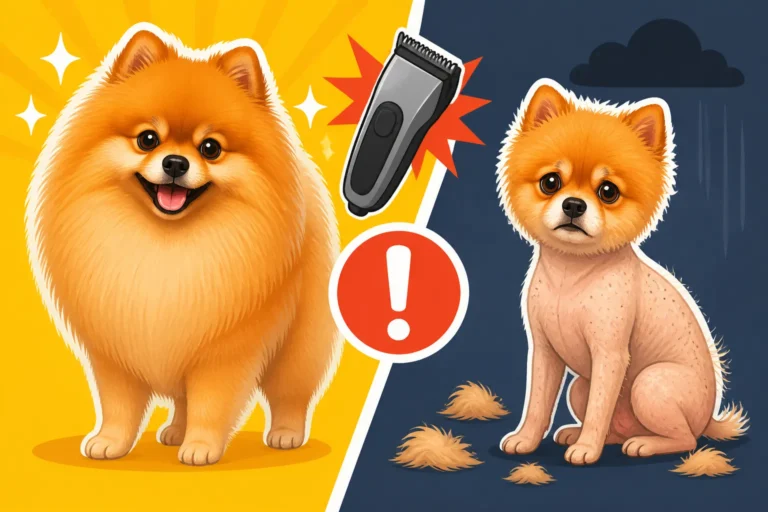
It's incredibly distressing to watch your beloved Pomeranian's beautiful, fluffy coat thin out or even fall away completely, leaving patches of dark, exposed skin. When you see your little companion go through such a dramatic change, it’s only natural to worry if they're in pain or feeling uncomfortable. This guide is here to shed light on Alopecia X, often called Black Skin Disease, and address the very real question of whether this condition causes physical hurt to your precious Pom.
Understanding Alopecia X in Pomeranians
Let's start by demystifying what Alopecia X actually is. It's a condition that can be truly heartbreaking to witness, primarily because of the profound change it brings to your Pomeranian's appearance.
What Exactly is Alopecia X?
Alopecia X, known by many names like Black Skin Disease (BSD), coat funk, pseudo-Cushing's syndrome, or follicular dysplasia, is a dermatological condition that causes progressive hair loss and often a darkening of the skin. For us Pomeranian owners, it's one of the most common and frustrating coat issues we can encounter. The "X" in Alopecia X simply means "unknown cause," reflecting that it's not fully understood, though genetic predisposition in breeds like Pomeranians is widely accepted.
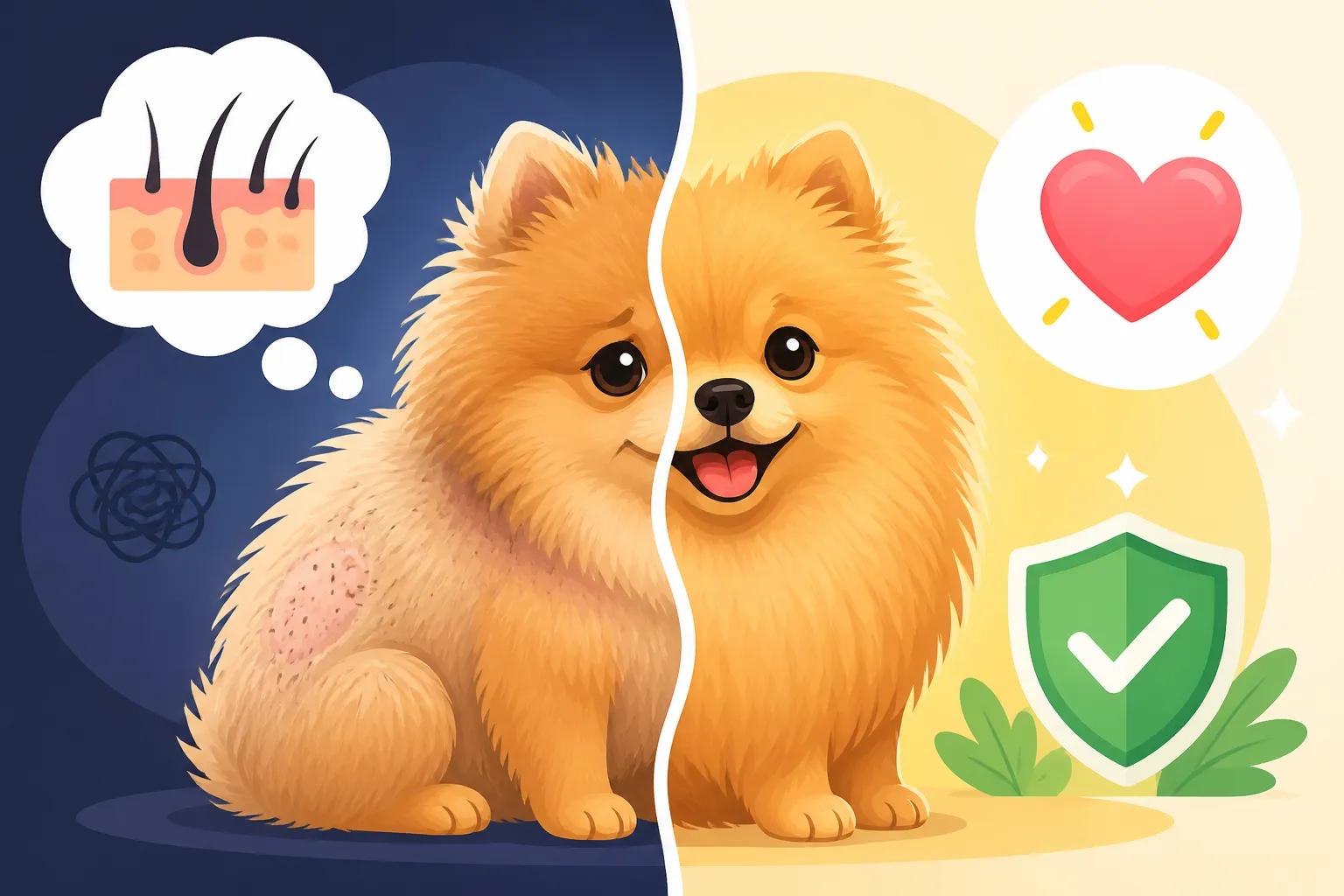
The crucial thing to understand from the outset is that Alopecia X, in and of itself, is a cosmetic condition. It's not a painful disease like an infection or an injury. The process of hair loss, while visually alarming, doesn't inherently cause your Pomeranian physical discomfort. Think of it like male pattern baldness in humans – it changes appearance, but it doesn't hurt. However, this doesn't mean your Pom is completely immune to discomfort if the condition isn't managed well. Owners often worry, "What is Alopecia X and why do Pomeranian owners call it Black Skin Disease?" The name really comes from the visible changes that occur in the skin as the hair disappears.
The Physical Manifestations Beyond Hair Loss
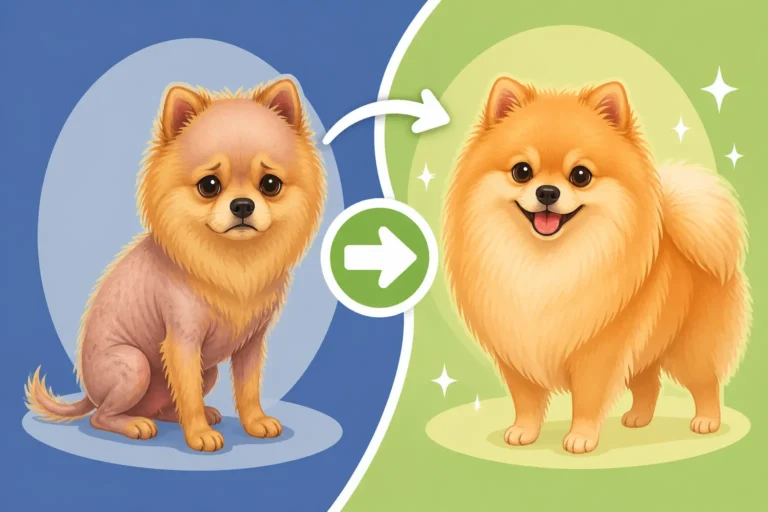
While the hallmark of Alopecia X is indeed the hair loss, the condition brings with it other changes that can affect your Pomeranian's well-being. Typically, you might first notice The Thinning That Starts on a Pomeranian's Hindquarters or around the neck and flanks. The coat can become thin, brittle, and eventually fall out in patches, sometimes leading to complete baldness over large areas of the body, sparing only the head and legs in many cases.
Once the fur is gone, the underlying skin becomes visible, and this is where the "black skin disease" aspect comes in. The exposed skin often undergoes hyperpigmentation, meaning it darkens significantly, sometimes turning completely black. This is a common and defining feature of the condition, giving it one of its most common nicknames. The skin might also change in texture, becoming dry, scaly, or even greasy to the touch. It's these secondary skin changes, not the primary hair loss, that can potentially lead to problems for your Pomeranian. Understanding The Age Alopecia X Usually Appears in a Pomeranian can help you recognize and address symptoms early.
Direct Pain and Discomfort from Alopecia X
It's a huge relief for many owners to learn that the process of losing hair due to Alopecia X isn't inherently painful for their Pomeranian. However, the lack of a protective coat can certainly open the door to other problems that do cause discomfort.
Is the Hair Loss Itself Painful?
Let's be very clear: the act of hair falling out or not regrowing due to Alopecia X does not hurt your Pomeranian. It's not like the hair is being pulled or painfully shed. The hair follicles simply become inactive, ceasing to produce hair or producing only very fine, sparse hairs that eventually fall out. Your Pom isn't experiencing pain during this process. Their fur isn't being plucked or ripped; it's simply not growing.
This often comes as a great comfort to owners who are picturing their dog in agony. The cosmetic impact is significant, and it’s natural to project human feelings onto our pets, but for Alopecia X, the baldness itself isn't a source of pain. The distress you might feel seeing their altered appearance isn't mirrored by physical pain in your dog from the hair loss itself. The true concern comes from what happens after the hair is gone.
Secondary Issues That Can Cause Discomfort
While Alopecia X itself doesn't cause pain, the loss of that magnificent double coat leaves your Pomeranian's skin vulnerable, and this vulnerability can lead to conditions that are definitely uncomfortable, and sometimes outright painful.
One of the most immediate concerns for a bald Pomeranian is sunburn. Their exposed skin has no natural protection from harmful UV rays, just like human skin. A severe sunburn can be quite painful, leading to redness, blistering, and peeling, much like what you'd experience. This is a very real source of potential discomfort, especially for Pomeranians living in sunny climates or those who spend a lot of time outdoors. It's why Protecting a Bald Pomeranian's Skin From Sun becomes an essential part of daily care.
Beyond sunburn, the unprotected skin is also more susceptible to dryness, flakiness, and irritation. Without the insulating and protective layer of fur, environmental irritants, changes in humidity, and even friction can cause the skin to become compromised. This can lead to persistent itching, which your Pomeranian might try to relieve by scratching, licking, or rubbing. This incessant scratching can then lead to further skin damage, open sores, and introduce bacteria, creating a vicious cycle of irritation and secondary problems.
Which brings us to skin infections. When the skin barrier is compromised by dryness, irritation, or minor abrasions from scratching, it becomes an open invitation for bacteria or yeast to take hold. These secondary infections can be very uncomfortable, causing intense itching, redness, inflammation, pustules, and a foul odor. If left untreated, they can become quite painful for your Pomeranian. Such infections require veterinary attention and appropriate medication to resolve. Sometimes, a Pomeranian with Alopecia X might also have underlying skin allergies, which can significantly worsen the itching and discomfort, making it harder to manage. These are the aspects where Alopecia X indirectly hurts a Pomeranian, through its complications.
Managing Discomfort and Supporting Your Pomeranian
The good news is that with proper care and attention, you can prevent or alleviate most of the secondary discomforts associated with Alopecia X, ensuring your Pomeranian lives a comfortable, happy life.
Veterinary Diagnosis and Treatment for Skin Health
The first and most crucial step is getting an accurate diagnosis from your veterinarian. It’s important to rule out other conditions that can cause similar hair loss and skin changes, such as hypothyroidism or Cushing's disease, both of which can be managed with specific treatments. Your vet might recommend tests like blood panels to check thyroid function, adrenal hormone levels, or even skin biopsies. For example, Ruling Out Thyroid on a Balding Pomeranian is a key diagnostic step, as is differentiating it from other hormonal imbalances; it's important to understand Telling Alopecia X From Cushing's in a Pomeranian.
Once Alopecia X is confirmed, the treatment plan will largely focus on managing skin health and preventing secondary issues. This can involve:
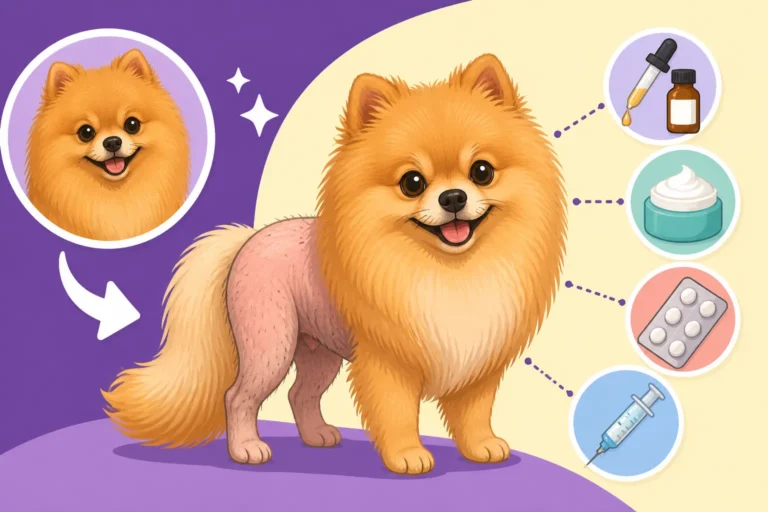
- Medicated Shampoos and Conditioners: These can help control bacterial or yeast overgrowth, soothe irritated skin, and provide much-needed moisture. Your vet might prescribe specific products to use.
- Moisturizers: Regular application of pet-safe topical moisturizers or sprays can combat dryness and flakiness, making your Pom feel much more comfortable.
- Antibiotics or Antifungals: If a secondary infection is present, your vet will prescribe appropriate oral or topical medications to clear it up.
- Melatonin Supplementation: Some owners find success with melatonin, which can sometimes stimulate hair regrowth in affected areas. However, its effectiveness is variable and not guaranteed for every dog. You can learn more about Whether Melatonin Regrows a Pomeranian's Coat.
- Neutering/Spaying: In some cases, especially with intact males, neutering can lead to partial or complete coat regrowth. This is thought to be due to changes in hormone levels. Exploring Whether Neutering Triggers Coat Loss in a Pomeranian can provide valuable insights.
Your veterinarian is your best partner in navigating these options and tailoring a treatment plan specific to your Pomeranian's needs. While Alopecia X itself isn't life-threatening, the costs associated with managing secondary infections, specialty vet visits, and medications can add up quickly. Having a robust pet insurance plan like those offered by Healthy Paws can provide immense peace of mind, ensuring you can always afford the best care for your beloved Pom without financial stress.
Home Care and Environmental Considerations
Beyond veterinary treatments, your daily home care routine plays a massive role in keeping your Pomeranian comfortable.
- Sun Protection: This is paramount. If your Pom spends time outdoors, even for short periods, they need protection. Consider lightweight, breathable dog clothing, like a doggy T-shirt or a full-body "PJs for Poms" onesie. You can also use pet-safe sunscreens on areas that remain exposed, such as the nose and ear tips.
- Moisture Management: Regularly bathing your Pomeranian with a gentle, moisturizing dog shampoo can help keep their skin hydrated. Follow up with a good conditioner or leave-in moisturizing spray. In dry environments, using a humidifier indoors can also benefit their skin.
- Temperature Regulation: Without their thick double coat, Pomeranians with Alopecia X are much more susceptible to temperature extremes. In cold weather, provide sweaters or jackets when outdoors, and ensure their indoor environment is warm and draft-free. Conversely, in hot weather, they can overheat more easily, so ensure they have access to shade, cool water, and don't spend too long in direct sun.
- Soft Bedding: Provide soft, comfortable bedding to protect their sensitive, exposed skin from pressure points and rough surfaces. Orthopedic beds can be especially beneficial for older Poms.
- Dietary Support: While diet won't cure Alopecia X, a high-quality diet rich in omega-3 and omega-6 fatty acids can support overall skin and coat health. Supplements containing fish oil or flaxseed oil can be beneficial. Discussing Supplements That Support a Pomeranian's Skin with your vet can help you choose the right ones. Remember, these are supportive, not curative.
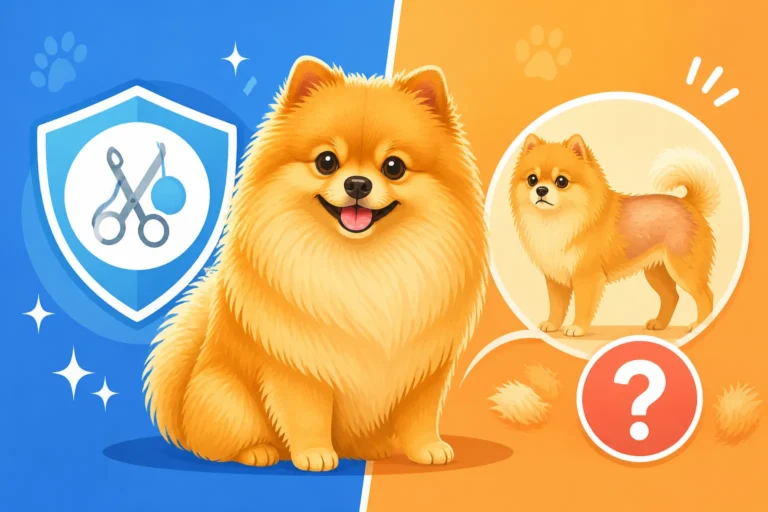
- Gentle Grooming: Even without a full coat, your Pom still needs gentle grooming. Be very careful when handling their sensitive skin. Avoid harsh brushing or anything that could cause abrasions. Focus on gentle cleansing and moisturizing. You might consider learning What a Full Pomeranian Groom Includes for Poms with sensitive skin.
These preventative and supportive measures are key to ensuring your Pomeranian remains free from the discomforts that can arise from their compromised skin barrier. When considering coverage for ongoing care, Healthy Paws is a popular option that many pet parents explore for conditions that require consistent management.
Emotional Support for Your Pomeranian and Yourself
It’s completely understandable to feel sad or concerned about your Pomeranian's altered appearance. Many owners grieve the loss of that iconic fluffy coat. However, it's vital to remember that your dog doesn't care what they look like. They thrive on your love, attention, and consistent care. Your Pomeranian is still the same spirited, affectionate companion they always were, regardless of how much fur they have.
Focus on ensuring their physical comfort and continuing to provide them with a happy, enriched life. Play their favorite games, go for walks (with appropriate skin protection, of course!), and shower them with affection. Your positive attitude will reflect in their happiness. If you are struggling with the emotional aspect, remember you're not alone, and there are online communities of other Pom owners who understand and offer support. Pet insurance, such as Healthy Paws, can also ease the mental burden of unexpected veterinary costs, allowing you to focus purely on your dog's well-being.
Long-Term Outlook and Quality of Life
One of the biggest reassurances for owners dealing with Alopecia X is that it does not typically affect a Pomeranian's lifespan or overall health, provided secondary conditions are properly managed.
Living a Full Life with Alopecia X
Pomeranians with Alopecia X can and do live long, full, and happy lives. The condition itself is not life-threatening. The most critical aspect of ensuring a good quality of life for your affected Pom is diligent management of their skin health. This means preventing sunburn, keeping their skin moisturized, and swiftly addressing any signs of secondary bacterial or yeast infections.
Regular veterinary check-ups are incredibly important to monitor their skin, catch any issues early, and adjust their care plan as needed. With consistent, loving care, your Pomeranian can continue to be the vibrant, charming companion you know and love, for many years to come. In fact, many Pomeranians with Alopecia X live to a ripe old age, potentially seeing out The Twelve to Sixteen Years a Pomeranian Lives or even longer, proving that the condition doesn't hinder their vitality. The focus should always be on their comfort and happiness, regardless of their coat. Knowing How Long a Well Bred Pomeranian Actually Lives can help put things in perspective.
When to Seek Immediate Veterinary Attention
While Alopecia X is not an emergency, there are specific signs that indicate your Pomeranian is experiencing discomfort or has developed a secondary issue that requires prompt veterinary attention. Do not hesitate to contact your vet immediately if you observe any of the following:
- Excessive Licking, Chewing, or Scratching: This is a clear sign of persistent irritation or itchiness.
- Redness, Swelling, or Inflammation of the Skin: These can indicate an active infection or severe irritation.
- Open Sores, Scabs, or Pustules: These are definitive signs of infection or severe skin damage.
- Strong, Foul Odor from the Skin: Often indicative of a bacterial or yeast infection.
- Lethargy, Loss of Appetite, or Fever: These are systemic signs that your Pomeranian isn't feeling well and could have a more serious infection or underlying issue.
Remember, these symptoms are usually due to complications of Alopecia X, not the disease itself. Addressing them quickly will prevent your Pomeranian from experiencing unnecessary pain and ensure their continued well-being. Keeping an eye on their skin is a small price to pay for a lifetime of cuddles and companionship, and a good pet insurance policy like Healthy Paws can truly be a lifesaver if these unexpected health concerns arise.
| Aspect | Alopecia X Itself (Direct) | Secondary Conditions (Indirect) |
|---|---|---|
| Pain/Discomfort | No, primarily cosmetic | Yes, can range from mild irritation to significant pain |
| Primary Symptom | Hair loss, skin darkening (usually) | Itching, redness, inflammation, sores, odor, fever |
| Impact on Lifespan | None | Can lead to chronic skin issues if untreated, but not fatal |
| Management Focus | Cosmetic, general skin health | Treating infections, soothing irritation, preventing future issues |
| Urgency of Care | Routine veterinary monitoring | Immediate veterinary attention if signs of pain/infection |
Disclaimer
The information provided in this article is for general informational purposes only and is not intended as a substitute for professional veterinary advice. Always consult with a qualified veterinarian for any health concerns or before making any decisions related to your pet's care.