Supplements That Support a Pomeranian’s Skin
It can be incredibly frustrating to watch your beloved Pomeranian scratch and lick at their skin, or to notice their once-fluffy coat looking dull, dry, or even patchy. You try everything – special shampoos, diet changes, avoiding allergens – but sometimes the problem persists, leaving you wondering if there's something more you could be doing from the inside out. This guide will delve into various supplements that can support your Pomeranian's skin health, helping you understand their benefits and how to potentially incorporate them into your little one's routine.
Understanding Common Pomeranian Skin Woes
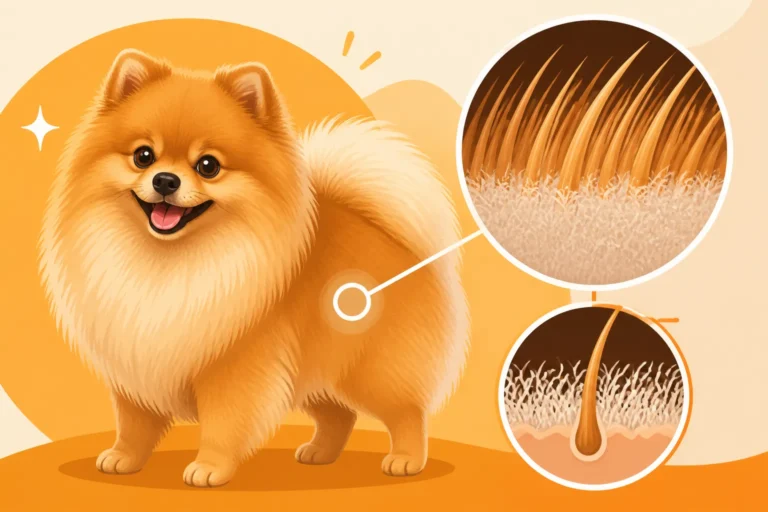
Before we dive into specific supplements, let's acknowledge that Pomeranians, with their magnificent double coats and sometimes delicate systems, can face a unique set of skin challenges. It’s not just about aesthetics; skin issues often lead to discomfort, itching, and even infections if left unaddressed. You might be seeing anything from excessive shedding beyond their normal coat blow seasons, to dry flaky skin, hot spots, or even signs of Alopecia X. These visible signs are often indicators that something deeper, perhaps related to nutrition or internal balance, needs attention.
Many owners feel helpless when their vet has ruled out common allergies or parasites, and they’re still left with a dog who isn't comfortable in their own skin. It's a journey of trial and error for many of us, and understanding how supplements can play a supporting role is a vital part of that journey. Remember, while supplements can be incredibly beneficial, they are just one piece of a larger wellness puzzle that includes a balanced diet, proper grooming, and regular vet check-ups. The Double Coat That Makes a Pomeranian and Why It Stays On is a lot to maintain, and healthy skin is the foundation of that coat.
The Role of Diet in Skin Health
You know the saying, "you are what you eat," and the same absolutely applies to our Pomeranians. A high-quality, complete, and balanced diet is the cornerstone of overall health, including vibrant skin and coat. If your Pom isn't getting adequate nutrition from their regular meals, supplements might be trying to fill a Grand Canyon-sized gap rather than simply providing a boost.
Many commercial dog foods, even premium ones, might lose some nutrient potency during processing, or simply not have enough of certain beneficial compounds to truly optimize skin health for every individual dog. This is where supplements come in, acting as a targeted support system. Sometimes, even if you’re feeding a top-notch kibble, your Pomeranian might have higher individual needs for certain nutrients due to genetics, age, or environmental factors. It's not a reflection on your feeding choices, but rather an acknowledgment that every dog is unique. Considering options like fresh food providers such as Ollie, or carefully selected high-quality kibble available on Chewy, can be a great starting point for foundational nutrition.
Omega Fatty Acids: The Foundation for Healthy Skin
When you talk about skin and coat health, omega fatty acids are almost always the first thing that comes up, and for good reason! They are absolutely crucial for maintaining the integrity of your Pomeranian's skin barrier, reducing inflammation, and promoting a healthy, shiny coat. Think of them as the internal moisturizer and anti-inflammatory agents for your dog's largest organ.
The primary omega fatty acids we're talking about are Omega-3 and Omega-6. While both are important, Omega-3s often get the most attention for skin health because of their powerful anti-inflammatory properties. Many commercial dog foods have a higher ratio of Omega-6s, which, while necessary, can be pro-inflammatory if not balanced with enough Omega-3s. This imbalance can sometimes contribute to itchy, dry skin and dull coats.
Fish Oil: A Potent Source of Omega-3s
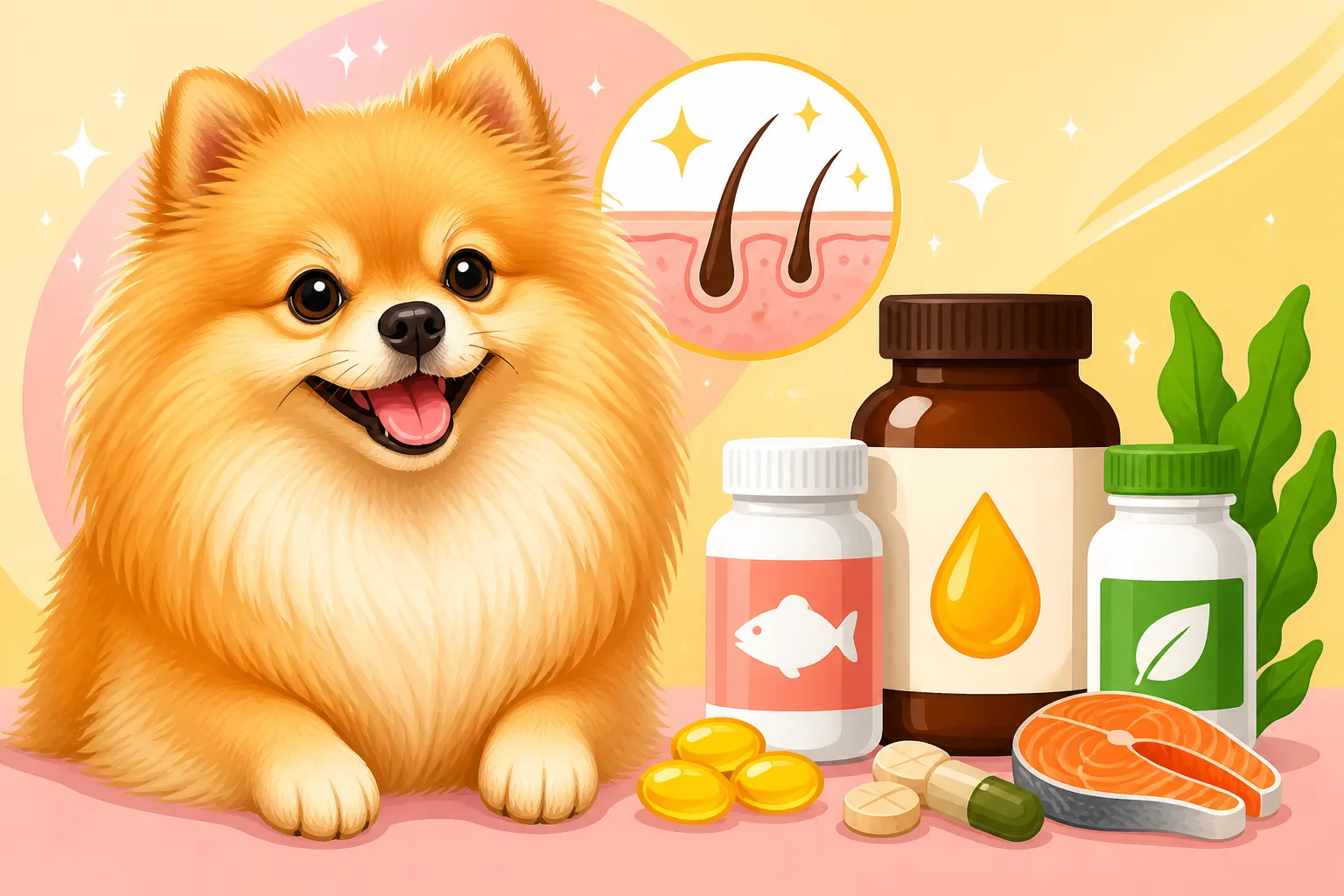
Fish oil is perhaps the most popular and widely recommended omega-3 supplement for dogs. It's rich in eicosapentaenoic acid (EPA) and docosahexaenoic acid (DHA), two incredibly beneficial Omega-3 fatty acids. These work wonders by helping to regulate the skin's oil production, improve hydration, and calm down allergic reactions or irritation that often manifest as incessant scratching or redness.
When choosing a fish oil for your Pomeranian, quality is paramount. You want a product sourced from wild-caught, small fish like anchovies, sardines, or mackerel, as these are less likely to accumulate heavy metals than larger, longer-lived fish. Look for brands that state they are third-party tested for purity and potency, and always follow the dosage recommendations based on your dog's weight. Overdosing can lead to digestive upset or blood thinning, so it's wise to discuss the proper amount with your veterinarian. You can often find reputable brands on Amazon or at your local pet supply store. Whether a Pomeranian Needs Fish Oil for Its Coat is a common question, and for many Poms, it can make a significant difference.
Flaxseed Oil and Other Plant-Based Omegas
For those who prefer a plant-based option, or whose dogs might have sensitivities to fish, flaxseed oil is another source of Omega-3s, specifically alpha-linolenic acid (ALA). While ALA is beneficial, it needs to be converted by the body into EPA and DHA, and dogs aren't always super efficient at this conversion process. So, while flaxseed oil can offer some support, it might not provide the same potent anti-inflammatory benefits as direct fish oil.
Other plant-based oils like hemp seed oil can also offer a balance of omega fatty acids, often with a more favorable Omega-3 to Omega-6 ratio than some other vegetable oils. These can be good alternatives or additions, especially if your Pomeranian enjoys a fresh food diet that might already incorporate some of these healthful oils. Always check with your vet, especially if your Pom has existing health conditions or is on other medications.
Antioxidants and Vitamins: Internal Defense for Skin Cells
Beyond the foundational fats, a strong internal defense system against cellular damage is crucial for healthy skin. Antioxidants are those tiny heroes that protect cells from damage caused by free radicals, which are unstable molecules that can contribute to aging, inflammation, and various diseases, including skin issues. Vitamins, particularly certain B vitamins and Vitamin E, also play direct roles in skin health and cellular regeneration.
Imagine your Pomeranian's skin cells constantly being exposed to environmental stressors like pollutants or UV light. Antioxidants act like tiny shields, protecting those cells and keeping them healthy and resilient. This can translate to less irritation, faster healing, and a more robust skin barrier.
Vitamin E for Skin Repair and Protection
Vitamin E is a fat-soluble antioxidant that is particularly beneficial for skin health. It helps protect cell membranes from oxidative damage, and it can also support the healing of damaged skin. If your Pomeranian has dry, flaky skin or frequently experiences minor irritations, Vitamin E could offer some relief by promoting skin repair and reducing inflammation. It often works synergistically with Omega-3 fatty acids, making them a powerful duo.
You can often find Vitamin E as a standalone supplement or included in broader skin and coat formulas. Again, discussing the appropriate dosage with your vet is crucial, as too much of a fat-soluble vitamin can accumulate in the body. Natural sources of Vitamin E include certain oils and green leafy vegetables, but a supplemental form might be necessary to provide a therapeutic dose for specific skin conditions.
B Vitamins for Cellular Health
The B-complex vitamins, while not antioxidants themselves, are vital for numerous cellular functions, including those that impact skin and coat health. Biotin (Vitamin B7), for example, is well-known for its role in healthy hair and skin. Deficiencies, though rare in dogs fed a complete diet, can manifest as dry skin, hair loss, or a dull coat.
Other B vitamins, like niacin (B3) and pantothenic acid (B5), are involved in maintaining skin barrier function and supporting overall cell metabolism. While most complete dog foods contain adequate B vitamins, a supplement might be considered if your vet suspects a specific deficiency or if your Pomeranian has ongoing skin issues that haven't responded to other interventions. These are often found in multi-vitamin supplements designed for dogs, available from retailers like Chewy or Amazon.
Probiotics and Digestive Aids: Gut-Skin Connection
It might sound strange, but there's a very real and increasingly recognized connection between gut health and skin health. An unhealthy gut can lead to systemic inflammation, which often manifests outwardly as skin problems like itching, rashes, or dull coats. This "gut-skin axis" means that by supporting a healthy digestive system, you can indirectly, but profoundly, improve your Pomeranian's skin condition.
Think of it this way: if your Pom's gut isn't properly absorbing nutrients or is overrun by "bad" bacteria, its immune system might be constantly on alert, leading to an inflammatory response that shows up on the skin. By optimizing gut flora, you help reduce this internal inflammation and boost nutrient absorption, both of which can lead to healthier skin and a shinier coat.
Probiotics for a Balanced Gut Microbiome
Probiotics are beneficial bacteria that, when ingested, help maintain a healthy balance of microorganisms in the gut. They can aid in digestion, nutrient absorption, and immune system function. For Pomeranians struggling with chronic skin issues, especially if they also experience occasional digestive upset, a probiotic supplement could be a game-changer.
Look for multi-strain probiotics specifically formulated for dogs. These often come in powder form that you can sprinkle over food, or in chewable tablets. It’s important to choose a product with a guaranteed number of live colony-forming units (CFUs) to ensure effectiveness. Brands like Purina Pro Plan Veterinary Diets FortiFlora or options found on Chewy or Amazon are popular choices. Starting with a lower dose and gradually increasing it can help prevent any initial digestive upset. This can also be especially helpful if you are considering Adjusting a Pomeranian's Portions After Surgery or other stressful events that can impact gut health.
Digestive Enzymes for Optimal Nutrient Absorption
Digestive enzymes are proteins that help break down food into smaller molecules, making nutrients easier for the body to absorb. While a healthy pancreas produces enough enzymes for most dogs, some Pomeranians, especially those with sensitive stomachs or certain health conditions, might benefit from supplemental digestive enzymes.
If your Pomeranian's skin issues are linked to poor nutrient absorption, adding digestive enzymes could help. They ensure that the valuable fats, vitamins, and minerals from their food (and other supplements) are actually utilized by the body to support skin and coat health. Often, these are combined with probiotics in a single supplement, offering a comprehensive approach to gut support.
Supplement Sourcing and Safety Considerations
Navigating the world of pet supplements can feel overwhelming, with countless brands and claims. It's crucial to approach supplements with a discerning eye and, most importantly, with the guidance of your veterinarian. What works wonders for one Pomeranian might not be suitable for another, and sometimes a skin issue could be a symptom of a more serious underlying health problem that supplements alone cannot fix.
Always remember that supplements are supplements to a good diet and vet care, not a replacement. Never hesitate to bring the product labels and ingredients to your vet to discuss their suitability for your specific Pomeranian.
| Supplement Category | Primary Benefits for Skin & Coat | Example Sources | Key Considerations |
|---|---|---|---|
| Omega Fatty Acids | Reduces inflammation, improves skin barrier, enhances coat shine, moisturizes dry skin. | Fish oil (anchovy, sardine), flaxseed oil, hemp seed oil, krill oil. | Quality (wild-caught, small fish), third-party testing for purity, proper dosage. |
| Antioxidants | Protects cells from oxidative damage, supports skin repair, reduces signs of aging. | Vitamin E, Vitamin C, CoQ10, certain fruits/vegetables. | Can be found in multi-vitamins; fat-soluble vitamins can accumulate. |
| B Vitamins | Supports cellular metabolism, hair growth, skin barrier function. | Biotin, Niacin, Pantothenic Acid, often in B-complex. | Usually found in complete foods; deficiencies are rare but can cause issues. |
| Probiotics | Balances gut microbiome, reduces systemic inflammation, improves nutrient absorption. | Multi-strain probiotic supplements, fermented foods. | Guaranteed CFUs, dog-specific formulation, gradual introduction. |
| Digestive Enzymes | Aids in breaking down food, optimizes nutrient absorption. | Enzyme blends (amylase, protease, lipase). | Can be combined with probiotics; helps maximize benefit from food/other supplements. |
Consulting Your Veterinarian
Before introducing any new supplement into your Pomeranian's regimen, a conversation with your veterinarian is non-negotiable. Your vet can accurately diagnose the root cause of your Pom's skin issues, rule out serious conditions like The Hormone Disease Mistaken for a Pomeranian's Alopecia or allergies, and recommend the most appropriate supplements and dosages based on your dog's individual needs, age, and existing health conditions. They can also advise on potential interactions with any medications your Pomeranian might be taking.
For instance, if your Pomeranian is on blood thinners, high doses of fish oil might not be advisable. Or, if they have a sensitive stomach, certain forms of supplements might cause digestive upset. Your vet is your best partner in ensuring your little companion gets the best and safest care. It's always better to be cautious and informed, especially with our small, delicate Poms.
Quality and Reputable Brands
The pet supplement market is vast, and unfortunately, not all products are created equal. When selecting supplements for your Pomeranian, prioritize quality and transparency. Look for brands that:
- Are transparent about their ingredients and sourcing.
- Conduct third-party testing for purity, potency, and contaminants.
- Have clear dosage instructions based on weight.
- Are recommended by veterinarians or have positive reviews from other informed pet owners.
Many reputable brands can be found through your veterinarian, or online through trusted retailers like Chewy or Amazon. Do your research, read reviews, and don't be swayed by overly exaggerated claims. For those considering Why a Pomeranian Eats Three Times a Day, integrating supplements often means finding formats that are palatable and easy to administer with their meals.
Ultimately, supporting your Pomeranian's skin health is an ongoing process that may require a multi-faceted approach. By understanding the potential benefits of various supplements and working closely with your vet, you can help your beloved Pom achieve the healthy, comfortable skin and luscious coat they deserve.
Disclaimer
This article is for general informational purposes only and does not constitute professional advice. Laws, prices and regulations vary by location and change over time. Consult a qualified professional for guidance on your specific situation.