Adjusting a Pomeranian’s Portions After Surgery
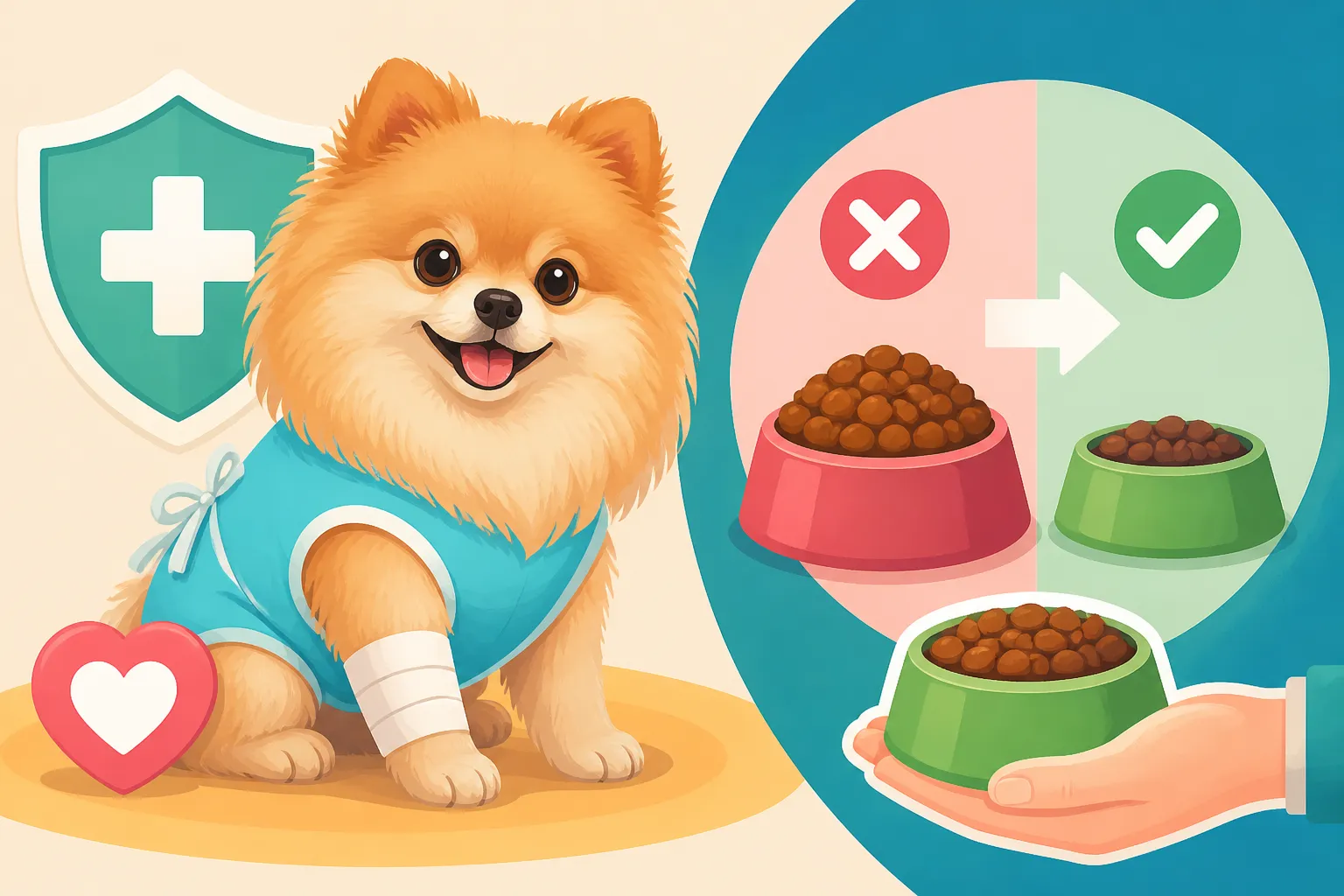
Bringing your beloved Pomeranian home after surgery is a whirlwind of emotions – relief that the procedure is over, but also a healthy dose of worry about their recovery. One of the biggest stressors for many owners is knowing exactly how much and what to feed their little one, especially when their normal routine is completely upended. This guide is here to walk you through the nuances of adjusting your Pomeranian's portions after surgery, ensuring they get the right nutrition for a smooth and swift healing process.
Why Post-Surgery Nutrition is Different for Your Pomeranian
It’s easy to think "food is food," but a recovering Pomeranian's body has very specific, and often changing, needs that are vastly different from their healthy, active state. Understanding these differences is the first step in tailoring their diet for optimal healing.
The Body's Healing Demands
Imagine your own body recovering from a minor surgery; it feels tired, perhaps a bit sore, and your usual energy levels are nowhere to be found. Your Pomeranian experiences something similar, but on a much smaller scale, which makes every calorie count. Surgery itself is a stressor. Even a routine spay or neuter involves tissue damage, inflammation, and the body working overtime to repair itself. This repair process is incredibly energy-intensive. It requires protein for tissue regeneration, fats for energy, and a whole host of vitamins and minerals to support immune function and reduce inflammation.
For a Pomeranian, whose system is already tiny, these demands are amplified. Their small bodies have a higher metabolic rate compared to larger dogs, meaning they burn through calories more quickly. If they aren't getting adequate nutrition, their body might start breaking down its own tissues for energy, which directly impedes healing and can prolong recovery. This is particularly critical for Poms, as they are already predisposed to certain conditions that require careful management, and a compromised immune system post-op is the last thing you want.
Activity Level Changes and Appetite Fluctuations
One of the most immediate changes you'll notice in your Pomeranian post-surgery is a significant reduction in their activity. Gone are the zoomies, the enthusiastic leaps onto the sofa, and perhaps even their usual spirited walks. Most vets will recommend strict rest for a period, which means their calorie expenditure drops dramatically. If you continue to feed them their pre-surgery portions, you're practically guaranteeing unwanted weight gain, which can put additional strain on healing incisions, joints, and even their fragile windpipe. Why an Overweight Pomeranian Struggles to Breathe
Compounding this is the rollercoaster of appetite fluctuations. Some Pomeranians might be ravenous due to post-anesthesia munchies or the body's increased caloric demand for healing. More commonly, however, they might experience a decrease in appetite. This can be due to residual nausea from anesthesia, pain medication side effects, discomfort from their incision, or simply the stress and unfamiliarity of their restricted movement. It’s incredibly frustrating when your normally food-motivated Pom turns their nose up at dinner, and it can be worrying when you know they need to eat to get better. This is why careful monitoring and a flexible approach to feeding are absolutely essential during this delicate recovery period.
How to Calculate the Right Portions for Recovery
When it comes to post-surgical feeding, guesswork simply isn't an option. Your Pomeranian's recovery hinges on precise nutritional support, and that means getting the calorie count right.
Consulting Your Veterinarian's Specific Instructions
Let me be absolutely clear: your veterinarian is your primary resource here. They performed the surgery, they know your dog's specific health history, and they understand the metabolic demands of the procedure they just completed. Before your Pomeranian even leaves the clinic, you should be armed with explicit, written instructions regarding their post-operative diet. This isn't just a suggestion; it's paramount.
Your vet will consider several factors:
- Type of Surgery: A major abdominal surgery will have different nutritional implications than a minor dental procedure or a simple spay. Some surgeries might require specific dietary changes to aid digestion or prevent constipation.
- Current Health Status: If your Pom has any underlying conditions, like diabetes or kidney issues, these will heavily influence dietary recommendations.
- Medications: Many pain medications or antibiotics can affect appetite or digestion, and your vet will factor this into their advice.
- Weight Goals: They might want your Pomeranian to maintain weight, gain a little if they were underweight, or even gently lose some if they were already The Three to Seven Pounds a Pomeranian Should Hold.
Don't hesitate to ask specific questions: "How many calories should [Your Pomeranian's Name] be eating per day?" "Should I stick to their usual food or switch to a therapeutic diet?" "Are there any supplements you recommend?" They might even recommend a specific brand of highly digestible or recovery-focused food that you can find at pet supply stores like Chewy or on platforms like Amazon.
Understanding Basal Metabolic Rate (BMR) vs. Resting Energy Requirements (RER)
Okay, let's get a little scientific, but I promise to keep it simple! In general terms, dogs have a Basal Metabolic Rate (BMR), which is the absolute minimum energy they need to keep their body functioning at rest. However, what we usually use for feeding calculations is the Resting Energy Requirement (RER). This is the number of calories a dog needs at rest in a comfortable environment, not digesting food, and it’s a more practical starting point for us.
For a healthy, active adult Pomeranian, their daily caloric needs would be RER multiplied by some "maintenance factor" based on their activity level. But after surgery, their activity plummets, and their body is dedicating energy to healing. So, often, a recovering dog will need calories closer to their RER, or sometimes slightly above it if the healing demands are high, but usually less than their normal maintenance calories to avoid weight gain.
A common, simplified formula to estimate RER is: (Weight in kg ^ 0.75) x 70.
Let's say your Pomeranian weighs 3 kg (roughly 6.6 lbs).
- Convert pounds to kilograms: 6.6 lbs / 2.2 = 3 kg
- Calculate RER: (3 ^ 0.75) x 70 = 2.2795 x 70 = approximately 159.5 calories per day.
Important Note: This is a general guide! Your vet's specific recommendation should always override any general formula. They might adjust this number significantly based on the type of surgery and your Pom's individual condition. Always ask your vet for their specific caloric recommendation and how that translates into cups or grams of your dog's specific food.
Monitoring Weight and Body Condition Score
The scale is your friend during recovery. Daily or every-other-day weight checks are crucial for a small dog like a Pomeranian. Even a quarter-pound fluctuation can be significant for a 5-pound dog. Keep a journal of their weight to track trends, especially if your vet has given you specific weight goals.
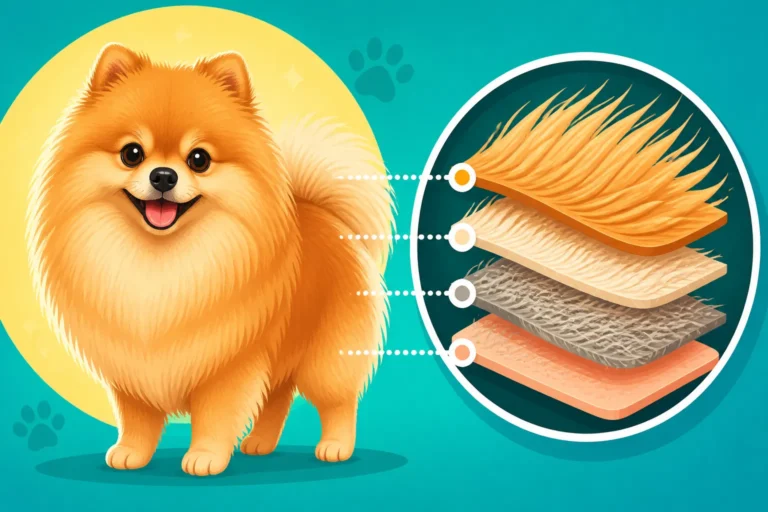
Beyond the number on the scale, you need to understand your Pomeranian's Body Condition Score (BCS). Poms have a deceptive double coat, so just looking at them can be misleading. A fluffy coat can hide both weight loss and weight gain. The Age a Pomeranian's Coat Starts to Thin might make it easier to see, but usually, you need to use your hands.
Here’s a simplified guide for checking your Pom's BCS:
| Body Condition Score | Appearance (Visual) | Feel (Palpation) |
|---|---|---|
| 1 (Emaciated) | Ribs, spine, pelvic bones easily visible, no fat. | Bones very prominent, no fat covering, severe muscle loss. |
| 2 (Very Thin) | Ribs, spine, pelvic bones visible. Minimal fat. | Ribs easily felt with minimal fat. Waist obvious. |
| 3 (Ideal) | Ribs palpable without excess fat. Defined waist. | Ribs easily felt under a thin layer of fat. Waist and abdominal tuck present. |
| 4 (Overweight) | Ribs difficult to feel. Waist barely visible. | Ribs palpable with moderate fat. Waist less defined. |
| 5 (Obese) | Ribs very difficult to feel. No waist. Distended. | Ribs very difficult to feel, heavy fat covering. No waist. |
For your Pomeranian, you want to aim for a BCS of 3. Gently run your hands along their sides. You should be able to feel their ribs without pressing too hard, but they shouldn't feel sharp or jutting out. Then, run your hands along their spine. You should feel the bumps of the vertebrae without seeing them. Finally, look for a slight tuck up behind their ribcage when viewed from the side, and a slight indentation at the waist when viewed from above (though this can be tricky with all that fur!). If you're struggling with Finding a Pomeranian's Ribs Through the Coat, your vet can show you how to do it correctly.
Practical Tips for Feeding Your Recovering Pomeranian
Even with the right calorie count, the how of feeding your recovering Pomeranian is just as important. Small adjustments can make a big difference in encouraging them to eat and ensuring their comfort.
Gradual Transitions and Palatability
If your veterinarian has recommended switching your Pomeranian to a new food – perhaps a therapeutic recovery diet or a more easily digestible formula – the key is to do it gradually. Sudden food changes can upset their sensitive stomachs, leading to vomiting or diarrhea, which are the last things you need when they're trying to heal. Over 5-7 days, slowly mix increasing amounts of the new food with decreasing amounts of their old food.
What if your Pom just isn't interested in eating? This is a common and frustrating challenge. Palatability becomes paramount.
- Warm it Up: Gently warming wet food or adding a little warm water to kibble can release aromas that make it more appealing. Just be sure it's not too hot.
- Add Broth: A low-sodium, plain chicken or beef broth can entice a picky eater. Again, check with your vet first to ensure it's suitable for their specific recovery needs.
- Hand Feeding: Sometimes, a little extra fuss and hand-feeding can encourage a hesitant Pomeranian. It reinforces your bond and can make them feel more secure during a vulnerable time.
- Specialized Diets: Many vets carry or recommend prescription recovery diets that are specifically formulated to be highly palatable and calorie-dense for unwell dogs. Brands available through vet clinics or online retailers like Chewy often offer these.
Remember, the goal is to get essential nutrients into them. If they're refusing their usual food, even with tricks, discuss options for more enticing foods with your vet.
Frequent Small Meals vs. Fewer Large Ones
For a healthy adult Pomeranian, two meals a day is typical. However, for a recovering Pom, especially those prone to Recognizing a Hypoglycemic Pomeranian, more frequent, smaller meals can be beneficial. Think of it like this: their digestive system is also recovering and might be working at a reduced capacity. Overloading it with a large meal can lead to discomfort, nausea, or even vomiting.
Instead, breaking their daily caloric intake into 3-4 small meals spread throughout the day can:
- Reduce Stomach Upset: Smaller amounts are easier to digest.
- Maintain Stable Blood Sugar: This is crucial for small breeds like Pomeranians, who can be susceptible to drops in blood sugar if they go too long without eating. This is similar to how a young Feeding a Pomeranian Puppy Often Enough to Stay Safe.
- Encourage Eating: A small portion can seem less daunting to a dog with a reduced appetite.
- Aid Medication Absorption: If they're on medication that needs to be given with food, more frequent meals mean more opportunities to administer doses easily.
Hydration and Medication Administration
Proper hydration is just as vital as food for recovery. Water helps with metabolic processes, nutrient transport, and flushing toxins from the body. Ensure your Pomeranian always has access to fresh, clean water.
- Multiple Water Bowls: Place several bowls around their recovery area.
- Water Fountain: Some dogs prefer the running water of a fountain.
- Ice Chips: For very reluctant drinkers, small ice chips can be an appealing way to get some fluids in.
- Wet Food: If your vet approves, incorporating wet food into their diet can significantly boost their fluid intake.
Many post-surgical medications need to be given with food to prevent stomach upset. This is where those smaller, more frequent meals come in handy. You can hide pills in small pieces of palatable treats or mix liquid medications into a spoonful of wet food. Always follow your vet's instructions precisely regarding medication timing and administration.
Common Post-Surgery Feeding Challenges and Solutions
Even with the best intentions and vet instructions, recovery can throw some curveballs. Being prepared for common feeding challenges will help you respond effectively and keep your Pomeranian on the path to wellness.
Loss of Appetite (Anorexia)
It's heartbreaking to see your Pomeranian refuse food, especially when you know they need it to heal. Loss of appetite (anorexia) is common post-surgery and can stem from several factors:
- Pain or Discomfort: Even with pain medication, they might still be feeling sore, making eating less appealing.
- Nausea: Anesthesia, certain medications, or the stress of surgery can cause nausea.
- Stress/Anxiety: Being confined or feeling unwell can impact their desire to eat.
Solutions:
- Consult Your Vet IMMEDIATELY: If your Pomeranian hasn't eaten for 24 hours, or if they're showing signs of severe lethargy, contact your vet. Prolonged anorexia, especially in a small breed like a Pom, can quickly lead to serious complications like hypoglycemia or hepatic lipidosis.
- Appetite Stimulants: Your vet may prescribe an appetite stimulant to help kickstart their hunger.
- Highly Palatable Foods: Try offering small amounts of highly appealing foods. This could be a prescription recovery diet, or something very tempting like plain, boiled chicken breast (shredded finely) or a small amount of low-fat cottage cheese (check with your vet first!). Some owners find that fresh, human-grade dog food services like Ollie can offer particularly enticing options for very picky eaters, as they often resemble human food more closely.
- Reduce Stress: Create a quiet, comfortable recovery zone where they feel safe and undisturbed.
Vomiting or Diarrhea
Post-surgical vomiting or diarrhea can be alarming. It can indicate a reaction to medication, an upset stomach from anesthesia, stress, or a too-rapid change in diet.
Solutions:
- Contact Your Vet: Always notify your vet if your Pomeranian is experiencing vomiting or diarrhea. They can determine the cause and rule out more serious issues like infection or intestinal obstruction. They'll also want to monitor for dehydration, which can be very dangerous for a small dog.
- Bland Diet: If approved by your vet, a temporary bland diet can help settle their stomach. This typically consists of plain, boiled white rice mixed with plain, boiled, skinless, boneless chicken breast (shredded). Offer very small amounts frequently (e.g., a tablespoon every few hours) until their stomach settles, then gradually transition back to their regular food as directed by your vet.
- Probiotics: Your vet might recommend a probiotic supplement to help restore healthy gut flora, especially if they've been on antibiotics.
Weight Gain Due to Reduced Activity
While most owners worry about their Pom not eating enough, some Pomeranians, particularly those on corticosteroids or with naturally robust appetites, can gain weight quickly during forced inactivity. How Little Food an Adult Pomeranian Needs is surprisingly small, and it's even less when they're not moving much.
Solutions:
- Strict Portion Control: This is where accurate calorie calculation and measuring food meticulously come into play. Resist the urge to give extra treats or table scraps.
- Vet-Approved Exercise: As soon as your vet gives the green light, even for very gentle activity like short, leash-only potty breaks, start incorporating it. Gradually increase activity levels as advised. This helps burn calories and maintain muscle tone.
- Smaller, Healthier Treats: If you use treats for medication or encouragement, opt for very small, low-calorie options, or use a portion of their daily kibble allowance.
Adjusting your Pomeranian's portions after surgery is a vital part of their healing journey. By working closely with your veterinarian, monitoring their weight and appetite, and making thoughtful adjustments, you can ensure your little companion has the best possible chance for a speedy and full recovery.
Disclaimer
This article is for general informational purposes only and does not constitute professional advice. Laws, prices and regulations vary by location and change over time. Consult a qualified professional for guidance on your specific situation.