Tracking a Pomeranian’s Weight in Ounces
It can be incredibly nerve-wracking to watch your tiny Pomeranian, knowing that even a few ounces can signify a big change in their overall health. For such a small breed, fluctuations that might go unnoticed in a larger dog can be a significant indicator for a Pom, leaving many owners feeling anxious about how to accurately monitor them. This guide will walk you through why tracking your Pomeranian's weight in ounces is so crucial, the best ways to do it, and how to interpret those tiny shifts to keep your furry companion thriving.
Why Ounces Matter for Your Pomeranian's Weight
When you live with a Pomeranian, you quickly learn that their small stature means everything is on a more delicate scale. Unlike a Labrador where a pound or two might just be a hearty meal, for a Pom, ounces represent a substantial percentage of their total body mass. This isn't just about fitting into cute sweaters; it's fundamental to their health and well-being.
The Delicate Balance of a Toy Breed
Pomeranians are a toy breed, typically weighing between three and seven pounds as adults. This small size, while adorable, means they have a much faster metabolism and a smaller reserve of fat and muscle compared to larger dogs. Their tiny bodies operate on a fine balance, and disruptions to this balance can manifest quickly. A few ounces lost can mean a significant drop in their energy reserves, impacting blood sugar levels, especially in younger puppies, or indicating an underlying health issue in an older dog. Conversely, a few ounces gained can put undue stress on their delicate joints and windpipe. It's a constant, careful dance to maintain their ideal weight.
Early Warning Signs in Tiny Fluctuations
Because their system is so finely tuned, even slight weight changes, measured in ounces, can serve as an early warning system for various health concerns. Think of it like a canary in a coal mine. If your energetic Pomeranian suddenly drops four ounces over a few days, it's not merely a slight change; it could be a sign of dehydration, a minor digestive upset, or even the subtle onset of something more serious. Catching these minimal shifts early can mean the difference between a quick intervention and a more advanced problem. For example, a dog starting to have issues with a collapsing trachea, a common Pomeranian ailment, might show a slight weight loss if eating becomes uncomfortable or stressful. Regular ounce-level tracking allows you to notice these subtle signs long before they escalate into obvious symptoms.
Pomeranian Growth and Development in Ounces
Tracking weight in ounces is particularly vital during puppyhood. A Pomeranian puppy grows incredibly fast in its first few months, and monitoring their weight in ounces ensures they are gaining steadily and hitting developmental milestones. Underfeeding, even slightly, can lead to stunted growth or, more dangerously, blood sugar crashes, which can be life-threatening for tiny puppies. Overfeeding, on the other hand, can set them up for obesity and joint problems later in life. Breeders and experienced owners know that weekly, sometimes even daily, ounce-level checks are essential for a puppy's first few months to ensure they're thriving. The Weight a Pomeranian Puppy Should Reach is a critical benchmark, and monitoring in ounces provides the granular detail needed to confirm they are on track.
Practical Tools and Methods for Ounce-Level Tracking
You can't just throw your Pomeranian on your bathroom scale and expect an accurate reading in ounces – unless you’re also weighing yourself and doing some complex math. For such tiny creatures, you need specialized tools and a consistent routine to get reliable data.
Choosing the Right Scale for Tiny Pups
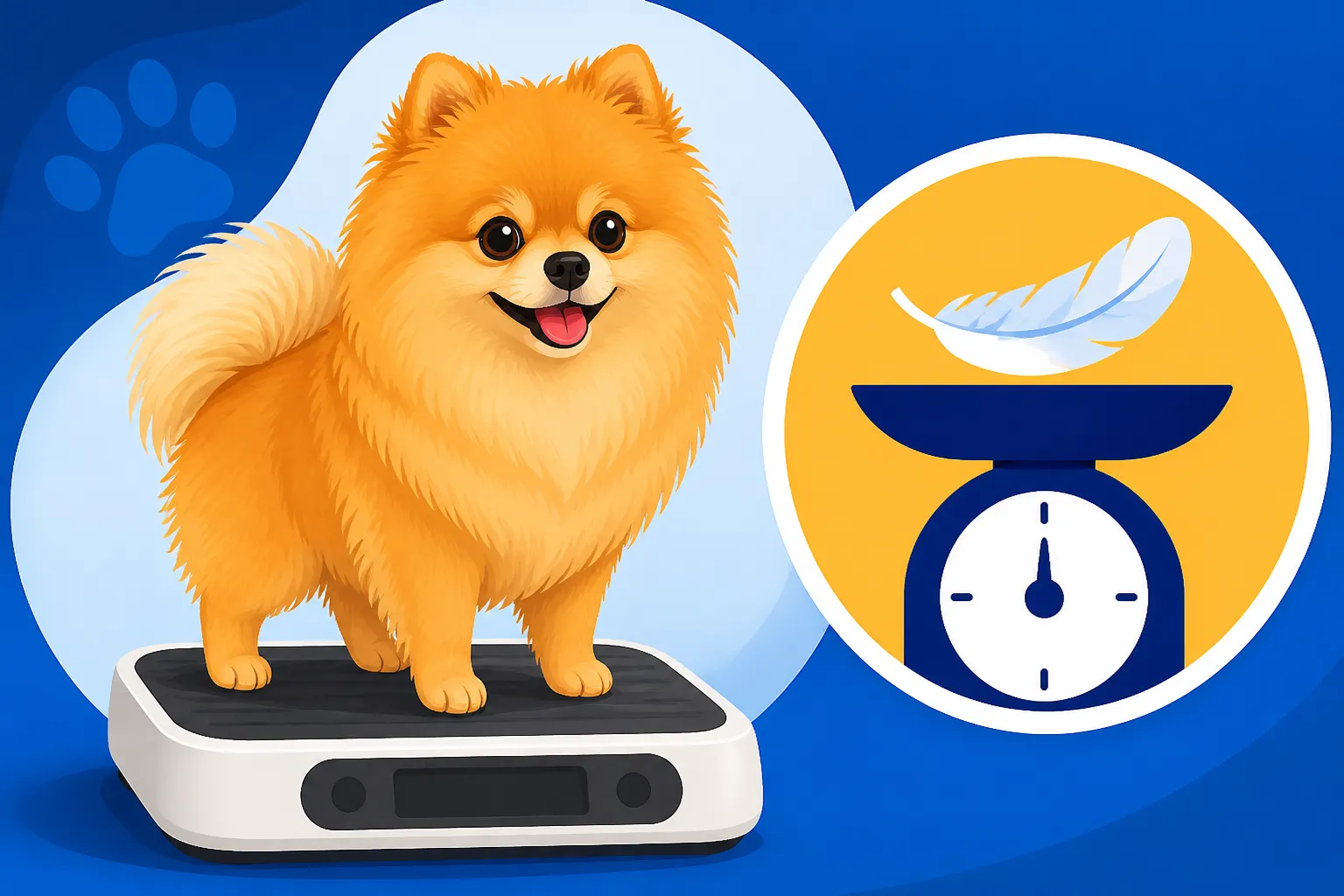
The key to accurate ounce-level tracking is using a precise digital scale. Forget human bathroom scales; they just aren't sensitive enough for a three-pound dog. What you need is a baby scale, or even a kitchen scale, depending on your Pom's adult size.
- Baby Scales: These are fantastic because they are designed to weigh infants, who are often in a similar weight range to adult Pomeranians or growing puppies. They typically offer readings in pounds, ounces, and sometimes even grams, providing the precision you need. Look for one with a stable, flat surface where your Pom can comfortably sit or lie down. You can often find these on sites like Amazon or Chewy, and they're a worthwhile investment for any Pomeranian owner.
- Kitchen Scales: For very small puppies or adult Poms on the lower end of the weight spectrum (3-4 pounds), a high-quality digital kitchen scale can work. Just make sure it has a sufficiently large, flat surface and a weight capacity that can handle your dog without being maxed out. Always place a non-slip mat or a small, shallow basket on top (and "tare" the scale to zero it out) to ensure your Pom is secure and the reading is accurate.
Make sure whatever scale you choose has a clear, easy-to-read digital display. Some even have a "hold" function, which is a lifesaver when your little one is squirming.
Establishing a Consistent Weighing Routine
Consistency is paramount when tracking weight in ounces. Without it, your readings will be all over the place, and you won't be able to spot meaningful trends.
Here's how to establish a solid routine:
- Time of Day: Always weigh your Pomeranian at the same time each day or week. First thing in the morning, before breakfast and after their first potty break, is ideal. This minimizes the variable weight of food and water intake.
- Frequency: For puppies, especially those under six months, weekly (or even daily for very young or struggling pups) weighing is best. For adult Pomeranians, monthly or bi-weekly checks are usually sufficient, unless they have a known health condition requiring closer monitoring.
- Location: Use the same scale in the same location every time. Moving the scale can sometimes affect its calibration, and a familiar spot can help your Pom feel more comfortable.
- No Food/Water Beforehand: As mentioned, try to weigh before their first meal or major water intake. If you've just given them a big drink or they've just polished off their breakfast, that can easily add a few misleading ounces.
By sticking to this routine, you create a baseline for your Pomeranian, making it much easier to identify when those ounce-level changes are actually significant.
Tips for Getting an Accurate Reading on a Squirmy Pom
Let's be real, getting a wiggly Pom to sit still on a scale can feel like a wrestling match with a fluffy cloud. Here are some tricks of the trade:
- Make it Positive: Associate the scale with good things! Place treats on the scale, praise them enthusiastically when they step on, and give them gentle pets. Over time, they'll learn it's not a scary place. The Reward a Pomeranian Actually Cares About can be small, high-value treats that disappear quickly.
- Use a Container: For puppies or particularly restless adults, a small, shallow box or laundry basket can work wonders. Place the basket on the scale first, tare it to zero, then gently place your Pomeranian inside. This confines them and often makes them feel more secure.
- "Hold" Function: Many digital scales have a "hold" or "lock" function that captures the weight once it stabilizes, even if your dog moves off slightly afterward. This can save you a lot of frustration.
- Distraction: A favorite toy, a lick mat smeared with a tiny bit of peanut butter, or even a soft voice can help distract your Pom for those few seconds needed to get a reading.
- Practice Short Sessions: Don't expect perfection on the first try. Start with very brief sessions, even if you don't get a perfect reading. The goal is to build positive associations and help them get used to the scale.
Remember, patience is key. The more relaxed your Pomeranian is, the more accurate your readings will be.
Interpreting Ounce-Level Weight Changes and When to Act
Once you've diligently started tracking your Pomeranian's weight in ounces, the next step is understanding what those numbers actually mean. Not every tiny shift is cause for alarm, but recognizing concerning patterns is vital.
Understanding Normal Daily Variations
Just like humans, a Pomeranian's weight can fluctuate slightly throughout the day and week. This is normal and usually nothing to worry about. Things like:
- Hydration Levels: If your Pom has just had a big drink of water, they might be a couple of ounces heavier. Dehydration, even mild, can show as a slight drop.
- Meal Timing: Weighing before a meal versus after can easily account for a few ounces.
- Elimination: A significant potty break could result in a slight decrease.
- Activity Levels: A very active day versus a lazy one could also contribute to minor fluctuations.
Generally, a fluctuation of 1-3 ounces within a day or between consistent weigh-ins (e.g., morning to morning) is often within the realm of normal variability for a healthy, adult Pomeranian. What you're looking for are trends – consistent gains, consistent losses, or sudden, more significant changes.
When a Drop in Ounces Is a Red Flag
While small fluctuations are normal, a consistent downward trend, or a sudden drop of more than a few ounces, warrants attention. For a three to seven-pound dog, losing 4-8 ounces (which is half a pound to a full pound) over a short period, say a week or two, is a significant amount and should prompt a call to your veterinarian.
Consider these scenarios:
- Puppy Weight Loss: If your Pomeranian puppy, especially one under six months, is losing weight in ounces or failing to gain consistently, it's a serious concern. This could indicate insufficient food intake, intestinal parasites, or even a more critical issue like Blood Sugar Crashes in a Pomeranian Puppy. Seek veterinary advice immediately.
- Adult Pom Losing Weight: For an adult Pomeranian, unexplained weight loss, even just a few ounces each week, can be a symptom of various underlying health problems. This might include dental issues making it painful to eat, digestive upset, kidney disease, thyroid problems, or even certain cancers. Pay attention if your Pom is also showing other symptoms like lethargy, changes in appetite, vomiting, or diarrhea.
- Stress or Environmental Changes: Sometimes, stress from a new environment, a change in routine, or even anxiety can lead to a slight loss of appetite and subsequent weight loss. While not directly a medical emergency, addressing the source of stress is important for their overall well-being.
Always trust your gut. If your Pomeranian just doesn't seem quite right, and their weight is trending down, don't hesitate to contact your vet.
When a Gain in Ounces Raises Concern
Just as losing weight can be problematic, gaining too many ounces can also lead to significant health issues for a Pomeranian. Their small frame is not designed to carry extra weight. The Three to Seven Pounds a Pomeranian Should Hold is a standard for a reason.
Here's why you should be mindful of weight gain, even in ounces:
- Joint Stress: Pomeranians are predisposed to conditions like Slipping Kneecaps in a Five Pound Pomeranian (patellar luxation). Even a small amount of extra weight puts additional strain on these tiny knee joints, potentially worsening the condition or accelerating its onset.
- Respiratory Issues: Many Pomeranians are prone to The Honking Cough of a Pomeranian's Collapsing Windpipe. Excess weight around the neck and chest can put pressure on the trachea, exacerbating breathing difficulties. An overweight Pomeranian will likely cough more and have less stamina.
- Diabetes and Other Metabolic Conditions: While not as common in Poms as some other breeds, obesity can increase the risk of developing conditions like diabetes.
- Reduced Quality of Life: An overweight Pom might be less enthusiastic about walks, tire more easily, and generally have a harder time enjoying life. They might not be able to jump onto their favorite spot on the couch as easily, impacting their daily comfort.
If you notice a consistent gain of several ounces over a few weeks, it's time to re-evaluate their diet and exercise. A gain of 8-12 ounces on a five-pound dog is a 10-15% increase in body weight, which is quite substantial and should not be ignored. Whether an Eight Pound Pomeranian Is Overweight article goes into more detail, but generally, anything above seven pounds for a typical Pom means they are likely carrying excess weight.
Maintaining Optimal Weight for Your Pomeranian
Keeping your Pomeranian at their ideal weight isn't just about spotting problems; it's about proactive care. Given their delicate balance, precise management of their food and activity is key to a long, healthy life.
Precise Portion Control for a Small Appetite
This is probably the most challenging aspect of managing a Pomeranian's weight. Their tiny size means their daily caloric needs are incredibly low, and it's easy to overfeed them without realizing it.
- Measure Everything: Don't eyeball it. Use a precise measuring cup or, even better, a kitchen scale to weigh out their kibble or fresh food portions in grams. For a Pomeranian, a half-cup can be the difference between ideal weight and overweight. How Little Food an Adult Pomeranian Needs is often surprising to new owners.
- Small, Frequent Meals: Due to their fast metabolism and tendency for blood sugar drops, many Poms do best with 2-3 small meals a day rather than one large one. This helps keep their energy levels stable. For puppies, even 3-4 meals might be necessary.
- Choose the Right Food: Select a high-quality small-breed formula. These foods are often formulated with appropriate nutrient densities for tiny dogs and have kibble pieces sized for small mouths. Brands like Chewy offer a wide variety of small-breed options. If you're considering fresh food, services like Ollie provide pre-portioned meals designed for your dog's specific caloric needs, taking a lot of the guesswork out of it.
- Account for Treats: Those tiny training treats add up! Factor them into their daily caloric intake. If you're doing a lot of training, reduce their meal portions slightly.
- No Free-Feeding: Leaving food out all day is a recipe for weight gain in a Pomeranian. Stick to scheduled meal times. Feeding a Pomeranian the right amount is a delicate balance, and free-feeding undermines your control.
Appropriate Exercise for a Tiny Frame
Even though they're small, Pomeranians are energetic little dogs that need regular exercise to maintain muscle tone and a healthy weight.
- Daily Walks: Aim for one to two short walks a day, 15-20 minutes each, depending on your Pom's stamina and health. Use a harness rather than a collar to protect their delicate trachea.
- Indoor Play: Poms can get a surprising amount of exercise indoors. Games of fetch, chasing toys, or even just exploring the house can help burn calories. Puzzle toys are great for mental stimulation too.
- Avoid Over-Exertion: While they need exercise, be mindful of their small size. Long hikes or intense running might be too much, especially in extreme weather or for older Poms. Always watch for signs of fatigue or respiratory distress.
- Protect Their Joints: Prevent excessive jumping on and off furniture. Providing ramps or doggy steps can significantly reduce the impact on their knees.
- Exercise a Pomeranian Needs to Stay Trim often looks different than it would for a larger dog, focusing more on consistency and joint protection.
Working with Your Vet for Ideal Weight Management
Your veterinarian is your best partner in ensuring your Pomeranian maintains an optimal weight.
- Regular Check-ups: Routine vet visits allow your vet to monitor your Pom's weight, assess their body condition score, and catch any subtle changes you might have missed. They can offer tailored advice based on your dog's age, activity level, and any pre-existing health conditions.
- Discuss Concerns: Don't hesitate to bring up any weight concerns you have, whether it's a slight gain or loss. Your vet can rule out medical causes for weight changes and help you adjust feeding plans.
- Dietary Guidance: If your Pom is struggling with weight, your vet can recommend specific therapeutic diets or help you formulate a precise plan, especially for Taking Weight Off a Pomeranian Without Starving It. They can also advise on appropriate treat choices and supplements.
- Health Conditions: If your Pomeranian has a condition like patellar luxation or tracheal collapse, maintaining an ideal weight is even more critical. Your vet will help you understand how weight impacts these conditions and what adjustments are necessary. They might also discuss specialized foods, available from pet suppliers like Chewy, that support joint health or sensitive digestion.
Tracking your Pomeranian's weight in ounces might seem like a lot of effort, but for these tiny, wonderful companions, it's a powerful tool in your arsenal for ensuring they live the happiest, healthiest life possible. It allows you to be proactive, catch issues early, and make informed decisions about their care, giving you peace of mind and more precious time with your beloved Pom.
Disclaimer
This article is for general informational purposes only and does not constitute professional advice. Laws, prices and regulations vary by location and change over time. Consult a qualified professional for guidance on your specific situation.