The Weight a Pomeranian Puppy Should Reach
One of the most common worries new Pomeranian parents face is simply wondering if their tiny fluffball is growing "right." It's incredibly easy to obsess over every ounce, especially when you have such a small, delicate puppy, and the sheer variation in Pomeranian sizes can make you feel like you're constantly second-guessing yourself. This guide is here to help you understand the typical growth trajectory of a Pomeranian puppy, what to expect at different ages, and how to tell if your little one is thriving.
Understanding Pomeranian Growth Stages and Expectations
Bringing home a Pomeranian puppy is like welcoming a little cloud of joy into your life, but it also comes with a lot of questions, especially about their size and development. Unlike larger breeds that have more obvious growth spurts, a Pomeranian's growth is often more subtle, making it tricky to gauge if they're on track. It’s important to remember that they don't grow forever; there's a definite window for their main development.
The First Few Months: Rapid Changes
The first few months of a Pomeranian puppy's life are marked by the most significant changes in weight and size. From birth to about four months old, they are in a period of rapid development. You'll notice almost daily changes as they gain ounces and their coordination improves. This is when their little bones are lengthening and their muscles are starting to develop. A healthy Pomeranian puppy will typically gain weight steadily during this time, often doubling or tripling their birth weight in a matter of weeks. They might still be navigating the awkward "puppy uglies" phase where their coat is thin and patchy, but their body should be filling out underneath.
During these initial weeks, consistent feeding is paramount. Feeding a Pomeranian Puppy Often Enough to Stay Safe is crucial to prevent dangerous blood sugar drops. Their tiny stomachs can only hold so much, and they burn through calories quickly. A reputable breeder will have kept careful track of these early weights, and often provide a chart or at least tell you what their average weight has been, which can be a comforting baseline.
Slowing Down: Four to Eight Months
After the initial burst of growth, usually around four months of age, you'll notice a distinct slowdown. Your Pomeranian puppy won't be gaining weight at the same frantic pace. This period from four to eight months is still about growth, but it's more about filling out and consolidating rather than rapid lengthening. They'll start to look less like a newborn potato and more like a miniature dog, with their legs and body becoming more proportionate. Their adult coat might also begin to truly emerge, thickening up and starting to show its true color, though the full double coat takes longer.
Many Poms will reach close to their adult height by eight months, though they might still be putting on a bit more muscle and filling out their chest and body. This is a great time to ensure they're maintaining a healthy weight as they transition to fewer, but still regular, meals. Keep a close eye on their energy levels and appetite, as changes could indicate an underlying issue or simply that they’re adjusting to their new growth rate.
Reaching Maturity: Eight to Twelve Months and Beyond
By the time your Pomeranian puppy hits eight to twelve months, they are usually very close to their adult size. Most Pomeranians will have reached their full height and often 90% of their adult weight. Some might continue to fill out slightly or gain a final ounce or two until they are about 18 months old, but the major growth period is definitely over. This is also when their magnificent double coat truly comes into its own, providing that iconic fluffy silhouette.
It's important to differentiate between reaching adult size and reaching social maturity. While their bodies might be done growing, their minds are still developing. You might notice them testing boundaries or displaying more independent behaviors. At this stage, your vet will likely discuss the final weight range they expect your Pom to settle into. Generally, the breed standard suggests a weight between three and seven pounds. The Three to Seven Pounds a Pomeranian Should Hold is the ideal target to aim for, ensuring they're neither too slight nor carrying excess weight that can strain their delicate structure.
Factors Influencing a Pomeranian Puppy's Weight
It's easy to look at other Pomeranian puppies and worry if yours isn't exactly the same size. But just like people, no two puppies are exactly alike, and many elements can play a role in how much your little one weighs and how quickly they grow. Understanding these factors can help you set realistic expectations and spot any potential red flags.
Genetics and Parental Size
Hands down, genetics are the biggest player in determining your Pomeranian puppy's adult weight. If you have the opportunity to see the puppy's parents, especially the mother, that's often your best indicator. A puppy from two parents on the larger side of the Pomeranian spectrum (say, 6-7 pounds) is very likely to be a larger adult than a puppy from two smaller parents (3-4 pounds). Good breeders can often give you a reasonable estimate of adult weight based on their lineage and their puppy's current growth curve.
It's not just about the parents, either. The wider genetic pool, including grandparents and even great-grandparents, can influence size. This is why some lines consistently produce smaller or larger Pomeranians. Be wary of breeders who promise "teacup" sizes if the parents are standard weight; often, "teacup" simply means a runt or a puppy with health issues that hinder growth, not a genetically miniaturized dog. What Teacup Breeding Costs a Pomeranian can be a significant concern for their health.
Nutrition and Feeding Practices
What and how you feed your Pomeranian puppy has an enormous impact on their growth and weight. High-quality puppy food, specifically formulated for small breeds, provides the necessary balance of protein, fats, vitamins, and minerals essential for healthy development. A diet lacking in proper nutrition can stunt growth or lead to a weak immune system. Conversely, overfeeding can lead to obesity, which is just as dangerous for a small dog, putting stress on their tiny joints and organs.
Regular, small meals are crucial for puppies, especially to prevent hypoglycemia. Many new owners, in an effort to "fatten up" a tiny puppy, might offer too much, leading to an overweight puppy rather than a healthy one. This can be particularly tempting if you bought a tiny little Pom from a less-than-reputable source and you're trying to help them catch up. Brands like Chewy and Amazon offer a wide variety of high-quality small-breed puppy foods, making it easier to find appropriate nutrition. Consider options like Ollie for fresh food deliveries, which can be an excellent way to ensure your pup is getting nutrient-dense meals.
Health and Activity Levels
An underlying health issue can definitely impact a puppy's ability to gain weight and thrive. Parasites, for example, can steal vital nutrients, leaving a puppy underweight despite adequate feeding. More serious conditions like heart defects, which can manifest as The Heart Murmur Heard on a Pomeranian Puppy, or gastrointestinal problems can also affect growth. This is why regular vet check-ups are so important during puppyhood. Your vet can rule out any medical reasons for abnormal growth.
Similarly, a puppy's activity level plays a role. A very active, playful puppy will burn more calories than a more sedentary one. While Poms aren't marathon runners, healthy play and exploration are important for muscle development and overall well-being. Ensuring appropriate exercise, without overdoing it and risking injury to their delicate joints, contributes to a well-proportioned body. For instance, Why Jumping Off Furniture Wrecks a Pomeranian's Knees illustrates why careful management of their environment is critical.
Litter Size and Birth Order
It might seem less obvious, but the size of the litter a puppy comes from can also affect its initial growth. Puppies from very large litters might have had more competition for resources in the womb and during early nursing, sometimes leading to slightly smaller sizes at birth. The birth order can also play a minor role, with later-born puppies sometimes being a touch smaller.
However, a good breeder will ensure that even the smallest puppy in a litter receives adequate nutrition and attention. With proper care, these smaller puppies can often catch up. It’s more about the individual care they receive than a permanent disadvantage. Still, if you know your puppy was the smallest in a large litter, it might help explain why they are on the lower end of the weight spectrum for their age.
How to Monitor Your Pomeranian Puppy's Growth
Monitoring your Pomeranian puppy's growth is more than just curiosity; it's a vital part of ensuring their overall health and well-being. Because they are so small, even a few ounces can make a difference, and consistent tracking can help you spot potential issues early. This isn't about creating anxiety, but rather providing peace of mind and data for your vet.
Regular Weigh-Ins at Home
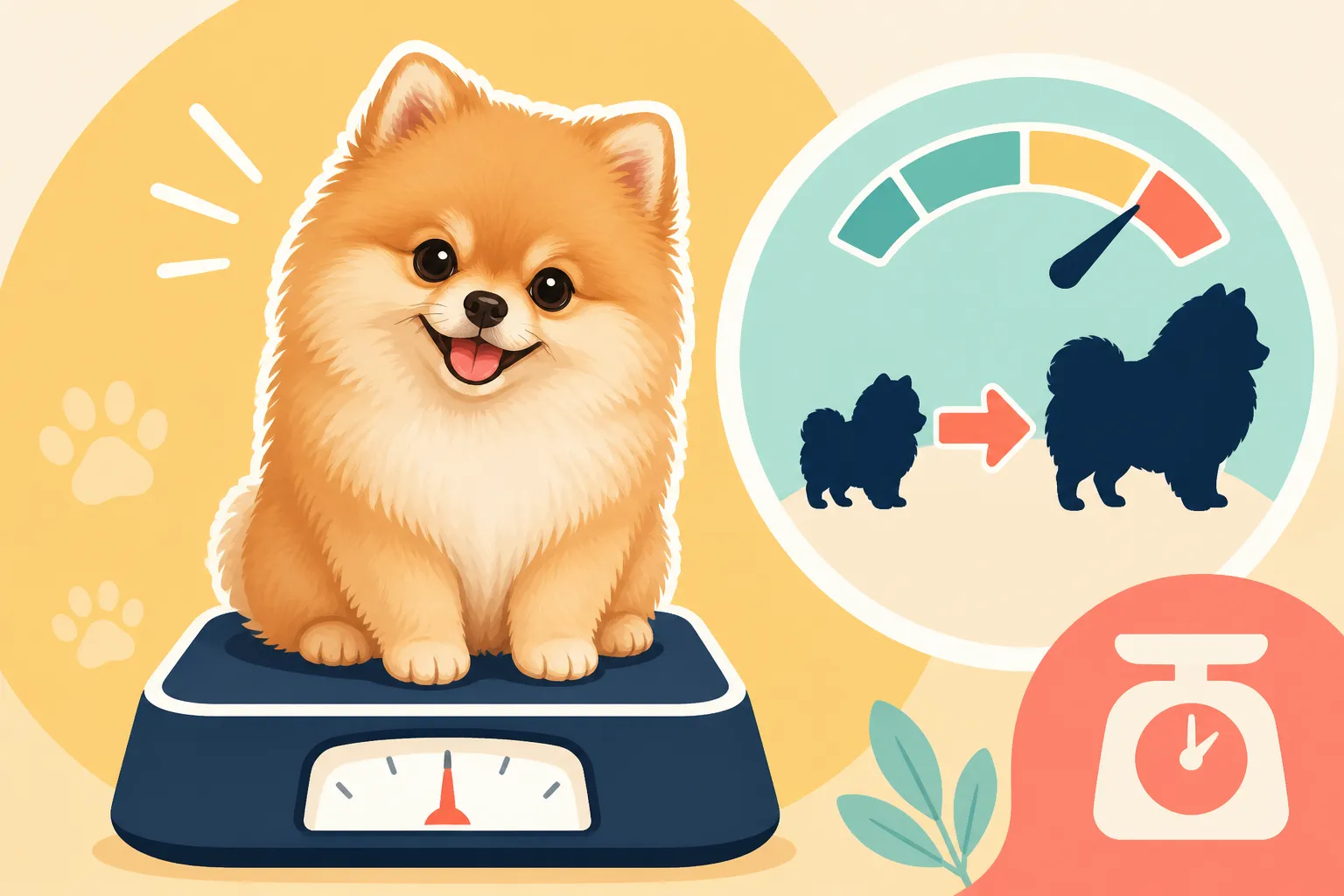
One of the best ways to track your Pomeranian puppy's weight is with regular weigh-ins at home. A small kitchen scale or a baby scale works perfectly for this. Make it a routine – perhaps once a week on the same day, at the same time, before their first meal. This consistency helps you get the most accurate readings. Simply place a towel or a small box on the scale, zero it out, and then place your puppy in it.
Keep a written record of their weight. This simple act creates a growth chart that you can share with your veterinarian at every check-up. They'll appreciate the detailed information and it can help them identify any sudden plateaus or drops that might need further investigation. Many dedicated Pomeranian owners swear by these weekly weigh-ins, especially in the first six months, as a key indicator of their puppy's health.
Visual Assessment and Body Condition Scoring
Beyond the scale, learning to visually assess your Pomeranian puppy's body condition is a valuable skill. You should be able to feel their ribs easily under a slight layer of fat, but not see them protruding sharply. When you look down at your puppy from above, you should see a discernible waist tucking in behind their ribs. From the side, their belly should not sag.
A quick guide to body condition:
| Condition Category | Visual Cues | Palpation Cues |
|---|---|---|
| Too Thin | Ribs, spine, pelvic bones easily visible; severe waist tuck. | Ribs, spine, pelvic bones very prominent with no fat covering. |
| Ideal | Ribs not visible but easily felt; clear waist tuck. | Ribs easily felt with minimal fat covering; abdomen tucked. |
| Too Heavy | Ribs not visible; no waist tuck; broad back. | Ribs difficult to feel under thick fat layer; abdomen rounded. |
Remember, a Pomeranian's fluffy coat can be very deceptive! You really need to use your hands to feel their body condition properly. What looks like a perfectly plump puppy might actually be an underweight dog swallowed by its fur. Always use your hands to check their ribs, spine, and hip bones.
Veterinary Check-ups and Growth Charts
Your veterinarian is your primary partner in monitoring your Pomeranian puppy's growth. They will conduct thorough examinations, including weighing your puppy, at each scheduled visit. These visits are essential, especially for vaccinations and deworming. Your vet will compare your puppy's weight against standard growth curves for small breeds and against their own previous measurements. The Checkup Schedule a Pomeranian Should Keep is crucial for these early health assessments.
Don't hesitate to bring your home weight records to these appointments. If you're using a puppy-specific food, like those found on Amazon or Chewy, your vet can also advise on appropriate portion sizes. They can offer guidance if your puppy is growing too fast, too slow, or if their body condition isn't ideal. Sometimes, a vet might even suggest specific supplements or a change in diet, such as switching to a limited ingredient diet if stomach upset is affecting nutrient absorption.
Addressing Underweight or Overweight Concerns in Puppies
It's natural to worry if your Pomeranian puppy isn't hitting those ideal weight benchmarks. Whether they seem too small or a little too chunky, it's a concern that needs attention. Early intervention can make a big difference in ensuring a long, healthy life for your pint-sized companion.
When Your Pomeranian Puppy is Underweight
Discovering your Pomeranian puppy is underweight can be alarming, but it's important not to panic and start force-feeding. First, rule out the simple things. Are you feeding them enough meals throughout the day? Pomeranian puppies, particularly very young ones, need to eat frequently due to their high metabolism and tiny stomachs. How Often a Pomeranian Puppy Needs to Eat is often more than an adult dog. Is the food high-quality and palatable? Some picky eaters might simply not be consuming enough of what you offer.
If feeding adjustments don't help, or if your puppy seems lethargic, has diarrhea, or isn't growing at all, a vet visit is essential. An underweight puppy could be battling parasites, a congenital issue like a heart defect, or a metabolic problem. Your vet will perform a thorough exam, possibly including stool samples or blood work, to get to the root of the problem. They might suggest a calorie-dense food, or if the puppy is particularly fragile, recommend supplemental feeding strategies. It's a team effort with your vet to get your tiny one back on track.
When Your Pomeranian Puppy is Overweight
While less common in very young puppies, it's possible for a Pomeranian puppy to become overweight, especially as they get a bit older and their metabolism starts to slow down. It’s easy to overfeed these adorable little creatures with treats or too-generous meal portions. An overweight puppy is at higher risk for joint problems (especially with conditions like Slipping Kneecaps in a Five Pound Pomeranian), respiratory issues, and other health complications later in life.
If you suspect your Pomeranian puppy is getting a bit pudgy, start by honestly assessing their diet and treat intake. Are those tiny training treats adding up? Are you measuring their food accurately? Even a few extra kibbles for a tiny Pom can make a big difference. Remember How Many Cups a Five Pound Pomeranian Eats is incredibly small compared to larger breeds. Increase their activity levels with more structured playtime or short, gentle walks, always mindful of their fragile windpipe.
Again, consult your vet. They can help you create a safe weight-loss plan, ensuring your puppy still gets all the necessary nutrients for growth without the excess calories. Never drastically cut a puppy's food without veterinary guidance, as this can be dangerous. It's a delicate balance to manage weight in a growing puppy, but it’s a crucial step for their long-term health and mobility.
Disclaimer
This article is for general informational purposes only and does not constitute professional advice. Laws, prices and regulations vary by location and change over time. Consult a qualified professional for guidance on your specific situation.