The Three to Seven Pounds a Pomeranian Should Hold
As a Pomeranian parent, you know our little fluffballs come in a wonderful array of sizes, from truly tiny to a bit more robust. It's incredibly common to feel a little lost when trying to figure out if your beloved Pom is at a healthy weight. Owners often worry their small Poms are too thin, or miss the subtle signs that a floofier Pom is actually carrying a few extra pounds under all that glorious coat. This comprehensive guide will walk you through the breed's ideal weight range, help you recognize the signs of both underweight and overweight conditions, and empower you with practical steps to keep your Pomeranian thriving.
Understanding the Pomeranian Breed Standard for Weight
It's easy to get caught up in how adorable our Poms are, but understanding the breed standard isn't just for show rings; it's a critical baseline for health. The breed standard gives us a blueprint for what a healthy, well-structured Pomeranian should look like, and weight is a big part of that. Knowing this helps us ensure our companions live long, comfortable lives free from preventable issues.
The Ideal Range: Three to Seven Pounds
Officially, the Pomeranian breed standard, as recognized by major kennel clubs, specifies an ideal weight range of three to seven pounds (approximately 1.36 to 3.18 kg). This range is specifically designed to encompass Poms that are sturdy, well-built, and proportionate for their small stature. A Pomeranian within this range should appear compact, with good bone structure, and, crucially, should be able to move freely and gracefully without any sign of strain or frailty. Their overall appearance should be balanced, with that magnificent double coat giving them a rounded, fluffy silhouette, but underneath, there should be a lean, muscular body.
For example, a five-pound Pomeranian should feel solid and substantial when you pick them up, not delicate like a bird or heavy like a brick. Their tiny frames are built for spirited activity, and maintaining this healthy weight ensures their joints, heart, and lungs are not under undue stress. Anything significantly outside this range, either too high or too low, often signals a potential health concern that warrants a closer look. It's truly amazing how much personality and vitality can be packed into such a small, standard-compliant package. We've written a whole piece on The Weight the Pomeranian Standard Requires if you're interested in diving deeper into this.
Why the Breed Standard Matters
Adhering to the breed standard for weight isn't about vanity; it's fundamentally about health and well-being. Pomeranians were selectively bred for their distinctive size and features, and the weight standard reflects what is generally considered healthiest for their unique physiology. When a Pom falls outside this range, it often means their body systems are working harder than they should be, or they're missing crucial nutritional elements.
Consider a Pomeranian that consistently weighs eight or nine pounds without being particularly tall or long-bodied. That extra weight can put immense strain on their delicate joints, especially those prone to conditions like luxating patellas. It can also exacerbate respiratory issues, making that adorable honking cough of a collapsing trachea even more pronounced and frequent. On the flip side, a Pomeranian consistently under three pounds can be highly susceptible to hypoglycemia, especially as a puppy, and may struggle to maintain body temperature or sufficient muscle mass. The standard isn't an arbitrary number; it's a guide to promote optimal health and longevity for our beloved Poms.
Dispelling the "Teacup" Myth
You've probably seen or heard the term "teacup Pomeranian" floating around, often advertised with an emphasis on their extremely tiny size, sometimes well under the three-pound mark. It's a marketing term, not a recognized breed variation or a healthy standard. While a genuinely small, healthy Pomeranian might naturally fall on the lower end of the standard (say, three to four pounds), the "teacup" label often points to breeding practices that prioritize extreme smallness over health.
These "teacup" Poms are frequently the product of breeding runts together, or animals with inherent health weaknesses. This can result in puppies with significant health problems such as fragile bones, hydrocephalus (water on the brain), liver shunts, or persistent hypoglycemia that makes them incredibly difficult to manage. Their tiny bodies often lack the robust immune systems and structural integrity of a standard-sized Pomeranian. If you're considering a very tiny Pomeranian, it's crucial to be aware of What Teacup Breeding Costs a Pomeranian and the potential for a lifetime of expensive and heart-wrenching health challenges. A healthy Pomeranian is small, yes, but never "teacup" frail.
The Dangers of Being Underweight in a Pomeranian
While we often focus on the risks of obesity, an underweight Pomeranian faces its own set of serious health challenges. Because they are so small to begin with, even a slight dip below a healthy weight can quickly become critical. It's not always obvious under all that fluff, but learning to assess your Pom's body condition is vital.
Recognizing the Signs of Being Too Thin
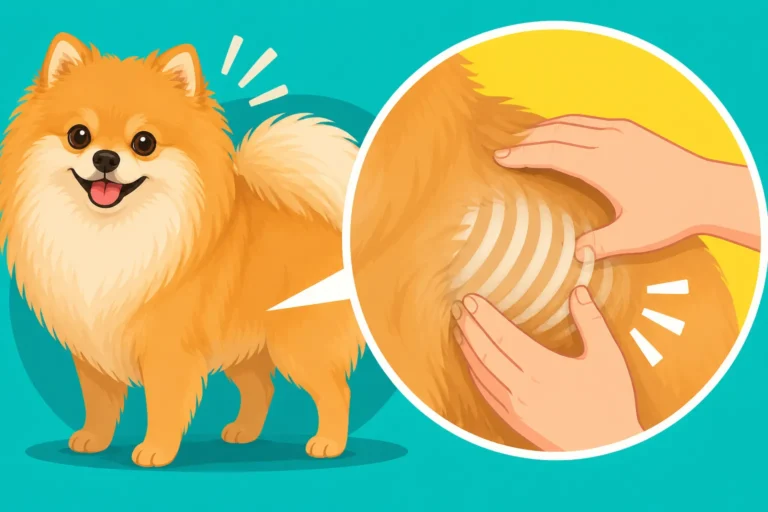
It's deceptively tricky to tell if your Pomeranian is too thin just by looking at them, thanks to their magnificent double coat. That fluffy exterior can hide a multitude of sins, both too much weight and too little. The best way to assess their condition is by feeling. Gently run your hands along their sides and back. You should be able to easily feel their ribs without pressing hard, almost like feeling the knuckles on the back of your hand. You should also feel their spine and hip bones without them protruding sharply.
If their ribs, spine, or hip bones feel very prominent, sharp, and easily visible without any fat or muscle padding over them, they are likely too thin. You might also notice a very exaggerated "tuck up" where their abdomen meets their hind legs, looking almost hollow. Other signs can include visible muscle wasting, especially over the hips and shoulders, or a general lack of energy and lethargy. A healthy Pom will have a noticeable, soft layer of muscle and a thin layer of fat over these bony landmarks.
Health Risks Associated with Underweight Poms
Being underweight isn't just about aesthetics; it poses significant health risks for a Pomeranian. One of the most critical concerns, especially in puppies, is hypoglycemia, or dangerously low blood sugar. Tiny Poms have very little fat reserves, and if they don't eat frequently enough or burn too many calories, their blood sugar can crash rapidly, leading to weakness, disorientation, and even seizures. This is why understanding Blood Sugar Crashes in a Pomeranian Puppy is so important.
Beyond hypoglycemia, chronic underweight conditions can lead to a weakened immune system, making them more susceptible to illnesses and infections. They may struggle to maintain a healthy body temperature, especially in cooler environments, becoming chilled easily. Muscle wasting can impact their mobility and overall strength, making them more prone to injuries. Nutrient deficiencies can also affect their coat quality, skin health, and organ function. An underweight Pom often lacks the resilience to bounce back from even minor stressors or illnesses, making prompt identification and intervention crucial.
Strategies for Healthy Weight Gain
If you suspect your Pomeranian is underweight, the first step is always a veterinary visit to rule out any underlying medical conditions like parasites, dental issues preventing them from eating, or other illnesses. Once any medical causes are addressed, healthy weight gain typically involves a combination of high-quality nutrition and careful feeding practices.
Your vet might recommend a higher-calorie, nutrient-dense food specifically formulated for small breed puppies or active dogs, even if your Pom is an adult. Feeding smaller, more frequent meals throughout the day can also help, as their tiny stomachs can only hold so much at once. Instead of two large meals, try three or four smaller ones. You might also consider incorporating a high-quality fresh food option like Ollie, which offers balanced, human-grade meals that can be very palatable and nutrient-dense for picky eaters or those needing to gain weight. Ensuring they have a consistent and calm eating environment, free from stress or competition with other pets, is also important. Always measure food precisely; you can find great small measuring cups on Amazon or specialized small breed food from Chewy to help ensure accuracy.
The Serious Impact of an Overweight Pomeranian
It's incredibly easy for our Poms to pack on extra pounds. They're small, often indulged with treats, and their fluffy coats can hide a lot. But those extra pounds, while seeming insignificant on such a tiny dog, can lead to a cascade of serious health problems that significantly reduce their quality of life and lifespan.
Identifying When Your Pomeranian is Carrying Extra Pounds
Just like with underweight Poms, a visual check isn't enough due to that glorious double coat. You need to use your hands. When you run your hands along your Pomeranian's sides, you should easily be able to feel their ribs without applying much pressure. If you have to press firmly to feel them, or if you can't feel them at all, your Pom is likely overweight. Similarly, when viewed from above, a healthy Pomeranian should have a discernible waist, a slight "hourglass" figure behind their ribs. If they look more like a furry sausage or a fluffy rectangle, they're carrying too much weight.
From the side, their abdomen should tuck up slightly after the rib cage, not sag down or appear parallel to the ground. You might also notice rolls of fat around their tail base, neck, or a general broadening of their frame. They might also show a reduced willingness to play, become easily winded during walks, or struggle to jump onto furniture they once managed effortlessly. Finding a Pomeranian's Ribs Through the Coat can be a surprisingly tricky skill to master, but it's essential for regular at-home checks.
Health Complications from Obesity
The health complications linked to obesity in Pomeranians are extensive and, sadly, often exacerbate issues they are already prone to due to their breed characteristics. One of the most common and painful issues is the worsening of luxating patellas, or slipping kneecaps. Extra weight puts incredible strain on these tiny joints, increasing the frequency and severity of the slips, leading to pain and potential arthritis. If you've ever had a Pom with Slipping Kneecaps in a Five Pound Pomeranian, you know how debilitating this can be.
Obesity also significantly impacts their respiratory system, particularly for a breed already predisposed to tracheal collapse. An overweight Pomeranian has more fat around its throat and chest cavity, further compressing an already fragile windpipe and making breathing much more difficult. This can lead to more frequent and severe episodes of The Honking Cough of a Pomeranian's Collapsing Windpipe. Other serious risks include heart disease, diabetes, liver disease, increased surgical and anesthetic risks, and even certain types of cancer. The cumulative effect of these conditions can drastically shorten a Pomeranian's life and diminish their daily comfort.
Gentle and Effective Weight Loss Approaches
Successfully guiding an overweight Pomeranian back to a healthy weight requires patience, consistency, and a vet-approved plan. Crash diets are never safe for such small dogs and can lead to other metabolic problems. The core principles involve reducing calorie intake and increasing physical activity, all under veterinary supervision.
Start by accurately measuring their current food portion. Many owners simply "eyeball" it, which can easily lead to overfeeding. Use a kitchen scale to weigh their kibble if possible, as measuring cups can vary. Your vet can help you determine a target daily calorie intake. Consider switching to a weight-management formula food, available from retailers like Chewy or Amazon, which are typically lower in calories but still provide essential nutrients. Portion control is key; avoid leaving food down all day, as free-feeding makes it impossible to track intake. You might want to explore fresh food options like Ollie, as their precise portioning and high-quality ingredients can be excellent for controlled weight loss. Gradually increase their exercise, starting with shorter, more frequent walks and incorporating indoor play sessions that get them moving without overexerting them. Remember, Taking Weight Off a Pomeranian Without Starving It is about smart management, not deprivation.
How to Accurately Monitor Your Pomeranian's Weight
Regularly checking your Pomeranian's weight and body condition is one of the most proactive steps you can take for their health. It helps you catch subtle changes early, allowing for timely adjustments to their diet or exercise routine before minor issues become major concerns.
Regular Weigh-Ins at Home and at the Vet
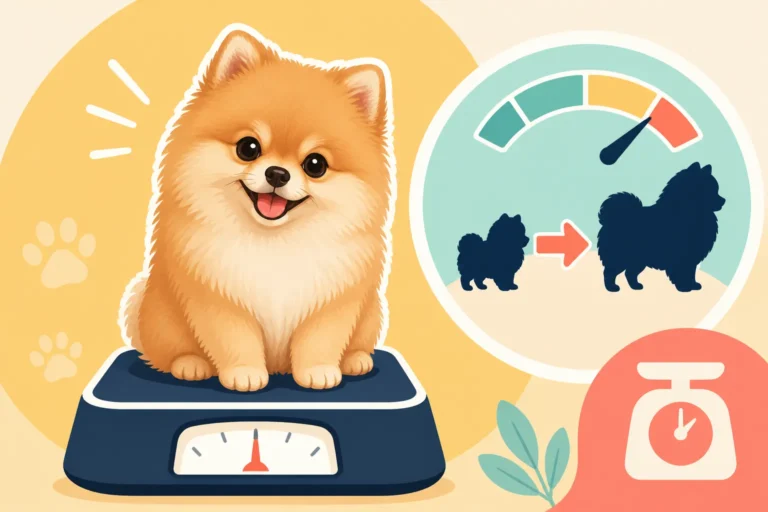
For a Pomeranian, precise weight monitoring is crucial because even half a pound can make a significant difference. I recommend weighing your Pom at home at least once a month, if not more frequently, especially if you're trying to manage their weight. A small digital kitchen scale or a baby scale works perfectly for this. Simply weigh yourself, then pick up your Pom and weigh yourself again. Subtract the first number from the second, and voilà – you have your Pom's accurate weight. Make sure you use the same scale each time for consistency. You can find reliable and affordable baby scales on Amazon that are perfect for this purpose.
Your veterinarian will also weigh your Pomeranian at every check-up, which is typically once or twice a year. These vet visits are invaluable, as they can track trends over time and use their professional equipment for highly accurate readings. Don't underestimate the power of consistent weigh-ins; it provides objective data that can inform your care decisions. Plus, it's a great habit to get your Pom used to being handled gently! Consider checking The Checkup Schedule a Pomeranian Should Keep for more on regular health monitoring.
The Importance of Body Condition Scoring
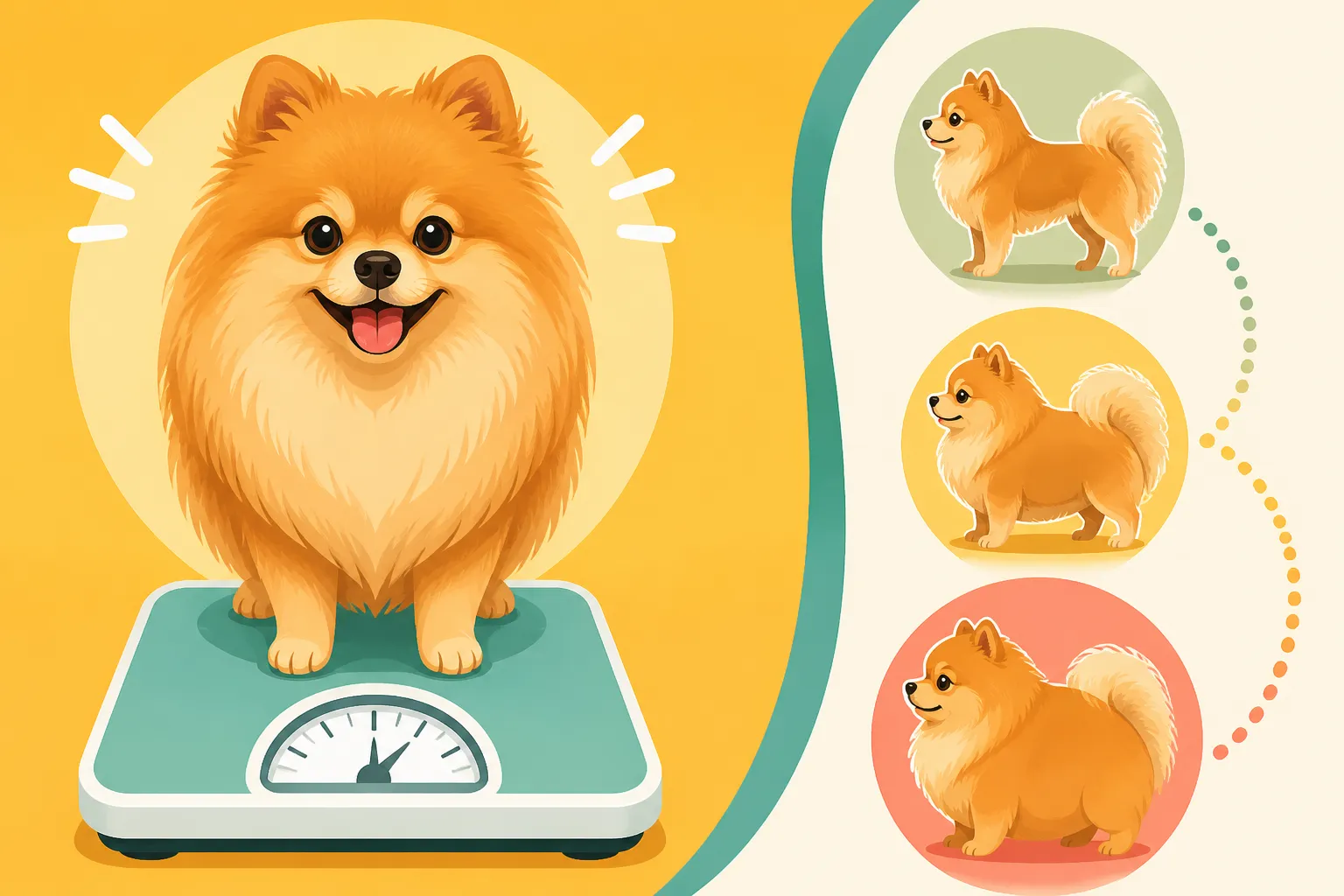
While the number on the scale is important, it doesn't tell the whole story, especially with the Pomeranian's fluffy coat. Body Condition Scoring (BCS) is a visual and tactile assessment that helps you gauge your dog's fat reserves and muscle mass. It's often done on a 9-point scale, with 1 being emaciated and 9 being severely obese, and the ideal target being 4 or 5.
To perform a BCS, gently feel along your Pom's ribs, spine, and waist.
- BCS 1-3 (Underweight): Ribs, spine, and hip bones are very prominent, easily visible, and have no fat covering. There's a severe abdominal tuck.
- BCS 4-5 (Ideal): Ribs are easily palpable without excess fat cover, waist is easily noted, and there's a slight abdominal tuck. This is what you're aiming for.
- BCS 6-9 (Overweight/Obese): Ribs are difficult to feel under a thick fat layer, waist is absent or barely discernible, and there's little to no abdominal tuck.
Here's a simplified table to guide you:
| Body Condition Score | Ribs | Waist (Viewed from above) | Abdominal Tuck (Viewed from side) |
|---|---|---|---|
| Too Thin (1-3) | Easily visible and felt, no fat covering | Clearly evident and exaggerated | Very evident, severe tuck up |
| Ideal (4-5) | Easily felt, minimal fat covering | Clearly evident, hourglass | Noted, slight tuck up |
| Overweight (6-7) | Difficult to feel, moderate fat covering | Barely discernible, broad back | Minimal or no tuck up |
| Obese (8-9) | Very difficult/impossible to feel, heavy fat | Absent, very broad back | Bulging or sagging abdomen |
Regularly performing a BCS helps you interpret the number on the scale in the context of your dog's individual build. You're not just looking for a number; you're looking for healthy body composition.
When to Seek Veterinary Advice
While home monitoring is great, there are definitely times when it's essential to involve your veterinarian. If you notice any sudden, unexplained weight loss or gain, regardless of the amount, it's a red flag. A rapid change in weight can indicate an underlying medical condition that needs immediate investigation, such as thyroid issues, kidney disease, or even tumors.
Similarly, if your Pomeranian consistently remains outside the healthy weight range despite your best efforts with diet and exercise, a vet visit is warranted. They can assess for metabolic issues, malabsorption problems, or other conditions that might be hindering weight management. If your Pom is displaying other symptoms like lethargy, changes in appetite, increased thirst, or difficulty breathing in conjunction with weight changes, do not hesitate to seek professional advice. Early intervention often leads to the best outcomes for your furry friend.
Tailoring Nutrition and Exercise for Weight Management
Once you have a good handle on your Pomeranian's current weight and body condition, the next step is to optimize their daily routine. This means being mindful of what they eat, how much they eat, and how much they move their tiny paws.
Selecting the Right Food and Portion Sizes
Choosing the right food is paramount for a Pomeranian's health, especially given their small size and specific needs. Look for high-quality small breed formulas that are nutrient-dense and appropriate for their age and activity level. These formulas are typically designed with smaller kibble sizes that are easier for their tiny mouths to chew and digest, and their nutrient profiles are balanced for smaller, faster metabolisms. You can find a vast selection of these on platforms like Chewy or at your local pet supply store. We talk more about this in Kibble Small Enough for a Pomeranian.
Portion control, however, is the real game-changer. It's incredibly easy to overfeed a Pomeranian, as even a few extra kibbles can add up for a dog weighing only a few pounds. Always follow the feeding guidelines on your dog food bag as a starting point, but be prepared to adjust based on your Pom's individual needs, activity level, and body condition score. It's highly recommended to use a precise measuring cup or, even better, a kitchen scale to weigh out their daily allowance. Then, divide that into two or three smaller meals throughout the day. For adult Poms, leaving food down all day (free-feeding) usually leads to weight gain and isn't recommended. For a detailed breakdown, check out How Much Food a Five Pound Pomeranian Eats. If your Pom is particularly picky or has allergies, a fresh food delivery service like Ollie can offer pre-portioned, balanced meals tailored to their exact caloric needs.
Safe and Appropriate Exercise Routines
Exercise is just as vital as nutrition for weight management, but for a Pomeranian, it needs to be carefully tailored to their size and potential health predispositions. They might be little, but they are energetic and intelligent, and they absolutely need daily physical activity to stay trim and mentally stimulated.
Short, frequent walks are often best. Aim for two or three brisk 15-20 minute walks per day, rather than one long, strenuous outing. This helps them burn calories without overtaxing their small frames. Always use a harness instead of a collar to protect their delicate trachea; this is especially important if you suspect your Pom is carrying extra weight, as Why an Overweight Pomeranian Struggles to Breathe often comes down to tracheal strain. Indoor play is also fantastic – think fetch with soft toys, gentle tug-of-war, or hide-and-seek. These games provide mental stimulation and physical exertion in a safe, controlled environment. If it's very hot or cold outside, or if your Pom has known respiratory issues, prioritize indoor exercise to prevent heatstroke or exacerbating breathing difficulties. Remember that even a small amount of consistent activity makes a huge difference. You might be surprised how much Exercise a Pomeranian Needs to Stay Trim.
Treats and Supplements: A Balanced Approach
Let's be honest, resisting those adorable Pomeranian puppy-dog eyes when they're begging for a treat is almost impossible! Treats are a wonderful tool for training and bonding, but they can quickly derail a weight management plan if not given wisely. For Poms, treats should be small, low-calorie, and given in moderation. Think tiny pieces of cooked chicken breast, baby carrots, green beans, or commercially available low-calorie training treats. Always factor treats into their daily caloric intake, especially if you're working on weight loss. Avoiding human table scraps is another golden rule; many human foods are too rich, fatty, or even toxic for our tiny companions. For more insights on this, you can read How Few Treats a Pomeranian Can Actually Have.
When it comes to supplements, always consult your veterinarian. While some supplements, like omega-3 fatty acids, can support skin and coat health or joint function, they also contain calories that need to be accounted for. Never add supplements to your Pomeranian's diet without professional guidance, as it can disrupt the balance of nutrients in their food or even cause harm if given inappropriately. A well-balanced diet usually provides all the nutrients a healthy Pomeranian needs, so supplements are typically only necessary if there's a specific deficiency or medical condition.
Disclaimer
This article is for general informational purposes only and does not constitute professional advice. Laws, prices and regulations vary by location and change over time. Consult a qualified professional for guidance on your specific situation.