Getting a Pomeranian Through a Heat Wave
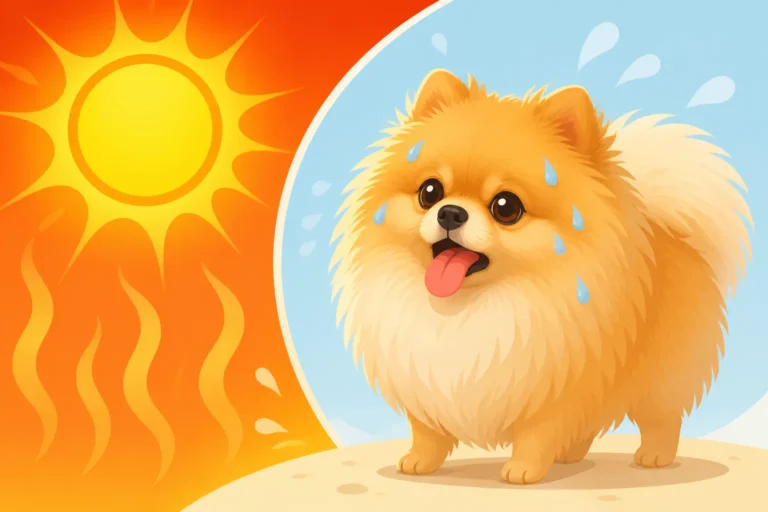
When the thermometer starts climbing and the air feels thick and heavy, many of us worry about keeping our tiny, fluffy Pomeranian companions safe and comfortable. These little dogs, with their dense double coats and often spirited personalities, are particularly vulnerable to overheating. It's not just about them being a bit warm; extreme heat can quickly turn dangerous, leading to serious health issues or even a life-threatening emergency. This comprehensive guide will walk you through everything you need to know to protect your Pomeranian during a heat wave, from understanding the risks to recognizing warning signs and implementing life-saving strategies.
Understanding Why Heat is Such a Big Deal for Pomeranians
It’s easy to look at a Pomeranian, trotting around with their fluffy tail held high, and forget that beneath all that confidence and fluff lies a very delicate system. Heat waves are no joke for these dogs, and their unique physiology makes them especially susceptible to overheating. It's not just discomfort; it's a serious health hazard that every Pom parent needs to be acutely aware of.
The Double Coat Dilemma: Friend or Foe in the Heat?
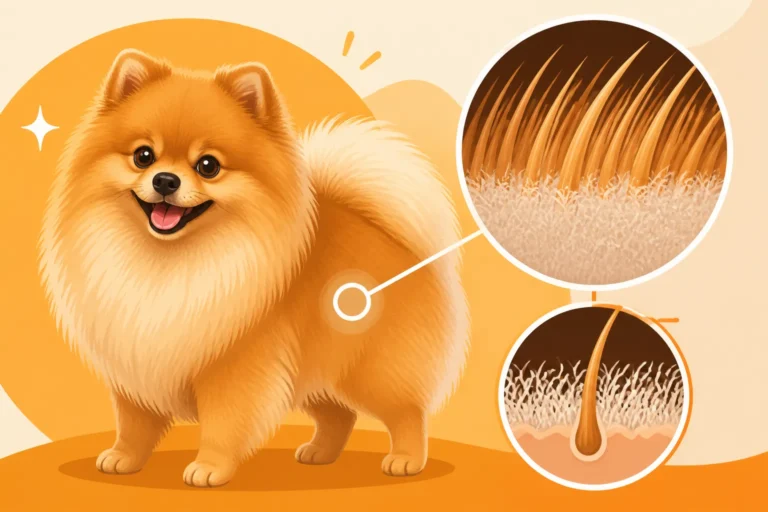
One of the most defining features of a Pomeranian is that glorious double coat. We all love to bury our faces in their soft fur, but it's often misunderstood in hot weather. Many people mistakenly believe that shaving a Pomeranian down will help them stay cooler. In reality, their double coat is a marvel of natural engineering, designed to insulate them from both cold and heat. The dense undercoat provides a barrier against the sun's intense UV rays, while the longer guard hairs allow for airflow, creating a natural cooling system against their skin. When you shave this coat, you strip away their natural protection, exposing their delicate skin directly to the sun and interfering with their body's ability to regulate temperature effectively. This can actually make them hotter and put them at risk for sunburn and other skin issues. For more on this, you might find The Double Coat That Makes a Pomeranian and Why It Stays On helpful.
Trying to decide if a trim is okay, or if you should shave your Pom entirely, is a common dilemma for owners. While it might seem counterintuitive, those luscious layers are actually working hard to keep your dog comfortable in various temperatures. Removing them can disrupt this delicate balance. Instead of shaving, proper grooming, which focuses on brushing out the undercoat, helps maintain the coat's natural function and prevents matting that could trap heat.
Small Body, Big Heat Risk: Why Size Matters
You might think a small dog would cool down faster, but for Pomeranians, their compact size actually presents a unique set of challenges in high temperatures. Their smaller surface area-to-volume ratio means they can absorb heat quickly, but they don't have the same capacity as larger dogs to dissipate it. This makes them much more prone to rapid temperature increases, and their tiny bodies simply can't handle extreme heat for extended periods.
Think about it: a human can sweat over their entire body to cool down, but dogs rely primarily on panting. For a tiny Pomeranian, their respiratory system is working overtime in the heat, and if they can't effectively cool themselves, their core temperature can rise to dangerous levels very quickly. This vulnerability means that what might be merely uncomfortable for a larger breed could be life-threatening for a Pomeranian. Always remember that a hot day is exponentially riskier for your pint-sized companion.
Brachycephalic Tendencies: More Than Just a Cute Face
While Pomeranians aren't strictly a brachycephalic breed like Bulldogs or Pugs, many Poms do have shorter snouts and more compact airways than their wild ancestors. This slight tendency towards a shorter muzzle, often referred to as a "fox face" or "baby doll" face depending on the individual, means their ability to efficiently pant and exchange heat can be somewhat compromised compared to dogs with longer snouts. Panting is a dog's primary way of cooling down, as they don't sweat much through their skin.
When a Pomeranian pants, air moves over the moist surfaces of their tongue, mouth, and upper respiratory tract, evaporating moisture and thus cooling their blood. If their airways are even slightly restricted or less efficient due to their facial structure, this vital cooling mechanism can be hampered. This makes them work even harder to cool down, increasing their risk of heatstroke. Owners must be especially vigilant, as these dogs have less "breathing room," literally, when it comes to combating rising body temperatures.
Recognizing the Signs of Heat Stress and Overheating
One of the biggest challenges during a heat wave is knowing when your Pomeranian is simply warm and when they're actually in distress. These little dogs are tough and can sometimes mask their discomfort until it becomes an emergency. Learning the subtle cues and urgent red flags is crucial for protecting your furry friend.
Subtle Warnings: What to Look For Before It's Too Late
Early detection is your best weapon against severe heatstroke. Your Pomeranian won't be able to tell you they're feeling unwell, so it's up to you to be a diligent observer. The first signs of heat stress are often subtle and can easily be mistaken for normal behavior if you're not paying close attention. Look for changes in their usual energy levels. Are they typically zooming around, but now seem sluggish or reluctant to play? A Pom that's usually enthusiastic about a walk suddenly dragging their feet could be trying to tell you something.
Excessive panting, especially if it seems louder or more strained than usual, is another key indicator. While panting is normal for dogs to cool down, unusually heavy, rapid, or persistent panting is a red flag. Check their gums – normally they should be a healthy bubblegum pink. If they appear darker red, almost brick-like, this suggests they're overheating. They might also seek out cool spots more intensely than usual, constantly trying to lie on tile floors or in the shade. Sometimes, their eyes might look a little glazed or unfocused. If you notice any combination of these signs, it's time to intervene and start cooling them down immediately, even if it doesn't seem critical yet.
Emergency Red Flags: When to Act Immediately
While subtle signs warrant attention, there are definite emergency red flags that mean you need to drop everything and get your Pomeranian veterinary care now. These symptoms indicate that heatstroke is likely setting in, and every minute counts. One of the most alarming signs is uncontrolled drooling, often thick and ropey, which can be accompanied by foamy saliva around their mouth. This indicates extreme distress and dehydration. Their breathing might become extremely labored, raspy, or they may start making gurgling noises, which is terrifying to witness.
Another critical sign is disorientation or staggering. Your Pom might bump into furniture, seem confused about where they are, or simply be unable to stand up properly. Vomiting and diarrhea are also serious indicators of heatstroke, often coupled with bright red gums that feel dry or sticky to the touch. In the most severe cases, they might collapse, have seizures, or lose consciousness. If you observe any of these emergency red flags, do not try to wait it out or manage it completely at home. Begin immediate first aid cooling measures while simultaneously arranging urgent transport to the nearest emergency veterinary clinic. Time is of the essence.
Misconceptions About Panting: When It's Normal vs. Dangerous
Panting is a dog's primary cooling mechanism, and it's completely normal for a Pomeranian to pant after a burst of play or during a warm day. This is their body efficiently regulating its temperature. However, not all panting is created equal, and distinguishing between healthy panting and dangerous panting is crucial. Normal panting typically involves rhythmic, open-mouthed breaths where their tongue might be slightly extended. Their breathing should still appear relatively relaxed, though faster than when they are resting.
Dangerous panting, on the other hand, is much more frantic and often accompanied by other distress signals. It might sound harsher, like a series of short, shallow gasps, or it could be excessively deep and rapid, almost hyperventilating. Their chest and abdomen will visibly heave with each breath. Their tongue might be extended far out, and look broader and darker than usual, sometimes with a bluish tint if they're not getting enough oxygen. If your Pomeranian is panting heavily even when they're not exercising, or if their panting doesn't subside quickly after moving to a cooler spot, it’s a strong sign of heat stress. Pay close attention to the quality and intensity of the panting, not just the fact that they are panting.
Immediate Actions When Your Pomeranian is Overheating
Finding your beloved Pomeranian in distress due to heat is a terrifying experience. Panicking won't help, but acting quickly and decisively can be life-saving. Knowing exactly what to do in those critical moments can make all the difference.
The First Aid Steps You Can Take at Home
If you suspect your Pomeranian is overheating, your first priority is to lower their body temperature safely and gradually. Start by moving them immediately to the coolest possible environment – an air-conditioned room, a shady spot outdoors, or even just in front of a fan. Avoid dunking them directly into ice water, as this can cause their blood vessels to constrict and actually hinder cooling, potentially leading to shock. Instead, use cool (not freezing cold) water. Dampen towels and gently place them on their body, focusing on areas with less fur and high blood flow, such as their paw pads, groin area, and armpits. You can also carefully use a sponge or wet cloth to wipe down their ears and the top of their head.
Offer them small sips of cool water, but don't force them to drink if they're disoriented or struggling, as they could aspirate it. If they are able to drink, make sure it's fresh, clean water. Using a cooling mat, like those you can find from retailers such as Amazon or Chewy, can also be beneficial at this stage. These mats contain gels that stay cool and draw heat away from their body, but make sure it’s not too cold and that your Pom doesn't try to chew it. Continuously monitor their breathing and gum color, and keep speaking to them in a calm, reassuring voice. Even as you're performing these first aid measures, it's vital to prepare for the next step: getting to the vet.
Getting to the Vet: Transporting a Heat-Stressed Pom
Once you've initiated cooling measures, the next crucial step is to get your Pomeranian to an emergency veterinarian as quickly and safely as possible. Call ahead to the clinic while you're cooling your dog, so they know you're coming and can prepare for your arrival. This saves precious minutes. When transporting them, try to maintain a cool environment in your car. Turn the air conditioning to its coldest setting and direct the vents towards your Pom's carrier or bed.
Keep those cool, damp towels on their body during the drive, reapplying as needed. Even if they seem to be perking up, it's essential to continue to the vet. Heatstroke can have delayed complications, affecting organs like the kidneys, liver, and brain, and internal damage might not be immediately apparent. A veterinarian can assess the full extent of the heatstroke, monitor their vital signs, provide intravenous fluids to combat dehydration, and address any potential organ damage. Never assume your Pomeranian is "all better" just because they seem to cool down a bit at home; professional medical attention is non-negotiable in these situations.
What to Expect at the Emergency Clinic
When you arrive at the emergency clinic with a heat-stressed Pomeranian, be prepared for a rapid response. The veterinary team will typically whisk your Pom away immediately to begin aggressive cooling and stabilization. They'll take their core temperature, which will likely be elevated, and continue external cooling methods like cool intravenous fluids, fanning, and possibly even a cool water bath if deemed appropriate by the vets. They'll also monitor vital signs like heart rate, respiratory rate, and blood pressure very closely.
Blood tests are usually performed to check for organ damage, especially to the kidneys and liver, and to assess electrolyte imbalances. Your Pomeranian might need oxygen therapy if their breathing is compromised, or medications to prevent seizures or address shock. The length of stay will depend on the severity of the heatstroke and how well they respond to treatment. Even after their temperature normalizes, they'll likely be kept for observation to watch for delayed complications. It can be a scary and overwhelming experience, but trust that the veterinary team is doing everything they can to save your beloved companion.
Proactive Strategies for Keeping Your Pomeranian Cool
An ounce of prevention is worth a pound of cure, especially when it comes to heat stress in Pomeranians. By implementing proactive strategies, you can significantly reduce the risk of your fluffy friend becoming overheated, even during the most sweltering days.
Optimizing Your Home Environment for Cooler Poms
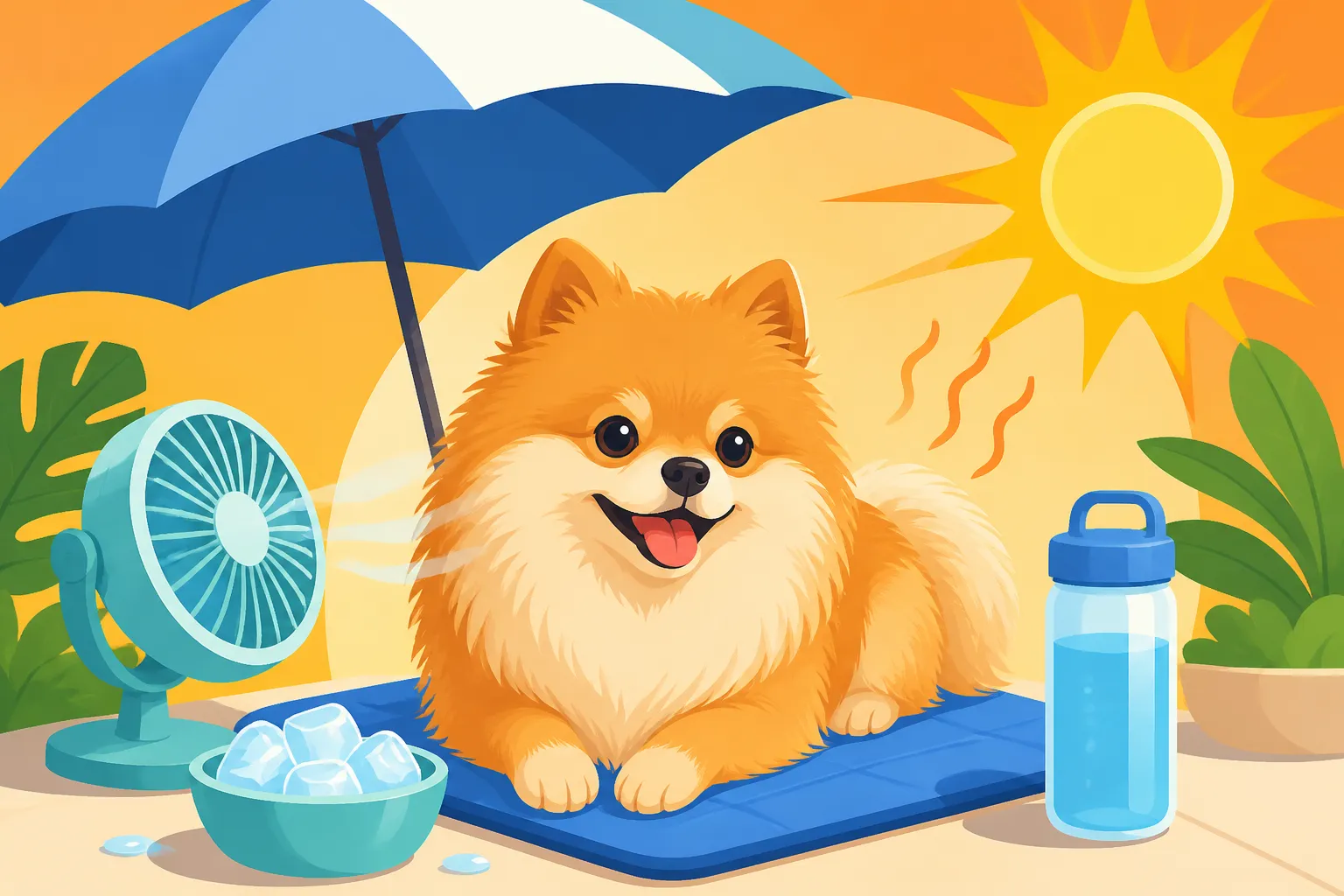
Your home should be a sanctuary from the heat for your Pomeranian. If you have air conditioning, use it! Keep your home comfortably cool, even if it means adjusting the thermostat more than you usually would. If AC isn't an option, strategic use of fans can help. Place fans at floor level to create air circulation, ensuring your Pom can feel the breeze. Always make sure cords are tucked away safely to prevent chewing. Drawing curtains or blinds during the hottest parts of the day can block direct sunlight and keep rooms from warming up too much.
Consider investing in a [cooling mat for a Pomeranian] or a raised pet bed that allows for airflow underneath, preventing heat from radiating up from the floor. Ceramic tiles or stone floors can also provide a naturally cool spot for them to rest. Make sure they always have access to fresh, cool water in multiple locations throughout the house. A heavy ceramic bowl helps keep water cooler for longer. You might even place a few ice cubes in their water bowl to keep it extra refreshing, but only if they don't try to chew on them as a choking hazard.
Smart Outdoor Practices During a Heat Wave
Even when it's hot, your Pomeranian still needs some exercise and potty breaks. However, you need to adjust your routine drastically during a heat wave. Avoid walks during the hottest parts of the day, typically between 10 AM and 4 PM. Instead, aim for early morning or late evening outings when temperatures are significantly cooler. Even then, keep walks very short and focused on their needs, not extended exercise. Remember, The Temperature That Is Too Hot for a Pomeranian is likely lower than you think.
Always check the pavement temperature before heading out. Asphalt and concrete can reach scorching temperatures, easily burning delicate paw pads. A good rule of thumb is to place the back of your hand on the pavement for five to seven seconds; if it's too hot for your hand, it's too hot for their paws. Opt for grassy areas or wear booties designed to protect their paws from heat. Never, ever leave your Pomeranian unattended in a parked car, even for "just a minute," and even with the windows cracked. The interior temperature can skyrocket to deadly levels in a matter of minutes.
Hydration Heroes: Encouraging Water Intake
Keeping your Pomeranian adequately hydrated is paramount during hot weather. Sometimes, despite having access to water, Poms might not drink enough on their own. You need to be a hydration hero! Ensure their water bowls are always clean and filled with fresh, cool water. Consider adding a few ice cubes to their water throughout the day to keep it appealing.
A pet drinking fountain can encourage some Poms to drink more, as the flowing water often entices them. If your Pom is still reluctant, you can try adding a splash of low-sodium chicken broth (ensure no onion or garlic!) to their water to make it more palatable. You can also offer hydrating snacks, which we'll discuss more later. Always bring a portable water bottle and a collapsible bowl whenever you leave the house with your Pomeranian, even for short trips to the park or car rides. Knowing How Little Water a Pomeranian Actually Drinks on a normal day emphasizes the importance of consistent encouragement during heat waves.
Essential Gear and Products for Summer Safety
Preparing for a heat wave means having the right tools and gear on hand. Beyond just common sense, there are several products designed to help keep your Pomeranian safe and comfortable when temperatures soar.
Cooling Accessories and Beds
The market is full of fantastic cooling products that can make a real difference for your Pomeranian. As mentioned, cooling mats are a staple. These come in various sizes and often contain a non-toxic gel that activates with pressure, providing a cool surface for your dog to lie on. Look for durable, chew-resistant options. Another great item is a cooling vest or bandanna. These are typically soaked in water, then worn by your Pom. As the water evaporates, it draws heat away from their body, offering evaporative cooling. Ensure it fits snugly but isn't restrictive.
For outdoor excursions, a cooling bandana around their neck can be surprisingly effective. You can also find portable cooling fans that clip onto their carrier or stroller, providing a personal breeze. If you're a fan of a pet subscription box service, sometimes you'll find these types of seasonal items included, or you can purchase them directly from online retailers like Chewy or Amazon. Remember, these accessories are a supplement to other cooling strategies, not a replacement for common sense measures like staying indoors during peak heat.
Travel Safety: Keeping Cool on the Go
Traveling with a Pomeranian, even for short car rides, requires extra vigilance during hot weather. Your car can quickly become an oven, so preparing it for your Pom's comfort is essential. Always pre-cool your car by running the air conditioning for a few minutes before putting your dog inside. Use sun shades on windows to block direct sunlight and prevent surfaces from getting too hot.
If your Pom rides in a carrier, consider covering part of it with a damp towel to provide a slightly cooler microclimate, but ensure there's still plenty of airflow. Never place a carrier in direct sunlight through a window. Always bring plenty of cool water and a portable bowl, stopping frequently to offer drinks. A small, battery-operated fan clipped to the carrier can also provide additional airflow. If you're on a road trip, plan your stops in air-conditioned establishments where your Pomeranian can safely come inside with you, or arrange for a pet-friendly hotel for longer breaks.
Grooming for Heat: What Helps and What Harms
This is a topic that often sparks debate among Pomeranian owners. As we discussed earlier, shaving a Pomeranian down is generally not recommended. Their double coat is designed to protect them, and removing it can expose them to sunburn and disrupt their natural thermoregulation. If you've been wondering Whether a Groomer Should Ever Shave a Pomeranian, the answer from most reputable sources is a resounding no, especially not to "cool them down."
Instead, focus on regular, thorough grooming to help their coat do its job. Frequent brushing, ideally several times a week, helps remove loose undercoat, which can trap heat. Think of it like a clogged filter; if the loose fur isn't brushed out, air can't circulate properly through their coat. A well-groomed coat, free of mats, allows for better airflow and insulation. Trims a Pomeranian Can Safely Have typically include a sanitary trim, tidying up paws, or shaping around the ears, but these don't involve removing the protective length of their double coat. If you feel their coat is too thick, consult a professional groomer who specializes in double-coated breeds; they can advise on techniques like "dematting" or "deshedding" services that preserve the coat's integrity while making it more breathable.
Nutrition and Feeding During Hot Weather
Just like humans, a Pomeranian's appetite and nutritional needs can shift slightly during a heat wave. Paying attention to what and when they eat can further support their health and comfort.
Adjusting Meal Times and Portions
During hot weather, many dogs experience a slight decrease in appetite, and that's perfectly normal. Eating generates body heat as their system works to digest food. To minimize this, consider adjusting your Pomeranian's meal schedule. Instead of feeding during the middle of the day, split their daily portion into smaller meals given during the cooler parts of the day – early morning and late evening. This allows their body to digest food when the ambient temperature is lower, reducing the internal heat generated.
You might also find that they simply don't want to eat as much, and forcing them can lead to an upset stomach. As long as they're not refusing food entirely for extended periods and are otherwise acting normally, a slight reduction in their intake is usually fine. Just make sure they're still getting adequate calories from their usual, high-quality food. If they suddenly become very lethargic or refuse food for a full day, it's worth checking in with your vet, as it could be a sign of something more serious than just a reduced appetite due to heat. We often discuss How Little Food an Adult Pomeranian Needs normally, so even slight adjustments can make a difference.
Hydrating Snacks and Treats
Beyond water, incorporating hydrating snacks and treats can give your Pomeranian an extra boost of moisture during a heat wave. Many fruits and vegetables are safe and refreshing options. Small pieces of watermelon (seedless, please!), cantaloupe, cucumber, or even blueberries can be a delicious and hydrating treat. Make sure to remove any seeds or rinds, and always offer in moderation to avoid an upset stomach. You can even freeze small pieces of these fruits for a longer-lasting, icy snack.
Another excellent option is plain, unsweetened yogurt or kefir, which also offer probiotics. You can freeze these in small silicone molds for a dog-friendly "popsicle." You can also create simple ice treats by freezing low-sodium chicken or beef broth (again, ensuring no onion or garlic). These are fantastic for both hydration and mental enrichment. Just be mindful of the calorie count, as even healthy treats add up, especially for a tiny Pomeranian who might already be eating less main kibble.
Avoiding Foods That Generate Internal Heat
While all food generates some internal heat during digestion, some foods might be more challenging for your Pomeranian's system to process, potentially leading to more heat production. Heavily processed foods, foods high in unhealthy fats, or those with artificial ingredients can put a greater strain on their digestive system. Opt for easily digestible, high-quality kibble or fresh food options like those offered by companies such as Ollie. A diet of fresh, whole ingredients can be gentler on their system.
It's also a good idea to limit rich, heavy treats or table scraps during a heat wave. While a tiny nibble of What a Pomeranian Steals Off a Coffee Table might be a regular occurrence, during hot weather, their system is already working hard. You want to avoid anything that could lead to digestive upset, which can exacerbate dehydration or simply make them feel more uncomfortable. Stick to simple, hydrating, and easy-to-digest options to keep their internal furnace running cool.
Table: Heat Stress vs. Heatstroke Symptoms in Pomeranians
Understanding the progression of heat-related illness is vital for timely intervention.
| Symptom Category | Early Heat Stress (Warning Signs) | Advanced Heatstroke (Emergency) |
|---|---|---|
| Panting | Increased, slightly heavier panting | Extremely heavy, rapid, frantic panting; noisy, gurgling breaths |
| Energy/Behavior | Lethargy, reluctance to play, seeking cool spots | Disorientation, staggering, uncoordinated movement, collapse, seizures |
| Gums/Tongue | Darker pink, slightly red | Bright red, brick-red, purplish, or pale/blue; dry or sticky |
| Saliva/Drooling | Minor increase in drooling | Profuse, thick, ropey saliva; foamy around the mouth |
| Body Temperature | Feels warm to the touch (not visibly distressed) | Extremely hot to the touch; rectal temperature > 104°F (40°C) |
| Other Symptoms | Minor restlessness | Vomiting, diarrhea, glassy eyes, loss of consciousness |
If you observe any of the "Advanced Heatstroke" symptoms, immediately begin cooling measures and transport your Pomeranian to the nearest emergency vet clinic.
Disclaimer
This article is for general informational purposes only and does not constitute professional advice. Laws, prices and regulations vary by location and change over time. Consult a qualified professional for guidance on your specific situation.