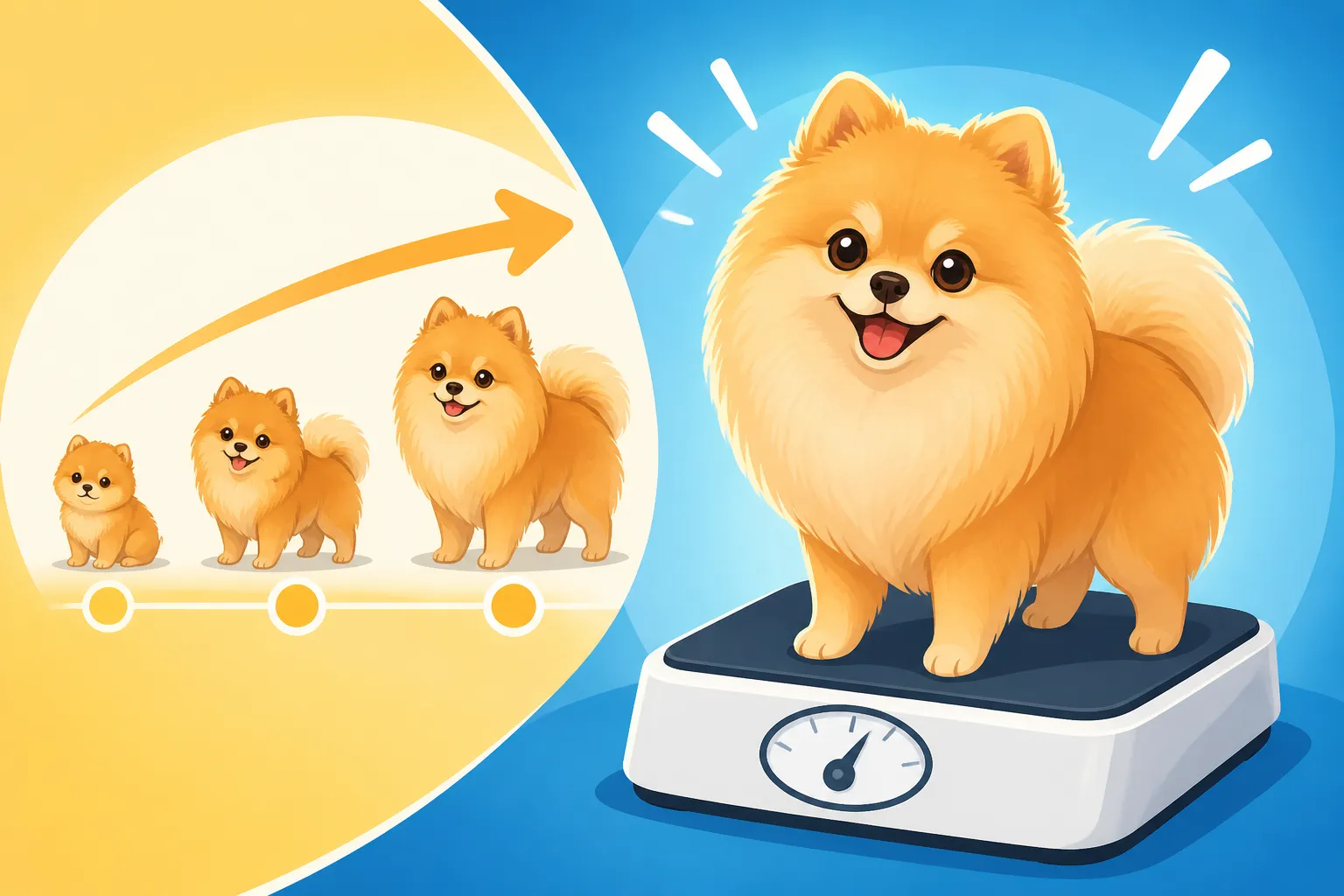
When a Pomeranian Reaches Its Final Weight
It’s a common worry for new Pomeranian puppy parents: you bring home that adorable little fluffball, and while you're head-over-heels in love, you're also constantly wondering how big they'll actually get. Will they stay tiny? Will they grow into a robust little dog, or even a "throwback" to their larger ancestors? This guide will walk you through the typical growth trajectory of a Pomeranian, helping you understand the milestones and what to expect as your beloved companion matures into their final, charming size.
Understanding Pomeranian Growth Stages
The journey from a tiny, squeaking puppy to a full-grown, majestic Pomeranian is a fascinating one, marked by several distinct phases. It's not a straight line of growth, and understanding these stages can help alleviate concerns and set realistic expectations for your furry friend's development.
The Rapid Early Weeks
The first few weeks of a Pomeranian puppy's life are characterized by incredibly rapid growth. They seem to change almost daily, doubling in size and weight at an astonishing pace. During this time, proper nutrition is paramount. Feeding a Pomeranian Puppy Often Enough to Stay Safe is crucial to prevent blood sugar crashes, which tiny puppies are particularly susceptible to. Their tiny bodies are building bones, muscles, and their gorgeous double coat, all of which demand a lot of energy.
You'll notice their eyes opening, their first wobbly steps, and then quickly, they'll be running and playing. Their initial weight gains are significant because they have so much foundational development happening. This is also when their unique personalities truly start to blossom, transitioning from sleepy newborns to curious, adventurous pups ready to explore their world.
The Lanky Puppy Uglies Phase
Around three to six months of age, many Pomeranian puppies enter a phase affectionately known as the "puppy uglies." This is a period where their growth slows down in terms of overall size, but their proportions start to shift, and their glorious double coat begins to shed out to make way for their adult fur. You might find your once-fluffy puppy looking a bit scraggly, gangly, and perhaps a little awkward. Their legs might seem too long for their body, and their fur can look sparse in places.
This is a completely normal part of their development and isn't a cause for alarm. Think of it as their awkward teenage phase! Their permanent adult teeth are also coming in during this time, and they might seem a bit lanky or disproportioned as their skeletal structure matures before their full coat fills back in. Don't worry, they will eventually grow into those legs and fluff back up. For more on this, check out The Puppy Uglies a Pomeranian Goes Through.
Slowing Down and Filling Out
After the "puppy uglies," usually from six months to about a year, your Pomeranian's growth will start to consolidate. While they might not get much taller or longer, you'll notice them "filling out." Their chest will deepen, their musculature will become more defined, and most excitingly, their beautiful adult double coat will start to come in, giving them that iconic fluffy, rounded appearance. This is when they truly start to look like the adult Pomeranians you see in pictures.
Their growth plates will be closing, and their bones will be reaching their mature length. The focus shifts from linear growth to development in girth and density. This period is less about gaining inches and more about building their final body condition and coat volume. It's a joy to watch them transform during this stage, as their true Pomeranian silhouette emerges.
Pinpointing Final Weight: What to Expect
Determining the final weight of your Pomeranian can feel a bit like a guessing game, especially with puppies. However, there are several key indicators and factors that play a significant role in their ultimate size.
Factors Influencing Final Size
Several factors contribute to a Pomeranian's final adult weight. The most significant one is genetics. If both parents are within the breed standard for weight, there's a good chance their offspring will be too. However, even within the same litter, there can be some variation. The number of puppies in the litter can also play a small role; often, puppies from smaller litters might have had more resources in utero and could be slightly larger.
Nutrition during puppyhood is also critical. While it won't make a genetically small Pomeranian huge, consistent, high-quality nutrition ensures they reach their full genetic potential without being stunted by deficiencies. On the flip side, overfeeding can lead to obesity, which is unhealthy, but it won't fundamentally change their genetic adult size. Early spay/neuter can sometimes lead to slightly longer bone growth, as the growth plates close a little later, but this effect is usually minimal in small breeds like Pomeranians.
How Genetics Play a Role
Genetics truly are the blueprint for your Pomeranian's final size. A reputable breeder will be able to show you the parents' weights and, often, the weights of their previous offspring or other relatives. This can give you a strong indication of your puppy's potential adult size. The Predicting a Pomeranian Puppy's Adult Weight can be an inexact science, but looking at the lineage is usually the best bet.
Pomeranians, as a breed, have a fairly tight weight standard, typically ranging from three to seven pounds. While "throwback" Poms can occasionally occur, growing larger than expected, they are generally the exception rather than the rule in well-bred lines. These genetic predispositions mean that while diet and exercise are vital for health, they won't drastically alter the inherent genetic programming for size.
The Standard Weight Range
According to breed standards, a healthy adult Pomeranian typically weighs between three and seven pounds. Their height at the withers (the highest point of the shoulder blades) is usually between six and seven inches. This compact size is a hallmark of the breed. While some might fall slightly outside this range, a dog significantly larger or smaller may have implications for their overall health or breeding origins.
For instance, a Pomeranian weighing The Three to Seven Pounds a Pomeranian Should Hold is generally considered ideal for the breed's structure and health. Dogs much smaller are often marketed as "teacups," which can come with their own set of health challenges, while those significantly larger might be closer to the original, heavier Spitz ancestors. Understanding The Weight the Pomeranian Standard Requires helps you recognize if your dog is developing within healthy parameters.
Monitoring Your Pomeranian's Growth
Keeping an eye on your Pomeranian's growth isn't just about satisfying curiosity; it's a vital part of ensuring their long-term health and well-being. Regular monitoring can help you catch potential issues early.
Weekly Weight Checks for Puppies
For young puppies, especially those under six months, weekly weight checks can be incredibly informative. You can use a small kitchen scale for very tiny pups or a dedicated pet scale for slightly larger ones. Many pet supply stores, like Chewy or Amazon, offer accurate digital scales that can make this process easy and stress-free. Track their weight in a journal or a spreadsheet. You should see a consistent, albeit slowing, upward trend. Any sudden drop or plateau could warrant a call to your vet.
These early checks are particularly important because tiny puppies can sometimes struggle with maintaining consistent blood sugar levels, and weight loss can be a sign of an underlying issue. As they get older, the frequency can decrease, moving to monthly checks, and then eventually, just during their regular vet visits as part of their The Checkup Schedule a Pomeranian Should Keep.
Recognizing a Healthy Body Condition
Weight alone doesn't tell the whole story. A Pomeranian with a dense coat can sometimes appear heavier or lighter than they actually are. Learning to assess your dog's body condition score (BCS) is crucial. You should be able to feel their ribs easily under a thin layer of fat, but not see them protruding. Their waist should be evident when viewed from above, and there should be an abdominal tuck when viewed from the side.
A quick table can help illustrate this:
| Body Condition Score | Description | Appearance Notes (Pomeranian) |
|---|---|---|
| 1 (Emaciated) | Ribs, lumbar vertebrae, pelvic bones, and all bony prominences evident from a distance. No discernible body fat. | Clearly visible ribs, hips, and spine, even with some coat. |
| 2 (Very Thin) | Ribs, lumbar vertebrae, and pelvic bones easily visible. No palpable fat. Minimal abdominal tuck. | Ribs visible and easily felt. Sharp waist. |
| 3 (Ideal) | Ribs palpable without excess fat covering. Waist easily noted when viewed from above. Abdominal tuck apparent. | Ribs felt with slight pressure. Clear waistline and tuck. |
| 4 (Overweight) | Ribs palpable with difficulty. Noticeable fat deposits over lumbar area and base of tail. No abdominal tuck. | Ribs hard to feel. Waistline indistinct. Bulging over hips. |
| 5 (Obese) | Heavy fat deposits over chest, spine, and base of tail. Abdominal distention. | Ribs very difficult to feel. No waist, sagging abdomen. |
Your veterinarian will often use this scoring system during check-ups. Maintaining an ideal BCS helps prevent health issues like Whether Weight Gain Worsens a Pomeranian's Windpipe and joint problems. Even a little bit of extra weight can be significant for a dog as small as a Pomeranian.
When to Consult Your Veterinarian
While growth variations are normal, there are times when you should consult your veterinarian. If your Pomeranian puppy is not gaining weight consistently, seems lethargic, or is experiencing digestive upset, it's always best to get them checked out. Similarly, if you suspect your adult Pomeranian is gaining too much weight, or if you're concerned about their size falling far outside the breed standard (either too small or too large), your vet can offer guidance.
They can rule out underlying health conditions, discuss appropriate feeding schedules, and help you develop a healthy weight management plan. Early intervention is always best, especially with such a small and sometimes delicate breed.
Avoiding Common Pitfalls in Puppy Growth
Navigating puppyhood can be tricky, and there are a few common misconceptions or practices that can inadvertently impact your Pomeranian's healthy growth.
The Dangers of Overfeeding for Rapid Growth
It's tempting to think that feeding your puppy more will make them bigger or grow faster. However, overfeeding, especially with calorie-dense foods, can actually be detrimental. Rapid growth, particularly in bone development, can put undue stress on a puppy's developing joints and increase the risk of orthopedic problems later in life, such as Slipping Kneecaps in a Five Pound Pomeranian.
Instead, focus on feeding a high-quality, small-breed puppy formula in appropriate portions. Products from brands like Ollie, which offer fresh, portion-controlled meals, or high-quality kibble available at Chewy, can ensure balanced nutrition. Always follow the feeding guidelines on the food packaging, adjusting as needed based on your puppy's activity level and body condition. A little bit of controlled hunger can actually encourage good eating habits and a healthier growth rate.
Understanding "Teacup" Pomeranians and Their Health
The term "teacup Pomeranian" is often used to describe incredibly small Pomeranians, usually under three pounds. It's important to understand that "teacup" is not an official breed designation, but rather a marketing term. These dogs are often the result of breeding runts or undersized individuals, and while undeniably adorable, they can be prone to a host of serious health issues. The Health Cost of Breeding Pomeranians Under Three Pounds can be significant, leading to extensive vet bills.
These dogs often face higher risks of hypoglycemia, fragile bones, organ failure, and a condition known as hydrocephalus (water on the brain). While it's natural to be drawn to tiny puppies, consciously seeking out "teacup" sizes can inadvertently support breeding practices that prioritize extreme smallness over health. Always prioritize a puppy's health and the ethical breeding practices of their parents. Whether a Teacup Pomeranian Is Structurally Sound is a critical question every potential owner should ask.
The Importance of Consistent Nutrition
Throughout your Pomeranian's growth, consistent, high-quality nutrition is paramount. This means sticking to a reputable brand of small-breed puppy food until they reach their adult size, usually around 10-12 months, and then transitioning them slowly to an adult small-breed formula. Sudden changes in diet can cause digestive upset, which can impact nutrient absorption.
Ensure their food is appropriate for their life stage and size. Tiny kibble is easier for their small mouths to manage. Many owners find success with specialized small-breed formulas that provide the right balance of protein, fat, and carbohydrates for their energetic little bodies. Providing fresh, clean water at all times is also crucial for overall health and development. By maintaining a consistent and balanced diet, you give your Pomeranian the best chance to grow into a healthy, vibrant adult at their genetically determined final weight.
Disclaimer
This article is for general informational purposes only and does not constitute professional advice. Laws, prices and regulations vary by location and change over time. Consult a qualified professional for guidance on your specific situation.