Predicting a Pomeranian Puppy’s Adult Weight
One of the most common anxieties new Pomeranian puppy parents face is the sheer mystery of their little fluffball's future size. You bring home this adorable, tiny creature, and while you adore them no matter what, you can't help but wonder: will they stay small, or are they destined to be a "throwback" Pom that's a bit larger than expected? It's a valid question, especially when trying to choose the right gear or just mentally prepare. This guide is dedicated to helping you unravel the enigma of predicting your Pomeranian puppy's adult weight, giving you practical insights and managing expectations.
Why Predicting Adult Weight is Such a Puzzle for Pomeranian Owners
Let's be real, predicting the exact adult weight of a Pomeranian puppy isn't an exact science. It often feels more like reading tea leaves than analyzing data, and there are several reasons why it can be such a head-scratcher for even experienced owners.
The Wide Range of "Normal" for Pomeranians
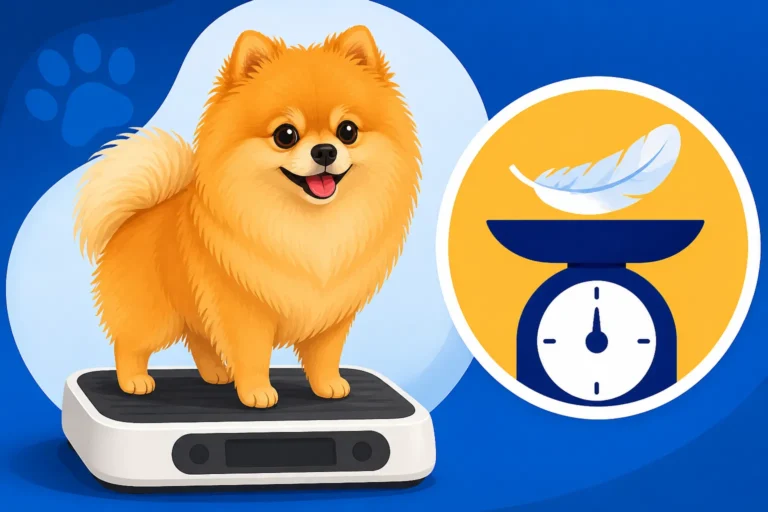
Unlike some breeds with very tight weight standards, the Pomeranian actually has a bit of wiggle room. The breed standard, as set by major kennel clubs, typically states an ideal weight range, but often it's less about a hard number and more about balance and proportion. Generally, we're talking about a range between three and seven pounds. This means a three-pound adult Pom and a seven-pound adult Pom are both perfectly within the accepted breed standard, yet they look and feel quite different in hand.
This wide range is a huge part of the puzzle. When you see a tiny eight-week-old puppy, it's hard to tell if it's going to mature into a delicate three-pounder or a sturdier seven-pound dog. Even within the same litter, you can often observe quite a bit of variation. One puppy might be noticeably larger than its siblings, while another might be a little peanut. This is totally normal! Remember that The Three to Seven Pounds a Pomeranian Is Allowed gives you a broad spectrum of what's considered typical. Sometimes, you might even encounter what's affectionately called a "throwback" Pomeranian, which simply means they mature to be larger than the seven-pound upper limit, perhaps hitting 8, 9, or even 12 pounds. These dogs are still purebred Pomeranians, carrying genes from their larger Spitz ancestors, but they can certainly throw a wrench in your prediction game. While you might wonder Whether a Teacup Pomeranian Is Structurally Sound if you're looking at a truly tiny pup, a larger Pom can actually come with its own set of advantages when it comes to robustness. If you're pondering what these very small Poms might experience, it's worth considering The Health Cost of Breeding Pomeranians Under Three Pounds.
The Influence of Genetics and Parental Size
The single best predictor of your puppy's adult weight is usually the size of its parents. If you had the opportunity to meet both the dam and the sire, and they were both on the smaller side of the spectrum (say, four to five pounds), then it's a pretty good bet your puppy will likely fall within that smaller range too. Conversely, if the parents were closer to the seven-pound mark, or if one parent was a larger "throwback," your puppy has a higher chance of maturing into a larger adult.
The challenge, however, is that not everyone gets to meet both parents. Sometimes you only see the dam, or you might be adopting a rescue where the lineage is unknown. Even when you know the parents, genetics can be tricky. Recessive genes can sometimes pop up, leading a puppy to take after a grandparent or great-grandparent who was much larger or smaller than its immediate parents. This is why a breeder might still have a "throwback" in a litter from two average-sized parents. It's frustrating when you don't have all the pieces of the genetic puzzle, but it's part of the fun (and sometimes the surprise!) of owning a Pomeranian.
Factors That Skew Puppy Growth Curves
While genetics are the primary determinant of adult size, other factors can make a puppy's growth curve look a little wonky, making predictions even harder. Nutrition is one of the most talked-about aspects. A puppy that isn't receiving adequate nutrition, or one that has a heavy parasite load, might appear smaller and grow more slowly. However, this doesn't necessarily mean they won't reach their full genetic potential eventually; it just means their growth might be delayed or they might not appear as robust during their early months.
On the flip side, overfeeding a puppy won't make them grow taller or longer than their genetics dictate, but it can make them heavier and rounder. This isn't healthy for a growing puppy and can lead to skeletal issues. A well-fed, healthy puppy will generally grow at its own pace. What complicates things further are the natural growth spurts and plateaus that puppies experience. They might seem to shoot up for a few weeks, then plateau for a bit, only to have another growth spurt. These unpredictable bursts and lulls can make a weekly weigh-in feel contradictory and throw off any simple calculation you try to make.
Common Methods for Estimating Your Pomeranian's Adult Size
Despite the inherent unpredictability, there are a few common "rules of thumb" that Pomeranian owners and breeders often use to get a rough idea of a puppy's potential adult weight. Just remember, these are estimates, not guarantees!
The 8-Week and 12-Week Multiplier Rules
These are perhaps the most widely circulated methods for estimating adult dog weight, especially for smaller breeds.
- The 8-Week Rule: Take your puppy's weight at 8 weeks old and multiply it by three.
- Example: If your Pom puppy weighs 1.5 pounds at 8 weeks, the prediction would be 1.5 lbs x 3 = 4.5 pounds as an adult.
- The 12-Week Rule: Take your puppy's weight at 12 weeks (3 months) old and multiply it by two.
- Example: If your Pom puppy weighs 2.5 pounds at 12 weeks, the prediction would be 2.5 lbs x 2 = 5 pounds as an adult.
It's pretty straightforward, right? However, for Pomeranians, these rules are often more of a general guide than a precise forecast. Poms can be notoriously slow to mature, and some might have significant growth even after 12 weeks. Others might do most of their growing early on. You might find that the 8-week rule gives you one answer, and the 12-week rule gives you a slightly different one. Use them as a starting point for discussion with your vet or breeder, but don't etch these numbers in stone. These little dogs often follow their own unique growth trajectory.
Growth Charts and Their Limitations for Toy Breeds
You can find various puppy growth charts online, some generic for all breeds, and others specifically tailored for small or toy breeds. These charts typically plot a puppy's age against its weight, showing average growth curves. While they can be helpful for visualizing general trends, they still have significant limitations when it comes to individual Pomeranians.
Generic charts are almost useless for Poms because their growth rate and final size are so different from a Labrador or a German Shepherd. Even "toy breed specific" charts can be problematic because the weight range within toy breeds is vast – a Chihuahua is often much smaller than a Pug, for instance. Pomeranians, with their unique genetics and wide acceptable weight range, often don't fit neatly into these generalized curves. Your Pomeranian might be consistently above or below the "average" line on a chart, and that doesn't necessarily mean there's anything wrong. It just highlights the strong individual variation inherent in the breed.
The Importance of Bone Structure and Paw Size
Beyond the numbers, some experienced breeders and owners will tell you that you can get a "feel" for a puppy's eventual size by observing its overall bone structure and paw size. This is definitely more of an art than a science, but it can offer some qualitative clues.
A puppy with very fine, delicate bones and tiny, dainty paws might be more likely to stay on the smaller end of the Pomeranian scale. Think of a ballerina – very light and agile. In contrast, a puppy with thicker bone structure and noticeably larger, more substantial paws (even if they're still tiny in the grand scheme of things!) might indicate a dog that will mature into a heavier, sturdier adult. Their frame simply suggests they have more growing to do to "fill out."
However, this method requires a keen eye and experience with the breed. What one person perceives as "sturdy" might just be a normal, healthy puppy to another. It's also important not to project human body image issues onto your puppy; a strong, healthy bone structure is a good thing! While it's a fun game of observation, always prioritize professional veterinary assessment over these subjective visual cues.
When to Start Worrying (or Not Worrying) About Your Pomeranian's Weight
As a devoted Pomeranian parent, it's natural to have concerns about your puppy's well-being. Knowing when to simply observe and when to seek professional advice is key, especially when it comes to growth.
When a Puppy is Too Small or Growing Too Slowly
If your Pomeranian puppy seems exceptionally small, or if its growth appears to be significantly lagging behind even the most conservative estimates, it's definitely something to pay attention to. Very small puppies, often labeled "teacups," can be more fragile and prone to certain health issues. One major concern is hypoglycemia, or dangerously low blood sugar. This is especially prevalent in tiny puppies under three or four pounds, and it can be triggered by stress, missed meals, or illness. It's critical to understand Whether a Pomeranian Puppy Can Skip a Meal as even a short period without food can be dangerous for them.
Symptoms of hypoglycemia can include lethargy, weakness, wobbliness, shivering, and even seizures. If you suspect your puppy is hypoglycemic, immediate veterinary attention is crucial. While it's less common in adult Poms, it's also worth noting Whether an Adult Pomeranian Gets Hypoglycemia for comparative understanding. If your vet confirms your puppy is healthy and simply genetically programmed to be very small, then you can breathe a sigh of relief. A tiny adult Pom can absolutely be a healthy, vibrant companion, as long as they are proportioned correctly and receive excellent care. Just be extra vigilant with their feeding schedule and environmental safety.
When a Puppy is Growing Larger Than Expected
On the other end of the spectrum, some Pomeranian puppies grow to be larger than their owners anticipated, perhaps exceeding the seven-pound benchmark and becoming what we lovingly refer to as "throwback" Poms. This can sometimes cause concern, especially if you were hoping for a tiny lap dog, or if you're worried about breed purity. Rest assured, Whether a Twelve Pound Pomeranian Is Purebred is generally answered with a resounding yes – these larger Poms carry the same genetic heritage as their smaller cousins. They're often just a manifestation of the breed's historical roots when Pomeranians were much larger.
The good news is that these larger Pomeranians are often incredibly sturdy and healthy. They might have fewer issues with delicate bones or hypoglycemia, making them a robust companion. The main concern for larger Poms, like any dog, is to prevent obesity. Just because they're bigger doesn't mean they need more food than their lean adult weight dictates. It's crucial to ensure your Pomeranian maintains a healthy body condition, aiming to feel their ribs easily without seeing them, and seeing a discernible waist. For more insights on this, you might find The Three to Seven Pounds a Pomeranian Should Hold helpful in understanding healthy weight management.
Embracing the Journey and Focusing on Health
Ultimately, the most important thing is your Pomeranian's overall health and happiness, regardless of whether they end up at four pounds or ten. While predicting their exact adult weight can be a fun game, don't let it overshadow the joy of watching your puppy grow and develop their unique personality. Focus on providing excellent nutrition, regular vet care, and plenty of love and appropriate exercise.
Your Pomeranian's journey from tiny puppy to adult companion is a precious one. Celebrate every milestone, from their first wobbly steps to their fully fluffed-out adult coat. Regular veterinary check-ups are essential for monitoring their growth and addressing any health concerns that may arise, irrespective of their anticipated adult size. For guidance on ongoing care, familiarizing yourself with The Checkup Schedule a Pomeranian Should Keep is incredibly beneficial. Remember, the bond you share isn't measured in pounds.
Practical Steps for Monitoring Your Pomeranian's Growth
While precise prediction might be elusive, monitoring your Pomeranian's growth is a practical and important part of responsible pet ownership. This helps you ensure they are thriving and allows you to catch any potential issues early.
Regular Weigh-Ins at Home
For Pomeranian puppies, especially those under a year old, regular weigh-ins are invaluable. Because they are so small, even a few ounces can make a difference in their overall health picture.
- Puppy Stage (up to 6-8 months): Aim for weekly weigh-ins. A small digital kitchen scale is perfect for this, as it offers the precision needed for a tiny pup. You can often find suitable options on retailers like Amazon or Chewy. Make sure the puppy is calm and on the scale at the same time each week (e.g., before their first meal) to ensure consistency.
- Adolescent Stage (6-12 months): Once growth starts to slow, you can transition to bi-weekly or monthly weigh-ins. At this point, they might be too big for a kitchen scale, so a small pet scale or even weighing yourself, then weighing yourself holding the dog, and subtracting the difference, can work.
- Adult Stage (1 year+): Adult Poms typically only need quarterly or semi-annual weigh-ins, unless there's a specific health concern or dietary change. Your vet will weigh them at their annual check-ups anyway.
Tracking these weights helps you understand their individual growth curve and notice any sudden dips or spikes that might warrant a call to your veterinarian.
Documenting Milestones and Changes
A simple puppy journal or a dedicated app can be a wonderful tool for tracking your Pomeranian's growth. Beyond just weight, note down:
- Food Intake: How much they're eating, what type of food, and any changes. This is vital, especially when you're trying to figure out How Much Food a Pomeranian Eats in a Month.
- Energy Levels: Are they active and playful, or unusually lethargic?
- Behavior: Any new behaviors or concerns.
- Physical Changes: When their adult coat starts to come in, when their teeth change, etc.
Having this documented history is incredibly helpful. If you ever have a concern and need to speak with your vet, you'll have a clear, objective record to share. This helps them identify patterns and make informed decisions about your Pomeranian's health. For instance, knowing How Little Food an Adult Pomeranian Needs or whether Weighing Fresh Food Out for a Pomeranian is the right approach for their diet can be crucial information for your vet.
Consulting Your Veterinarian for Personalized Guidance
While online resources and breeder advice are valuable, your veterinarian is always your best and most reliable source of information regarding your individual Pomeranian's health and growth. They can:
- Assess their overall health: Rule out underlying health issues that might affect growth.
- Confirm healthy growth patterns: Reassure you if your puppy's growth is normal, even if it deviates from online charts.
- Provide nutritional advice: Help you choose the right food for your puppy's specific needs. For example, they can advise if Whether a Pomeranian Needs Small Breed Formula is crucial or if there are other dietary considerations. Companies like Ollie often offer well-balanced, personalized meal plans, and your vet can help determine if such options are a good fit for your growing Pom.
- Address concerns: If you're worried your puppy is too small, too large, or not gaining weight appropriately, they can offer professional insight and solutions.
Don't hesitate to reach out to your vet with any questions, no matter how small they seem. They are your partner in ensuring your Pomeranian lives a long, healthy, and happy life.
Here's a general guide to Pomeranian puppy growth, but remember, every Pom is an individual!
| Age (Weeks) | Approximate Weight Range | Notable Developments |
|---|---|---|
| 8 | 1 – 2.5 lbs | Starting to explore, eating solids. |
| 12 | 1.5 – 3.5 lbs | More independent, most rapid growth phase. |
| 16 (4 mos) | 2 – 4.5 lbs | Entering "puppy uglies," losing puppy coat. |
| 20 (5 mos) | 2.5 – 5.5 lbs | Still growing in height and length. |
| 24 (6 mos) | 3 – 6 lbs | Growth begins to slow significantly. |
| 8 months | 3 – 7 lbs | Nearing adult height and length. |
| 12 months | 3 – 7 lbs | Typically reaching adult weight, filling out. |
| 18 months | 3 – 7 lbs | Full maturity, coat fully developed. |
Disclaimer: This table provides general approximations. Individual Pomeranian puppies will vary significantly based on genetics, nutrition, and health.
Disclaimer
This article is for general informational purposes only and does not constitute professional advice. Laws, prices and regulations vary by location and change over time. Consult a qualified professional for guidance on your specific situation.