Feeding a Pomeranian Puppy Four Times a Day
It's an absolute whirlwind bringing a tiny Pomeranian puppy home, full of joy and endless questions. One of the biggest worries many new Pom parents face is making sure their little fluff ball gets enough to eat, especially with how tiny and delicate they seem. Pomeranian puppies are uniquely susceptible to dangerous blood sugar drops if they don't eat regularly. This guide is here to walk you through why feeding your Pomeranian puppy four times a day is absolutely essential for their health and well-being, and how to set up a successful, consistent feeding routine that keeps them thriving.
Why Frequent Meals Are Crucial for Pomeranian Puppies
Pomeranian puppies aren't just small versions of big dogs; their physiology is distinct, particularly in their early months. Their miniature size dictates a different approach to nutrition, focusing heavily on consistency and frequency. Understanding these fundamental differences is the first step to ensuring your puppy's optimal health.
Preventing Hypoglycemia
Pomeranian puppies, especially those under about six months of age, are incredibly susceptible to a condition called hypoglycemia, which is essentially a drastic drop in blood sugar. Imagine a tiny engine that burns through fuel incredibly fast but has a very small fuel tank. That's your Pomeranian puppy! Their little bodies don't have the large fat reserves or mature liver function to store and release glucose efficiently. This means they need a steady supply of energy throughout the day. When a puppy goes too long without food, their blood sugar levels can plummet rapidly. This isn't just a mild hunger pang; it can quickly become a life-threatening emergency. Symptoms can range from lethargy and weakness to disorientation, wobbling, seizures, and even coma. It's truly frightening to witness, and as a Pomeranian owner, it's one of the biggest health concerns in those early months. Recognizing a Hypoglycemic Pomeranian is vital.
By feeding your Pomeranian puppy four times a day, you're essentially ensuring a consistent drip-feed of glucose into their system. This regular intake stabilizes their blood sugar, preventing those dangerous dips. Think of it as topping up their tiny fuel tank before it ever gets close to empty. It’s a proactive measure that saves a lot of worry and potentially, expensive emergency vet visits. Skipping even one meal can have serious repercussions, underscoring the importance of a strict schedule.
Supporting Rapid Growth
Those first few months are a period of explosive growth for a Pomeranian puppy. They're not just getting bigger; their bones are lengthening, muscles are developing, organs are maturing, and their brain is undergoing incredible development. All of this requires a massive amount of energy and nutrients. They are literally building a tiny dog from scratch, and this intense construction phase demands a constant influx of fuel.
Unlike adult dogs who have reached their full size and just need maintenance calories, puppies are in an anabolic state, constantly building and repairing. Their metabolic rate is significantly higher than an adult dog's. This means they burn through calories at an astonishing rate, even when they're just sleeping or lounging. This high metabolism, combined with their small stomach capacity, means they can't consume enough food in one or two sittings to sustain their energy needs for extended periods.
Dividing their daily caloric intake into four smaller, more frequent meals helps them process and utilize these nutrients more effectively. It ensures a steady supply of building blocks for their growing bodies, promoting healthy development of everything from their fluffy double coat to their tiny, intricate bones. You'll want to avoid Whether a Pomeranian Puppy Is Heavier Than It Should Be, so proper feeding is key. This consistent nutrient delivery also aids in the steady development of all their internal systems, laying a strong foundation for a healthy adult life.
Digestive System Development
A Pomeranian puppy's digestive system is still very much under construction. It's delicate and not yet fully equipped to handle large quantities of food at once. Imagine trying to eat an entire Thanksgiving dinner when your stomach is the size of a teacup! Overloading their small stomachs can lead to digestive upset, including vomiting, diarrhea, or discomfort. Their tiny digestive organs are still learning to process various nutrients efficiently.
Smaller, more frequent meals are much gentler on their developing digestive tract. They allow the puppy's system to properly digest and absorb nutrients from each meal without being overwhelmed. This not only minimizes digestive issues but also ensures they're getting the most nutritional value from their food, as their body has ample time to extract what it needs from each smaller portion. A stressed or overloaded digestive system is less efficient at nutrient absorption, which can hinder growth.
Think of it as training their digestive system. Slowly but surely, with consistent, manageable meals, their system will mature and become more robust. This careful approach in their early months sets them up for a lifetime of better digestive health, which is so important for a breed that can sometimes have sensitive stomachs. It also reduces the likelihood of them gulping down too much air with large meals, which can lead to bloating and discomfort.
Crafting the Ideal Feeding Schedule
Establishing a predictable and consistent feeding routine is paramount for your Pomeranian puppy's health and successful integration into your home. It's not just about what they eat, but when and how they eat it.
Establishing a Routine
Consistency is absolutely paramount when it comes to feeding a Pomeranian puppy. Dogs, especially puppies, thrive on routine. A predictable schedule helps regulate their metabolism, aids in house training by making potty breaks more predictable, and provides a sense of security. When they know exactly when their next meal is coming, it reduces anxiety and helps them settle into their new home. Think of it as creating a natural rhythm for their tiny bodies.
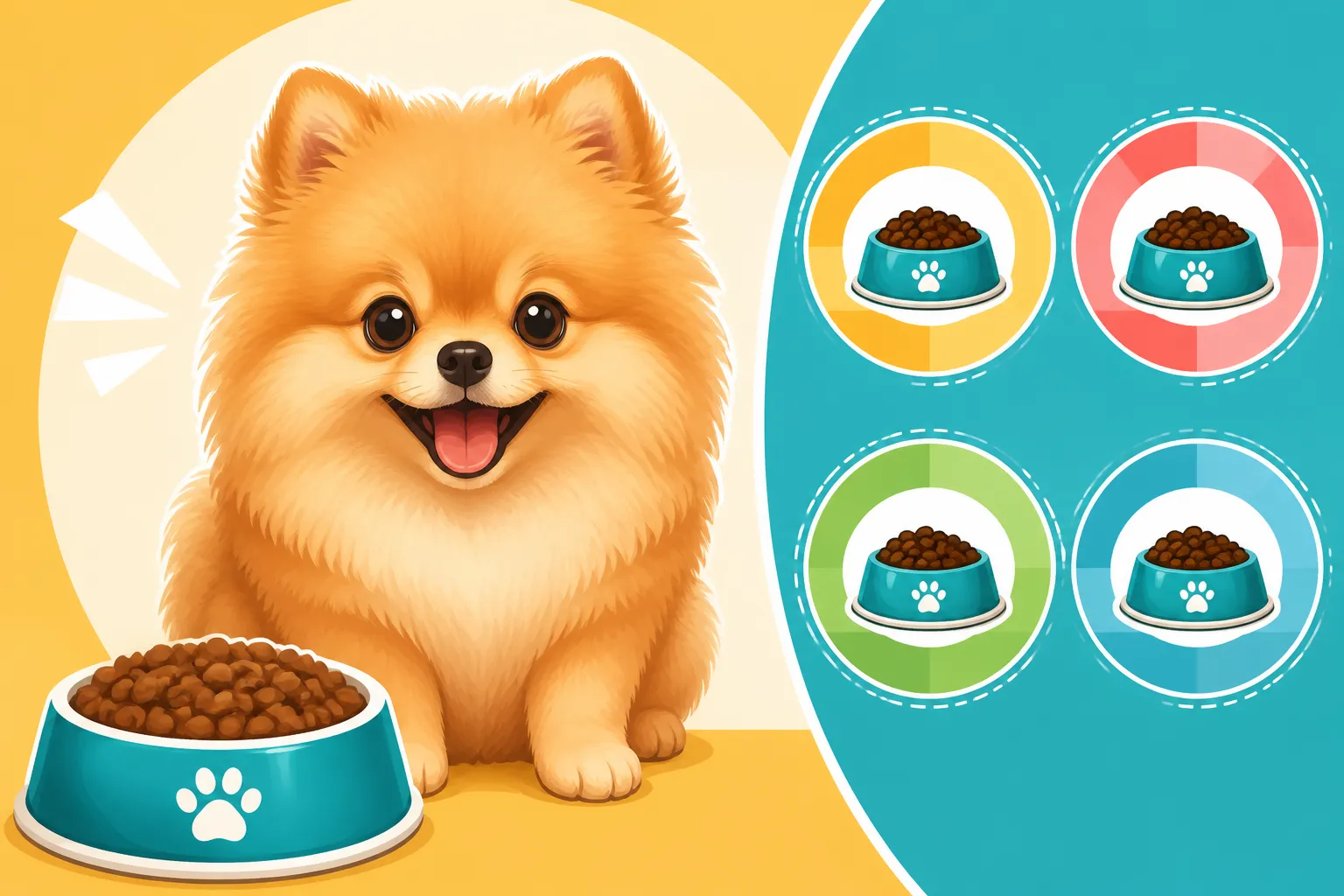
Aim for meals roughly six hours apart. For example, if your puppy wakes up around 6:00 AM, a good schedule might look like this: 6:30 AM, 12:30 PM, 6:30 PM, and a final meal right before bed, say around 10:30 PM. Of course, adjust these times to fit your personal schedule, but try to keep them consistent day in and day out, even on weekends. It's all about making sure they never go How Often a Pomeranian Puppy Needs to Eat. A consistent schedule also helps with their internal clock, making it easier for them to anticipate their needs and reduce demanding behaviors.
In the beginning, your puppy might be a little confused, especially if they came from a different feeding schedule. Be patient. Offer the food at the designated times, leave it down for 15-20 minutes, and then pick it up, whether they've finished or not. This teaches them that food is available at certain times and encourages them to eat when it's offered. Don't worry, they won't starve themselves – they'll quickly learn the routine and look forward to those specific feeding windows.
Portion Sizes and Monitoring
Determining the right portion size for your growing Pomeranian puppy can feel like a balancing act. Most high-quality puppy foods will have feeding guidelines on their packaging based on the puppy's current weight and age. This is an excellent starting point, but remember, these are just guidelines. Every puppy is an individual, and their metabolic rate, activity level, and growth spurts can vary. It's not a one-size-fits-all situation.
Divide the total daily recommended amount by four. For instance, if the bag says your 3-pound puppy needs 1/2 cup of food per day, you'd give them 1/8 cup at each of their four meals. Always use a proper measuring cup, not just an estimate. It's surprisingly easy to over or underfeed by a significant amount with such tiny portions. Even a quarter-ounce difference can be substantial for a Pomeranian puppy's delicate system.
Crucially, you need to monitor your puppy's body condition. You should be able to easily feel their ribs when you gently run your hands along their sides, but not see them protruding. They should have a visible waist tuck when viewed from above. If they're looking too thin or too round, adjust their portions slightly up or down. A good way to assess this is by performing a gentle "rib check" weekly. Your veterinarian can also give you personalized advice on ideal weight and feeding amounts at their regular checkups, guiding you to make the most accurate adjustments for your unique puppy.
Transitioning to Fewer Meals
As your Pomeranian puppy matures, their risk of hypoglycemia decreases, and their digestive system becomes more robust. Usually, by the time they are six to eight months old, you can start to gradually reduce their feeding frequency. This transition isn't a race; it's about paying attention to your individual puppy's needs and development. Rushing this process can lead to digestive upset or periods of low blood sugar, so take your time and observe your puppy carefully.
The typical transition is from four meals to three meals a day, and then eventually to two meals a day as an adult. When you decide to make the shift, do it slowly. For example, if moving from four to three meals, you might combine two smaller meals into one slightly larger one, ensuring the total daily caloric intake remains the same. You might drop the mid-morning meal first, distributing its portion across the remaining three. Observe your puppy closely for any signs of hunger, digestive upset, or changes in energy levels during this time. Any adverse signs mean you should slow down or revert.
It's always a good idea to chat with your vet before making significant changes to your puppy's feeding schedule. They can assess your Pomeranian's growth and advise on the best timing for transitions, taking into account their overall health and energy levels. Even as an adult, many Pomeranian owners find two meals a day to be ideal for their little companions, preventing them from getting too hungry between meals. When a Pomeranian Graduates to Adult Food is another key milestone that often coincides with this transition, so be prepared for a food change too.
Choosing the Right Food for Your Pomeranian Puppy
The foundation of your Pomeranian puppy's health starts with what goes into their bowl. Selecting the appropriate food isn't just about brand recognition; it's about matching the nutritional content and physical form of the food to the unique requirements of a rapidly growing toy breed.
Small Breed Puppy Formulas
When you're dealing with a tiny creature like a Pomeranian puppy, the food you choose makes a world of difference. Standard puppy kibble is often too large for their small mouths and can be too calorically dense for their specific needs, or not dense enough. That's why opting for a high-quality "small breed puppy" formula is absolutely critical. These specialized foods are formulated to address the specific metabolic and physical needs of smaller dogs.
These formulas are specifically designed with smaller kibble sizes, making it easier for your tiny Pom puppy to chew and swallow without choking or struggling. More importantly, they are precisely formulated to meet the unique nutritional demands of small, rapidly growing puppies. They typically have higher calorie counts per serving to fuel their high metabolism, concentrated nutrients, and carefully balanced calcium and phosphorus levels to support healthy bone development without promoting too rapid growth that can lead to orthopedic issues like patellar luxation. Many excellent options can be found on platforms like Chewy or Amazon, making it easy to compare ingredients and reviews from other small breed owners.
Look for foods that list a named meat source (like chicken meal, lamb, or salmon) as the first ingredient, and avoid excessive fillers, artificial colors, and vague "by-products." Quality matters, as what you feed your puppy now lays the foundation for their future health and vitality. Always check for an AAFCO statement on the packaging, confirming the food is complete and balanced for "growth and reproduction" or "all life stages."
Wet Food and Fresh Food Options
While dry kibble forms the backbone of many puppy diets, incorporating wet food or even fresh food can offer significant benefits, especially for Pomeranian puppies who sometimes need extra encouragement to eat, or for added hydration. Wet food often has a stronger aroma and more appealing texture, which can entice even the pickiest eaters, ensuring they get the calories and nutrients they need. This is especially helpful if your puppy is having a particularly low-energy day or after a stressful event.
Adding a spoonful of high-quality wet puppy food as a topper to their kibble can make their meal much more exciting and palatable. This also adds valuable moisture to their diet, which is good for overall kidney health and can help prevent constipation, a common issue in small dogs. Just make sure the wet food is also a puppy-specific formula and that you account for its calories in their daily total. You don't want to inadvertently reduce the nutritional balance by adding too much of a less-complete food.
Some owners also explore fresh food diets, either homemade or commercially prepared. Brands like Ollie offer human-grade fresh food options that are pre-portioned and nutritionally balanced for different life stages. If considering a homemade diet, it is imperative to work with a veterinary nutritionist to ensure it's complete and balanced, as deficiencies can be very dangerous for a growing puppy. Never guess with a puppy's nutrition, as imbalances can lead to irreversible health problems down the line.
Supplements and Treats
In general, if you're feeding a high-quality, complete, and balanced small breed puppy food, your Pomeranian puppy shouldn't need many additional supplements. These premium foods are designed to provide everything a growing puppy needs. Over-supplementing, particularly with vitamins and minerals, can actually be harmful, leading to imbalances or toxicity. For example, too much calcium can contribute to orthopedic problems.
However, there are some situations where a vet might recommend a specific supplement, such as a probiotic for digestive upset (especially during times of stress or antibiotic use) or an omega-3 fatty acid for coat and skin health. Whether a Pomeranian Needs Fish Oil for Its Coat is a common question, and while many quality foods include it, some puppies might benefit from a boost. Always consult your vet before adding any supplements to your puppy's diet; they can advise on appropriate dosages and types based on your puppy's individual needs.
Treats are a wonderful tool for training and bonding, but for a tiny Pomeranian puppy, they must be used sparingly and chosen carefully. High-value, pea-sized treats are best. They should be soft enough to chew easily and quickly, and ideally, made from healthy, natural ingredients. Brands like Zuke's Mini Naturals are often a good choice, as they are specifically designed for small breeds. Remember to factor treats into their daily caloric intake. It's easy for treats to account for a significant portion of a tiny puppy's diet, potentially leading to weight gain or an unbalanced diet if not managed properly. Keep treat-giving to a minimum, especially in those early weeks, ensuring their main nutrition comes from their puppy food.
Common Feeding Challenges and Solutions
Even with the best intentions and the perfect food, feeding a Pomeranian puppy isn't always smooth sailing. These little dogs can present unique challenges, but with a bit of patience and strategic thinking, most issues can be overcome.
Picky Eaters
It's utterly frustrating when your tiny, adorable fluff ball turns up their nose at the perfectly good food you've carefully selected for them. Pomeranian puppies can sometimes be particular eaters, and it's easy to get anxious about their small size and risk of low blood sugar. But try to resist the urge to immediately offer something 'better' or hand-feed them, as this can inadvertently teach them to be even pickier and create a demanding behavior. Always rule out any underlying medical issues first with a vet visit.
Once health issues are ruled out, stick to a routine. Offer the food at meal times for 15-20 minutes, then take it away. Don't offer anything else until the next scheduled meal. They will usually eat when they are truly hungry. You can also try moistening kibble with a little warm water or low-sodium chicken broth to release more aroma, which can be very enticing, or mix in a tiny bit of high-quality wet food to boost palatability. Rotating between a couple of different high-quality brands (slowly, to avoid stomach upset) might also help keep things interesting for them, preventing mealtime boredom.
Sometimes, it's not the food but the environment. Ensure their feeding area is quiet, calm, and free from distractions. A busy household can overwhelm a tiny puppy. A raised bowl can also make eating more comfortable for some puppies, especially those with developing necks or mild tracheal issues. Patience and consistency are your best friends here; remember, you're building habits that will last a lifetime.
Avoiding Overfeeding
While the concern about hypoglycemia rightly drives many new Pomeranian owners to ensure their puppy eats enough, the flip side is the risk of overfeeding. It might seem harmless to give a tiny bit extra, but even a small excess for a Pomeranian can lead to significant weight gain. An overweight Pomeranian faces a host of health problems, from worsening joint issues like Slipping Kneecaps in a Five Pound Pomeranian to increased strain on their already delicate respiratory system, making conditions like The Honking Cough of a Pomeranian's Collapsing Windpipe more severe. Their small frames are not designed to carry extra pounds.
The most effective way to avoid overfeeding is to meticulously measure every single meal. Don't eyeball it; use a precise measuring cup. As discussed, follow the guidelines on your puppy food bag and adjust based on your puppy's body condition. If you're using treats for training, deduct those calories from their main meals – those tiny calories add up quickly! Always check treat labels for caloric content, as even small treats can be calorie-dense.
Regular vet checkups are crucial here. Your vet will weigh your puppy and can help you assess their body condition score, giving you objective feedback on whether your feeding plan is on track. They can also help you understand how to spot the subtle signs of weight gain under that fluffy double coat. Being proactive about preventing obesity now will save your Pomeranian from a lifetime of discomfort and health complications, ensuring they can move freely and breathe easily.
Travel and Schedule Interruptions
Life happens, and sometimes your meticulously planned feeding schedule gets disrupted. Perhaps you're traveling, have an unexpected emergency, or simply a day that runs long. These interruptions can be particularly stressful for a Pomeranian puppy susceptible to blood sugar drops. Planning ahead is key to minimizing the impact of these unavoidable events.
If you're traveling, pack your puppy's food and bowls, and try to stick as closely as possible to their regular meal times. Even if it means feeding them in the car or a rest stop, consistency is important. For longer trips, consider bringing pre-portioned meals to make things easier, perhaps in small, sealed containers. Websites like Chewy or Amazon can be great for stocking up on travel-sized portions or their regular food if you'll be away for a while. Also, bring bottled water from home to avoid any stomach upset from new water sources.
For those times when you absolutely cannot be home, having a trusted pet sitter or a small, automatic feeder can be a lifesaver. Program the feeder to dispense a small portion at one of your missed meal times. This isn't ideal for every meal, but it can bridge a gap and keep their blood sugar stable, providing peace of mind. Always have an emergency glucose source on hand, like Nutri-Cal paste or even corn syrup, which you can rub on their gums if you suspect a blood sugar crash. This knowledge is especially helpful if you're ever in doubt about Whether a Pomeranian Puppy Can Skip a Meal.
Here's a handy table to illustrate a sample feeding schedule:
| Time Slot | Sample Meal Time | Activity | Notes |
|---|---|---|---|
| Morning | 6:30 AM | First meal of the day, after first potty break | Crucial after a long night, replenishes blood sugar. |
| Mid-morning | 12:30 PM | Second meal, after playtime or training | Helps sustain energy through the middle of the day. |
| Afternoon/Evening | 6:30 PM | Third meal, before evening activities | Provides energy for evening play and settles them before quiet time. |
| Late Evening | 10:30 PM | Fourth meal, right before bed | Essential for preventing overnight hypoglycemia. Smallest meal. |
This schedule is a template, and you can adjust the specific times to fit your daily routine, as long as the roughly six-hour intervals are maintained. Remember, flexibility within consistency is key.
Disclaimer
This article is for general informational purposes only and does not constitute professional advice. Laws, prices and regulations vary by location and change over time. Consult a qualified professional for guidance on your specific situation.