The Comb That Gets Through a Pomeranian’s Undercoat
If you've ever found yourself battling with a mat hiding deep within your Pomeranian's glorious double coat, or felt like your brush was just skimming the surface, you're not alone. Many Pomeranian parents struggle to find the right tool to truly penetrate that dense undercoat. This guide will help you navigate the world of grooming tools to identify the perfect comb that will get down to your Pom's skin, preventing painful mats and keeping their coat healthy and beautiful.
Understanding Your Pomeranian's Unique Undercoat
Our Poms are famous for their magnificent, fluffy coats, but this beauty comes with specific grooming needs. Without the right tools and techniques, that plush fur can quickly become a tangled mess, leading to discomfort and even health issues for your beloved companion. It's not just about aesthetics; it's about their well-being.
The Double Coat Explained
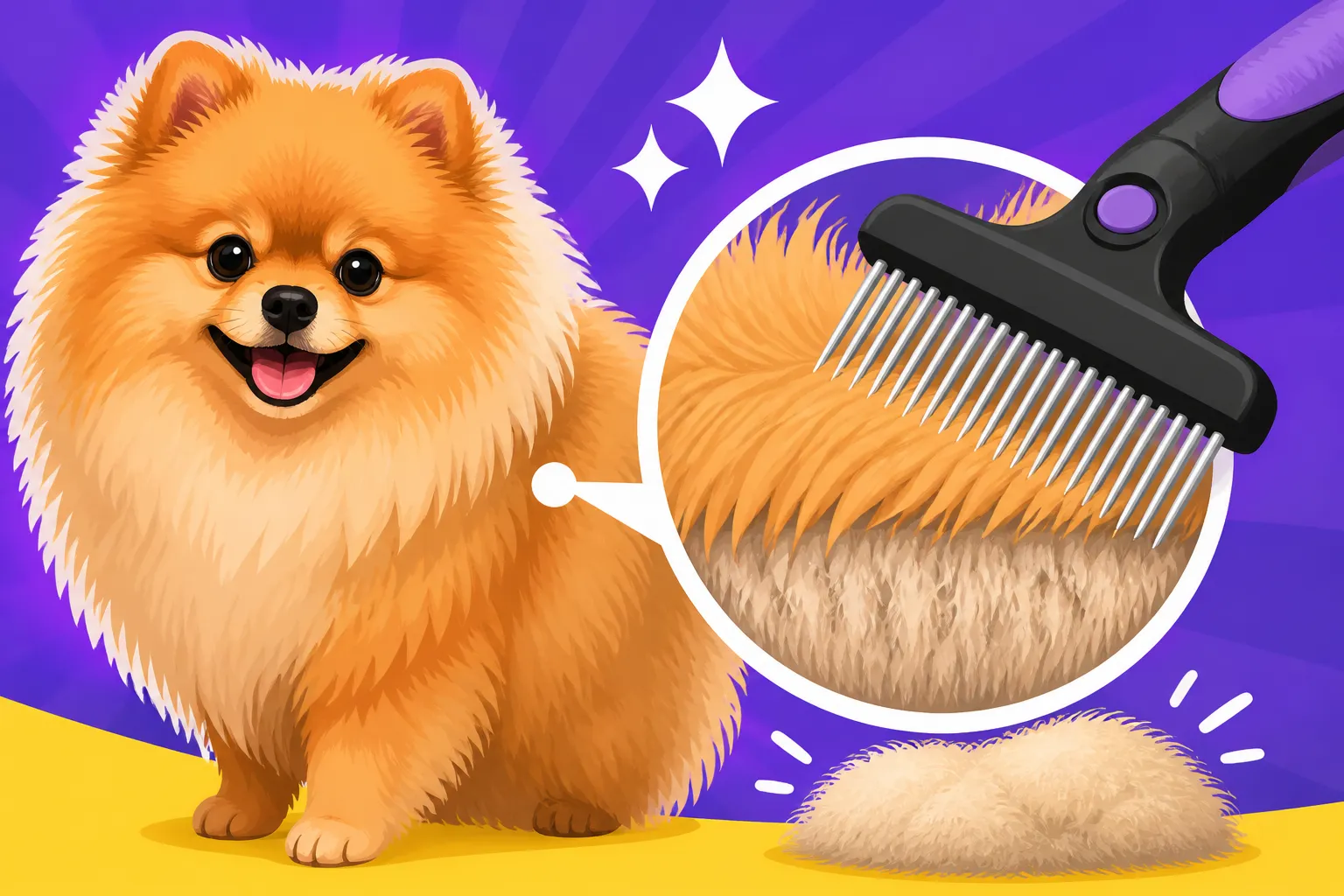
A Pomeranian's coat is a marvel of nature, a true double coat designed to protect them from the elements. You have the longer, harsher outer guard hairs, which give the coat its texture and stand-off appearance. These are the hairs you see first, vibrant and often shimmering. Underneath, however, lies the real challenge: a thick, soft, and very dense undercoat. This undercoat is like a downy insulation layer, providing warmth in cold weather and helping to regulate body temperature in warmer climates. It's this undercoat that requires the most attention and the right tools.
This isn't just fluffy hair; it's a carefully balanced system. The guard hairs prevent the undercoat from getting wet and tangled too easily, while the undercoat itself is constantly shedding and regenerating. If that shedding undercoat isn't properly removed, it quickly becomes trapped by the longer guard hairs, forming tight, painful mats that pull on your Pom's delicate skin. Understanding The Double Coat That Makes a Pomeranian and Why It Stays On is crucial to proper care.
Why Regular Combing is Non-Negotiable
For a Pomeranian, regular combing isn't just a suggestion; it's an absolute necessity. Their double coat, while stunning, is highly prone to matting, especially in areas of friction like behind the ears, under the armpits, around the collar, and on their britches. Neglecting to comb regularly allows these mats to tighten, becoming painful hotspots. Imagine wearing a tight knot in your hair that constantly pulls on your scalp – that's what a mat feels like for your dog.
Beyond discomfort, severe matting can lead to skin infections, hot spots, and even restrict movement. It can also hide parasites or skin conditions that go unnoticed until the mat is removed. A well-maintained coat, achieved through consistent and correct combing, promotes healthy skin by allowing air to circulate and removing dead hair that can trap moisture and debris. It also strengthens the bond between you and your Pomeranian, turning grooming into a pleasant routine rather than a stressful ordeal. Without regular attention, it's easy for these tiny dogs to develop tangles, especially where their harness sits or behind their ears.
The Different Types of Combs and Why Most Fall Short for a Pomeranian
Walking into a pet store or browsing online can be overwhelming with the sheer number of grooming tools available. You see slicker brushes, pin brushes, wide-toothed combs, rakes, and more. While many of these tools have their place in a complete grooming kit, most don't quite hit the mark when it comes to effectively penetrating and detangling a Pomeranian's dense undercoat. It’s important to understand what each tool does and, more importantly, what it doesn’t do for your specific breed.
Pin Brushes and Slickers: Good, But Not Enough
Pin brushes and slicker brushes are staples in many grooming kits, and for good reason. A pin brush, with its widely spaced metal pins, is excellent for going over the top coat, untangling some surface knots, and giving the coat a fluffy appearance. It helps distribute natural oils and adds shine, and it’s a gentle starting point, especially for a puppy getting used to grooming.
Slicker brushes, with their fine, angled wire bristles, are fantastic for removing loose top coat hair and some of the finer tangles closer to the surface. They do a great job of de-shedding the outer layer and fluffing the coat. However, the problem for Poms is that these brushes often don't have pins long or sturdy enough to reach all the way down to the skin through the thick undercoat. They tend to glide over the top, leaving the dense, shedding undercoat largely untouched and ripe for matting. While essential for a full grooming routine, they are complementary tools, not the primary instrument for undercoat maintenance. You can learn more about The Slicker and Pin Brush a Pomeranian Needs in a dedicated guide.
The Limitations of Wide-Toothed Combs
You might pick up a wide-toothed comb thinking it's perfect for detangling, and you'd be right for some breeds or for very minor, surface tangles. These combs are designed to gently separate strands of hair without pulling too much, making them useful for initial passes through a damp coat or for very light, fluffy breeds. However, for a Pomeranian's incredibly dense undercoat, a wide-toothed comb is simply too inefficient.
The wide spacing of the teeth means it passes over much of the undercoat without grabbing the loose hair or working through the deeper tangles. It's like trying to comb through a thick, tangled wool sweater with your fingers – you might get some surface relief, but the core of the problem remains. While it might feel less intimidating to use, it won't prevent mats from forming deep down, and you'll quickly find yourself frustrated when you realize you're still not reaching the skin.
Why Rakes Aren't Always the Answer
Undercoat rakes are another common grooming tool, often touted for their ability to remove massive amounts of loose undercoat. They typically have longer, sturdy teeth that are designed to penetrate the dense layers and pull out dead hair. For some breeds with very specific coat types, like certain northern breeds or double-coated retrievers, these can be incredibly effective.
However, for a Pomeranian, undercoat rakes need to be used with extreme caution, if at all. Many rakes are designed for much larger dogs with different undercoat textures. The teeth on some rakes can be too harsh or too sharp for a Pomeranian's delicate skin and finer undercoat, potentially causing irritation or even stripping out healthy coat if not used correctly. If used improperly, they can pull and damage the guard hairs, leading to a "chopped" look or even contributing to coat damage. While some specialized, very fine-toothed rakes might exist, for general daily or weekly grooming, a specific type of comb is often safer and more effective for your small Pom. Remember, when Working a Pomeranian's Coat in Sections to the Skin, precision is key, and some rakes lack that finesse.
The Hero: The Right Comb for the Pomeranian Undercoat
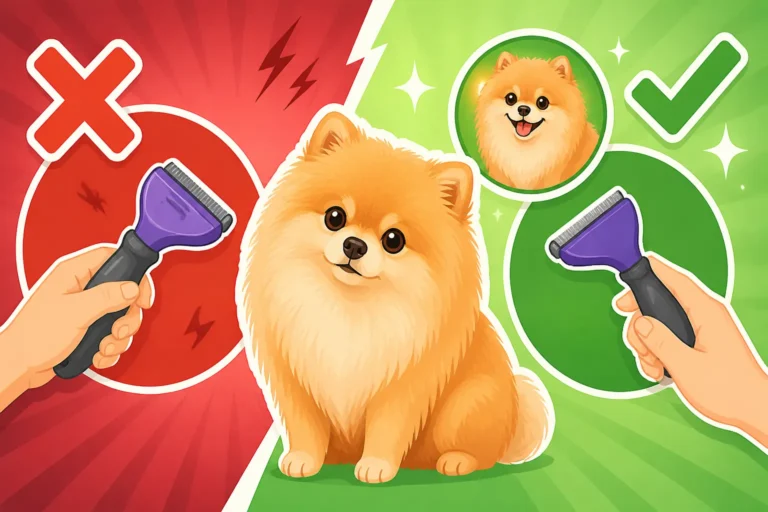
So, if slickers, pin brushes, and wide-toothed combs aren't quite enough, and rakes are too risky, what's the magic tool for a Pomeranian's undercoat? The answer lies in a quality metal grooming comb with varying tooth spacing. This is the unsung hero that truly gets the job done, reaching deep into that plush undercoat to remove shedding hair and untangle developing mats without damaging the topcoat or irritating the skin.
The Power of a Quality Metal Grooming Comb
A good metal grooming comb, often called a Greyhound comb by professional groomers, is the most effective tool for a Pomeranian's undercoat. These combs are typically made of stainless steel, offering durability and smooth glidethrough the fur. What makes them so powerful for a Pomeranian is their dual-density tooth pattern: one side has wider-spaced teeth, and the other has finer-spaced teeth. This design allows you to tackle different stages of matting and density within the coat with a single tool.
The wider-spaced side is perfect for initial passes, gently working through the top layers and any larger, looser tangles. Once those are cleared, you can switch to the finer-toothed side to meticulously work through the dense undercoat, section by section, ensuring you're removing all the dead hair and preventing new mats from forming. This comb allows you to feel resistance and work through it carefully, rather than tearing through knots. This thoroughness is what sets it apart from other tools. You can often find excellent options from reputable pet supply retailers like Chewy or on large online marketplaces such as Amazon.
What to Look For in an Undercoat Comb
When selecting a metal grooming comb for your Pomeranian, there are a few key features to prioritize to ensure you're getting the most effective and safest tool:
- Material: Opt for stainless steel. It's durable, easy to clean, and less likely to generate static electricity that can make grooming more challenging. Plastic combs can break easily, snag hair, and build up static.
- Tooth Spacing: As mentioned, a comb with dual tooth spacing (wide and fine) is ideal. The wider teeth should be spaced enough to get through the bulk without snagging, while the finer teeth should be close enough to really pull out the shedding undercoat.
- Pin Length: The teeth need to be long enough to reach through the full depth of your Pomeranian's double coat, all the way to the skin. This ensures you're not just combing the top layer.
- Comfort Grip: While not critical for performance, a comfortable handle can make a big difference during longer grooming sessions, preventing hand fatigue.
Before you buy, compare options and read reviews, especially from other Pomeranian owners. While specific brands can vary in quality, look for those known for professional-grade grooming tools. Many dog owners trust brands offering a good range of grooming essentials, which you can often browse on sites like Amazon.
Techniques for Effective Undercoat Combing
Having the right comb is only half the battle; knowing how to use it is just as important. Here’s how to effectively comb your Pomeranian's undercoat:
- Prep the Coat: Start with a clean, dry coat. Whether Brushing a Dry Pomeranian Breaks the Coat is a common concern, but combing a fully dry coat with the right tool is key. Never comb a wet or damp coat with a metal comb, as this can stretch and damage the hair. If there are any visible mats on the surface, gently try to loosen them with your fingers first or apply a detangling spray. Products from brands like TropiClean or Earthbath (available at retailers like Chewy) can help loosen tangles.
- Section by Section: This is the golden rule for double-coated breeds. Don't try to comb the entire dog at once. Work in small sections, perhaps starting with a leg, then the belly, moving to the body, and finally the ruff and tail. Use one hand to hold the hair up and out of the way, exposing the skin at the base of the section you're working on.
- Comb to the Skin: Begin with the wider-toothed side of your comb. Start at the very ends of the hair and work your way up, inch by inch, towards the skin. Once you can easily comb through a section with the wide teeth, switch to the finer-toothed side and repeat the process. You should be able to smoothly glide the comb all the way from the tip of the hair down to the skin. If you encounter a mat, don't yank! Gently pick at it with the end of a comb tooth, working from the outer edge inwards, slowly teasing it apart. Sometimes, a tiny bit of conditioner or detangler helps. If a mat is too tight, you may need to carefully cut it out, but consult Cutting a Mat Out of a Pomeranian first.
- Be Gentle: Pomeranian skin is delicate. Always be mindful of pressure, especially around sensitive areas like the armpits, groin, and ears. If your Pom shows discomfort, stop and reassess your technique. Make sure you're supporting the skin as you comb to avoid unnecessary pulling.
- Consistency is Key: A thorough combing session can take a while, especially if your Pom isn't used to it. Aim for 2-3 times a week, or even daily during shedding seasons. This prevents mats from ever becoming a serious problem. You can find more tips on How Many Times a Week a Pomeranian Is Brushed for a complete routine.
Integrating the Right Comb into Your Pomeranian's Grooming Routine
Having the right comb is a game-changer, but it's most effective when seamlessly integrated into a consistent grooming routine. A Pomeranian's beautiful coat isn't just a weekend project; it requires regular attention. Think of it as a small investment of your time that pays off in a happier, healthier dog and fewer costly trips to the professional groomer for dematting.
Making Combing a Positive Experience
Grooming shouldn't be a battle. For many Pomeranians, the sound of the comb or the sensation of being brushed can be overwhelming, especially if previous experiences have been negative or painful. Start young, if possible. Even a few minutes a day with a soft brush and plenty of treats can build a positive association. When you introduce the metal grooming comb, do so gradually. Let your Pom sniff it, then offer a high-value treat. Touch them with the comb lightly, then treat. Slowly build up to actual combing strokes.
Always keep sessions short and positive. If your Pom gets restless or shows signs of stress, take a break. Never force them or punish them for not cooperating. The goal is for them to associate grooming with pleasant sensations and rewards. Praise them constantly, use a calm, reassuring voice, and end each session on a positive note, even if you've only managed a small section. This positive reinforcement makes future grooming sessions much easier and less stressful for both of you. You might also want to try different forms of tasty, healthy treats from brands like Ollie to make grooming more enjoyable for them.
When to Seek Professional Help
Even with the best intentions and the right tools, there might be times when professional help is necessary. If you encounter a mat that is too large, too tight, or too close to the skin for you to safely remove, don't hesitate to contact a professional groomer. Attempting to cut out severe mats yourself can be very risky, as it's incredibly easy to cut your Pomeranian's delicate skin, which is often pulled up into the mat.
Professional groomers have specialized tools and techniques, as well as the experience to safely and humanely remove even the toughest mats. They can also offer advice tailored to your Pomeranian's specific coat type and lifestyle. Sometimes, a severely matted coat might require shaving, but a good groomer will discuss all options with you first. Remember, their priority is your dog's comfort and safety. If you're concerned about mats, especially Working Through a Mat Behind a Pomeranian's Ear or under the legs, a professional can tackle these tricky spots without causing pain or injury. For severe matting, sometimes professional intervention is the only safe option, as discussed in Whether a Matted Pomeranian Has to Be Shaved.
Disclaimer
This article is for general informational purposes only and does not constitute professional advice. Laws, prices and regulations vary by location and change over time. Consult a qualified professional for guidance on your specific situation.