The Age Alopecia X Usually Appears in a Pomeranian
It’s incredibly distressing for any Pomeranian owner to watch their beloved companion’s magnificent coat, that signature fluffy cloud, start to thin, become patchy, or even disappear entirely, often leaving behind dark, bare skin. This frustrating and often mysterious condition, known as Alopecia X or “Black Skin Disease,” raises countless questions, especially about when it typically begins. Understanding the usual age of onset can help you identify symptoms early and work with your vet more effectively.
Understanding the Typical Onset of Alopecia X in Pomeranians
Alopecia X, often referred to by worried owners as "Black Skin Disease" because of the darkened skin that frequently accompanies hair loss, is a frustrating, non-inflammatory skin condition primarily affecting Nordic breeds like Pomeranians. It’s not just a cosmetic issue; it's a profound change in your dog's appearance that can signal an underlying hormonal imbalance or genetic predisposition. Many owners wonder when to start looking for signs, and the answer often lies within specific developmental windows.
The Most Common Age Range for Initial Symptoms
While Alopecia X can be unpredictable, it most commonly makes its first appearance when Pomeranians are young adults, typically between one and five years of age. This is a period when their bodies are maturing, and subtle hormonal shifts might begin to manifest through changes in their coat. You might notice the initial signs around their first or second birthday, or perhaps a bit later as they fully settle into adulthood. For instance, a Pomeranian who was neutered or spayed around six to twelve months of age might start showing signs of thinning hair a few months to a year later, though the exact correlation and timing can vary greatly.
However, it's crucial to remember that this isn't a hard and fast rule. Some Pomeranians might develop initial symptoms as early as six months old, almost transitioning directly from the "puppy uglies" phase into permanent coat loss, while others may not show signs until they are much older, even past the age of ten. The later onset is less common but certainly not unheard of, making diagnosis a bit trickier as other age-related conditions like The Age a Pomeranian's Coat Starts to Thin or thyroid issues also need to be ruled out.
Early Signs and How They Progress
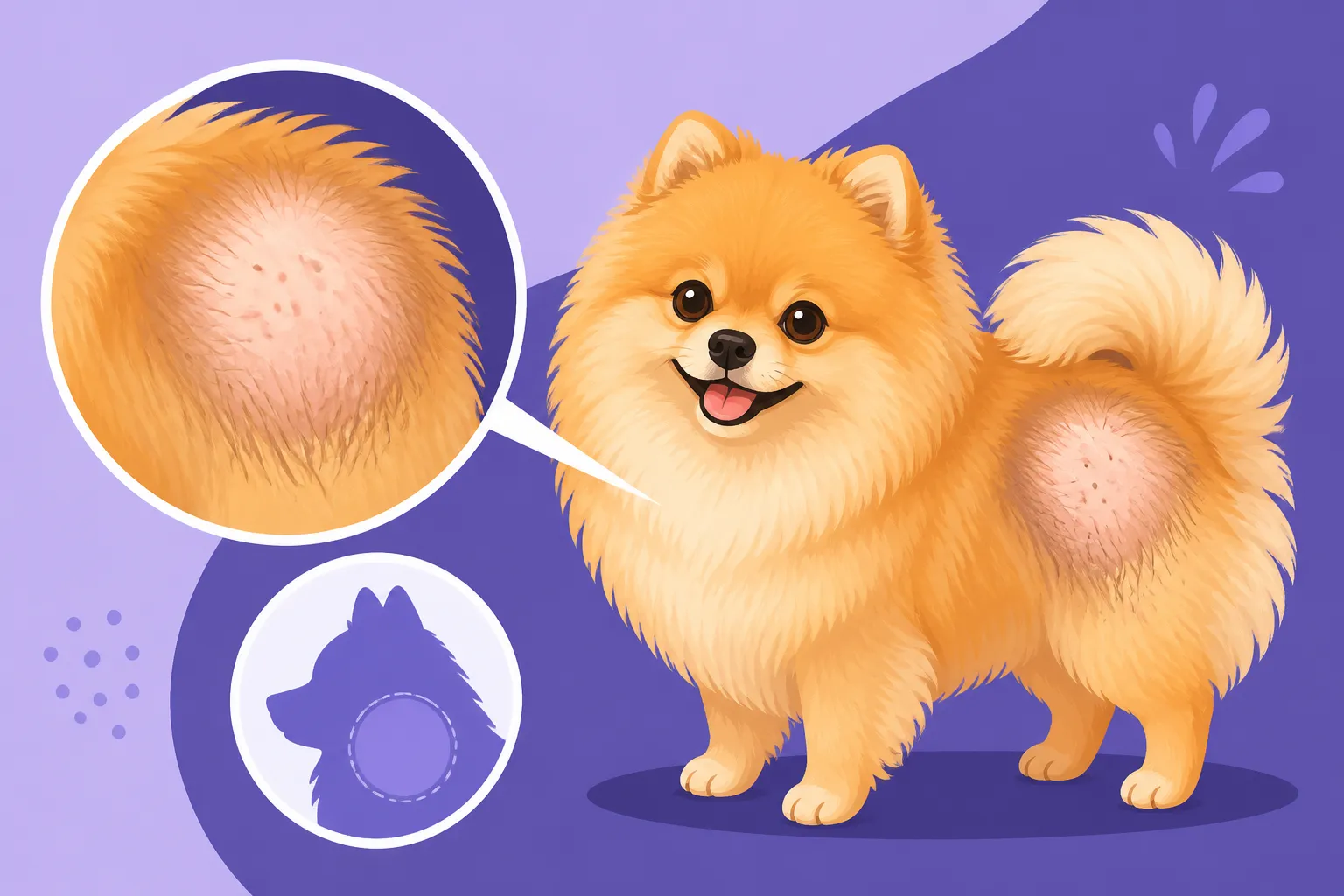
The initial signs of Alopecia X are often subtle, a gradual thinning rather than sudden baldness. You might first notice the coat losing its luxurious density, particularly on the hindquarters, flanks, and belly. The guard hairs, which are the longer, coarser outer hairs responsible for the Pomeranian's signature "stand-off" coat, often fall out first. This leaves behind a soft, woolly undercoat that eventually thins and disappears, leading to widespread baldness. This pattern of The Thinning That Starts on a Pomeranian's Hindquarters is a classic early indicator.
As the condition progresses, the skin in the affected areas may start to darken, becoming hyperpigmented, which is why many people call it "Black Skin Disease." This darkening can range from a light grey to a deep black, and the skin itself might feel dry or leathery. It's important to understand that Whether Alopecia X Hurts a Pomeranian is a common concern, but the hair loss itself is not painful or itchy, distinguishing it from allergic reactions or parasitic infestations. However, the exposed skin can become more vulnerable to sunburn or secondary infections, leading to discomfort if not properly managed.
What Triggers Alopecia X and Why Age Matters
The exact cause of Alopecia X remains a bit of a medical mystery, making it incredibly frustrating for veterinarians and owners alike. It’s often referred to as a "diagnosis of exclusion," meaning vets first rule out all other known causes of hair loss before landing on Alopecia X. However, research points to a complex interplay of hormonal factors and a strong genetic predisposition that typically manifests during certain life stages.
Hormonal Factors and Genetic Predisposition
One of the leading theories behind Alopecia X involves hormonal imbalances, particularly those related to sex hormones and adrenal hormones. It’s believed that an abnormality in the hair follicle's hormone receptors or sensitivity might play a role, essentially telling the hair to stop growing. This hormonal connection explains why treatments involving certain hormones or medications can sometimes trigger regrowth, though results are highly variable and not guaranteed. The fact that it's so prevalent in Pomeranians and other Nordic breeds strongly suggests a genetic component. If your Pomeranian comes from a line where Alopecia X has been observed, their likelihood of developing it increases, indicating Whether Alopecia X Runs in Pomeranian Lines. Responsible breeders try to avoid breeding affected dogs, but since the onset can be delayed, it's not always evident in breeding animals until later in life.
The Role of Neutering or Spaying
Perhaps one of the most interesting and often discussed aspects of Alopecia X is its connection to neutering or spaying. Many owners report that the symptoms of Alopecia X either begin or worsen significantly shortly after their Pomeranian undergoes sterilization. This phenomenon is so common that it leads to questions like Whether Neutering Triggers Coat Loss in a Pomeranian. The theory here is that removing the gonads (testicles or ovaries) can drastically alter the body's hormonal balance, potentially unmasking a predisposition to Alopecia X.
For some dogs, particularly males, an adrenal gland imbalance is suspected, where the adrenal glands might overproduce certain sex steroids after neutering, contributing to hair loss. Conversely, in a smaller percentage of cases, neutering has actually led to coat regrowth, especially in intact males who develop the condition. This contradictory response highlights the complexity of the hormonal interactions at play and why there's no single, guaranteed solution. Discussing your dog's neutering history is often a key part of the diagnostic conversation with your vet when investigating Alopecia X.
Differentiating Alopecia X from Other Conditions
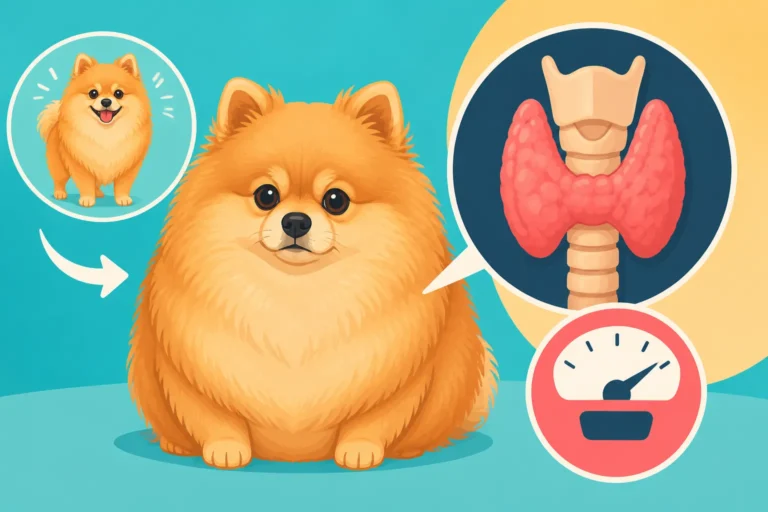
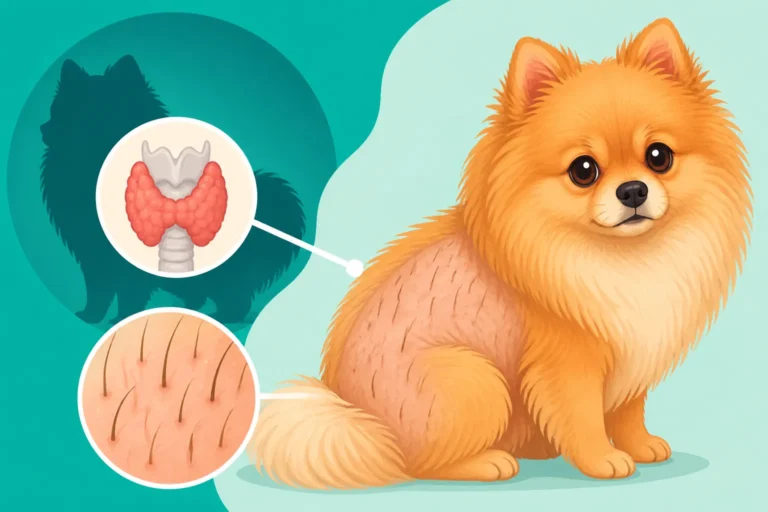
Because hair loss can be a symptom of many different health issues, it's absolutely vital that Alopecia X is properly diagnosed by a veterinarian. This means your vet will need to perform a series of tests to rule out other, potentially more serious, conditions before concluding it's Alopecia X. Common conditions that mimic Alopecia X include hypothyroidism (underactive thyroid), Cushing's disease (overactive adrenal glands), severe allergies, parasites, or fungal infections. Your vet will likely perform blood tests to check thyroid function, as Ruling Out Thyroid on a Balding Pomeranian is a crucial step.
They might also recommend specific tests for Cushing's disease, as Telling Alopecia X From Cushing's in a Pomeranian can be challenging since both can cause hair thinning and skin changes. Skin biopsies are also frequently used. While they might not definitively diagnose Alopecia X (as it lacks specific microscopic features), they are invaluable for ruling out other causes and confirming the characteristic changes in hair follicles. This thorough diagnostic process is essential to ensure your Pomeranian isn't suffering from an easily treatable condition while you focus on Alopecia X. Navigating these diagnostic steps, including specialized blood work and biopsies, can certainly add up, making a good pet insurance policy like those offered by Healthy Paws a valuable asset for unexpected vet bills.
Managing and Living with Alopecia X at Any Age
Once a diagnosis of Alopecia X is reached, the focus shifts to management. It's a journey that often involves trial and error, a good dose of patience, and a strong partnership with your veterinarian. Since there's no single "cure-all," the goal is typically to improve coat quality, protect the exposed skin, and ensure your Pomeranian remains happy and healthy, regardless of their fur.
Diagnostic Steps and Initial Treatment Approaches
The diagnostic process for Alopecia X starts with a comprehensive physical exam and medical history. Your vet will want to know when the hair loss began, if there are any other symptoms, and whether your dog has been spayed or neutered. As mentioned, blood tests will be run to check thyroid levels and rule out other hormonal imbalances. Skin biopsies are often performed, not to definitively diagnose Alopecia X, but to rule out other inflammatory conditions and confirm the characteristic changes in the hair follicles seen with Alopecia X.
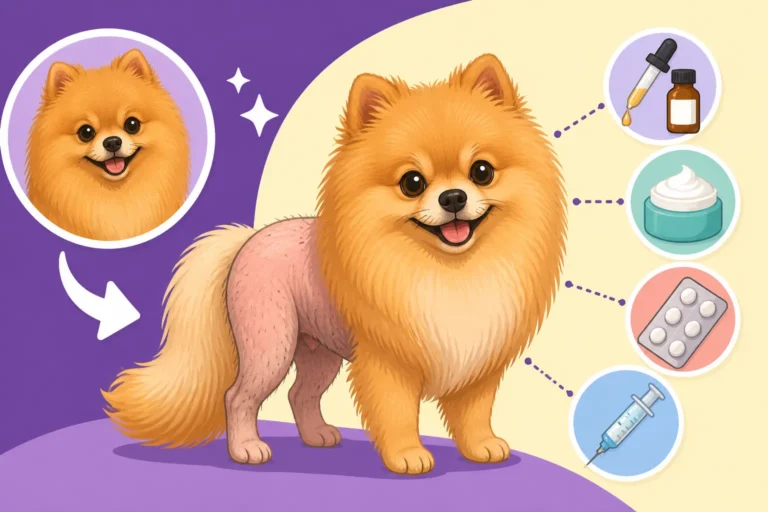
Once other conditions are excluded, treatment typically involves trying various approaches to stimulate hair regrowth. Some common initial treatments include melatonin supplementation, which some owners find effective. Whether Melatonin Regrows a Pomeranian's Coat is a frequent question, and while some dogs respond positively, others show no change at all. Other options might include specific oral medications aimed at altering adrenal hormone pathways. It's important to understand that any treatment might take several months to show results, and even if hair grows back, it may not be as dense or luxurious as the original coat. Many owners also consider the efficacy of Treatments Tried on a Pomeranian With Alopecia X and their associated costs, which is another area where having robust pet insurance can be a huge help.
Protecting Your Pomeranian's Skin
With the loss of their dense double coat, Pomeranians with Alopecia X have exposed skin that needs special attention. This skin is much more vulnerable to the elements, including sunburn, windburn, and extreme temperatures. It's vital to be diligent about Protecting a Bald Pomeranian's Skin From Sun, especially during warmer months or if your dog spends time outdoors. Dog-specific sunscreens or light, breathable clothing can provide crucial protection. In colder weather, sweaters or coats become essential to prevent hypothermia, as their natural insulation is gone.
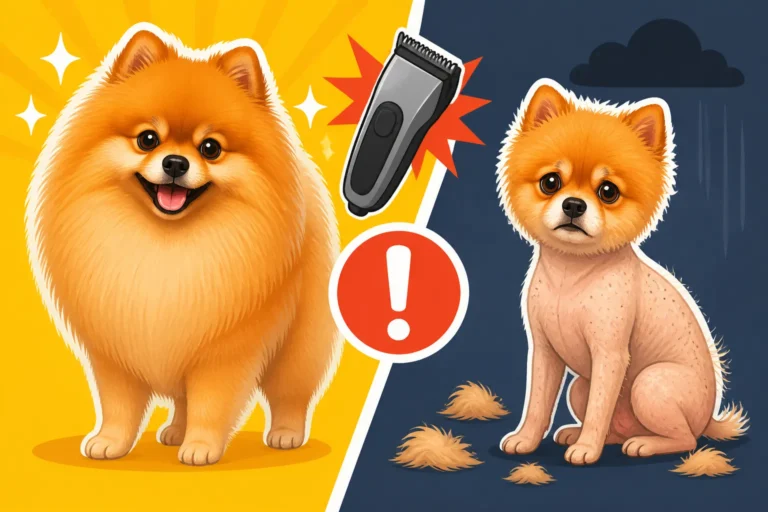
Grooming also changes significantly. While a Pomeranian with a full coat requires frequent brushing, a dog with Alopecia X needs gentler care. Avoid harsh brushes or vigorous grooming that could irritate sensitive skin. Perhaps most importantly, never shave a Pomeranian with Alopecia X, or any Pomeranian for that matter, unless medically necessary. Whether a Groomer Should Ever Shave a Pomeranian is a critical discussion, as shaving can sometimes exacerbate the problem or prevent future regrowth, even in healthy-coated Poms. The aim is to keep the skin clean, moisturized, and free from irritation.
The Emotional and Financial Impact
Living with a Pomeranian affected by Alopecia X can be emotionally taxing. It's natural to feel concerned about your dog's health and appearance, even if the condition is primarily cosmetic. Many owners grieve the loss of that iconic fluffy look and worry about their dog being perceived as "sick." It's important to remember that Alopecia X typically doesn't impact your Pomeranian's overall health or lifespan; they are usually just as happy and vibrant without their full coat. The primary impact is on their appearance and the need for dedicated skin protection.
Financially, managing Alopecia X can involve recurring costs. These might include diagnostic tests, specialized shampoos or conditioners, supplements, and potential medications. If your dog experiences secondary skin infections due to exposure, those will incur additional veterinary expenses. This is precisely why many informed Pomeranian owners look into pet insurance. Companies like Healthy Paws, for instance, can help cover a significant portion of these ongoing veterinary costs, allowing you to focus on your dog's well-being without constant financial stress.
Long-Term Outlook and What to Expect
When your Pomeranian is diagnosed with Alopecia X, it's natural to wonder what the future holds for their coat and their comfort. While it can be a persistent and sometimes frustrating condition, understanding the long-term outlook can help you manage expectations and continue to provide the best possible care.
Is Regrowth Possible?
The question on every owner's mind is, "Whether a Pomeranian's Coat Grows Back After Alopecia X?" The answer is sometimes, but not always, and often not fully. Some Pomeranians will experience partial regrowth with certain treatments, or even spontaneously, only for the hair to fall out again later. The new hair might be different in texture or color than their original coat, sometimes appearing softer or sparser. For example, some dogs may see fuzz return, while others might get small, patchy areas of more robust growth. It's a highly individual response, and what works for one Pom might not work for another. It's important to manage expectations and celebrate any regrowth, no matter how small, as a win.
For many dogs, the condition is irreversible, and they will remain bald or partially bald for the rest of their lives. The good news is that this doesn't diminish their quality of life or their loving personality. Their skin will still need care, but they can otherwise lead perfectly normal, happy lives.
Maintaining Quality of Life
Despite the cosmetic changes, the paramount concern is always your Pomeranian's quality of life. Alopecia X is not a painful or life-threatening condition, so your focus should be on keeping their skin healthy and ensuring they are comfortable and happy. Regular veterinary check-ups are important to monitor their skin, address any secondary infections, and re-evaluate treatment options if desired. This holistic approach ensures that while their coat might be different, their overall health and well-being remain top priority.
Maintaining a comfortable environment, protecting their exposed skin, and showering them with love are the most important things you can do. Many owners find joy in dressing their bald Poms in cute sweaters and harnesses, turning a perceived "flaw" into an adorable trait. For ongoing care, including specialized dermatological treatments, regular vet visits, and medications, having pet insurance from a provider like Healthy Paws can be instrumental in providing peace of mind and ensuring access to comprehensive medical support throughout your Pomeranian's life.
| Feature | Typical Onset Age | Initial Symptoms | Progression | Key Differentiating Factors |
|---|---|---|---|---|
| Alopecia X | 1-5 years (can be earlier/later) | Gradual thinning, loss of guard hairs, soft undercoat | Bald patches, hyperpigmentation ("black skin") | Non-itchy, no inflammation, diagnosis by exclusion |
| Hypothyroidism | Any age, often middle-aged | Symmetrical hair loss, dry coat, lethargy, weight gain | Dull coat, thickened skin, secondary infections | Diagnosed via blood tests (thyroid hormone levels) |
| Cushing's Disease | Any age, often older dogs | Symmetrical hair loss, thin skin, pot-belly, increased thirst/urination | Fragile skin, bruising, muscle weakness | Diagnosed via specialized blood/urine tests |
| Allergies | Any age | Itching, redness, self-trauma, rashes | Skin infections, scabbing | Itchy, often seasonal, diagnosed via allergy testing |
| Parasites | Any age | Itching, redness, scabs, visible parasites | Skin irritation, secondary infections | Diagnosed via skin scrapings, visible inspection |
Disclaimer
The information provided in this guide is intended for general informational purposes only and does not constitute veterinary medical advice. Always consult with a qualified veterinarian for any health concerns or before making any decisions related to your Pomeranian's health and treatment. Individual results and conditions may vary.