Leaving a Pomeranian With a Sitter
Leaving your beloved Pomeranian with a sitter, whether it's for a quick weekend getaway or a longer vacation, can be a source of immense anxiety. These tiny dogs burrow deep into our hearts, and the thought of them being unsettled, unhappy, or, worse, unsafe, while we're away is enough to make many of us cancel plans. This guide is here to walk you through everything you need to consider and prepare for, ensuring both you and your precious Pom feel confident and comfortable when it's time for a temporary separation.
Understanding Your Pomeranian's Specific Needs When You're Away
Pomeranians are not just small dogs; they come with their own unique set of physical and emotional characteristics that make leaving them with a sitter a bit different than, say, a Labrador. Their delicate build, their double coat, their potential for tracheal issues, and their often fierce loyalty all play a role in how they handle separation and new environments.
The Emotional Bond and Potential for Separation Anxiety
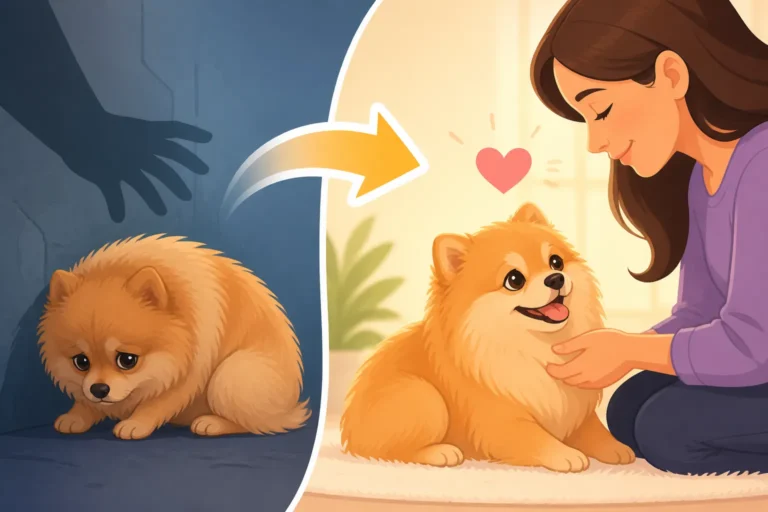
Pomeranians often form incredibly strong bonds with their primary caregivers. They thrive on companionship and can become quite attached, sometimes to the point of developing A Pomeranian That Cannot Be Left Alone or The Pomeranian That Will Not Be Left Behind. This deep attachment means that being left with a stranger, even a kind one, can trigger anxiety. You might see signs like excessive barking, destructive chewing, or even house-training accidents, even if they're usually perfectly behaved. It's not a reflection of your training; it's a testament to how much they adore you. Recognizing Signs a Pomeranian Has Separation Anxiety before you leave is crucial, as it allows you to communicate these concerns to your sitter and perhaps even work on building some independence beforehand.
Physical Vulnerabilities and Health Concerns
Our little fluffballs, while robust in spirit, can be physically quite delicate. Their small size makes them more susceptible to accidental injury, especially around larger pets or boisterous children. Furthermore, many Poms are prone to specific health issues. Conditions like luxating patellas (slipping kneecaps) mean that rough play or jumping off furniture can lead to injury. Tracheal collapse, a common concern in the breed, means a leash pulled against a collar can be dangerous, necessitating a harness. Discussing these vulnerabilities, alongside the need for specialized feeding (because Feeding a Dog That Weighs What a Pomeranian Weighs is an art!), medications, or even the heightened Anesthesia Risk in a Four Pound Pomeranian should a vet visit be needed, is non-negotiable with any potential sitter. It's about empowering them to keep your Pom safe.
Maintaining Routine and Comfort
Pomeranians are creatures of habit, and their well-being is often tied to the predictability of their daily lives. A sudden disruption in their feeding schedule, potty breaks, playtime, or even their sleeping arrangements can be incredibly unsettling. Their luxurious double coat also requires regular grooming, which can be an unexpected chore for an unprepared sitter. The way you care for their teeth, the specific toys they prefer, or even their preferred sleeping spot all contribute to their sense of security. Providing a detailed rundown of The Routine a Pomeranian Needs Every Day isn't being overly particular; it's providing a blueprint for their comfort and continuity, helping to minimize stress during your absence.
Deciding on the Best Sitter Option for Your Pomeranian
When it comes to finding someone to care for your Pomeranian, you've got a few main options, each with its own set of pros and cons, especially for such a specialized breed. It’s not a one-size-fits-all decision, and what works for one Pom might be a disaster for another.
In-Home Pet Sitter
Having a pet sitter come to your home is often the gold standard for Pomeranians. The biggest advantage here is that your Pom gets to stay in their familiar environment. This significantly reduces stress, as they're surrounded by their own smells, their own bed, and their usual potty spots. It also means their routine can be maintained with minimal disruption. An in-home sitter typically visits multiple times a day or even stays overnight, providing constant companionship. This is particularly beneficial if your Pom struggles with being alone for The Hours a Pomeranian Tolerates an Empty House.
However, the downside can be the cost, as this is usually the most expensive option. You also need to feel completely comfortable giving someone access to your home. When interviewing potential in-home sitters, don't just ask about their dog experience; specifically ask about their experience with small breeds like Pomeranians, their understanding of a double coat, and how they handle potential issues like resource guarding or anxiety. Many owners find it reassuring to use a reputable service or someone who comes highly recommended, with excellent references.
Boarding Facilities
Boarding facilities, ranging from traditional kennels to luxury dog resorts, offer another option. For some Poms, particularly those who are outgoing and enjoy the company of other dogs, a well-run, small-dog-specific boarding facility can be a fun "vacation" of their own. If you're considering Boarding a Pomeranian While You Travel, it is absolutely essential to choose a facility that has separate, secure areas for small breeds. A large, boisterous dog can accidentally injure a tiny Pomeranian in play, and the noise and chaos of a general kennel can be overwhelming for a sensitive Pom.
Look for places that offer individual attention, climate-controlled environments, and clearly defined playtime schedules with appropriate companions. Ask about their staff-to-dog ratio, emergency protocols, and how they handle feeding special diets or administering medications. Many modern boarding facilities offer webcams or regular photo updates, which can be a comfort. Still, even the best facility will be a change of environment, and some Poms simply do not do well outside their home.
Friends or Family Members
Entrusting your Pomeranian to a trusted friend or family member can feel like the easiest and most economical choice. They already know you, and often your dog, which can ease some of your worries. However, don't assume that because they love your Pom, they understand the intricacies of their care. Even well-meaning friends might not grasp the importance of strict feeding schedules, specific grooming needs, or the delicacy of a Pomeranian's health.
It's vital to have a very open and honest conversation with them. Treat it as seriously as you would a paid sitter, providing all the same detailed instructions and emergency contacts. Make sure they are truly enthusiastic and have the time and patience required, rather than just feeling obligated. Sometimes, a friend or family member's home might also introduce new stressors, like different routines, other pets, or unfamiliar noises, so consider your Pom's adaptability to their environment, not just their love for the person.
| Sitter Option | Pros for Pomeranians | Cons for Pomeranians |
|---|---|---|
| In-Home Pet Sitter | Stays in familiar environment, reduced stress, consistent routine, personalized attention. | Can be expensive, requires trust with home access, availability might be limited. |
| Boarding Facility | Supervised environment, social interaction (if desired), dedicated staff, often insured. | Unfamiliar environment, potential for stress, risk of injury from larger dogs if not separate, less individual attention. |
| Friends/Family | Known and trusted individuals, potentially free, familiar with your dog's personality. | May lack professional experience, could be less attentive to specific needs, new environment for your dog. |
Preparing Your Pomeranian and Their Sitter for a Smooth Experience
No matter which type of sitter you choose, preparation is key. A well-prepared sitter is a confident sitter, and a confident sitter makes for a calmer Pomeranian. This involves both getting your Pom ready for the change and equipping your sitter with everything they need.
Gradual Introductions and Practice Runs
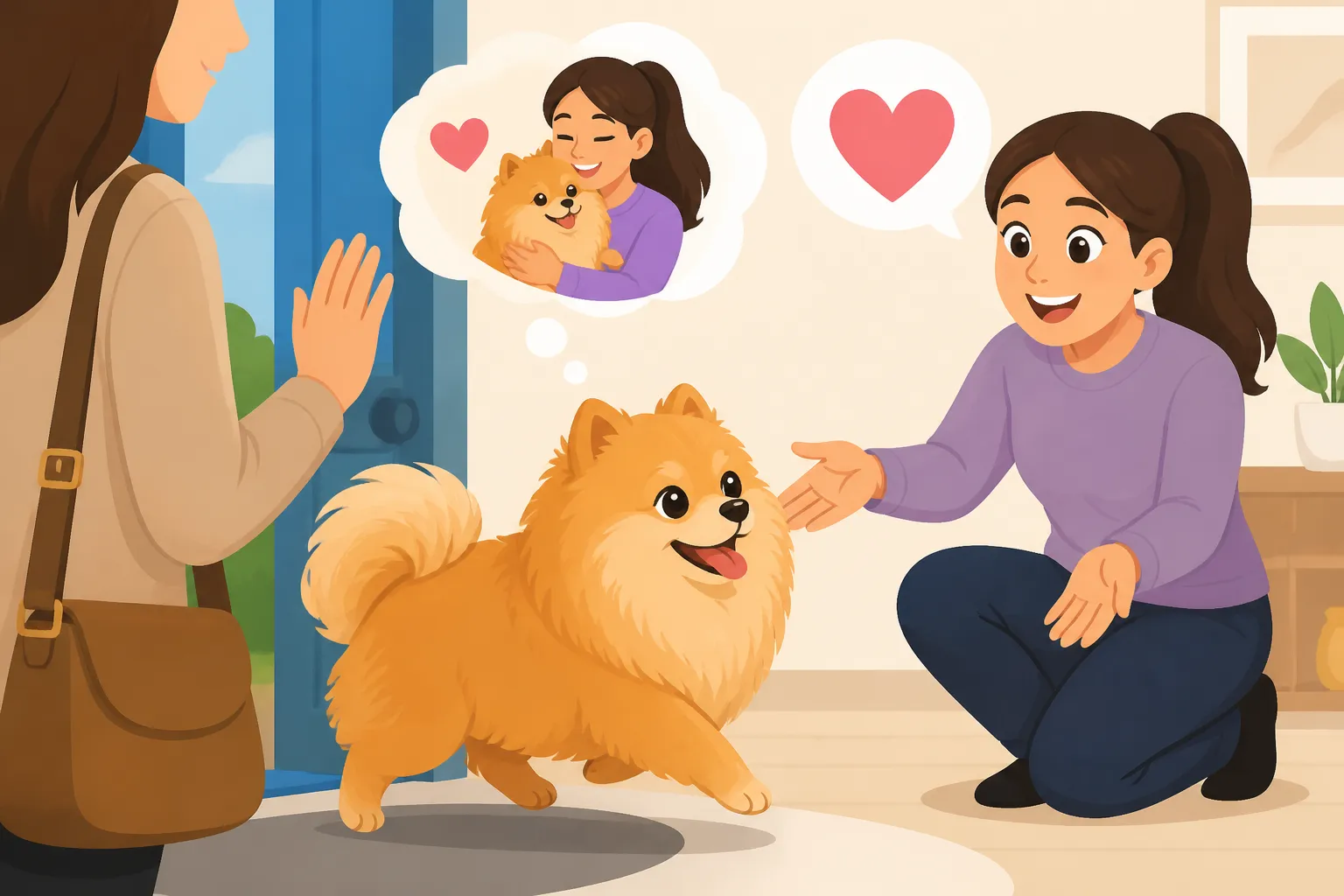
One of the best things you can do is arrange for your sitter to meet your Pomeranian several times before you leave. These aren't just polite introductions; they're vital desensitization sessions. Have the sitter come over for short visits, allowing your Pom to get used to their presence. Let them offer treats, engage in supervised play, and get familiar with each other. If it's an in-home sitter, have them shadow you during your Pomeranian's routine once or twice. For boarding, consider a trial day or even an overnight stay to see how your Pom adjusts.
This gradual exposure helps your Pomeranian associate the sitter with positive experiences and reduces the shock of a sudden separation. It also gives the sitter a chance to observe your Pom's quirks, energy levels, and any specific behaviors that might arise. This is especially helpful if your Pom has certain anxieties or is particular about who handles them. Think of it like a dress rehearsal for everyone involved.
The Detailed "Pomeranian Bible" for Your Sitter
You know your Pomeranian better than anyone, and it’s your job to download all that crucial information into a comprehensive guide for your sitter. Don't assume anything is obvious. This "Pomeranian Bible" should include:
- Contact Information: Your cell, emergency contacts, your vet's number, and the number of an emergency veterinary clinic.
- Routine: A precise schedule for feeding, potty breaks, walks, playtime, and bedtime. Specify the type and amount of food, and whether your Pom is free-fed or on a timed schedule.
- Medical Information: Any medications (dosage, frequency, method of administration), known allergies, chronic conditions, and how to spot symptoms of common Pomeranian issues like hypoglycemia or a collapsing trachea.
- Behavioral Notes: Your Pom's personality, fears (e.g., loud noises, strangers), favorite toys, any anxieties, house-training quirks (e.g., "she always tries to mark by the front door"), and how they interact with other pets or children, if applicable.
- Gear: Where to find their Harnesses Fitted for a Pomeranian's Windpipe, leash, food bowls, treats, grooming tools, and carrier. If you're using a playpen or Crates Sized for a Pomeranian, show them how it works.
- House Rules: Where your Pom is allowed (e.g., "no jumping on the sofa," "always on the leash outside"), what commands they know, and any specific training cues you use.
- Treats and Food: Specify what treats are allowed and which are off-limits, and how much food to give at each meal.
Having this written down means your sitter can refer to it at any time, reducing miscommunication and ensuring consistent care. You can find many printable templates online, or simply create your own detailed document.
Ensuring Safety and Comfort During Your Absence
Even with the perfect sitter and a detailed guide, a good plan for unexpected situations and ongoing communication is vital for your peace of mind.
Emergency Protocols and Veterinary Access
Emergencies happen, and being prepared means having a clear plan. Provide your sitter with explicit instructions on what to do if your Pomeranian falls ill or gets injured. This includes giving them permission to seek veterinary care in your absence. Many vets require a consent form from the owner if someone else is bringing the pet in for treatment. Prepare a signed letter authorizing your sitter to approve necessary procedures up to a certain financial limit, or at least to communicate with the vet on your behalf. Make sure they know where your Pom's medical records are located, and if they have pet insurance, provide those details too. Having an emergency kit ready, with things like gauze, pet-safe antiseptic wipes, and a small amount of glucose syrup (in case of a blood sugar crash), can also be incredibly helpful.
Communication Expectations
Before you leave, establish clear expectations for communication with your sitter. Do you want daily updates, texts with photos, or just a quick check-in every couple of days? Most Pomeranian parents appreciate frequent updates, especially for longer trips. Knowing that your little one is eating, playing, and going potty normally can alleviate a huge amount of stress. Conversely, agree on how the sitter should reach you in an emergency and what constitutes an emergency. Make sure you're both comfortable with the communication frequency and method. It’s also a good idea to let your sitter know how available you will be – will you have cell service, or be in an area with limited connectivity?
Familiar Scents and Comfort Items
To help your Pomeranian feel more at home while you're away, ensure they have access to familiar items. Their favorite bed, a blanket that smells like you (don't wash it before you leave!), and their most cherished toys can provide immense comfort. These familiar objects act as security blankets, offering a sense of normalcy and reducing anxiety in your absence. If your Pom is staying at the sitter's home or a boarding facility, pack a small bag for them, including their food, treats, medication, and these comfort items. Make sure any What a Pomeranian Carrier Costs you provide is comfortable and easily accessible for travel or emergency transport. Little touches like leaving a T-shirt you've worn with your scent on their bed can work wonders. You might even consider having a camera at home (if using an in-home sitter) for extra peace of mind, allowing you to check in on your little one (and your sitter!) remotely through an app you can find on sites like Amazon. For ongoing training and to help manage their routine, online programs like BAXTER & Bella can be fantastic resources for setting up good habits before you even need a sitter, making the transition smoother.
Disclaimer
This article is for general informational purposes only and does not constitute professional advice. Laws, prices and regulations vary by location and change over time. Consult a qualified professional for guidance on your specific situation.