The Pomeranian That Turns Selectively Deaf at One
It's incredibly frustrating when your sweet, attentive Pomeranian, who once bounded over at the mere whisper of their name, suddenly seems to develop a severe case of "selective hearing" right around their first birthday. You might find yourself calling, whistling, or even clapping, only to be met with a blank stare, a casual glance, or outright ignoring as if you're not even there. This guide is here to help you understand why your Pomeranian might suddenly seem deaf at one year old and, more importantly, how to get their attention back and reinforce those good listening habits.
Why Your Pomeranian Might Suddenly Seem to Ignore You Around One Year Old
The shift from a bouncy, eager-to-please puppy to a seemingly aloof or "selectively deaf" adolescent can be quite startling for Pomeranian owners. One minute they're glued to your side, the next they're exploring the furthest corner of the yard, completely oblivious to your calls. This isn't just a Pomeranian thing; it's a common developmental stage for many breeds, but it can feel particularly pronounced with our intelligent, independent little Spitz dogs.
The Teenage Rebellion Phase
Think of your Pomeranian at one year old as being in their "teenage" phase. Just like human teenagers, they're testing boundaries, developing more independence, and discovering the world beyond their immediate guardians. During puppyhood, everything revolves around you – you provide food, comfort, and safety. As they mature, their confidence grows, and with it, their desire to explore, investigate scents, and engage with their environment becomes much stronger. This means that a really interesting smell on the grass, a leaf blowing by, or even the sound of a distant dog can suddenly become far more compelling than your voice. It's not necessarily disobedience; it's often a case of heightened environmental awareness combined with a burgeoning sense of self. They're learning to prioritize, and sometimes, you're not at the top of the list anymore, which, let's be honest, stings a little!
Increased Distractions and Environmental Curiosity
Up to about a year, your Pomeranian puppy is soaking up the world, but often with a strong focus on you. As they get older, their perception of the world expands. That squirrel across the park or the intriguing rustle in the bushes becomes a full-blown adventure waiting to happen, completely eclipsing your attempts to get their attention. Their natural Spitz curiosity kicks in, making them more prone to follow their nose or their eyes. This developmental stage can be tricky because while they're physically mature, their impulse control is still a work in progress. What used to be a minor distraction now feels like an irresistible call to action. It's less about them being "selectively deaf" and more about the world suddenly being a lot louder and more interesting than it used to be. Understanding How Long a Pomeranian Will Hold Focus can really help set realistic expectations during this time.
Ruling Out Actual Hearing Loss or Other Medical Issues
Before you label your Pomeranian as a stubborn teenager, it's always wise to rule out any actual medical reasons for their lack of responsiveness. While sudden, complete deafness is rare, partial hearing loss or other health concerns can certainly manifest as decreased attention. It's a natural worry for any pet parent when a noticeable change in behavior occurs.
Signs of Genuine Hearing Impairment
True hearing loss might look like your Pomeranian:
- Not reacting to loud noises, like a dropped pan or a sudden clap, especially when they previously would have.
- Sleeping more soundly and not waking up when you enter the room or call their name.
- Failing to respond to sounds they once enjoyed, like the jingle of keys or the sound of their treat bag opening.
- Becoming startled easily when approached from behind, as they didn't hear you coming.
- Barking more frequently or loudly, possibly due to not hearing themselves or other environmental cues.
- Exhibiting changes in behavior, such as increased anxiety or irritability, because their world has become quieter and potentially more confusing.
- Not responding to the squeak of a favorite toy.
If you observe any of these signs, particularly if they are consistent and not just situational, it's time for a vet visit. Your veterinarian can perform basic hearing tests and a general health check to rule out underlying issues that might be affecting their hearing or overall well-being. Sometimes, even something as simple as excessive ear wax or an ear infection can temporarily reduce their hearing, making them less responsive. Anesthesia Risk in a Four Pound Pomeranian is a consideration for comprehensive diagnostics, but your vet can often start with non-invasive checks.
Other Health Concerns Mimicking Behavioral Issues
Sometimes, a Pomeranian's decreased responsiveness isn't about their ears at all, but other health issues that make them less engaged or more uncomfortable. For instance:
- Pain or Discomfort: If your Pomeranian is experiencing pain, perhaps from Slipping Kneecaps in a Five Pound Pomeranian or even dental pain, they might be less inclined to move, play, or focus on your commands. Their priority shifts from interaction to managing their discomfort.
- Vision Problems: While less common at one year, declining vision could make them seem less responsive if they rely on visual cues that they're now missing.
- Hypothyroidism: An underactive thyroid can lead to lethargy and a general slowing down, which could be mistaken for ignoring commands. However, this often comes with other symptoms like coat changes or weight gain. The Hormone Disease Mistaken for a Pomeranian's Alopecia discusses this further.
- Anxiety or Stress: If your Pomeranian is feeling anxious or stressed, they might shut down or become overly focused on perceived threats, making them less receptive to your voice. Signs a Pomeranian Has Separation Anxiety could include similar behavioral shifts.
A thorough vet examination is crucial to ensure there are no hidden medical issues contributing to your Pomeranian's change in behavior. This peace of mind allows you to then focus on behavioral solutions.
Re-Establishing Communication and Attention
Once you've ruled out medical causes, it's time to re-engage your Pomeranian's mind and remind them that listening to you is not only rewarding but also fun! This stage requires patience, consistency, and a fresh approach to training.
Making Yourself More Interesting Than the Environment
The key to overcoming selective hearing is to become the most exciting thing in your Pomeranian's world, especially when you're asking for their attention. This means upping your game significantly.
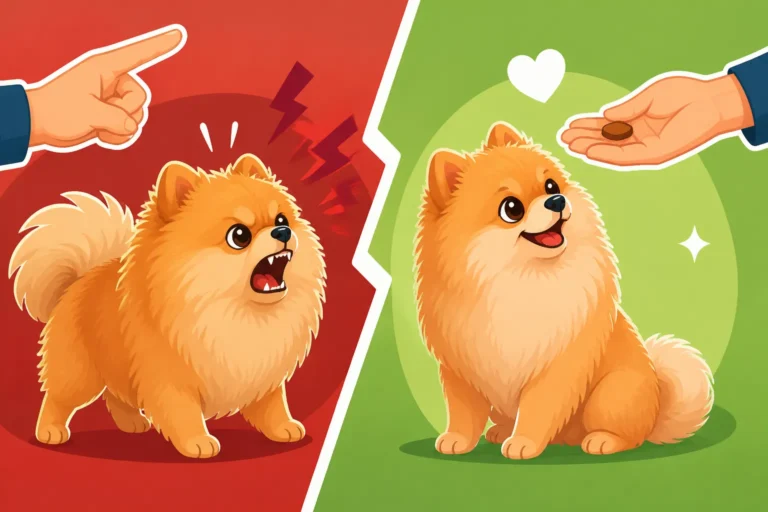
- High-Value Rewards: Ditch the plain kibble for training treats. Think tiny pieces of cooked chicken, cheese, or specialized training treats that your Pomeranian absolutely goes wild for. The higher the value of the reward, the stronger the motivation to listen. You can often find a great selection of high-value treats on Amazon.
- Enthusiasm in Your Voice: Poms respond to energy! Use an excited, happy tone when you call them or give commands. Sounding bored or frustrated will only make them less likely to engage.
- Movement and Play: Instead of just calling their name, try backing away a few steps, crouching down, or doing a little happy dance. Make coming to you a game. A quick game of chase or a squeaky toy can often cut through distractions better than a simple verbal cue.
- Novelty: Change up your training locations. Practice in different rooms, in the yard, and eventually in quieter outdoor spaces. This helps them generalize their listening skills and ensures they don't just associate "come" with one specific place.
- Short, Frequent Sessions: Our little Poms don't have super long attention spans. Keep training sessions brief and fun, just a few minutes at a time, several times a day. This builds positive associations without overwhelming them. Training Session Length for a Pomeranian is usually best kept short.
Consistent Training and Reinforcement Strategies
Consistency is king, especially during this adolescent phase. Your Pomeranian needs clear, predictable expectations.
| Strategy | Description | When to Use |
|---|---|---|
| Recall Games | Practice "come" in a low-distraction environment first. Use a long line in a secure yard. Call your Pomeranian's name, say "come!" in an excited voice, and immediately reward them with a high-value treat and praise when they take even one step towards you. Gradually increase distance and distractions. | Daily, in various low-stakes situations. When they're not overtly distracted by something else. Start indoors, then move to a fenced yard. Build up to short outdoor sessions on a long lead. |
| "Look At Me" Cue | Teach your Pomeranian to make eye contact on command. Hold a treat near your eye, say "look at me!" and reward when they meet your gaze. This is invaluable for breaking their focus from distractions. | Before giving any other command, especially when you anticipate distractions. It's your foundational "attention getter." Practice this regularly, even when you don't need it, to keep it strong. |
| "Catch Me If You Can" | Instead of always asking them to come to you, sometimes run away from them in a playful manner, encouraging them to chase you. When they catch up, offer a reward. This makes coming to you a fun, engaging experience. | When they're in a playful mood and you're in a safe, enclosed space. This strengthens the positive association with moving towards you and is great for dogs who might be hesitant to approach if they think they're in trouble. |
| Leash Manners | A loose-leash walk with a comfortable harness (like one designed for a Pomeranian's windpipe) encourages them to pay attention to you rather than constantly pulling. Practice sudden changes in direction and reward them for staying by your side. | On every walk. This builds a habit of checking in with you and being attuned to your movements. It helps prevent them from becoming totally absorbed by their surroundings. |
| Consistency with Routines | Stick to a predictable daily schedule for feeding, walks, and potty breaks. This helps your Pomeranian feel secure and understand expectations, which can reduce anxiety and improve responsiveness. | Every single day. A consistent The routine a Pomeranian needs every day provides structure and can reduce overall stress, making them more receptive to learning and listening. |
You might even consider online training programs. Services like BAXTER & Bella offer comprehensive, step-by-step guidance that you can follow at home, helping you maintain consistency and address specific behavioral challenges. They can be a fantastic resource for learning new techniques and getting support.
Specific Scenarios and Solutions for Pomeranian Selective Hearing
Selective hearing often pops up in particular situations. Knowing how to handle these moments effectively can make a huge difference in getting your Pomeranian to listen more consistently.
The Great Outdoors: Park and Yard Challenges
The moment your Pomeranian steps outside, a whole world of smells, sounds, and sights explodes around them. It's no wonder your voice becomes background noise!
- Start with a Long Line: In an enclosed, safe area like your yard or a quiet park, use a 15-30 foot long line. This gives them freedom to explore but keeps them safely connected to you. Practice recall using your high-value treats. If they don't respond, gently reel them in, praise them when they reach you, and reward them. The line isn't for punishment, but for gentle guidance.
- "Check-in" Game: Periodically call their name or make a happy noise. When they glance at you, immediately reward them. You're teaching them that checking in with you spontaneously is a rewarding behavior. This helps build a habit of keeping you in mind, even amidst exciting distractions.
- Be Predictable, Then Unpredictable (in a good way): Initially, practice recall when you know they're likely to come (e.g., they're not heavily focused on something else). Once they're consistent, start calling them when they are mildly distracted, always being ready with that fantastic treat. Remember, Building a Recall on a Pomeranian That Ignores You takes time and practice in varied environments.
At Home: Ignoring You Indoors
Even inside the house, a Pomeranian can develop selective hearing. Maybe they're focused on a toy, a spot of sun, or simply choosing to nap in peace.
- Proximity Calls: Start by calling their name when they are very close to you and immediately reward them. This reinforces the positive association with their name and coming to you.
- Surprise Rewards: Don't just reward when they come on command. If your Pomeranian spontaneously comes over to you for a cuddle or just walks into the room you're in, offer a quiet "good dog" and a small, unexpected treat. You're rewarding their presence and attention.
- Puzzle Toys and Engagement: If your Pomeranian is ignoring you because they're bored, engage their mind with puzzle toys or short training games. A mentally stimulated Pomeranian is often a more attentive one. You can find many small-dog-appropriate puzzle toys on Amazon.
- "No Free Lunch" (Respectfully): This doesn't mean withholding food! It means asking for a simple "sit" or "look at me" before they get things they want, like their meal, a treat, or going outside. This subtly reinforces that good things happen when they pay attention to you.
During Playtime: The Zone Out
Playtime, especially with other dogs or favorite toys, can be when your Pomeranian is most "deaf." They get into "the zone," and your voice just doesn't register.
- Interruption and Reward: During a supervised play session, occasionally call your Pomeranian's name. The instant they look at you, even for a split second, praise enthusiastically and offer a high-value treat. Then, quickly release them back to play. The goal is to teach them that responding to your voice means more fun, not the end of it.
- "Trade Up" for Toys: If your Pomeranian is obsessively focused on a toy and ignoring you, try to "trade" them a higher-value treat for the toy. This teaches them that giving up what they have and engaging with you can lead to something even better.
- Management: In situations where your Pomeranian is known to completely tune you out (like at a dog park, which can be Why a Dog Park Is Dangerous for a Pomeranian), it might be best to avoid letting them off-leash entirely or only allow it in extremely secure, low-distraction environments until their recall is rock-solid.
Remember, this phase is temporary, and with consistent, positive reinforcement, your Pomeranian will likely grow out of the worst of their "selective hearing." Keep training positive, fun, and always end on a good note.
Disclaimer
This article is for general informational purposes only and does not constitute professional advice. Laws, prices and regulations vary by location and change over time. Consult a qualified professional for guidance on your specific situation.