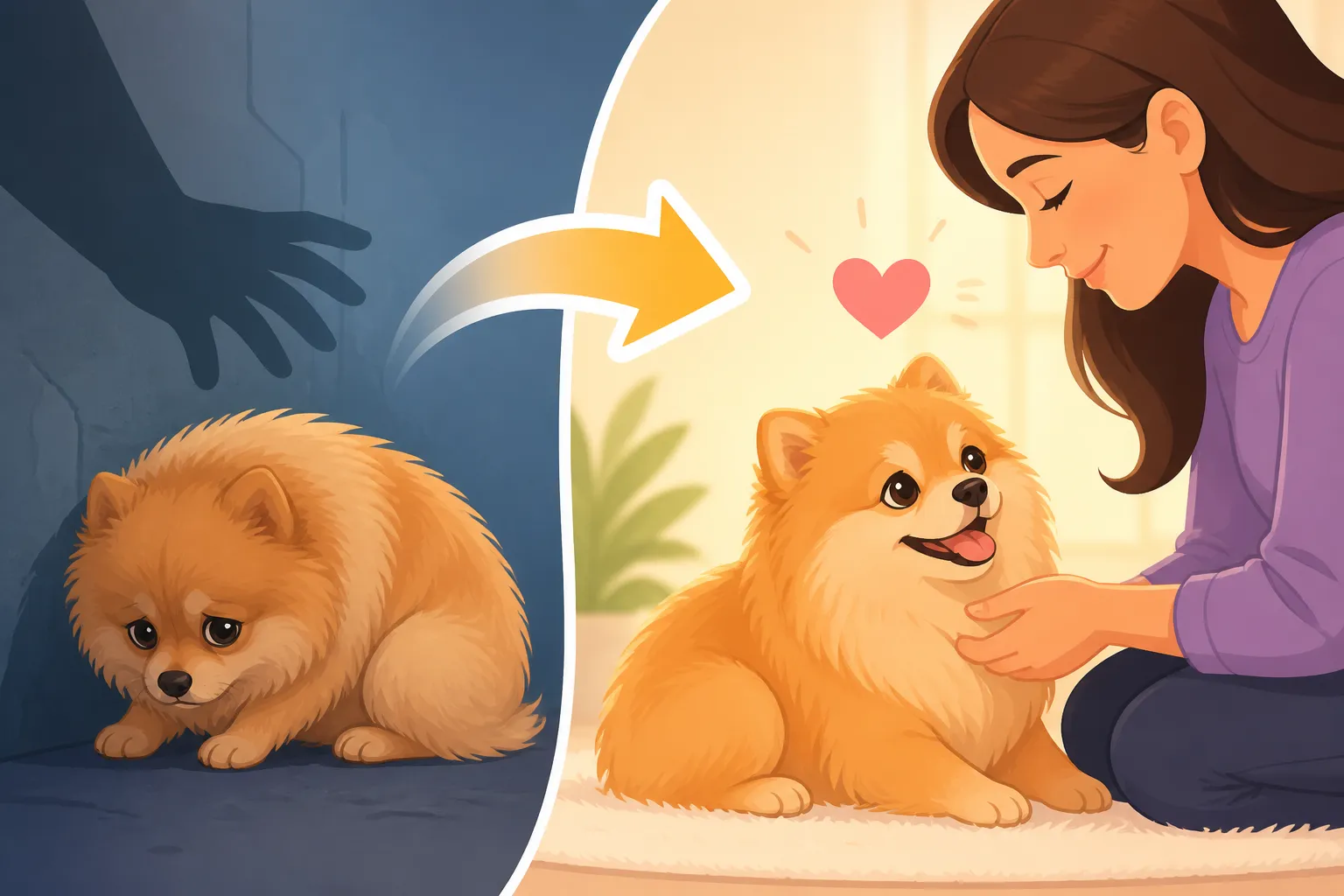
Rebuilding Trust With a Mistreated Pomeranian
Bringing a mistreated Pomeranian into your home is an act of incredible compassion, but it also comes with immense challenges. These little dogs, often so full of vibrant personality, can become withdrawn, fearful, or even reactive when their trust has been broken. It's heartbreaking to see, and knowing how to mend those emotional wounds can feel overwhelming. This guide will walk you through the compassionate steps to slowly, patiently, and lovingly rebuild that precious bond, helping your rescue Pom feel safe and loved.
Recognizing the Lingering Scars: Signs of a Mistreated Pomeranian
When you bring a Pomeranian into your life who has experienced mistreatment, whether it was neglect, harsh punishment, or lack of socialization, they often carry those experiences with them. These scars aren't always visible physical injuries; more often, they manifest as emotional and behavioral issues that can be confusing and heartbreaking for a new owner. Understanding these signs is the first crucial step in beginning the healing process.
Subtle and Overt Fear Signals
Pomeranians, despite their small size, are incredibly expressive creatures. A mistreated Pom might exhibit a range of fear signals, from very subtle cues to overt displays of terror. You might notice them trying to make themselves look smaller, hunching their shoulders, tucking their tail tightly between their legs, or even shivering uncontrollably when approached. Their ears might be flattened against their head, and their eyes might dart around nervously, avoiding direct eye contact. Sometimes, a fearful Pomeranian will try to hide, darting under furniture or pressing themselves into a corner. They might even refuse to leave a safe spot like their crate or a particular bed, even for meals or potty breaks.
Beyond these common signs, some Poms might freeze completely, becoming unresponsive to sounds or touches, almost as if they're trying to disappear. Others might exhibit more active fear, such as panting heavily, yawning repeatedly (a stress signal, not just tiredness), or licking their lips constantly. These behaviors are their way of communicating profound discomfort and a desperate plea for space and safety. Learning to read these signals, no matter how subtle, is paramount to not inadvertently pushing them further into their fear.
Avoidance and Withdrawal Behaviors
A Pomeranian who has suffered mistreatment often learns that humans are unpredictable or even dangerous. As a result, they may develop strong avoidance behaviors. This could mean they actively try to move away when you approach, perhaps walking into another room or turning their back on you. They might refuse to take treats from your hand, or only do so with extreme caution, snatching it quickly and retreating. Some Poms will spend most of their time in a quiet, secluded area of the house, only emerging when absolutely necessary.
This withdrawal isn't a sign that they don't want to connect; it's a coping mechanism they've developed to protect themselves. They might not seek out affection, preferring to observe from a distance. If you try to pet them, they might flinch or even snap, not out of aggression, but out of fear of an unpredictable touch. It's a clear indicator that their personal space has been violated in the past, and they need time and consistent positive interactions to understand that you are different. Patience is key here, allowing them to approach you on their own terms. It takes time for a dog to realize they are truly The Pomeranian That Cannot Be Left Alone and that their new home is permanent.
Reactive Responses: Barking, Growling, or Nipping
While many mistreated Poms become withdrawn, others develop reactive responses as a defense mechanism. This can manifest as excessive barking, growling, or even nipping when they feel threatened or cornered. A doorbell ringing, a new person entering the home, or even a sudden movement can trigger a disproportionate response. They might bark relentlessly at strangers passing by the window, or growl if you reach for their food bowl. These behaviors are not malicious; they are often rooted in fear and a belief that they must protect themselves because no one else will.
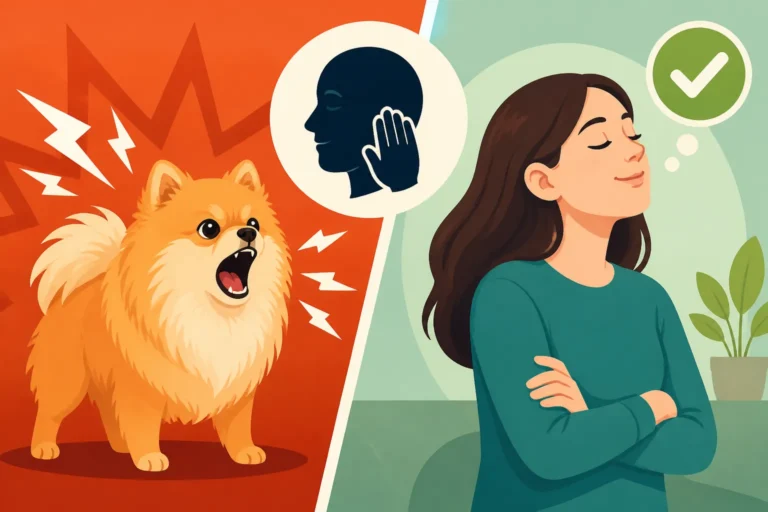
It's particularly common for Pomeranians to use their voice as a defense. You might notice Whether a Pomeranian Barks From Fear or Habit. If a mistreated Pom has learned that barking makes scary things go away (e.g., a person retreating), they will continue to do it. This can be particularly challenging in a home environment, but it's vital to remember that their reactivity is a cry for help, not an act of defiance. Addressing these behaviors requires understanding the underlying fear and working to build confidence, rather than punishing the reaction itself.
Here's a quick reference for common fear signals:
| Body Language | Interpretation |
|---|---|
| Tucked tail, lowered body | Fear, submission, insecurity |
| Flattened ears | Anxiety, fear, attempting to appear smaller |
| Lip licking, yawning | Stress, discomfort, appeasement |
| Avoiding eye contact | Discomfort, fear, deferring |
| Trembling/shaking | Intense fear, anxiety, cold |
| Freezing/immobility | Overwhelm, attempting to disappear |
| Whale eye (whites of eyes showing) | Stress, fear, impending bite (sometimes) |
| Growling/snapping | Warning, feeling threatened, last resort |
Establishing a Sanctuary: Creating a Safe and Predictable World
For a Pomeranian recovering from mistreatment, predictability and a sense of security are the foundations of healing. Their previous world was likely chaotic and frightening, so your primary goal is to establish a safe sanctuary where they can relax and begin to trust. This isn't just about providing shelter; it's about creating an environment that systematically reduces stress and builds confidence.
Designated Safe Spaces and Predictable Routines
One of the most important things you can offer a fearful Pomeranian is a designated safe space where they can retreat and feel completely undisturbed. This might be a cozy crate with a soft bed and a blanket draped over it, a dog bed tucked into a quiet corner, or even a smaller room that's just for them. Ensure this space is their haven; no one, especially children or other pets, should disturb them there. You might find a great calming bed or crate on Amazon that helps them feel secure. This personal retreat allows them to decompress and observe their new surroundings without feeling pressured to interact.
Alongside a safe physical space, a predictable daily routine is invaluable. Knowing when they will eat, go out for potty breaks, and have quiet time helps reduce anxiety. Consistent feeding times, regular walks (if they are comfortable with them), and scheduled play or training sessions create a rhythm that your Pomeranian can learn to anticipate. This predictability signals to them that their world is no longer random and frightening but structured and safe. You can learn more about building this consistency in The Routine a Pomeranian Needs Every Day.
Minimizing Stress Triggers in the Environment
Think about what might have been scary or overwhelming in your Pomeranian's past. Loud noises, sudden movements, or even certain types of people can be significant triggers. Your home environment needs to be consciously adjusted to minimize these stressors. If your Pom reacts to the doorbell, consider changing it to a quieter chime or using a visual alert system instead. If they are startled by sudden movements, move slowly and deliberately around them, especially in the initial weeks.
Consider the general noise level in your home. Pomeranians have excellent hearing, and a constantly bustling, noisy household can be overwhelming. Try to keep background noise calm, perhaps with soft music or white noise. A Pomeranian That Hides From Children might also need more structured introductions to younger family members, teaching children to approach gently and respect boundaries. If you have other pets, especially larger dogs, ensure their interactions are always supervised and positive, with plenty of escape routes for your Pom. Creating a calm, low-stress environment tells your Pomeranian that they are finally safe.
The Art of Gentle Reconnection: Building Positive Interactions
Rebuilding trust with a mistreated Pomeranian is a marathon, not a sprint. It requires immense patience, understanding, and a commitment to positive reinforcement. Every interaction, no matter how small, is an opportunity to show your Pomeranian that you are a source of good things and that they can rely on you.
Positive Reinforcement and Choice-Based Training
The cornerstone of rebuilding trust is positive reinforcement. This means rewarding desired behaviors with something your Pomeranian values—whether it's a high-value treat, gentle praise, or a favorite toy. Avoid any form of punishment, harsh words, or force, as these will only reinforce their fear and erase any progress you've made. Focus on shaping behaviors through rewards, making learning a positive experience. For example, if your Pom approaches you voluntarily, even just a step, immediately offer a treat and quiet praise.
Crucially, give your Pomeranian choices whenever possible. Instead of forcing them into situations, invite them. Offer your hand for sniffing, then let them decide if they want to lean into a pet. Let them choose which toy to play with, or where to settle down. This sense of agency helps them regain control and confidence in their environment. Online training platforms like BAXTER & Bella often emphasize positive reinforcement and confidence-building exercises that can be adapted for a fearful rescue, helping you learn how to make every interaction a rewarding one. Remember, even short, successful Training Session Length for a Pomeranian can make a huge difference.
Gentle Handling and Respecting Boundaries
Many mistreated Pomeranians have a history of being handled roughly or unpredictably. Because of this, teaching them to accept gentle handling is vital, but it must be done with extreme care and respect for their boundaries. Always approach your Pomeranian slowly, speaking in a soft, reassuring voice. Avoid sudden movements or reaching over their head, which can feel threatening. Instead, offer your hand for them to sniff at their level, and wait for them to initiate contact or show a relaxed posture.
Start with very brief, gentle touches in areas they might tolerate, like their chest or shoulder, rather than their head or back. As soon as they show any sign of discomfort (a flinch, a tense body), immediately stop and give them space. This teaches them that you respect their signals and that they have control over the interaction. Over time, as their trust grows, you can gradually increase the duration and areas of touch. For practical advice on building comfort with contact, consider reading Teaching a Pomeranian to Be Picked Up Properly or Building a Pomeranian's Tolerance for Combing Mats.
Enrichment and Play for Confidence Building
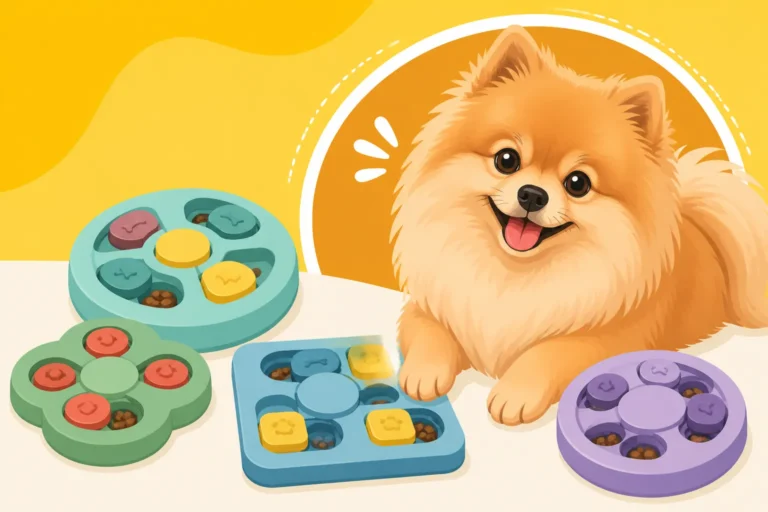
Play and mental enrichment are powerful tools for building confidence and strengthening your bond. For a fearful Pomeranian, play should be low-pressure and fun. Start with games that don't require too much interaction, like hiding treats around a room for them to sniff out, or using puzzle toys. You can find many types of puzzle toys and snuffle mats on Amazon that are great for stimulating their minds and burning off nervous energy in a positive way.
Once they start to show a little more confidence, you can introduce gentle tug-of-war with a soft toy or rolling a ball. Observe their body language carefully and stop if they seem overwhelmed. The goal is to create positive experiences that associate you with fun and safety. Each successful play session, where they feel safe and enjoy themselves, reinforces the idea that you are a good, trustworthy partner. Finding The Reward a Pomeranian Actually Cares About is also crucial for motivating them in these activities.
When to Call for Backup: Seeking Professional Guidance
Sometimes, despite your best efforts, a mistreated Pomeranian's fears and behaviors can be too deeply ingrained or complex for an owner to manage alone. This is absolutely nothing to be ashamed of; in fact, recognizing when you need professional help is a sign of responsible and loving pet ownership. A professional can provide tailored strategies and support, greatly increasing your Pomeranian's chances of living a happy, confident life.
Consulting with a Certified Professional Dog Trainer or Behaviorist
If your Pomeranian's fear manifests as aggression, severe anxiety, or phobias that impact their daily life, it's time to seek the expertise of a certified professional dog trainer or a veterinary behaviorist. These professionals have specialized knowledge in canine behavior and positive reinforcement techniques, and they can assess your specific situation to develop a safe and effective plan. They can help you identify triggers you might be missing, teach you advanced handling techniques, and guide you through a systematic desensitization and counter-conditioning program.
Look for trainers who use force-free, positive reinforcement methods exclusively. Avoid anyone who suggests harsh corrections, punitive tools like shock collars, or methods that involve "dominance," as these will only exacerbate a fearful Pomeranian's issues. A good behaviorist might also work in conjunction with your veterinarian, especially if anxiety medication could be beneficial as a temporary tool to help your Pom feel calm enough to learn. Sometimes, the right professional guidance is the missing piece to unlock real progress for a Whether a Rescue Pomeranian Can Be House Trained or a Pom struggling with severe separation anxiety.
Addressing Underlying Medical Conditions
It's always a good idea to involve your veterinarian when dealing with significant behavioral issues, especially if they seem to have appeared suddenly or worsened. Sometimes, fear or aggression can be rooted in an underlying medical condition causing pain or discomfort. A thorough veterinary check-up can rule out issues like dental pain, arthritis, vision or hearing loss, or hormonal imbalances that might be contributing to your Pomeranian's distress.
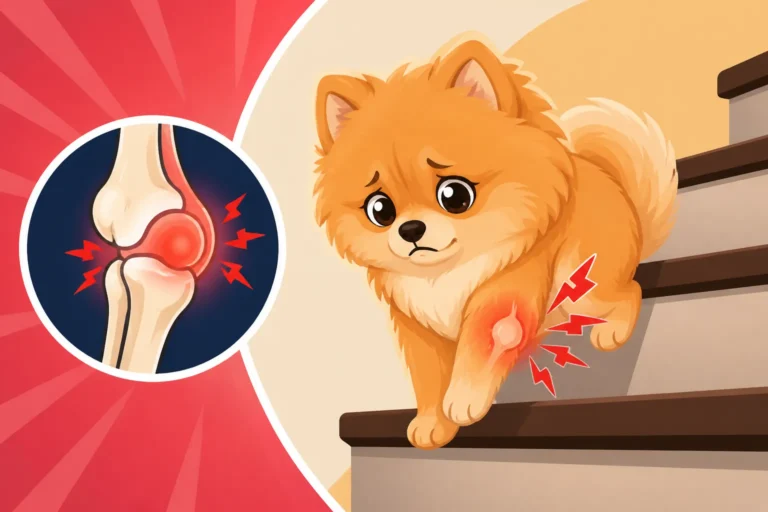
For example, a Pomeranian experiencing chronic pain from Slipping Kneecaps in a Five Pound Pomeranian might become irritable or fearful of being touched, not because they are "mean," but because they anticipate pain. Addressing the physical issue first can often resolve or significantly reduce the behavioral symptoms. Your vet can also discuss options for anti-anxiety medications or supplements if appropriate, which can help lower your Pomeranian's overall stress levels, making them more receptive to behavioral training.
Disclaimer
This article is for general informational purposes only and does not constitute professional advice. Laws, prices and regulations vary by location and change over time. Consult a qualified professional for guidance on your specific situation.