The Pomeranian That Will Not Be Left Behind
It’s a heartbreaking sight: you glance back at your little Pomeranian as you head out the door, only to see a tiny, worried face pressing against the window, or hear the first plaintive barks beginning. Many Pomeranian owners face the struggle of a pup who simply can’t handle being left alone, leading to distress for both dog and human. This comprehensive guide will walk you through why your beloved Pom might be struggling with solitude and offer practical, empathetic strategies to help them build confidence and cope when you’re not around.
Understanding Why Your Pomeranian Hates Being Left Alone
It’s easy to feel frustrated when your Pomeranian acts out when left alone, whether it's barking incessantly, having accidents, or even destructive chewing. We often wonder if they're just being "naughty" or "spoiled." But for many Poms, this behavior stems from genuine anxiety and a deep-seated need for companionship, not malicious intent. Understanding the root causes is the first step towards helping them.
The Instinctual Need for Companionship in a Small Dog
Pomeranians, despite their small stature, descend from much larger Spitz breeds that lived and worked closely with humans. This lineage has instilled in them a strong desire for interaction and a natural inclination to be part of a "pack," which, in modern terms, is their human family. They thrive on connection and often form incredibly strong bonds with their primary caregivers. When that primary caregiver leaves, even for a short time, it can trigger an instinctual fear of abandonment.
Think about it from their perspective: they're small, vulnerable, and their entire world revolves around you. Suddenly, you vanish. For a dog that weighs just a few pounds, this can be genuinely terrifying. This isn’t a flaw in their character; it's a hardwired response to feeling alone and potentially unsafe. It’s why many Poms will follow you from room to room, even when you're home. They simply want to be where you are, always. This intense bond, while endearing, can become a challenge when they must be independent.
How Early Experiences Shape a Pomeranian's Tolerance for Solitude
A Pomeranian's early experiences play a huge role in how well they handle being left alone. Puppies who are never gradually introduced to alone time might grow up believing that being separated from their humans is an emergency. If a puppy is constantly held, carried, or never left to entertain themselves, they don't learn the vital skill of self-soothing or that your absence isn't permanent.
Consider a scenario where a new Pomeranian puppy is brought home and, out of love and excitement, is rarely out of sight or touch for the first few months. This constant presence, while well-intentioned, can inadvertently teach the puppy that being alone is abnormal or undesirable. Later, when the owner needs to run errands or go to work, the sudden shift to solitude can be incredibly jarring. Conversely, a puppy who had brief, positive experiences alone in a safe space, like a crate with a special toy, often develops a better tolerance. The Week a Pomeranian Puppy Can Start Learning about independence is crucial.
Signs That Your Pomeranian Isn't Just "Spoiled"
It’s tempting to label a barking or destructive Pomeranian as "spoiled," but their behaviors are often signs of distress rather than defiance. Recognizing these signs is key to providing the right support. A "spoiled" dog might whine for attention, but a dog with separation anxiety exhibits more intense, sustained, and often destructive behaviors that only occur when you're absent.
Common signs of distress when left alone include:
- Excessive vocalization: Persistent barking, whining, or howling that lasts for extended periods after you leave. This isn't just a few "alert" barks; it's ongoing, frantic noise. Whether a Pomeranian Barks When Left Alone is a common concern.
- Destructive behavior: Chewing on door frames, furniture, or personal items, especially near exits. This isn't just bored chewing; it's often an attempt to escape or a coping mechanism for anxiety.
- Inappropriate urination or defecation: Having accidents inside, even if house-trained, only when left alone. This isn't a potty training regression but a physiological response to stress. A House Trained Pomeranian That Starts Having Accidents points to a problem.
- Pacing or trembling: Some Poms will pace nervously, pant, or tremble when they realize you’re preparing to leave or after you've gone.
- Refusal to eat or drink: A severely anxious Pomeranian might refuse high-value treats or ignore their water bowl until you return.
- Attempts to escape: Trying to scratch at doors, windows, or dig under fences in an effort to get to you.
These behaviors indicate that your Pomeranian is genuinely suffering when left alone. It's a cry for help, not an act of disobedience.
Practical Steps to Build Independence in Your Pomeranian
Helping your Pomeranian overcome their fear of being left behind requires patience, consistency, and a structured approach. The goal isn't to make them immune to your absence, but rather to teach them that your departures are temporary and not something to panic about.
Creating a Safe and Comforting Den Space
Every Pomeranian needs a designated safe space where they feel secure and can retreat when stressed or simply needing quiet time. For many Poms, a crate or a small, cozy pen works wonderfully as a den. This isn't a punishment area, but rather their personal sanctuary. It should be comfortable, perhaps with a soft bed, a familiar blanket that smells like you, and a few favorite, safe toys.
Introducing this space positively is crucial. Feed them meals in their crate, offer high-value treats only when they're inside, and never force them into it. Make it a place associated with good things. You can cover the crate with a light blanket to create a den-like feel, offering privacy and a sense of security. Many Poms feel calmer in an enclosed space because it taps into their natural instinct to den. Placing the crate in a central, yet not overly busy, part of the house can also help them feel included even when you’re not directly interacting. Crate Work With a Pomeranian Puppy That Cries has helpful advice for positive crate association.
Gradual Desensitization: The Art of Short Absences
The most effective way to help a Pomeranian with separation issues is through gradual desensitization. This means slowly increasing the amount of time you leave them alone, starting with periods so short they don’t even register your absence. It's like building muscle; you start with light weights and gradually increase the load.
Here’s a step-by-step approach:
- Practice "pre-departure" cues: Many Poms get anxious when they see you grab your keys, put on your shoes, or pick up your bag. Start doing these actions randomly throughout the day without actually leaving. Grab your keys, walk to the door, then sit back down and watch TV. Repeat this until these actions no longer trigger anxiety.
- The "phantom exit": Once they're calm with your pre-departure cues, take it a step further. Perform your departure routine, step outside the door for just 10 seconds, then immediately come back in. Don't make a fuss, just re-enter calmly. If your Pom was calm, great! If not, shorten the time or go back to pre-departure cues.
- Gradually extend the time: Over days and weeks, slowly increase the duration of your absence. Go from 10 seconds to 30, then a minute, then five, ten, fifteen, and so on. Always return before they start to show signs of anxiety. If you come back and they’re already distressed, you’ve pushed too far, too fast. The goal is for them to learn that you always come back, and there's nothing to worry about.
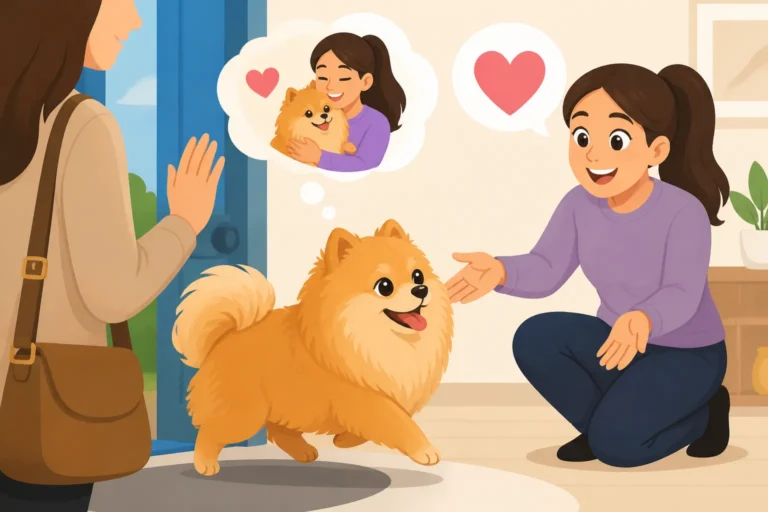
- No big hellos or goodbyes: When you leave, keep it low-key. A quick "be right back, buddy" is fine, but avoid dramatic farewells that heighten their anxiety. When you return, ignore them for a minute or two until they're calm, then offer a calm greeting. This teaches them that your departure and return are normal, not a huge emotional event.
- Provide engaging distractions: Before you leave for even short periods, give them a long-lasting, high-value chew toy or a puzzle toy filled with their favorite treats. Something like a KONG stuffed with peanut butter or a durable chew toy from Amazon can keep them occupied and associate your departure with something positive. This helps build positive associations with alone time.
Consistency is key. Even on weekends, try to practice short absences to reinforce the training. Building a Pomeranian's Independence is a marathon, not a sprint.
Enriching Their Environment to Combat Boredom
A bored Pomeranian is more likely to become an anxious or destructive one. Mental and physical stimulation are just as important as the desensitization process. Before you leave, make sure your Pom has had adequate exercise and mental engagement. A tired dog is a happy dog, and often, a calmer dog.
Consider these enrichment strategies:
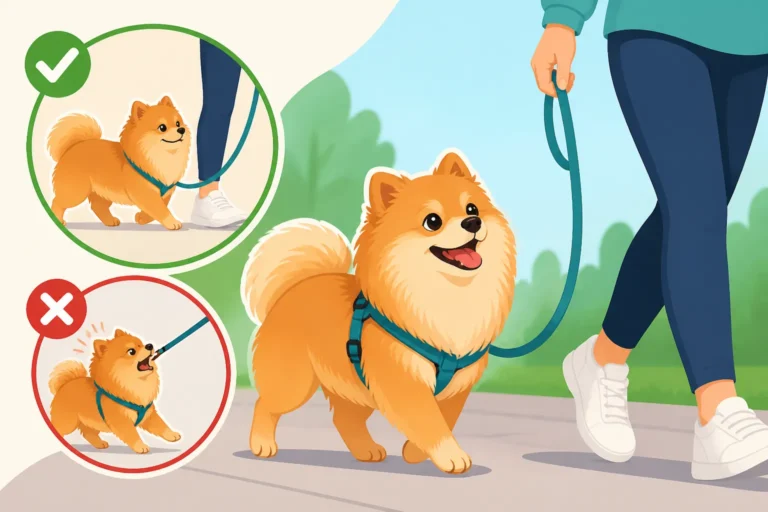
- Morning walk: Even a short, brisk walk before you leave can help burn off some energy and provide mental stimulation from new sights and smells. Just remember to use a harness that protects their delicate windpipe.
- Playtime: Engage in a stimulating play session with toys or a game of fetch.
- Puzzle toys: As mentioned, puzzle toys are excellent for mental enrichment. They challenge your Pom to think and work for their food or treats, mimicking natural foraging behaviors. There are many options available on Amazon suitable for small breeds.
- Snuffle mats: These mats hide kibble or treats, encouraging your Pom to "snuffle" them out, which is a calming and mentally engaging activity.
- Chew toys: Ensure they have a variety of safe, durable chew toys to redirect any potential destructive chewing.
- Interactive feeders: Instead of just a bowl, use an interactive feeder that dispenses food slowly, extending mealtime and providing mental stimulation.
A well-exercised and mentally stimulated Pomeranian is far more likely to settle down and relax when you're gone. If you're working with a positive reinforcement online training program like BAXTER & Bella, they often provide great ideas for enrichment tailored to small breeds.
When to Seek Professional Help for Separation Anxiety
Sometimes, despite our best efforts, a Pomeranian's separation anxiety is too severe to manage with at-home training alone. It’s important to know when to call in the cavalry and seek professional guidance.
Recognizing the Red Flags of Severe Anxiety
While some barking or minor destruction might be manageable, certain behaviors indicate a level of distress that requires professional intervention. These are the red flags that suggest your Pomeranian is truly suffering and needs more than just desensitization:
- Self-harm: Excessive licking, chewing, or scratching to the point of causing skin lesions or hot spots.
- Injury attempts: Repeatedly trying to escape a crate or room, leading to broken nails, damaged teeth, or other physical harm.
- Unrelenting vocalization: Constant, high-pitched barking or howling for the entire duration of your absence, which often leads to neighbor complaints.
- Panic attacks: Your Pomeranian appears to be in a full-blown panic, frantically pacing, drooling excessively, or showing extreme fear signals even when you're just getting ready to leave.
- Complete refusal to be alone: Even after weeks of gradual desensitization, your Pom cannot tolerate more than a few seconds or minutes of solitude without escalating distress.
If you observe these severe signs, don't delay in seeking expert help. Your Pomeranian's well-being is paramount, and they deserve relief from such intense anxiety. Signs a Pomeranian Has Separation Anxiety delves deeper into these indicators.
Exploring Professional Training and Behavioral Support
A certified professional dog trainer or a veterinary behaviorist can provide invaluable support for severe separation anxiety. These experts have specialized knowledge and tools to assess your Pomeranian's specific situation and develop a tailored behavior modification plan.
Here’s what they might offer:
- Behavioral assessment: A professional will observe your Pomeranian's behavior, often through video you provide, to accurately diagnose the extent and triggers of their anxiety.
- Customized training plan: They'll create a step-by-step plan that might include advanced desensitization techniques, counter-conditioning (changing your dog's emotional response to a trigger), and management strategies. This plan is designed to move at your Pom's pace, ensuring success.
- Guidance on environmental adjustments: They can recommend specific crate setups, calming aids, or enrichment items that might be particularly beneficial for your dog.
- Support and accountability: Working with a professional gives you ongoing support, troubleshooting advice, and the accountability needed to stick with a challenging training protocol. Programs like BAXTER & Bella offer online support that can be a great resource for owners seeking structured guidance, even if they aren't dealing with severe anxiety. Whether a Pomeranian Needs a Private Trainer might be a good option for severe cases.
Remember, a good trainer will focus on positive reinforcement and force-free methods. Avoid anyone who suggests punishment or fear-based techniques, as these can exacerbate anxiety in an already vulnerable Pomeranian.
Understanding Medication as a Last Resort
For some Pomeranians with severe, debilitating separation anxiety, medication may be a necessary component of treatment, always in conjunction with a behavior modification plan. This is typically discussed with a veterinary behaviorist or your primary veterinarian. Medications aren't a "cure-all" but can help reduce your dog's overall anxiety levels, making them more receptive to training and less overwhelmed by their fears.
Medication essentially helps to lower the "emotional arousal" threshold, allowing the dog to think and learn rather than just react in a panic. It can be a temporary tool used during the most intensive phases of behavior modification, or in some cases, a longer-term solution. Your vet will conduct a thorough health examination to ensure your Pom is a candidate for medication and prescribe the appropriate dosage and type. They will also monitor for any side effects. Never attempt to medicate your dog without professional veterinary guidance. It's a serious decision that needs careful consideration and monitoring. The Pomeranian That Cannot Be Left Alone deserves all the help it can get.
Addressing your Pomeranian's inability to be left alone is an act of love and commitment. It takes time and patience, but the reward is a happier, more confident companion who can cope with your absence, allowing you both to live more fulfilling lives.
| Strategy Type | Description | Key Benefits | When to Use |
|---|---|---|---|
| Environmental | Providing a safe, comfortable den (crate, pen) and enriching their space with toys, chews, and puzzles. | Security, comfort, boredom relief, positive association with alone time. | Essential for all Pomeranians, especially during the initial stages of training. |
| Behavioral | Gradual desensitization, practicing pre-departure cues, and short absences with calm greetings. | Builds confidence, teaches self-soothing, creates positive associations with departures. | Ongoing process, starting with puppies or when anxiety first appears, and continued throughout life. |
| Professional Help | Consulting a certified dog trainer or veterinary behaviorist for tailored plans and expert guidance. | Expert assessment, customized plan, advanced techniques, support, and accountability. | When at-home methods aren't working, or if anxiety is severe (e.g., self-harm, extreme panic). |
| Medical | Prescription medication from a vet to lower anxiety, used in conjunction with behavior modification. | Reduces overall anxiety, makes dog more receptive to training, provides relief from intense distress. | As a last resort for severe, debilitating anxiety, always under strict veterinary supervision. |
Disclaimer
This article is for general informational purposes only and does not constitute professional advice. Laws, prices and regulations vary by location and change over time. Consult a qualified professional for guidance on your specific situation.